Explained
Noise-Cancelling Headphones, Explained: What to Look For
What the spec sheet won't tell you about ANC headphones - in plain English, in about 5 minutes.
In this guide
Over-ear noise-cancelling headphones use microphones and electronics to quiet the world around you, but the marketing rarely explains how well or where it works. This guide covers what actually matters; we put these claims to the test in our companion review.
The 30-second version
- ANC is not silence Active noise cancelling mainly kills steady low drones like engines and hums, not sudden or high-pitched sounds like voices and clatter.
- Comfort beats specs Clamp force, ear-cup depth, and weight decide whether you can actually wear them for hours, and no spec sheet captures that.
- Fit does the quiet work A good seal around your ears blocks noise passively, so glasses, big ears, or a loose fit can undo half the cancelling.
- Sound is separate from ANC Strong cancelling and good audio are two different engineering jobs; a headphone can be great at one and mediocre at the other.
- Keep a wired option A headphone that still works over a cable and on a dead battery is more useful on planes and at desks than one that doesn't.
The products this guide is about
Our verdict on each, with the full reasoning on the companion review.
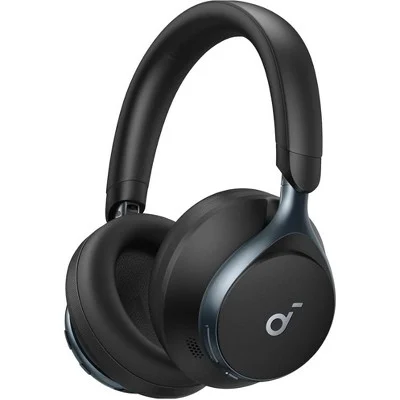
- Buy Anker Soundcore Space One The best all-round ANC value in the budget tier - if you can live with bass-forward sound. Amazon
- Buy Sony WH-CH720N The lightest, comfiest pick with real Sony sound, wrapped in cheap-feeling plastic. Amazon
- It depends JLab JBuds Lux ANC Astonishing budget-tier value with USB-C lossless audio, but the ANC and calls are the weak links. Amazon
- Skip Beats Solo 4 The famous name people grab for a 'noise-blocking' commute - but it has no ANC at all. Amazon
What actually matters
- ANC effectiveness - how much low-frequency noise it removes in real rooms, not the marketing decibel numbers.
- Comfort and clamp force - light, even pressure lets you wear them for a full flight or workday without a headache.
- Passive seal - snug, well-padded ear cups block noise on their own and make the active cancelling work harder.
- Battery and charging - enough hours for long trips plus quick-charge and wired fallback for when it dies.
- Transparency mode - a good pass-through lets you hear announcements or a coworker without taking the headphones off.
- Everyday controls - reliable buttons or touch, stable Bluetooth, and multipoint so you don't fight the basics daily.
The specs, in plain English
Green flags vs red flags
Green flags
- Includes a detachable audio cable and works passively with the battery dead
- States real battery life with ANC turned on, not just the headline number
- Mentions multipoint pairing for two devices at once
- Describes replaceable or well-padded ear cushions
- Has both ANC and a genuine transparency mode you can toggle
- Physical or clearly described controls, not vague 'smart touch'
Red flags
- Huge decibel-reduction claims with no explanation of conditions
- 'Cancels all noise' or promises silence from voices and traffic
- Battery life quoted only with ANC off to inflate the number
- No wired option and no mention of what happens when it dies
- Leans on driver size or frequency-response range as proof of quality
- Floods of five-star reviews all posted within the same few days
Who's who: the brands
- Sony - Known for strong ANC and feature-rich apps across price tiers.
- Bose - Long reputation for comfort and consistent noise cancelling.
- Sennheiser - Audio-first brand with a more neutral, natural sound signature.
- Anker Soundcore - Budget-friendly options that often punch above their tier for ANC.
- JBL - Mainstream mid-range headphones with a punchy, consumer-friendly tuning.
- Audio-Technica - Studio heritage; ANC models focus on balanced, honest sound.
- Beats - Style-led and tightly integrated with Apple devices.
- Sonos - Newer to headphones, aimed at people already in its home-audio ecosystem.
How to read a listing without getting fooled
Start by separating the claims from the facts. Note how battery life is measured - a big number quoted with ANC off tells you little about real use. Check whether the listing explains where the cancelling works (steady low noise) versus where it won't (voices, sudden sounds); honest brands say so. Look past driver size and frequency-response ranges, which sound technical but rarely predict quality. Confirm the practical basics: multipoint, a wired option, replaceable pads, and real controls. Finally, read a spread of reviews over time, not just the launch-week flood, and weigh comfort complaints heavily, because that is what makes people stop wearing a headphone.
How much should you spend?
In the budget tier you can get respectable cancelling on steady noise plus decent comfort, but expect weaker transparency mode, plainer materials, and fewer extras like multipoint or higher-quality codecs. The mid-range is where most people land: more even ANC, better-padded and lighter builds, longer battery, and features like app tuning and two-device pairing. Premium adds refinement rather than a new trick - smoother adaptive cancelling, more natural transparency, plusher comfort for all-day wear, and sturdier hinges and pads. The jump from budget to mid-range usually feels bigger than the jump from mid-range to premium, so match the tier to how many hours you'll actually wear them.
Questions, answered
Do noise-cancelling headphones block out people talking?
Not really. ANC is designed for steady low-frequency sound like engines, fans, and traffic hum, so voices and sudden clatter still come through. Passive isolation from a good ear seal helps more with speech than the electronics do, but nothing at this level makes conversation disappear.
Will ANC hurt the sound quality of my music?
On modern headphones the effect is usually small. Cancelling and audio tuning are handled separately, so good models sound nearly the same with ANC on or off. Cheaper units can add a faint hiss or thin the bass slightly, which is worth checking in reviews before buying.
Can I use them wired or when the battery dies?
It depends on the model. Some include a 3.5mm or USB-C cable and keep playing passively with a flat battery, which is ideal for flights and desks. Others go completely silent once the charge runs out, so confirm the wired option before you buy if that matters to you.
What is transparency mode and do I need it?
Transparency mode uses the microphones to pipe outside sound in, letting you hear announcements or a quick conversation without removing the headphones. It is genuinely useful for commuting and offices. Quality varies a lot, so treat a natural-sounding transparency mode as a bonus rather than a guarantee.
How much battery life do I actually need?
Enough to cover your longest normal session with ANC on, plus a buffer. Most people are fine with a battery that lasts a full travel day and recharges overnight. Quick-charge support matters more than a huge headline number, since it rescues you when you forget to plug in.
Is a higher decibel-reduction number always better?
No. Those figures come from ideal lab conditions and rarely reflect a real room, so they are hard to compare between brands. Fit, seal, and comfort influence real-world quiet as much as the electronics. Trust hands-on testing and comfort feedback over a single big marketing number.
Or jump to the head-to-head: Anker Soundcore Space One vs Sony WH-CH720N.