Explained
Wireless Earbuds, Explained: What to Look For
Understand every earbud spec in plain English, so you can shop by what actually matters to your ears.
In this guide
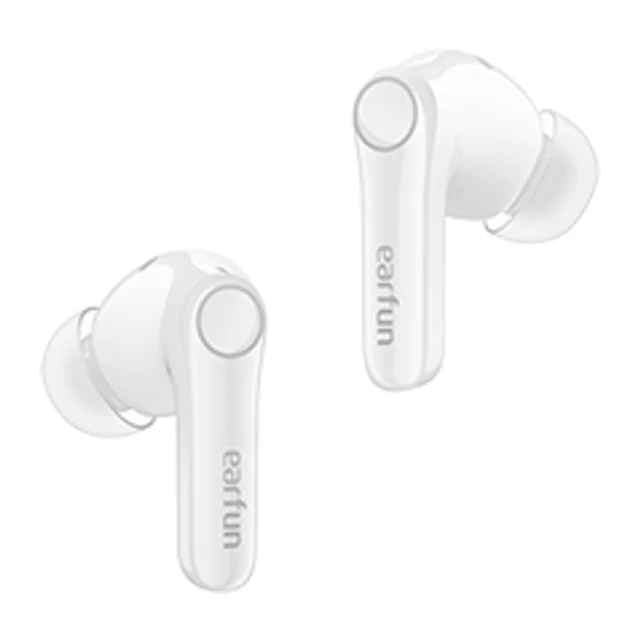
True wireless earbuds are the small in-ear buds that come in a charging case with no wire between them. This guide explains the specs and jargon so you can tell a real feature from a marketing sticker.
The 30-second version
- Fit comes first If the tips don't seal in your ears, no amount of specs will fix the sound, bass, or noise cancelling.
- ANC is variable Active noise cancelling ranges from genuinely quiet to barely noticeable, so treat it as a spectrum, not a yes/no checkbox.
- Two batteries to track The bud battery is your single listening session; the case battery is how many times you can recharge before finding an outlet.
- Codecs rarely decide it The audio codec matters less than fit, tuning, and the source you actually listen to, so don't let it drive the purchase.
- Ratings have limits An IPX water rating covers sweat and rain, not swimming, and it can fade as the seals age.
The products this guide is about
Our verdict on each, with the full reasoning on the companion review.
- Buy EarFun Air Pro 4+ The most feature-packed earbuds you can buy for the price, and a standout budget-bracket pick. Amazon
- Buy Anker Soundcore Liberty 4 NC The go-to strong-ANC bargain, routinely named the best noise cancelling you can get at a lower mid-range price. Amazon
- Buy CMF by Nothing CMF Buds 2 Plus As the budget-tier pick it delivers sound and ANC that reviewers say compete with earbuds costing twice as much. Amazon
- Skip Beats Solo Buds Reviewers flatly say steer clear: no ANC, and a charging case that can't even recharge the buds. Amazon
What actually matters
- Ear-tip fit and seal - the single biggest factor in sound, bass, and how well noise cancelling works; try the included tip sizes.
- Comfort over time - weight and shape decide whether you can wear them for a full flight or workday without ache.
- Battery reality - check both bud runtime for a single session and total case runtime for the week.
- ANC and transparency quality - how well they hush background noise, and how natural they sound when you let the world back in.
- Controls and multipoint - reliable touch or button controls, and whether they connect to two devices at once.
- Durability and rating - a sensible IPX water rating and a case that survives pockets and bags.
The specs, in plain English
Green flags vs red flags
Green flags
- Multiple ear-tip sizes in the box, ideally including foam, so you can find a real seal
- Independent use of either bud alone, so one can charge while you keep listening
- A clearly stated IPX rating matched to how you'll use them
- Multipoint pairing if you switch between a phone and computer
- USB-C charging on the case, with wireless charging as a bonus not a substitute
- Honest, separate battery figures for the buds and the case
Red flags
- Battery claims that quietly assume ANC is switched off
- No mention of ear-tip sizes or seal, which often means a one-size shell
- Big-number driver or codec specs used to distract from vague fit and comfort details
- "Noise cancelling" that turns out to be only passive isolation from the tips
- A case that cannot recharge the buds more than once before needing power
- Touch controls with no physical volume option and no app to remap them
Who's who: the brands
- Apple - AirPods are the default for iPhone users, with seamless pairing; the sealed Pro line adds ANC while the open version does not.
- Samsung - Galaxy Buds pair tightly with Samsung phones and span open and sealed designs across a range of tiers.
- Sony - Known for strong ANC and detailed tuning, with app control and codec support that appeals to particular listeners.
- Bose - Focuses on comfort and noise cancelling, with a reputation for natural transparency modes.
- Jabra - Leans toward calls and reliable controls, historically favored for work and calls over pure music.
- Sennheiser - Audio-first tuning aimed at listeners who prioritize sound character over the smallest possible case.
- Anker (Soundcore) - A value-focused brand that packs features like ANC and app EQ into lower tiers, with variable consistency.
- Nothing - Distinct transparent design and app control, generally aimed at the budget and mid-range space.
How to read a listing without getting fooled
Start with fit, because a bud that won't seal in your ear undoes every other spec on the box. Read battery claims twice and assume the headline number was measured with ANC off; the honest figure is usually lower. Treat ANC as a range from strong to token, not a simple on or off, and look for reviews that describe it in real environments like planes and offices rather than a lab. Codecs, driver size, and Bluetooth version are worth a glance but rarely decide anything for most listeners. If a listing shouts big numbers while staying vague about comfort, tip sizes, and how the buds actually sound, that silence is the real answer.
How much should you spend?
Budget earbuds now deliver clean Bluetooth, usable battery, and sometimes basic ANC, though tuning and cancelling quality vary a lot between models. Mid-range buds are where most people find the sweet spot: reliable multipoint, a solid seal with several tip options, respectable ANC, and a sturdier case. Premium buds buy you the strongest noise cancelling, the most natural transparency, better call clarity, and polished app control, but the gap over a good mid-range pair is smaller than the price gap suggests. Spend for fit, comfort, and real ANC performance rather than a longer spec list, and remember that even excellent buds are wear-and-tear items whose batteries fade over a couple of years.
Questions, answered
Do more expensive earbuds always sound better?
No. Above the budget tier, fit and tuning matter more than price. A well-sealed mid-range pair can sound better to you than pricier buds that don't fit your ears. Sound is personal, so the seal and tip fit usually decide it, not the sticker.
Is active noise cancelling worth it?
It depends on where you listen. ANC shines against steady noise like planes, trains, and office hums, and matters little in a quiet room. Quality varies widely, so judge it by real-world descriptions, not the label. A good ear-tip seal already blocks a surprising amount on its own.
What does IPX4 actually protect against?
IPX4 means the buds resist sweat and splashes from any direction, which covers workouts and light rain. It does not mean waterproof, so don't swim or shower in them. The rating can also weaken over time as seals age, so treat it as a margin, not a guarantee.
Do audio codecs like aptX or LDAC matter?
For most people, not much. Codecs affect the potential quality of the Bluetooth stream, but fit, tuning, and your source usually matter more. They help mainly if you listen to high-resolution files on a device that supports the same codec. Otherwise, don't let a codec drive your choice.
How long do wireless earbuds last?
Typically a couple of years before the small batteries noticeably weaken and hold less charge per session. All earbuds are wear items, so lifespan depends on charge cycles and heat. Buying a pair with replaceable tips and a durable case helps, but plan to replace buds eventually as the battery fades.
What is multipoint and do I need it?
Multipoint lets earbuds stay connected to two devices at once and switch automatically between them. It's genuinely useful if you move between a phone and a laptop for calls and video. If you only ever use one device, you can safely ignore this feature when choosing.
Or jump to the head-to-head: EarFun Air Pro 4+ vs Anker Soundcore Liberty 4 NC.