Explained
Fitness Trackers, Explained: What to Look For
Understand what a fitness tracker actually measures, how accurate it really is, and which numbers are safe to ignore.
In this guide
Fitness trackers estimate movement, heart rate, and sleep from sensors on your wrist. This guide explains what those estimates mean, where they're reliable, and where the marketing gets ahead of the science.
The 30-second version
- Wrist data is an estimate, not a measurement. Step counts, calories, and heart rate are calculated from motion and light sensors. They're useful for spotting trends over time, not for precise, medical-grade numbers.
- GPS type changes the device more than any single spec. Built-in GPS records your route without a phone; connected GPS borrows your phone's signal. Decide which you need before comparing anything else.
- Optical heart rate is good at rest, shakier during intervals. Wrist sensors track steady effort well but lag during sudden bursts or high-intensity intervals. A chest strap stays the accuracy benchmark if that matters to you.
- Watch the subscription paywalls. Some brands hide sleep scores, readiness ratings, and coaching behind a monthly fee. The hardware you buy may show far less on day one than the ads imply.
- Battery life and comfort decide whether you actually wear it. A tracker only helps if it's on your wrist. Days-long battery and a band you forget about beat a feature list you'll never open.
The products this guide is about
Our verdict on each, with the full reasoning on the companion review.
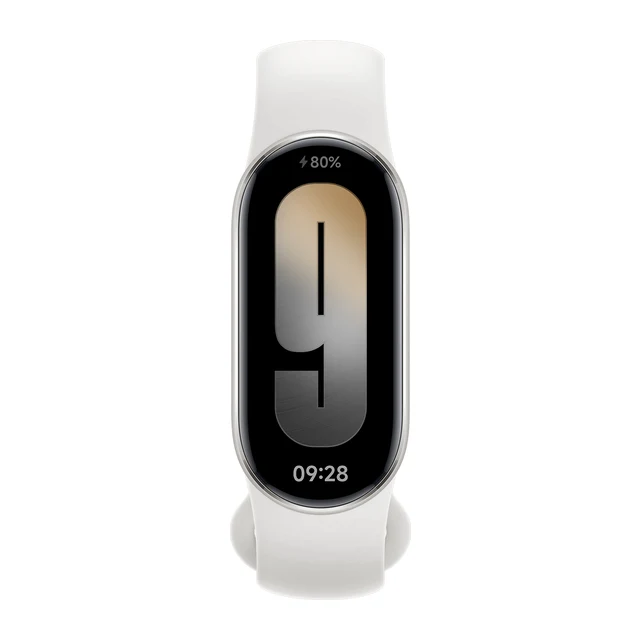
- Buy Xiaomi Smart Band 9 The best value in fitness tracking, period, with a bright color screen and battery that lasts nearly three weeks. Amazon
- Buy Fitbit Inspire 3 The most trustworthy sleep and heart-rate data at this price, if you can live with Fitbit's paywall. Amazon
- It depends Amazfit Bip 6 A giant, gorgeous screen with real onboard GPS at a mid-range price, undercut by inconsistent sensor readings. Amazon
- Skip Wyze Watch 47c Cheap and pretty, but it's a glorified pedometer that overestimates nearly everything it measures.
What actually matters
- GPS type (built-in vs connected) - Built-in GPS maps runs and rides without carrying a phone; connected GPS relies on your phone being with you. This is the single biggest fork in what a tracker can do.
- Heart rate accuracy - The optical sensor drives calorie estimates, zones, and recovery scores. It's dependable for steady cardio and resting readings, less so for stop-start efforts.
- Battery life - Real-world runtime, especially with GPS or an always-on display active, determines how often you charge and whether sleep tracking is even practical.
- Water rating - A clear 5ATM or IP rating tells you whether it survives showers, rain, and swimming. Vague 'water-resistant' claims usually mean splashes only.
- App ecosystem and paywalls - Where your data lives, how readable the app is, and which features cost extra matter more day to day than any sensor spec.
- Comfort and form factor - A slim band versus a full smartwatch affects sleep wearability, screen size, and how likely you are to keep it on 24/7.
The specs, in plain English
Green flags vs red flags
Green flags
- A specific water rating printed clearly, like 5ATM or IP68, not just 'water-resistant'
- Stated battery life that separates everyday use from GPS-on use
- Built-in GPS if you want phone-free route tracking
- A free tier that shows your core daily stats without a subscription
- A widely used, well-reviewed companion app that exports your data
- A comfortable, easily swappable band for all-day and overnight wear
Red flags
- Core features like sleep scores or heart-rate zones locked behind a required subscription
- Vague accuracy claims dressed up as medical-grade monitoring
- 'GPS' listed without saying whether it's built-in or connected
- Battery figures quoted only in a best-case mode with everything switched off
- A closed app that won't let you export or move your history elsewhere
- Marketing that leans on SpO2 or stress scores as if they were clinical readings
Who's who: the brands
- Fitbit - Long-running tracker line now owned by Google; known for approachable apps, though some metrics sit behind a premium tier.
- Garmin - Strong reputation with runners and outdoor users; wide range from simple bands to GPS-heavy multisport watches.
- Xiaomi (Mi Band / Smart Band) - Budget-focused bands with long battery life; feature depth and app polish vary by model and region.
- Amazfit - Value-oriented lineup with AMOLED screens and built-in GPS on many models; ecosystem is smaller than the big names.
- Samsung - Smartwatch-leaning devices that pair best with Android phones; more watch than minimalist band.
- Apple - Watch-first ecosystem tied to iPhone; heavier and pricier than a simple fitness band, with strong app support.
- Huawei - Bands and watches with good battery life; app availability and updates depend on your region and phone.
- Whoop - Screenless, subscription-based band aimed at recovery and strain tracking rather than everyday notifications.
How to read a listing without getting fooled
Start with how you'll actually use it: phone-free runs push you toward built-in GPS, while everyday step-and-sleep tracking doesn't. Then check the two specs people most often overlook - real battery life in the mode you'll use, and a clear water rating. Only after that should you weigh heart-rate features, sleep scores, and display type. Finally, read the fine print on the app: find out which numbers are free and which need a subscription, because that gap can quietly change what your device is worth to you.
How much should you spend?
Entry-level trackers focus on steps, basic heart rate, and notifications, often with excellent battery life but connected rather than built-in GPS. Mid-tier devices tend to add built-in GPS, brighter AMOLED screens, and richer sleep and recovery data. Premium models pile on smartwatch features, deeper sensors, and slicker apps - but some of that value is unlocked by an ongoing subscription rather than the hardware itself. More expensive doesn't automatically mean more accurate; wrist sensors share the same physical limits across tiers. Match the tier to the handful of features you'll genuinely use, not to the longest spec sheet.
Questions, answered
Are fitness tracker heart rate readings accurate?
For resting and steady cardio, wrist readings are usually close enough to be useful. Accuracy drops during high-intensity intervals or when the band is loose, because the optical sensor struggles with sudden changes and motion. A chest strap remains more reliable for precise training data.
Do I need built-in GPS?
Only if you want to map runs, rides, or walks without carrying your phone. If your phone is always with you, connected GPS records the same route using its signal. Built-in GPS costs more battery and money, so choose based on whether you exercise phone-free.
Can a fitness tracker measure sleep accurately?
It's reasonably good at estimating how long you slept, using movement and heart rate. The detailed light, deep, and REM breakdowns are educated guesses, not lab-grade measurements. Use sleep data to spot trends over weeks rather than to judge any single night precisely.
Is the SpO2 reading on my wrist reliable?
Treat it as a rough estimate, not a diagnosis. Wrist-based blood oxygen readings are affected by fit, motion, and skin contact, and these devices aren't medical equipment. They can hint at trends, but don't use them to assess a health concern without a proper device.
Why do some features need a subscription?
Several brands put advanced metrics - like readiness scores, detailed sleep analysis, or coaching - behind a monthly fee, while basic daily stats stay free. Before buying, check exactly which numbers require payment, since the free version may show less than the marketing suggests.
What water rating do I need for swimming?
Look for 5ATM, which is rated for swimming and showering. IP ratings like IPX7 usually mean splashes and rain only, not sustained submersion. If a listing just says 'water-resistant' without a specific rating, assume it's not built for swimming.
Or jump to the head-to-head: Xiaomi Smart Band 9 vs Fitbit Inspire 3.