Explained
Winter Tires, Explained
After reading, you'll understand what the symbols and numbers on a winter tire mean and how to match a tire to your roads and car.
In this guide
Winter tire shopping is confusing because the sidewall mixes symbols, letters and numbers that sound alike. M+S and the mountain snowflake look like the same promise but are not, and studless and studdable describe opposite choices. Speed ratings on winter tires are often lower than on the tires the car came with, which surprises people. This guide explains each term and what it means for grip and safety.
The 30-second version
- The mountain snowflake is the marking that matters, because it means the tire passed a severe snow traction requirement.
- Studless and studdable are a real choice, since studs help on hard ice but bring noise and legal limits.
- Tread depth is winter grip, so a tire that starts deeper keeps its snow bite for longer.
- Speed ratings on winter tires are often lower, so check the letter for your exact size.
- Fit winter tires on all four wheels, so the front and rear of the car grip evenly.
The products this guide is about
Our verdict on each, with the full reasoning on the companion review.
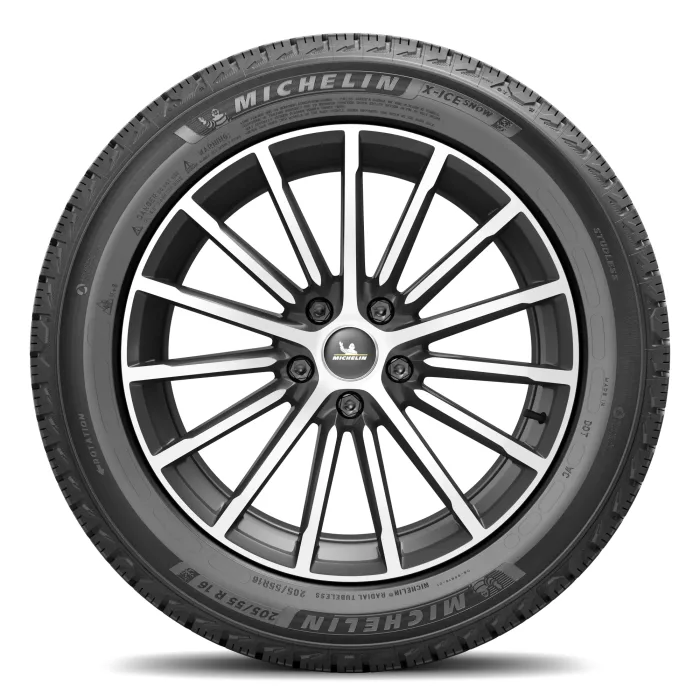
- Buy Michelin X-Ice Snow A studless 3PMSF winter tire in 123 sizes with a 40,000-mile treadwear warranty, which is rare for a dedicated winter tire.
- Buy General Tire General AltiMAX Arctic 12 A studdable, directional 3PMSF winter tire with 12/32 in of tread, T speed ratings across its listed sizes and a 45-day trial.
- It depends Nokian Tyres Hakkapeliitta R5 A Nordic non-studded tire built around ice grip, with a winter safety tread indicator, but many of its sizes are only R speed rated.
- Skip Firestone Winterforce 2 A familiar studdable 3PMSF winter tire that does the basics, but its S rating, narrow size list and Firestone's own modest scores leave it behind the General.
What actually matters
- Snow certification - The 3-Peak Mountain Snowflake shows the tire met a severe snow service requirement in a standardized test. M+S is a tread pattern label without that test.
- Ice grip - Ice is the hardest surface for any tire. Makers attack it with soft compounds, dense sipes, grip particles or studs.
- Compound - Winter rubber stays flexible in the cold where all-season rubber stiffens. That flexibility is why winter tires work below about 45°F.
- Siping - Sipes are thin slits in the tread blocks that create extra biting edges. Full-depth sipes keep working as the tire wears.
- Starting tread depth - Snow grip relies on deep tread to pack and release snow. More depth at the start means more winters of useful grip.
- Speed and load rating - These set the maximum sustained speed and the load each tire can carry. They must suit your vehicle's requirements.
- Warranty and trial - Many winter tires carry no treadwear warranty at all. A mileage warranty, trial period or road hazard cover adds real value.
The specs, in plain English
Green flags vs red flags
Green flags
- 3PMSF symbol shown on the maker's page or sidewall
- Published tread depth for your size
- Speed and load ratings that meet your car's requirements
- Your exact size on the maker's current size list
- A trial period, road hazard cover or treadwear warranty
Red flags
- Only M+S marked but sold as a winter tire
- No size or rating table from the maker
- Speed rating below what your owner's manual requires
- Old stock or very old date codes on new tires
- Buying only two tires to save money
Who's who: the brands
- Michelin - A French tire maker whose X-Ice line is its studless winter range.
- General Tire - An American tire brand whose AltiMAX and Grabber Arctic lines cover cars and trucks in winter.
- Nokian Tyres - A Finnish tire maker whose Hakkapeliitta line is its flagship winter range.
- Firestone - A Bridgestone Americas brand whose Winterforce line covers cars, SUVs and light trucks.
How to read a listing without getting fooled
Start with the markings: look for the mountain snowflake, and treat M+S on its own as a warning, not a winter rating. Then decide studless or studdable for your roads and local law. Next, open the size table and find your exact size, reading its speed rating, load index and tread depth, because these can vary within one tire line. Finally, compare what the maker promises, from treadwear warranty to trial period and road hazard cover, and confirm a dealer can get your size before winter starts.
How much should you spend?
Budget winter tires usually carry the snowflake mark and can be studded, but tend to offer fewer sizes, lower speed ratings and no treadwear warranty. Mid-range tires from major brands add deeper tread, better ratings and trial periods. Premium winter tires focus on ice grip without studs, broad size ranges including larger SUV and EV wheels, and sometimes a treadwear warranty. Larger wheel sizes raise the cost of every tier, so a second set of smaller wheels can lower the bill.
Questions, answered
When should I put winter tires on?
Many drivers fit them once daytime temperatures stay below about 45°F, which is where Michelin says its X-Ice Snow is designed to work. Waiting for the first snow risks a long wait at the shop. Take them off in spring, since soft winter rubber wears quickly in heat.
How do I store winter tires off season?
Clean them, let them dry and store them in a cool, dry place out of direct sunlight and away from heat sources. Michelin's advice adds that tires stored outdoors should be raised off the ground and covered with waterproof material. Mark which corner each came from so you can rotate them next season.
How long do winter tires last?
It depends on miles, temperatures and how deep the tread started. Nokian's Winter Safety Indicator shows a snowflake until 4 mm of tread remains, the point at which Nokian recommends new winter tires. Check depth each fall with a gauge or the tread indicator.
Do winter tires need different pressure?
Use the pressure on your car's door placard as a starting point unless the tire maker says otherwise. Cold air lowers tire pressure, so check more often in winter. A good gauge, covered in our tire pressure gauge review, makes this a quick job.
Or jump to the head-to-head: Michelin X-Ice Snow vs General Tire General AltiMAX Arctic 12.