Explained
Applicator Pads, Explained
After reading, you'll know which applicator suits wax, dressing and coating, and why they are not interchangeable.
In this guide
Applicators are the least considered purchase in detailing and one of the easier places to waste money. The pads all look alike, cost very little individually, and behave completely differently depending on a property most people never read: whether the foam cells are open or closed. On top of that sits a separate tool that is not foam at all, because ceramic coatings are applied with cloth over a block.
The 30-second version
- Cell structure decides waste, with open cell foam drinking product into the pad and tight cell holding it on the face.
- Coatings need suede, not foam, because a coating has to lay as a thin even film rather than soak into a sponge.
- One applicator per product, since a pad that has held tyre dressing will transfer silicone onto paint.
- Edges matter at the end of a pass, where a hard seam meets the panel as you tilt the pad.
- Foam washes, coating cloths are consumed, once the coating cures in the fibres, which is why they are sold in packs.
The products this guide is about
Our verdict on each, with the full reasoning on the companion review.
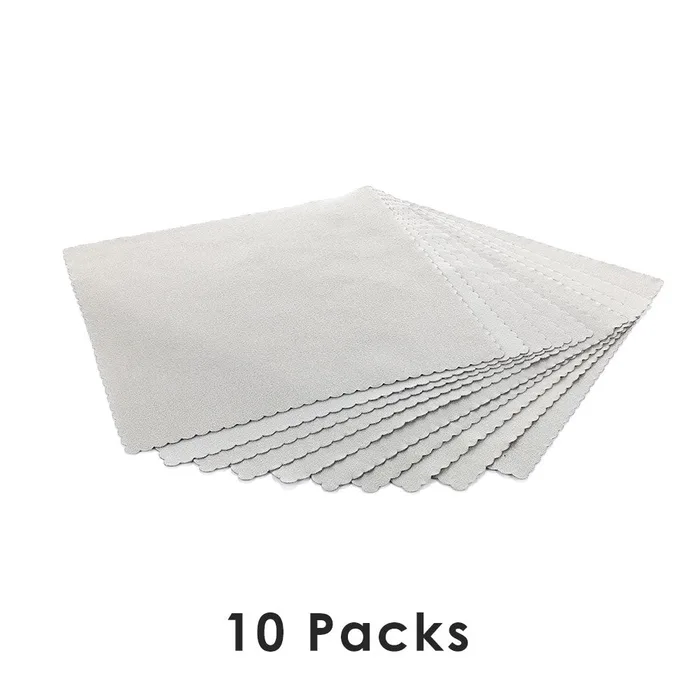
- Buy The Rag Company Buttersoft Suede Applicator Cloths Suede cloths for coatings, with dimensions, a stated fibre grade and edges that will not catch. Amazon
- Buy Meguiar's Supreme Shine Foam Applicator Pads, 4 Pack Ultra-soft tight-cell foam, which keeps wax on the paint instead of inside the pad, and it washes. Amazon
- It depends Chemical Guys Easy Grip Hex-Logic Applicator Foam on a grip base for tyre shine and dressings, where the point is keeping the product off your hand.
- Skip Turtle Wax 4 in. Premium Black Foam Applicator, 5 Pack Dense open-cell foam, which is exactly the structure that drinks an expensive product into the pad.
What actually matters
- Cell structure - open cell foam has connected pores and absorbs liquid into the body of the pad; tight or closed cell keeps product on the face. It is the property that determines how far a bottle goes.
- Material class - foam for waxes and dressings, suede or short-nap microfibre for coatings, terry or plush microfibre for some sealants. They release product at very different rates.
- Intended product - a page naming wax, dressing or coating has thought about the match. Universal claims usually mean foam being sold for jobs foam is wrong for.
- Size - typically 4 inches for hand pads and 8 inches square for coating cloths. It sets coverage per pass and how comfortably the pad sits under your fingers.
- Edge finish - tapered all-foam edges or straight-cut cloth edges will not catch on paint when the applicator tilts. Hard seams and stitched borders can.
- Grip or backing - a moulded grip keeps sticky dressings off your hand and helps on curved surfaces such as tyre sidewalls, and gets in the way on flat panels.
- Reusability - foam pads generally wash and return; coating cloths are consumed once product cures in the fibres.
The specs, in plain English
Green flags vs red flags
Green flags
- Cell structure stated as open or tight.
- The intended product named, such as wax, dressing or coating.
- Dimensions published.
- Edge construction described as tapered, all-foam or straight cut.
- A pack size matching how the tool is actually consumed.
Red flags
- Foam sold as suitable for ceramic coatings.
- No cell structure and no material detail beyond soft.
- Universal or all-purpose claims across wax, dressing and coating.
- No dimensions on a hand tool.
- A single pad sold for a job that needs several.
Who's who: the brands
- The Rag Company - Microfibre specialist, publishing fibre grade, dimensions and edge construction on its coating cloths.
- Meguiar's - States cell structure on its foam applicators, which is the property that most affects how far a bottle of wax goes.
- Chemical Guys - Broad applicator range including grip-backed pads aimed at dressings and tyre shine.
- Turtle Wax - Mass-market foam multipacks that state open cell construction and tapered all-foam edges.
- P&S Detail Products - Professional supply brand. Check its product pages for dedicated coating towels.
How to read a listing without getting fooled
Find out what the applicator is made of at a level below the word foam. If the page says tight cell or closed cell, it will keep product on the face and suit wax and polish. If it says open cell, it will absorb, which is fine for cheap wax and wasteful with anything else. If it is suede or short-nap microfibre, it is a coating tool. Then read what product the page names, and be suspicious of anything claiming to suit all of them. Check for dimensions and for how the edges are finished, since the edge is what meets the paint when you tilt the pad. Finally look at the pack size against how the tool is consumed: coating cloths go in the bin after a job, foam pads wash and come back.
How much should you spend?
Applicators cost very little and the money they waste is somebody else's product. An open cell foam pad used with a small bottle of ceramic coating can absorb enough to matter against the price of the coating itself, which makes the correct cloth the cheapest saving available in detailing. Budget foam multipacks are genuinely fine for wax. Mid-range buys stated cell structure, published dimensions and coating-specific cloths, and that is where to shop if you own anything expensive to apply. The discipline worth more than any of it is one applicator per product, which costs very little and prevents dressing silicone ending up on your paint.
Questions, answered
Can I use a microfibre towel instead of an applicator?
For a coating, a short-nap suede or coating cloth over a block is close to that and is the correct approach. For wax and polish a plush towel is the wrong tool, because deep pile absorbs product and gives it back unevenly, which is exactly what a tight-cell foam pad avoids. Use the towel for removal and the pad for application, which is what each is designed for.
How do I wash foam applicators?
Warm water, a plain detergent, no fabric softener and no bleach, exactly as with microfibre. Squeeze rather than wring so the foam does not tear, and let them dry fully before storing, because a damp pad in a drawer grows things. Keep wax pads separate from dressing pads in the wash as well as in use, since silicone transfers readily in a machine.
Why did my coating leave streaks?
Usually the applicator or the timing rather than the coating. A foam pad releases coating unevenly and absorbs some of it, which produces thin and thick areas that cure as high spots. Leaving it past the flash time makes levelling difficult. Use a suede cloth over a block, apply in overlapping cross-hatch passes, and buff off within the window the manufacturer states with a clean short-nap towel.
Do I really need a separate applicator for tyre dressing?
Yes, and it is the one people skip. Tyre dressings are typically silicone-based, and silicone transfers readily from foam to paint where it causes adhesion problems for anything applied afterwards, including wax and coatings. It also creates fisheyes if the panel is later polished or painted. A dedicated grip pad kept only for tyres costs almost nothing and largely removes the problem.
Or jump to the head-to-head: The Rag Company Buttersoft Suede Applicator Cloths vs Meguiar's Supreme Shine Foam Applicator Pads, 4 Pack.