

Automotive
The Best Winter Tires: 4 Compared (and One to Skip)
We compared four winter tires on snow and ice markings, stud options, tread depth, speed ratings, size range and warranty, using each maker's own pages and spec sheets.
The short version
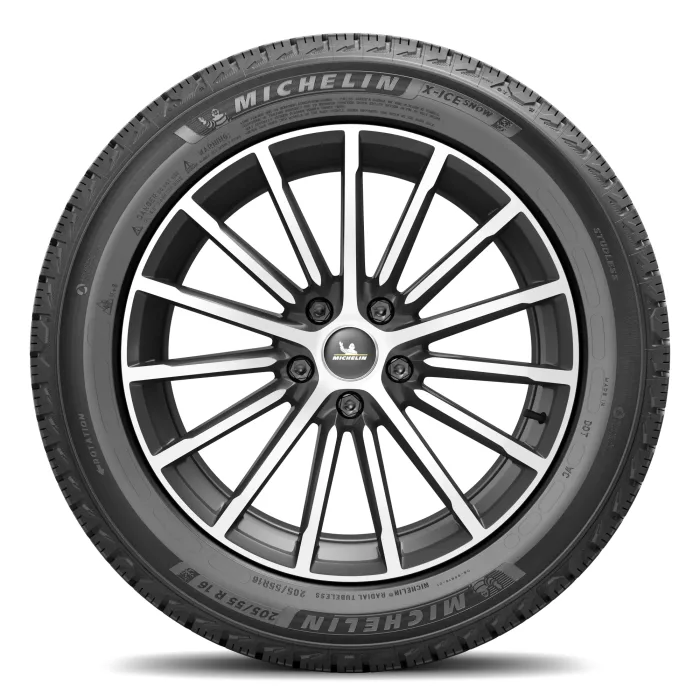
The Michelin X-Ice Snow is the best overall: studless, 3PMSF and Ice Grip marked, available in 123 sizes and backed by a 40,000-mile treadwear warranty. The General AltiMAX Arctic 12 is the value pick, a studdable 3PMSF tire with 12/32 in of tread, T speed ratings across its listed sizes and a 45-day trial. The Nokian Tyres Hakkapeliitta R5 suits drivers in long, icy northern winters who want a non-studded ice specialist, but many sizes are only R rated. Skip the Firestone Winterforce 2: it is S rated in every size, stops at 18 in, has no mileage warranty, and Firestone's own chart scores it modestly. Best for: Michelin if you want one tire for years of mixed winter roads, General if you want good winter grip and a stud option for less.
Our picks at a glance
- Michelin X-Ice Snow - Buy. A studless 3PMSF winter tire in 123 sizes with a 40,000-mile treadwear warranty, which is rare for a dedicated winter tire.
- General Tire General AltiMAX Arctic 12 - Buy. A studdable, directional 3PMSF winter tire with 12/32 in of tread, T speed ratings across its listed sizes and a 45-day trial.
- Nokian Tyres Hakkapeliitta R5 - It depends. A Nordic non-studded tire built around ice grip, with a winter safety tread indicator, but many of its sizes are only R speed rated.
- Firestone Winterforce 2 - Skip. A familiar studdable 3PMSF winter tire that does the basics, but its S rating, narrow size list and Firestone's own modest scores leave it behind the General.
The verdict in 30 seconds
What mattered most
- Snow marking (maker page)
- Ice marking (maker page)
- Studs
- Tread depth (new)
- Speed rating
- Size range
A winter tire does its work below about 45°F, where an all-season compound stiffens and loses grip, and the difference shows most when you need to stop on snow or ice. The useful facts are on the maker's spec sheet: whether it carries the 3PMSF snowflake, whether it can take studs, how deep the tread starts and what speed rating your size carries. We compared a premium studless tire with a treadwear warranty, a studdable value tire, a Nordic ice specialist and a familiar studdable tire many shops still fit.
A studless 3PMSF winter tire in 123 sizes with a 40,000-mile treadwear warranty, which is rare for a dedicated winter tire.
Best for: Drivers who want one studless winter tire to fit almost any car and expect it to last several winters, with a warranty that says so.
- Michelin's page shows both the 3PMSF mark and its Ice Grip label, and the tire is designed studless, so there are no stud rules or stud noise to deal with.
- Backed by a 40,000-mile treadwear warranty under the Michelin Promise Plan, which also includes a 60-day satisfaction guarantee; none of the other three lists a treadwear warranty.
- Michelin says it comes in 123 sizes for sedans, crossovers, SUVs, pickups and EVs, so it is likely to fit whatever you drive.
- It is the most expensive way into a good winter tire here.
- Michelin's FAQ gives an average tread depth of 10/32 in, shallower than the 12/32 in the General and Firestone flyers list.
- It cannot be studded, so drivers who face sheet ice on untreated roads every day get no stud option.
- Michelin's braking and traction claims against rivals come from its own commissioned tests, which you cannot check independently.
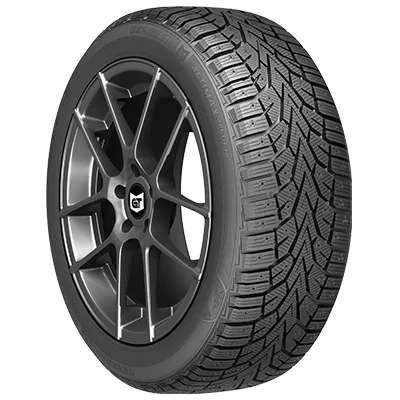
A studdable, directional 3PMSF winter tire with 12/32 in of tread, T speed ratings across its listed sizes and a 45-day trial.
Best for: Budget-minded drivers of cars and small crossovers who want a capable 3PMSF tire and the option of studs.
- General's spec flyer says it meets the USTMA and TRAC severe snow service requirements, the standard behind the 3PMSF symbol shown on the product page.
- Pinned for studs (11 mm stud length, TSMI #12 for metric sizes), so you can add studs for ice where your state allows it or run it unstudded.
- The flyer lists 46 sizes from 14 to 19 in, all T speed rated (118 mph), XL load and 12/32 in of tread, with a 45-day trial and 12 months of road hazard coverage.
- No treadwear mileage warranty is listed on the product page.
- The size flyer linked from the product page dates from the tire's launch, so confirm your size with a dealer before planning on it.
- It stops at 19 in, with a single 19 in size, so larger SUV and EV wheels need a different tire.
- Studs, if you add them, bring noise and legal date limits in many states.
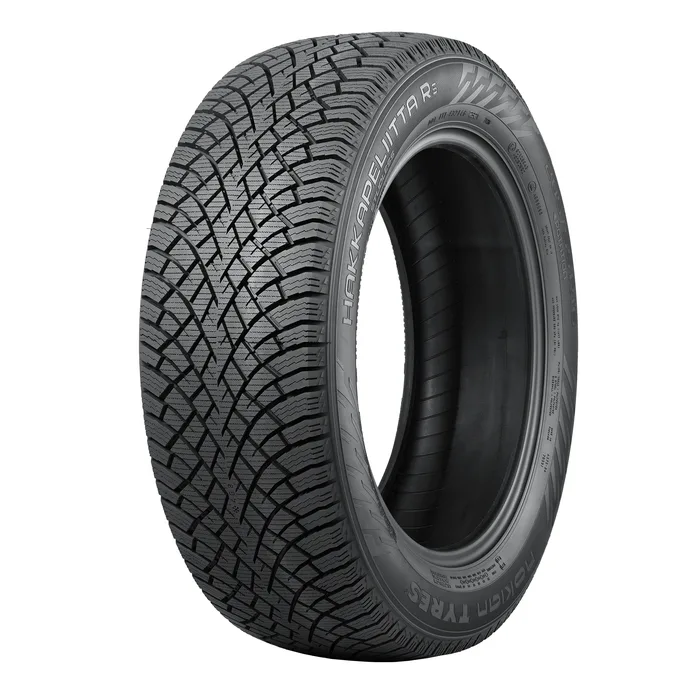
A Nordic non-studded tire built around ice grip, with a winter safety tread indicator, but many of its sizes are only R speed rated.
Best for: Drivers in long, icy northern winters who rarely drive fast on highways and want the strongest ice focus without studs.
- Nokian's page shows its snowflake winter-use symbol ('officially approved for winter use') and an ice grip symbol ('certified braking on icy surfaces').
- Arctic Grip Crystals in the compound are designed to keep creating biting edges as the tire wears, and the Winter Safety Indicator shows remaining tread in millimeters, with a snowflake that disappears at 4 mm.
- Sizes run from 14 to 20 in rims, and Nokian recommends it for EVs and hybrids, with a 30-day satisfaction guarantee.
- Of the 57 sizes Nokian lists, 31 are R rated (106 mph) and one is Q rated (99 mph), below the T rating on every listed General size.
- It is non-studded only, and priced at the top of the market.
- Nokian lists no treadwear mileage warranty on the product page.
- Nokian does not publish a starting tread depth on the product page, so you cannot compare it directly with the others.
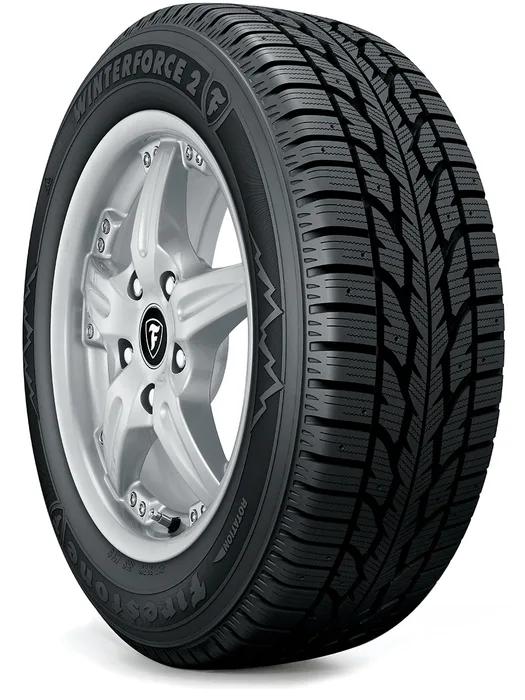
A familiar studdable 3PMSF winter tire that does the basics, but its S rating, narrow size list and Firestone's own modest scores leave it behind the General.
Best for: Only a driver whose local shop has it in stock in their exact size when the General is unavailable.
- Carries the 3-Peak Mountain Snowflake designation and is pinned for #11 studs, according to Firestone.
- Firestone lists 12/32 to 13/32 in of tread depth across its sizes.
- Firestone's page includes a dealer locator and partner retailers, so stock in your size is easy to check.
- Every size listed is S speed rated (112 mph), below the T rating on all listed General AltiMAX Arctic 12 sizes.
- Firestone's own performance chart scores it 6 for snow and ice and 4 for dry grip, wet grip, quiet ride and tread life.
- Firestone lists the limited mileage warranty as N/A, and the size list stops at 18 in with 31 sizes.
- SUV drivers are pointed to a separate Winterforce 2 UV model.
| Criteria | Michelin X-Ice Snow Top pick | General AltiMAX Arctic 12 | Nokian Tyres Hakkapeliitta R5 | Firestone Winterforce 2 |
|---|---|---|---|---|
| Verdict | Buy it | Buy it | It depends | Skip it |
| Best for | Drivers who want one studless winter tire to fit almost any car and expect it to last several winters, with a warranty that says so. | Budget-minded drivers of cars and small crossovers who want a capable 3PMSF tire and the option of studs. | Drivers in long, icy northern winters who rarely drive fast on highways and want the strongest ice focus without studs. | Only a driver whose local shop has it in stock in their exact size when the General is unavailable. |
| Price tier | $$$ · premium | $$ · mid-range | $$$ · premium | $$ · mid-range |
| Snow marking (maker page) | 3PMSF | 3PMSF (USTMA/TRAC severe snow) | Snowflake symbol shown | 3PMSF |
| Ice marking (maker page) | Ice Grip label | None listed | Ice grip symbol | None listed |
| Studs | Studless | Studdable (11 mm, TSMI #12) | Non-studded | Studdable (#11) |
| Tread depth (new) | 10/32 in average | 12/32 in | Not listed | 12/32 to 13/32 in |
| Speed rating | Varies by size | T (118 mph), all listed sizes | R or T by size (one Q) | S (112 mph), all sizes |
| Size range | 123 sizes | 46 sizes, 14 to 19 in | 14 to 20 in | 31 sizes, 14 to 18 in |
| Treadwear warranty | 40,000 miles | None listed | None listed | N/A |
| Trial or guarantee | 60-day satisfaction guarantee | 45-day trial | 30-day satisfaction guarantee | Not listed |
Which one is right for you?
- Drivers who want one studless winter tire to fit almost any car and expect it to last several winters, with a warranty that says so. Buy it Michelin X-Ice Snow
- Budget-minded drivers of cars and small crossovers who want a capable 3PMSF tire and the option of studs. Buy it General Tire General AltiMAX Arctic 12
- Drivers in long, icy northern winters who rarely drive fast on highways and want the strongest ice focus without studs. It depends Nokian Tyres Hakkapeliitta R5
- Only a driver whose local shop has it in stock in their exact size when the General is unavailable. Skip it Firestone Winterforce 2
How we judged the field
Five things separate winter tires. First is the snow marking: the 3-Peak Mountain Snowflake shows a tire met a severe snow traction requirement, while M+S alone does not. Second is ice, where makers use compound tricks, dense siping or studs, and some show a separate ice grip symbol. Third is starting tread depth, since winter grip falls off as the tread wears. Fourth is the speed rating and size range for your car. Fifth is what the maker promises: a treadwear warranty, a trial period or road hazard cover.
The field splits into studless tires that lean on compound and sipes, studdable tires that give you the option of metal studs for ice, and Nordic tires tuned for long, icy winters. We picked Michelin’s X-Ice Snow as a widely sized studless tire with a warranty, General’s AltiMAX Arctic 12 as a studdable value option, Nokian’s Hakkapeliitta R5 as the Nordic ice specialist, and Firestone’s Winterforce 2 because it is a familiar studdable tire many shops fit. Every rating, symbol and size claim below is from the maker’s own page or spec sheet. For the rest of a winter car kit, see our tire chain, tire pressure gauge, wiper blade and ice scraper reviews.
The Michelin X-Ice Snow is a studless winter tire that Michelin describes as designed for CUVs, SUVs, pickups, sedans and electric vehicles, and its product page shows both the 3PMSF and Ice Grip markings. Grip comes from two types of full-depth 3D sipes that Michelin says keep biting edges as the tire wears. The figure that sets it apart is the 40,000-mile treadwear warranty: none of the other three lists one, and most winter tires do not carry any. Michelin also offers a 60-day satisfaction guarantee and quotes 123 sizes, the broadest range here. The trade-offs are cost and starting depth: Michelin’s FAQ gives an average new tread depth of 10/32 in, shallower than the 12/32 in General lists, and it cannot be studded. Michelin’s comparisons against rival tires come from tests it commissioned, so read them as maker claims. Buy it if you want a studless tire to cover several winters on almost any car.
The General AltiMAX Arctic 12 is a directional winter tire for passenger cars and crossovers. The product page shows the 3-Peak Mountain Snowflake, and General’s spec flyer states it meets the USTMA and TRAC severe snow service requirements. It is pinned for studs, with an 11 mm stud length (TSMI #12) for metric sizes, so you can run it bare or add studs where your state allows. The flyer lists 46 sizes from 14 to 19 in, every one T rated (118 mph), XL load range and 12/32 in of starting tread, the joint deepest here with Firestone. General backs it with a 45-day trial and 12 months of road hazard coverage, but no treadwear mileage warranty. The flyer is from the tire’s launch, so confirm your size is still made. Larger SUV and EV wheels are mostly out of range. Buy it if you want strong winter grip and a stud option for a lot less than the premium pair.
The Nokian Tyres Hakkapeliitta R5 comes from a Finnish maker, and it is built around ice. Nokian’s page shows its snowflake winter symbol, labelled ‘officially approved for winter use’, and an ice grip symbol labelled ‘certified braking on icy surfaces’. Arctic Grip Crystals in the rubber are designed to work like built-in studs, emerging as the tire wears, and the Winter Safety Indicator in the tread shows remaining depth in millimeters, with a snowflake that wears away at 4 mm, the point where Nokian recommends replacing it. Sizes span 14 to 20 in rims and Nokian recommends it for EVs. The catches: 31 of the 57 listed sizes are R rated (106 mph) and one is Q rated, it is non-studded only, it sits at the top of the price range, and Nokian lists no starting tread depth. It suits drivers facing long, icy winters at moderate speeds. For mixed highway driving, the Michelin is the safer all-round bet.
The Firestone Winterforce 2 is a studdable winter tire for sedans and minivans that many tire shops still fit, and on paper it covers the basics: Firestone says it carries the 3-Peak Mountain Snowflake designation and is pinned for #11 studs, with 12/32 to 13/32 in of starting tread. The problem is what it gives up next to the General AltiMAX Arctic 12, which does the same studdable job. Every Winterforce 2 size is S rated (112 mph), against T on every listed General size. The size list stops at 18 in with 31 sizes, and Firestone lists the limited mileage warranty as N/A. Firestone’s own performance chart scores it 6 for snow and ice and 4 for dry grip, wet grip, quiet ride and tread life, which is modest for a tire you rely on all winter. SUV drivers are sent to a separate UV model. Unless it is the only winter tire your shop has in your size, buy the General instead.
Michelin X-Ice Snow vs General Tire General AltiMAX Arctic 12: which should you buy?
The Michelin X-Ice Snow and General AltiMAX Arctic 12 both carry the 3PMSF mark and both are good winter tires, but they are built for different buyers. The Michelin is studless, comes in 123 sizes and is the only tire here with a treadwear warranty, 40,000 miles, plus Michelin’s Ice Grip marking. The General starts with deeper tread, 12/32 in against an average 10/32 in, is T rated across its listed sizes, can be studded, and costs considerably less.
Pick the Michelin if you drive a newer crossover, SUV or EV with larger wheels, cover a lot of winter miles, or want a warranty that backs several seasons of use. Pick the General if you drive a car or small crossover on wheels up to 19 in, want the most winter capability for the money, or face icy roads where studs are legal and worth having. Either way, fit four and check pressures often, since cold air drops tire pressure.
What to look for
- 3PMSF symbol: Look for the mountain snowflake on the maker’s page or sidewall, since M+S alone does not mean the tire passed a snow test.
- Stud option: Decide whether you need studs for ice and whether your state allows them before choosing a studdable or studless tire.
- Starting tread depth: Deeper tread, such as 12/32 in, gives more snow bite and more usable winter life.
- Speed rating for your size: Check the letter for the exact size you need, since ratings can vary within one tire line.
- Exact size availability: Confirm your size on the maker’s current size list rather than assuming the whole line fits.
- Warranty and trial: Compare treadwear warranties, trial periods and road hazard cover, since many winter tires carry no mileage warranty.
Our final take
For most drivers who need real winter tires, the Michelin X-Ice Snow is the one to buy: studless, 3PMSF and Ice Grip marked, offered in 123 sizes and backed by a 40,000-mile treadwear warranty. If you want to spend less, the General AltiMAX Arctic 12 gives you the same snow marking, deeper starting tread, T ratings and a stud option. The Nokian Hakkapeliitta R5 is worth it for long, icy northern winters at moderate speeds. Skip the Firestone Winterforce 2 unless it is the only option in your size. Fit four, swap them on before the first hard frost, and keep a gauge in the glovebox.
Questions, answered
Do I really need winter tires if I have all-wheel drive?
All-wheel drive helps you get moving, but it does nothing for stopping or turning, which depend on tire grip. Winter tires use a compound that stays flexible in the cold and tread with many sipes that bite into snow and ice. Michelin, for example, describes the X-Ice Snow as a dedicated winter tire for temperatures below 45°F. If your winters bring regular snow, ice or long stretches below freezing, winter tires are worth it on any drivetrain.
What is the difference between 3PMSF and M+S?
M+S (mud and snow) is a tread pattern marking that does not require a snow traction test. The 3-Peak Mountain Snowflake symbol means the tire met a severe snow service requirement in a standardized snow traction test; General's flyer cites the USTMA and TRAC requirements. All four tires here show a snowflake winter symbol on the maker's page. When you shop, treat the snowflake as the minimum for a winter tire.
Studded or studless: which should I choose?
Studs bite into hard ice better than rubber alone, but they are noisier, wear roads, and many states limit when or whether you can use them. Studless tires like the Michelin X-Ice Snow and Nokian Hakkapeliitta R5 rely on compound and siping instead. The General AltiMAX Arctic 12 and Firestone Winterforce 2 can be run either way. Check your state's rules and dates before buying studs.
Should I put winter tires on all four wheels?
Yes. Fitting winter tires on only one axle leaves the other end of the car with much less grip, which can make it spin or slide wide in a turn or under braking. Buying four also keeps wear even when you rotate them. A second set of wheels makes the seasonal swap cheaper and quicker.
What does a lower speed rating mean for me?
The speed rating is the maximum sustained speed the tire is rated for: R is 106 mph, S is 112 mph and T is 118 mph. Winter tires often carry lower ratings than the summer or all-season tires a car came with. Michelin's legal notes say a car's maximum speed is limited to that of its lowest rated tire. For normal winter driving any of these is fine, but check your owner's manual if your car specifies a minimum rating.
Deciding between the top two? See our head-to-head: Michelin X-Ice Snow vs General Tire General AltiMAX Arctic 12.
More Automotive reviews
 The Best Wireless CarPlay Adapters: 4 Compared (and One to Skip)
  The Best Car Wax: 4 Compared (and One to Skip)
  The Best Dual Action Polishers: 4 Compared (and One to Skip)
  The Best Microfiber Towels for Car Detailing: 4 Compared (and One to Skip)
  The Best Windshield Wiper Blades: 4 Compared (and One to Skip)
  The Best All Purpose Cleaners: 4 Compared (and One to Skip)