

Explained
Windshield Sun Shades, Explained
After reading, you'll know which sun shade style fits your car, which materials actually block heat, and how to size one correctly the first time.
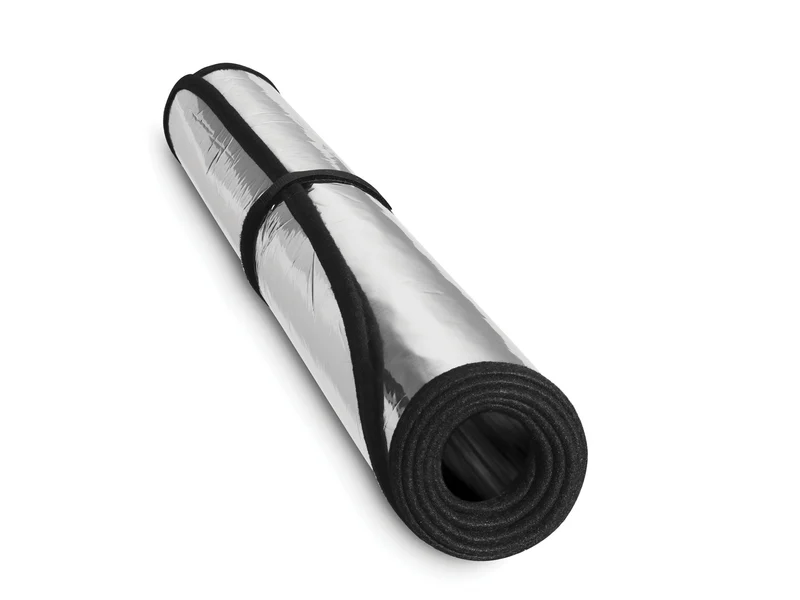
In this guide
A windshield sun shade is one of the cheapest ways to keep a parked car's dash, wheel, and seats from baking in summer, but the category is noisier than it looks. Shades range from tailored custom-cut panels to universal accordions and floppy pop-up bubbles, and the two things that trip buyers up most are fit (a shade that leaves the corners exposed lets heat pour in) and material (thin fabric mostly cuts glare, while foil-and-foam builds actually block heat).
The 30-second version
- Fit beats everything. A shade that doesn't reach the corners lets heat in no matter how good the material is, so measuring or buying custom matters more than the brand name.
- Material decides heat blocking. Reflective foil over an insulating layer (bubble film or foam) blocks real heat, while single-layer nylon or polyester mostly cuts glare and UV.
- Style is a storage-vs-fit trade-off. Pop-up bubbles pack smallest, accordions fold flat and deploy fast, and custom foam panels fit tightest but take up the most room.
- Reversible is a bonus, not a must. A summer-reflective/winter-dark two-sided design earns its keep only if you also fight frost in cold months.
- Size up, not down. A slightly large shade overlaps the edges and still works, while a too-small one leaves glass exposed and defeats the purpose.
What actually matters
- Fit and coverage — the shade has to reach the glass edges and corners; gaps are where heat sneaks in, so custom-cut or a correctly sized universal wins here.
- Material and reflectivity — a reflective foil or metalized face bounces sunlight back out, and an insulating layer behind it slows whatever heat gets through; this is the single biggest driver of how cool your dash stays.
- Style vs. storage — accordion, pop-up bubble, retractable, and rigid custom panels each pack down differently; pick one that suits the space you have and how often you'll deploy it.
- Ease of one-person install — a shade you can open and wedge in place in seconds gets used daily; a fiddly one ends up abandoned in the trunk.
- Sun-visor retention — many universal shades rely on flipping your visors down to pin the top edge; if a shade has nothing holding it up, it tends to sag or bow.
- Durability — pleats that crease, thin laminates that take a set, and spring frames that wear all shorten a shade's life, so build quality matters if you want it to last several seasons.
- Year-round usefulness — a reversible design adds winter frost help, which may or may not matter depending on your climate.
The specs, in plain English
Green flags vs red flags
Green flags
- A reflective foil or metalized face backed by an insulating layer (bubble film or foam), not just a single layer of fabric
- A clear size chart with actual width and height measurements so you can match your windshield rather than guessing by vehicle class
- Coverage that reaches the corners — custom-cut, or a universal offered in enough sizes to fit closely
- A firm edge, foam core, or visor-retention design that keeps the shade from sagging onto the dash
- Simple one-person deployment and a strap or pouch that makes it easy to fold back down
- A meaningful warranty or consistent owner reports of it lasting multiple seasons without creasing or fading
Red flags
- Vague heat claims with no mention of a reflective layer or insulation — often a sign of thin, single-layer fabric
- One-size-fits-all with no measurements, which usually means loose fit and exposed corners
- A round bubble shape sold for square windshields, leaving triangular gaps at the corners
- Reviews mentioning the shade sags, bows, or won't stay up without something holding it
- A spring frame that owners say is fiddly to twist back into its bag
- Premium pricing for a thin panel with no reversibility or durability advantage over cheaper options
Who's who: the brands
- WeatherTech - Known for custom-cut, foam-core shades tailored to specific vehicles, often reversible for winter use.
- EcoNour - Popular value maker of universal foil-and-bubble accordion shades sold across a wide range of sizes.
- Coverking - Offers custom-fit reflective panels with a soft felt backing that fold flatter than rigid foam shades.
- A1 Shades - Makes pop-up bubble shades prized for compact storage, with universal sizing.
How to read a listing without getting fooled
When you read a listing, separate the marketing from the two facts that matter: what the shade is made of and how it's sized. Look past phrases like 'blocks 99% of UV' (almost any shade does that) and hunt for the construction — a reflective foil or metalized face over an insulating bubble or foam layer is what actually keeps a dash cool, while 'lightweight polyester' or a single nylon layer usually means glare protection more than heat protection. Then check the sizing: a good listing gives real width and height measurements or a size chart, not just 'fits most cars.' If it's a universal shade, note whether it comes in multiple sizes and whether the shape (rectangular accordion vs. round bubble) will actually reach your windshield's corners. Photos help too — see whether the shade is shown wedged in tight or drooping. Finally, scan owner reports for the recurring complaints (sagging, creasing, a fiddly fold) that a spec sheet won't tell you.
How much should you spend?
You don't need to spend much to get most of the benefit. A well-made universal accordion with a reflective foil-and-bubble build blocks the large majority of the heat that a premium custom shade does, for a small fraction of the outlay — which is why the value sweet spot sits with a correctly sized universal shade rather than the cheapest thin-fabric option or the priciest tailored panel. Spending more makes sense in specific cases: you keep a car for years and want a corner-to-corner custom fit, you deal with hard winters and want a reversible frost side, or you want a foam-core shade sturdy enough to never slump. Spending up buys fit, longevity, and convenience — not dramatically more heat blocking. Going too cheap, on the other hand, usually means single-layer fabric that cuts glare but lets the cabin bake, so the bottom of the range is the place to be cautious, not the middle.
Questions, answered
Do windshield sun shades actually keep a car cooler?
Yes. Independent testing and owner reports consistently show a parked car's dash, wheel, and cabin air run meaningfully cooler with a reflective shade than without one. The effect is biggest with foil-and-bubble or foam-core shades that cover the glass edge to edge; thin single-layer fabric helps less.
Custom-fit or universal — which should I get?
A custom-fit shade is cut to your exact windshield, so it covers the corners and stays put, but it costs more and fits only one vehicle. A universal accordion is far cheaper, fits many cars, and blocks most of the heat as long as you buy the right size and accept small gaps at curved edges. For most drivers, a correctly sized universal is the sensible choice.
How do I pick the right size for a universal shade?
Measure your windshield's width at its widest point and its height at its tallest point, then match those numbers to the maker's size chart rather than guessing by vehicle class. It's better to be slightly large — the shade can overlap the edges — than too small, which leaves glass exposed. SUVs, trucks, and vans usually need the larger sizes.
Which side faces out, the shiny one or the dark one?
The reflective (silver) side faces out toward the glass so it bounces sunlight away before it enters the cabin. Reversible shades add a dark side you can flip outward in winter to help absorb sun and reduce frost. On a one-sided shade, always put the shiny surface toward the sun.
Will a sun shade stay up on its own?
Most universal shades rely on your flipped-down sun visors to pin the top edge, plus a firm bottom edge wedged against the dash. Foam-core and custom shades hold their shape best; thin or floppy ones tend to sag or bow without something holding them. If a shade keeps slumping, it's usually too small or too flimsy for the windshield.
How long should a sun shade last?
A good one lasts several seasons of daily use. The usual failure points are accordion pleats creasing, thin laminate panels taking a permanent bend, foil delaminating, and spring frames wearing out. Storing it folded rather than crammed, and buying a build with a real warranty or strong durability reports, both help it last.
Related guides
 Backup Cameras After reading, you'll understand every choice that matters when adding a reversing camera to a car that never had one — and which specs are just noise.
  Car Battery Chargers After reading this you'll know the difference between a charger and a maintainer, how many amps you actually need, and which specs are safety non-negotiables.
  Car Covers After reading this you will know which type of car cover fits where your car actually sleeps, and why chasing the word waterproof usually backfires.
 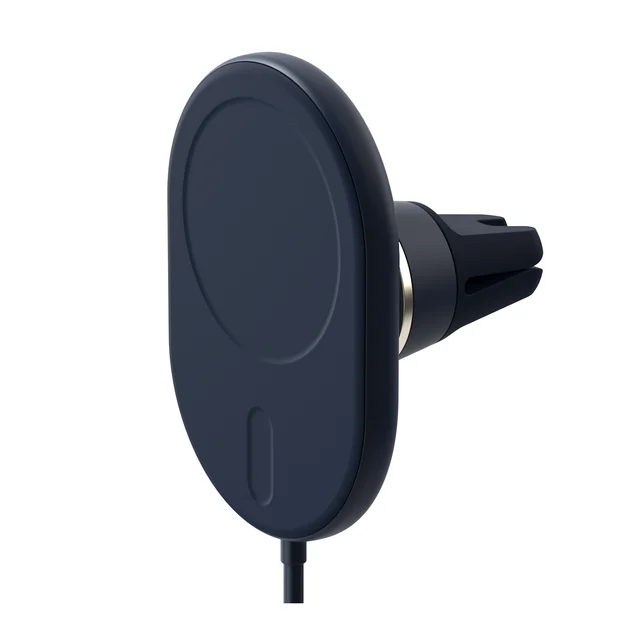 Car Phone Mounts After reading this, you'll know which mount attachment style and grip mechanism fits your car and phone, and which spec-sheet claims to trust.
 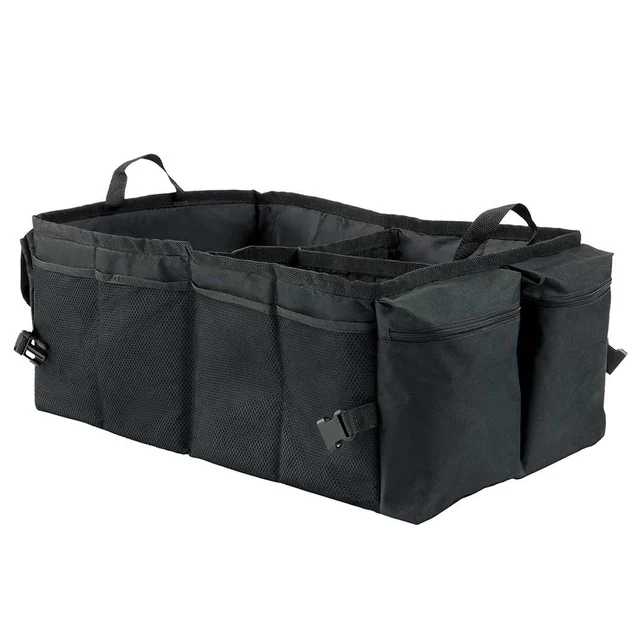 Car Seat Organizers After reading, you'll know which type of car organizer fits your clutter, and how to spot the specs that keep it upright, anchored, and easy to clean.
 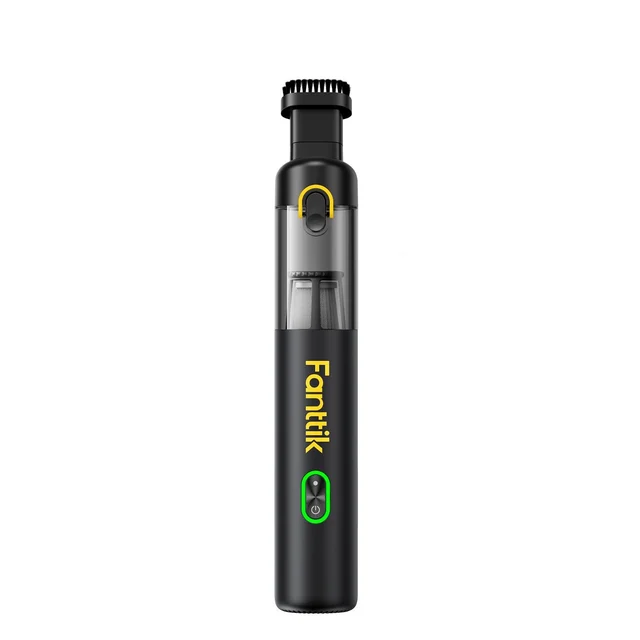 Car Vacuums After reading this you will know which car-vacuum numbers describe real cleaning power and which are marketing, so you can match the tool to how you actually clean.