

Automotive
The Best Windshield Sun Shades: 4 Compared (and One to Skip)
We compared four windshield sun shades across custom-fit, accordion, and pop-up styles on heat blocking, fit, ease of use, and storage.
The short version
Windshield sun shades split into custom-fit panels, universal accordions, and pop-up bubbles, and the differences show up fast on a hot day. The WeatherTech TechShade is the best overall: a custom-cut, foam-core shade that covers edge to edge, flips for winter, and carries a lifetime warranty. The EcoNour accordion is the value champ, blocking heat with a reflective foil-and-bubble build for budget money. Coverking's custom sunshield is a fine middle path if you want an exact fit that still folds flat, but it charges premium prices for one window. The A1 Shades pop-up stores tiny but fits loosely and blocks less heat, so we'd skip it. Best for: keeping a parked car livable in summer without overthinking it — buy the EcoNour if you want value, the WeatherTech if you want the best.
The verdict in 30 seconds
What mattered most
- Fit approach
- Style
- Material / heat block
- Ease of use
- Storage
- Year-round / reversible
A good windshield sun shade is the cheapest way to keep a parked car's dash, wheel, and seats from becoming untouchable in summer. But they range from tailored custom-fit panels to universal accordions and floppy pop-up bubbles, and the gap between the best and the worst is real. We synthesized independent testing and owner reports to sort four popular 2026 options: two we'd buy, one that only makes sense for specific buyers, and one we'd pass on.
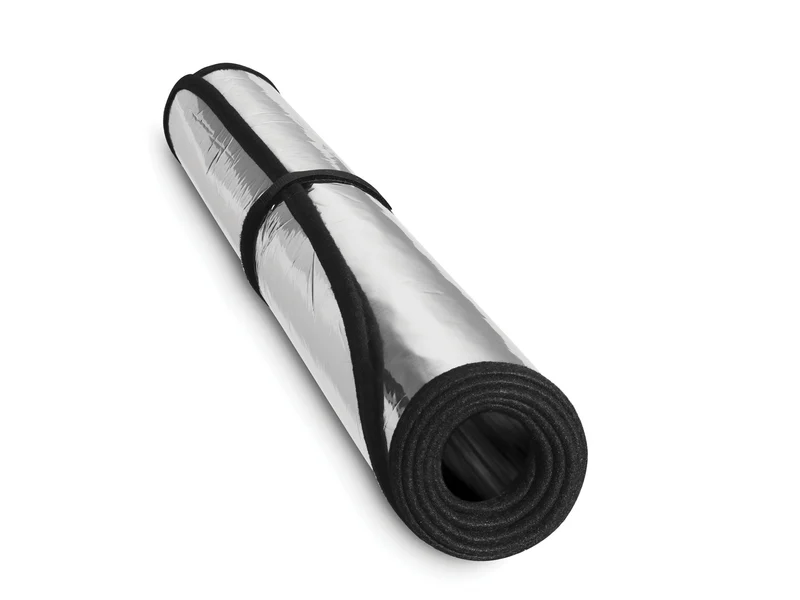
A custom-cut, foam-core shade that fits edge to edge, flips for winter, and is built to last.
Best for: Owners who keep a car for years and want the best fit, coverage, and durability regardless of price.
- Cut to your exact windshield, so it covers corners universal shades leave exposed
- Firm foam core holds its shape and stays put instead of flopping down
- Reversible: reflective side for summer heat, dark side to help fight winter frost
- Rolls up with a hook-and-loop strap and is backed by a limited lifetime warranty
- Costs several times what a universal shade does
- Rolled up it is bulkier than a twist-fold pop-up
- You must order the specific version for your year, make, and model
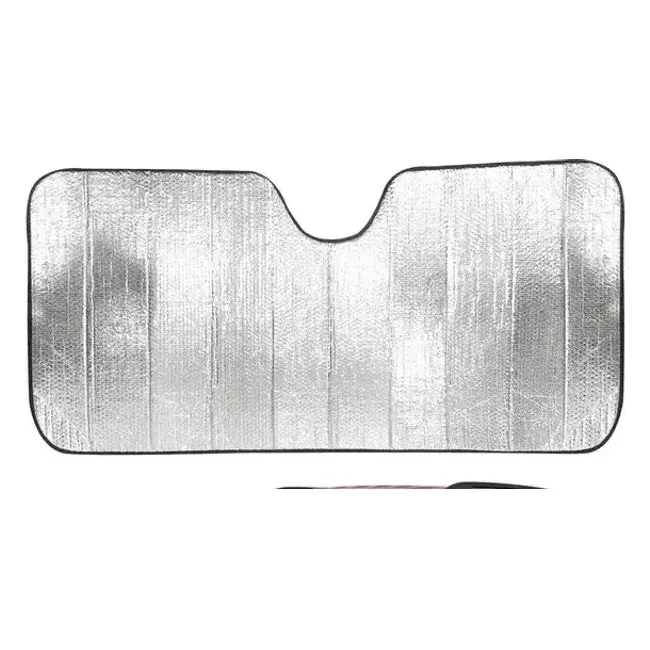
The value pick: a reflective foil-and-bubble accordion that blocks a lot of heat for very little money.
Best for: Most drivers who want strong heat and UV blocking without overpaying.
- Reflective aluminum-foil face over insulating bubble layers blocks heat well for the price
- Accordion design opens and folds down in seconds and secures with an elastic strap
- Sold in a wide range of sizes (compact car through full-size truck) for a closer universal fit
- Cheap enough to keep one in every vehicle
- Universal sizing never matches curved edges as tightly as a custom shade
- Accordion pleats can crease and show wear over a few seasons
- Folds flatter than a pop-up but is still bulkier to stash
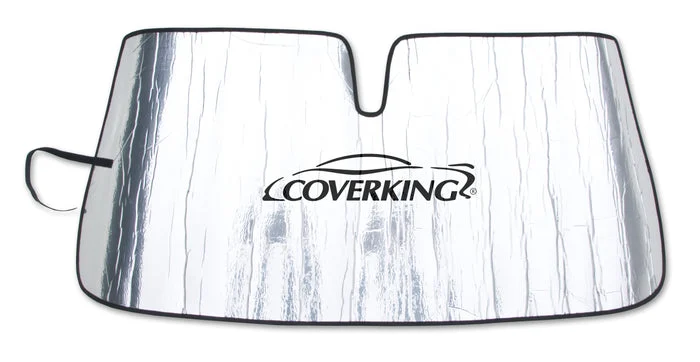
A tailored reflective panel with a soft felt backing, folds flatter than a foam shade but costs premium money for one window.
Best for: Buyers who want an exact custom fit that still folds flat, and don't need the foam bulk or reversibility of the top pick.
- Cut to your windshield outline for tight, gap-free coverage
- Reflective foil face pushes heat and UV back out; soft felt backing is gentle on the dash and glass
- Folds flat and packs down smaller than a rigid foam custom shade
- Looks tidy and purpose-made rather than generic
- Premium price for a single-window, front-only shade
- Thin laminate panel can take a set crease over time
- Not reversible, so no winter-frost side
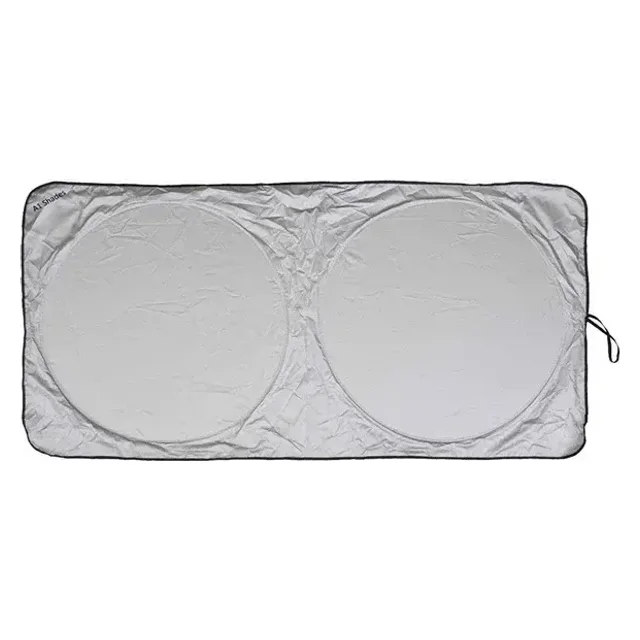
A tidy-storing pop-up bubble shade whose loose universal fit and thinner fabric let it down against the accordion.
Best for: People who prize the smallest possible packed size above coverage and heat blocking.
- Spring-frame pops open instantly and twists down into a very compact pouch
- Lightweight and easy to move between vehicles
- A published size chart helps you get closer to the right dimensions
- Universal round-panel shape leaves triangular gaps at the corners of most windshields
- Thinner nylon blocks less heat than a foil-and-bubble accordion
- The spring frame can be fiddly to twist and fold back into the bag
- Tends to sag or bow without a firm edge holding it in place
| Criteria | WeatherTech TechShade Windshield SunShade Top pick | EcoNour Accordion Foldable Windshield Sun Shade | Coverking Custom-Fit Sunshield Windshield Sun Shade | A1 Shades Premium Windshield Sun Shade |
|---|---|---|---|---|
| Verdict | Buy it | Buy it | It depends | Skip it |
| Best for | Owners who keep a car for years and want the best fit, coverage, and durability regardless of price. | Most drivers who want strong heat and UV blocking without overpaying. | Buyers who want an exact custom fit that still folds flat, and don't need the foam bulk or reversibility of the top pick. | People who prize the smallest possible packed size above coverage and heat blocking. |
| Price tier | $$$ · premium | $ · budget | $$$ · premium | $$ · mid-range |
| Fit approach | Custom, cut per vehicle | Universal, sized S–XL | Custom, cut per vehicle | Universal, multiple sizes |
| Style | Custom molded panel | Accordion fold | Flat folding panel | Pop-up bubble (twist) |
| Material / heat block | Foam core + reflective film (excellent) | Reflective foil + dual bubble (very good) | Reflective foil + felt backing (very good) | 230T nylon (moderate) |
| Ease of use | Suction cups, stays put | Opens and folds in seconds | Unfold and wedge in place | Pops open fast, fiddly to refold |
| Storage | Rolls with strap (bulky-ish) | Folds flat with strap (medium) | Folds flat into pouch (compact) | Twists into pouch (very compact) |
| Year-round / reversible | Yes (summer + winter sides) | No | No | No |
| Durability / warranty | Limited lifetime (excellent) | Solid for the price | Good | Average |
| Price tier | $$$ · premium | $ · budget | $$$ · premium | $$ · mid-range |
Which one is right for you?
- Owners who keep a car for years and want the best fit, coverage, and durability regardless of price. Buy it WeatherTech TechShade Windshield SunShade
- Most drivers who want strong heat and UV blocking without overpaying. Buy it EcoNour Accordion Foldable Windshield Sun Shade
- Buyers who want an exact custom fit that still folds flat, and don't need the foam bulk or reversibility of the top pick. It depends Coverking Custom-Fit Sunshield Windshield Sun Shade
- People who prize the smallest possible packed size above coverage and heat blocking. Skip it A1 Shades Premium Windshield Sun Shade
How we judged the field
We don’t run our own lab. Instead we synthesize independent testing, long-term owner reports, and manufacturer specs, then weigh the trade-offs that actually matter once a shade is living in your car. Four things drove our verdicts. Heat and UV blocking came first — the whole point is a cooler dash and less sun damage, and that comes down to material: reflective foil or foam beats thin fabric. Fit and coverage came next, because a shade that leaves the corners exposed lets heat pour in no matter how good the material is. Then ease of use and storage — a shade you can deploy and stash in seconds gets used every day, while a fiddly one ends up in the trunk. Finally we looked at durability and value, since a cheap shade that blocks 90% of the heat can be the smarter buy than a premium one that blocks 95%.
WeatherTech TechShade Windshield SunShade — buy
This is the one to get if you want the job done right. Because it’s cut to your specific windshield, it covers the glass corner to corner instead of leaving the triangular gaps universal shades do. The foam core is the real differentiator: it holds its shape, wedges in firmly, and won’t slump onto your dash halfway through the afternoon. Owners consistently praise how sturdy it feels compared to floppy fabric shades, and the reversible design — reflective side out for summer, dark side out to help fight winter frost — makes it genuinely useful year-round. It rolls up with a hook-and-loop strap and is backed by a limited lifetime warranty. The catch is price and bulk: it costs several times what a universal shade does, the roll takes up more room than a twist-fold pop-up, and you have to order the exact version for your vehicle. For a car you plan to keep, that’s easy to justify.
EcoNour Accordion Foldable Windshield Sun Shade — buy
The EcoNour is the value pick, and it’s the one most people should actually buy. Its reflective aluminum-foil face sits over insulating bubble layers, and that combination blocks far more heat than the thin single-layer shades it competes with — reviewers repeatedly note how much cooler a dash stays underneath it. The accordion design is the other win: it opens and folds down in seconds, secures with an elastic strap, and packs flatter than a pop-up. EcoNour sells it in a wide spread of sizes, from compact cars up to full-size trucks, so you can get a reasonably close universal fit. It isn’t perfect — universal sizing still leaves small gaps at curved edges, the pleats can crease and show wear over a few seasons, and it’s bulkier than a bubble shade — but for budget money it delivers most of what the premium shades do.
Coverking Custom-Fit Sunshield Windshield Sun Shade — it depends
Coverking splits the difference between custom and convenient. Like the WeatherTech, it’s cut to your windshield’s outline for tight, gap-free coverage, and its reflective foil face pushes heat and UV back out. Unlike the foam WeatherTech, it uses a thinner laminate panel with a soft felt backing, so it folds flat and packs down smaller — and the felt is gentle on your dash and glass. The question is whether the tailored fit is worth premium money for a single, front-only window. If an exact fit matters to you but you don’t want foam bulk or care about a winter side, it’s a reasonable buy. If you’re mainly chasing a cooler cabin, a budget accordion gets you most of the way there for far less, which is why this lands as a “depends” rather than a straight recommendation.
A1 Shades Premium Windshield Sun Shade — skip
The A1 is the classic pop-up bubble: a spring frame that snaps open instantly and twists down into a compact pouch. That packability is its whole appeal, and it’s real — nothing here stores smaller. But the trade-offs pile up. The round twin-panel shape leaves triangular gaps at the corners of most windshields, the thinner nylon blocks less heat than a foil-and-bubble accordion, and owners frequently gripe that the spring frame is fiddly to twist back into its bag. It also tends to sag or bow without a firm edge holding it in place. It isn’t a bad product, but at its price the EcoNour accordion blocks more heat and the custom shades fit better, so the A1 gets squeezed out. Buy it only if the smallest possible packed size genuinely outranks coverage for you.
WeatherTech TechShade vs EcoNour Accordion: which should you buy?
This is the decision most readers are really making: pay up for the best, or grab the value champ. The WeatherTech TechShade wins outright on fit, sturdiness, and longevity — the custom cut covers edges the EcoNour can’t, the foam core stays put, and the reversible design plus lifetime warranty make it a buy-once product. The EcoNour accordion counters with a reflective foil-and-bubble build that blocks most of the same heat, a fast accordion action, and a price low enough to put one in every car you own. If you keep your vehicle for years, drive in extreme heat or cold, and want the cleanest fit, spend on the WeatherTech. If you want 90% of the result for a small fraction of the cost — or you need to cover several cars — the EcoNour is the smarter money. There’s no wrong answer here; both earned their spots.
What to look for
- Material over marketing: reflective foil or a foam core with an insulating layer blocks real heat; thin single-layer fabric mostly cuts glare and UV.
- Coverage to the edges: a shade that leaves the windshield corners exposed lets heat pour in — custom cuts and correctly sized universals win here.
- Right size: measure your windshield’s width and height and match the size chart instead of guessing; slightly large beats too small.
- Deploy-and-stash speed: accordions and pop-ups you can set up in seconds get used daily; fiddly ones get abandoned.
- Storage that fits your car: foam customs roll up bulky, accordions fold flat, pop-ups pack smallest — pick what suits your space.
- Reversible design is a bonus if you also deal with winter frost.
Our final take
A windshield sun shade is one of the highest-return few-dollars-to-a-bit-more upgrades you can make for a car that bakes in the sun. The WeatherTech TechShade is the best overall — custom fit, foam-sturdy, reversible, and warrantied for life — and it’s worth the premium if you keep your car and want the tightest coverage. But the EcoNour accordion is the pick we’d hand most people: it blocks serious heat with its foil-and-bubble build, folds away in seconds, and costs next to nothing. The Coverking custom sunshield is a solid middle option for buyers who want an exact fit that still packs flat, while the A1 Shades pop-up stores impressively small but fits loosely and blocks less heat, so it’s the one we’d leave on the shelf.
Questions, answered
Do windshield sun shades actually keep a car cooler?
Yes. Independent testing and owner reports consistently show a parked car's dash, steering wheel, and cabin air run meaningfully cooler with a reflective shade than without one. Reflective foil and foam-core shades tend to block more heat than thin single-layer fabric ones, and any shade helps most when it covers the glass edge to edge.
Custom-fit or universal — which should I get?
A custom-fit shade like the WeatherTech or Coverking is cut to your exact windshield, so it covers the corners and stays put, but it costs more and only fits one vehicle. A universal accordion like the EcoNour is far cheaper, fits many cars, and blocks most of the heat if you buy the right size — just expect small gaps at curved edges.
How do I pick the right size for a universal shade?
Measure your windshield's width at the widest point and its height at the tallest point, then match those to the maker's size chart rather than guessing by vehicle class. It's better to be slightly large (the shade can overlap the edges) than too small, which leaves glass exposed. SUVs, trucks, and vans usually need the larger sizes.
What makes one shade block more heat than another?
Material and thickness. A reflective foil or metalized face bounces sunlight back out, and an insulating layer behind it — bubble film or foam — slows the heat that gets through. Thin single-layer nylon or polyester shades still cut glare and UV but let more heat build up, which is a big reason we favor foil-and-bubble or foam-core designs.
Should the reflective (silver) side face out or in?
The reflective side faces out toward the windshield glass so it bounces sunlight away before it enters the cabin. Reversible shades like the WeatherTech have a dark side you can flip outward in winter to absorb sun and help reduce frost. On one-sided shades, always put the shiny surface toward the sun.
More Automotive reviews
 The Best Aftermarket Backup Cameras: 4 Compared (and One to Skip)
  The Best Car Battery Chargers & Maintainers: 4 Compared (and One to Skip)
  The Best Car Covers: 4 Compared (and One to Skip)
  The Best Car Phone Mounts: 4 Compared (and One to Skip)
  The Best Car Backseat & Trunk Organizers: 4 Compared (and One to Skip)
  The Best Car Vacuums: 4 Compared (and One to Skip)