

Explained
Window Vacuums, Explained
After reading, you'll know exactly what a window vacuum does, which specs actually matter, and how to tell a good one from a gimmick.
In this guide
A window vacuum is a small handheld tool that sucks the dirty water off glass right after you wash it, so nothing dries into streaks or dribbles down onto the sill. First-time buyers usually assume they all do the same thing and pick on price, then get caught out by a battery that dies mid-window or a blade too wide to fit a mirror. The specs that matter are simple once someone explains them — this guide walks you through each one.
The 30-second version
- A window vacuum is not a squeegee. A squeegee just pushes water around, leaving a wet edge that drips and streaks; a window vacuum squeegees and then vacuums that water into a sealed tank, so the glass is left dry and clear in one pass.
- Runtime is the spec people underestimate. Match battery life to how much glass you clean in one go — a short runtime is fine for a bathroom mirror but frustrating on a whole house of windows and patio doors.
- Blade width decides where it fits. A wide blade clears big panes fast, but only a narrow nozzle or a small head reaches into mirror corners, glazing bars and shower-screen edges — the more versatile tools let you swap between the two.
- It earns its keep beyond windows. The same tool clears condensation off shower glass and bathroom tiles, wipes down mirrors, and dries car windows — often the jobs owners end up using it for most.
- A no-drip tank is what makes it pleasant. A well-sealed dirty-water tank keeps the collected water off your arm when you tilt the tool up to reach the top of a window, which is the whole point of vacuuming rather than wiping.
What actually matters
- Runtime per charge — how long the battery lasts before it needs recharging. A short runtime handles a bathroom or a few windows; if you clean a lot of glass in one session, look for a longer-lasting battery so you're not stopping mid-job to recharge.
- Charge time and battery type — most take a few hours to refill, and the battery is usually built in rather than removable, so you can't swap in a spare. Treat runtime as a long-term commitment, and note whether it charges over a common USB cable or a proprietary brick you could lose.
- Blade width and interchangeability — a wide blade covers big panes in fewer passes, while a narrow nozzle or small head is what makes the tool good on mirrors, small panes and shower corners. The best value comes from tools that include both rather than making the narrow one a separate purchase.
- Dirty-water tank capacity — this is where the vacuumed water collects. A small tank means more trips to the sink to empty it; a larger tank lets you clean longer between emptying, which matters on big cleaning days.
- No-drip / no-leak design — a sealed tank keeps water where it belongs even when you tilt the tool upward. Leaks usually mean an overfilled tank or a cap that isn't seated, so a design that seals cleanly saves you a wet sleeve.
- Weight and handle ergonomics — a light tool is easy to steer one-handed for long stretches, and an angled handle helps you reach the tops of tall windows without a stool.
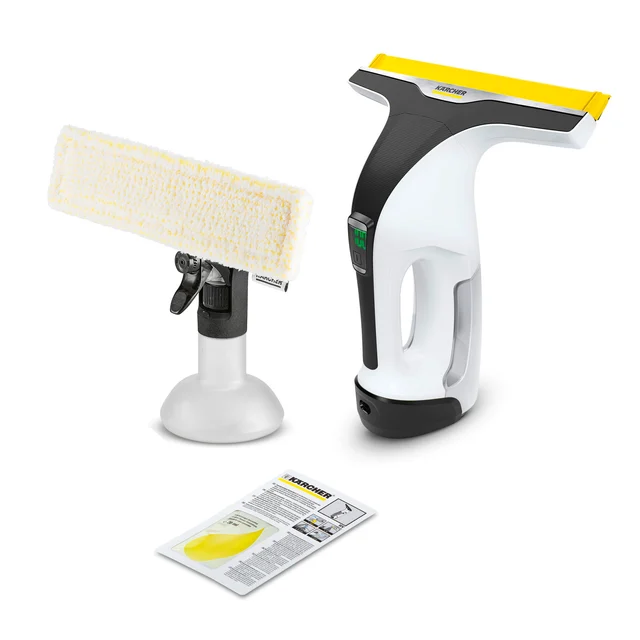
- What's in the box — many are sold as a kit with a spray bottle and a microfibre pad or cloth for the washing step. A complete bundle saves buying those separately; a bare tool may need extras before you can actually start.
The specs, in plain English
Green flags vs red flags
Green flags
- Comes as a complete kit — spray bottle, microfibre pad or cloth, and the nozzles you need — so there's nothing else to buy to start.
- Offers both a wide blade for windows and a narrow nozzle or small head for mirrors and shower corners, ideally included in the box.
- Light in the hand (easy one-handed use) with an angled handle that reaches the tops of tall windows.
- A clearly sealed no-drip tank and a battery gauge so you're not caught out mid-window.
- Charges over a common USB-C cable and sells inexpensive replacement blades, so it stays useful for years.
Red flags
- A single fixed blade with no narrow option — fine for plain windows, but poor on mirrors, small panes and shower edges.
- A very short runtime with no way to see remaining charge, so it fades mid-job without warning.
- The narrow nozzle or a proper kit is a separate purchase, quietly raising the real cost above a better-bundled rival.
- A tiny dirty-water tank that sends you to the sink constantly on any real cleaning session.
- Vague or missing spec details in the listing — no stated runtime, tank size or blade widths usually means unimpressive numbers.
- A dated design priced close to newer, better-equipped models — you pay similar money for less capability.
Who's who: the brands
- Kärcher - Effectively invented the category; known for the most rounded, feature-complete tools with long runtimes and battery displays.
- Bosch - Strong value-focused sets that bundle both a large and a small head plus a charger, popular for bathrooms and mirrors.
- Vileda - A budget-friendly household name; simple, no-fuss models with roomy tanks aimed at occasional users.
- Leifheit - A long-established cleaning brand with wide-blade designs that clear big panes, though some models feel a generation behind newer rivals.
How to read a listing without getting fooled
Start with the numbers a good listing will state plainly: runtime in minutes, dirty-water tank capacity, blade width (or widths), and weight. If any of those are missing or buried, treat it as a quiet admission the figures aren't flattering. Check whether the blade is fixed or interchangeable and whether a narrow nozzle is genuinely in the box or listed as an accessory — a low headline price often hides extras you'll want. Look at the photos for what's actually included: a spray bottle and microfibre pad mean you can start straight away, while a bare tool means a separate shopping trip. Watch for a battery gauge and how it charges. Read owner reports for the practical stuff specs don't capture — whether it really stays drip-free when tilted, how fiddly the tank is to empty, and whether the seal keeps its grip over time — and weigh those against the maker's own claims rather than taking either on its own.
How much should you spend?
Window vacuums span a wide range, and where you should land depends on how much glass you actually clean. Budget models do the core job — vacuum water off a pane — but tend to give you a single blade, no battery readout and a shorter runtime, which is enough for someone who occasionally does ordinary windows. The value sweet spot sits with the mid-priced sets that arrive complete: a spray bottle, a pad, and both a large and a small head, so one tool covers windows, mirrors and shower screens with nothing else to buy. Spending up to the premium tier buys you the longest runtime, a battery display and interchangeable blades, and it's worth it if you clean glass often and want zero compromises — but it's overkill for a once-a-month bathroom wipe-down. The trap to avoid is a dated model priced near a better-equipped rival: paying similar money for fewer features and a thinner kit is where people overspend. Factor in cheap replacement blades over the tool's life rather than the sticker alone.
Questions, answered
What's the difference between a window vacuum and a squeegee?
A squeegee simply drags water across the glass, which leaves a wet edge that runs down and dries into streaks, so you still need cloths to mop up. A window vacuum squeegees and vacuums at the same time, pulling the dirty water into a sealed tank so the pane is left dry and clear in one pass — no dribbles, no pile of soggy cloths.
Do I still have to wash the window first?
Yes. The vacuum removes water, not dirt. You spray the glass and wipe it with a cloth or the microfibre pad first, then run the vacuum over it to lift the water away. Most tools are sold with a spray bottle and pad so you have everything for both steps.
Can I use one on shower screens, mirrors and my car?
Those are some of the best uses for it. A window vacuum clears condensation and water spots off shower glass, mirrors, tiles and car windows in seconds, which also helps limit limescale build-up in the bathroom. For mirrors, small panes and shower corners a narrow nozzle or small head helps it reach in — worth checking the tool has one.
How long do they run, and will the battery run out mid-job?
Runtime varies a lot between models, from around half an hour to well over an hour on one charge. A shorter runtime is plenty for a mirror or a few windows but can leave you recharging in the middle of a whole-house clean. A battery gauge, where fitted, tells you how much is left; without one you clean until the suction fades. Charging usually takes a few hours.
Will it drip or leak water on me?
A well-designed model shouldn't. The vacuumed water sits in a sealed tank and stays put even when you tilt the tool up to reach the top of a window. Leaks are almost always a sign of an overfilled tank or a cap that isn't seated properly, so empty it before it reaches the max line and rinse it now and then to keep the seal clean.
Related guides
 Wine Fridges After this guide you'll be able to read any wine fridge listing and know instantly whether it can hold a steady temperature, fit your space, and protect your bottles - or whether it's a glorified mini fridge.
  Woks After reading, you'll know which wok material and shape fit your stove, what wok hei really means, and how to spot a wok that will actually stir-fry well.
  Air Fryers Understand air fryer specs in plain English, so you can pick the right size and skip the marketing noise.
 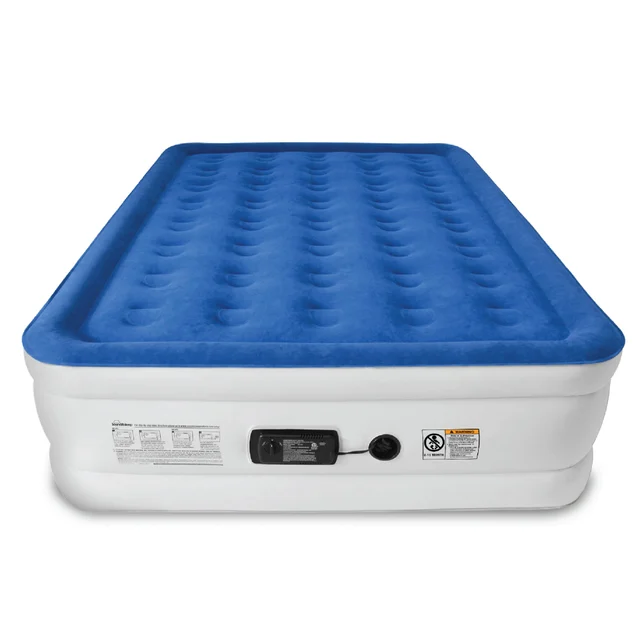 Air Mattresses After reading, you'll know which air mattress specs actually predict a comfortable, long-lasting bed and which are just marketing.
 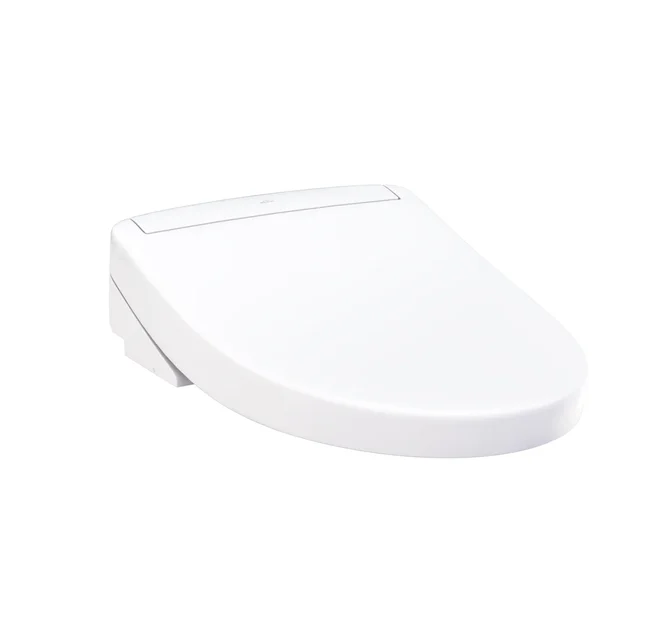 Bidet Attachments and Seats After reading this, you'll know whether you want a simple attachment or a full electric seat, which heater and nozzle specs actually matter, and how to check that anything you buy will fit your toilet and bathroom.
 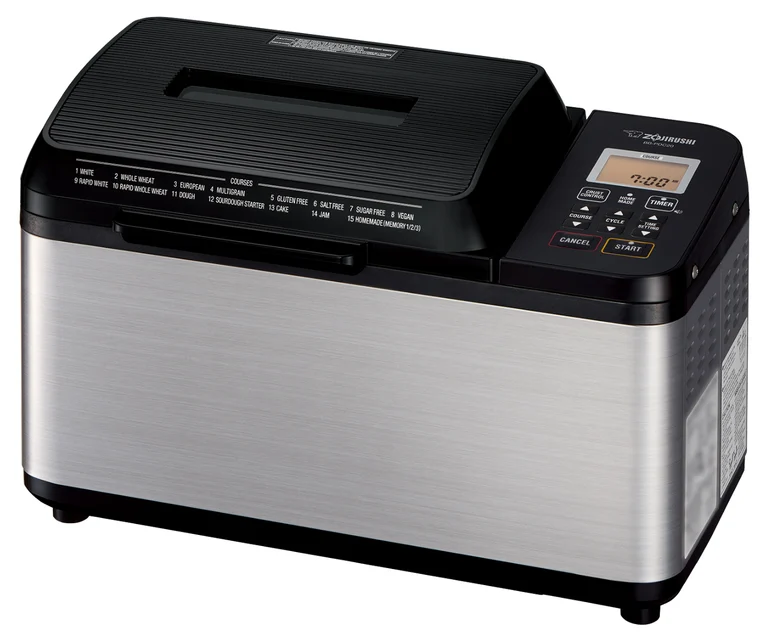 Bread Machines After reading this you'll understand what every bread machine spec means and which ones actually affect the loaf you take out of the pan.