Explained
Weighted Vests, Explained
After reading, you'll know whether you need a fitted adjustable vest or a plate carrier, and how to read the specs without getting fooled.
In this guide
Weighted vests look simple, but the category quietly splits into two very different tools that get sold side by side: close-fitting adjustable vests built for movement, and plate carriers built to haul serious load. First-time buyers get tripped up because a vest that's perfect for brisk walks and bodyweight workouts can be the wrong tool for rucking, and vice versa. This guide decodes the load systems, fit terms, and materials so you can match the vest to what you actually do.
The 30-second version
- There are two families, not one. Fitted adjustable vests are for movement and light-to-moderate load; plate carriers are for hauling heavier weight and rucking, so pick by your main activity first.
- Fit beats everything else. A snug, adjustable vest kills bounce and chafing, which matters more than max weight capacity or price for most people.
- The sticker price isn't the real price. Plate carriers usually need plates bought separately, so the true cost to actually use one is higher than the shell alone.
- Watch the weight ceiling. Budget vests often cap at a light total load, so if you plan to progress you'll outgrow them fast and end up buying twice.
- Breathability decides whether you wear it. Mesh panels and padded straps stay comfortable far longer than thick neoprene, which traps heat and holds odor.
The products this guide is about
Our verdict on each, with the full reasoning on the companion review.
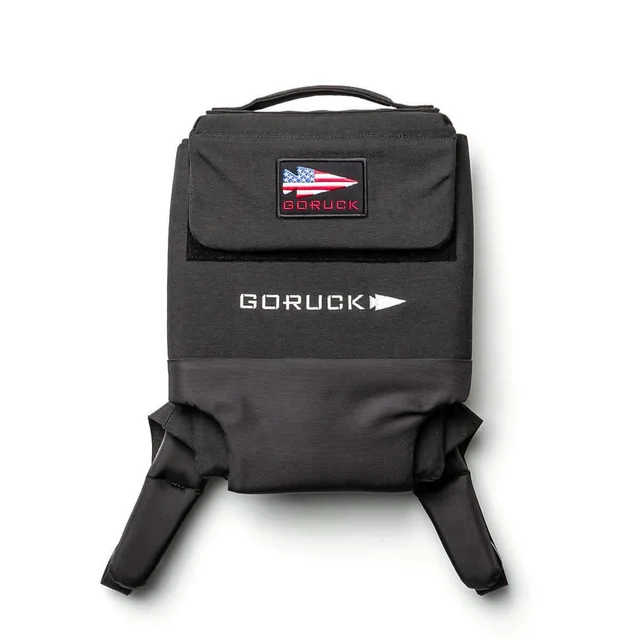
- Buy GORUCK Ruck Plate Carrier 3.0 The most versatile pick for anyone whose vest needs to walk, ruck, and train under real load. Amazon
- Buy Hyperwear Hyper Vest TAC A close-fitting adjustable vest that stays put during walks and workouts without the plate-carrier bulk.
- It depends Rogue Fitness Rogue Plate Carrier A superb US-made carrier for gym work, but only if you're already bought into cast plates.
- Skip CAP Barbell 20 lb Adjustable Weighted Vest Cheap and adjustable on paper, but the bounce, heat, and low ceiling catch up with you fast. Amazon
What actually matters
- Fit and bounce - a vest that shifts around ruins walks and runs and rubs skin raw; a snug, well-strapped fit is the single biggest driver of whether you'll actually use it.
- Load system - how the weight attaches (flat plates, contoured cast plates, or small insertable packs) determines how heavy you can go and how stable the load feels.
- Weight ceiling - the maximum practical load; movement vests top out lighter, plate carriers scale heavy, so buy headroom if you plan to get stronger.
- Comfort and breathability - padded straps and mesh backs keep you cool and spread load; thick neoprene runs hot and sweaty on longer efforts.
- Build quality - a weighted vest lives a hard life, so heavy-denier fabric, reinforced stitching, and quality velcro separate a vest that lasts years from one that frays in months.
- True cost to use - factor in plates or weight packs you'll need to buy on top of the shell, not just the listed price.
- Intended use - walking, gym workouts, and rucking each reward different designs, so be honest about where most of your time will go.
The specs, in plain English
Green flags vs red flags
Green flags
- A snug, compression-style fit with multiple adjustment straps that cinch the vest tight to your torso
- A breathable mesh back or padded, wide shoulder straps that spread load and shed heat
- Heavy-denier fabric (like 1000D Cordura) with reinforced stitching and quality velcro
- A load system that matches your goal - flat plates for rucking, small packs for gradual movement work
- Honest weight headroom so you can progress without replacing the vest in a few months
Red flags
- A boxy, one-size shape that owners report bounces and shifts on walks and runs
- Thick neoprene construction with no mesh, which traps heat and tends to hold odor over time
- Loose weight packets that rattle or slide around during movement
- A low total weight ceiling that you'll outgrow quickly if you train regularly
- Early stitching or velcro wear noted repeatedly in long-run owner reports
- Hidden costs - a carrier that needs pricey proprietary plates you didn't budget for
Who's who: the brands
- GORUCK - Known for overbuilt, rucking-focused plate carriers with tough Cordura shells and padded straps that scale from loaded walks to heavy training.
- Hyperwear - Makes close-fitting adjustable vests that load in small increments and emphasize a low-bounce, breathable fit for walking and movement workouts.
- Rogue Fitness - US-made, gym-focused plate carriers with a bombproof reputation, best suited to CrossFit-style workouts if you already own compatible cast plates.
- CAP Barbell - A budget, mass-market option with one-size adjustable vests; inexpensive but commonly criticized for boxy fit, heat, and a low weight ceiling.
How to read a listing without getting fooled
Start by figuring out which family a listing belongs to: if it mentions plates 'sold separately,' it's a plate carrier and the real cost is the shell plus plates, so add that to the budget in your head. If it advertises small insertable weight packs and a 'compression' or 'snug' fit, it's a movement vest that will bounce less but cap lighter. Treat the headline weight as a maximum, not a starting point, and check whether that ceiling leaves you room to progress. Look for concrete material callouts like denier ratings, mesh panels, and padded straps rather than vague words like 'durable' or 'breathable.' Finally, weigh fit language heavily - 'adjustable,' 'multiple straps,' and 'compression cut' are what actually stop chafing and bounce, and a low price rarely buys them.
How much should you spend?
Spend where fit and durability live, because those are what you'll feel on every walk and workout. The cheapest one-size vests look like a bargain but often disappoint fast with bounce, trapped heat, and a low weight ceiling, so they only make sense for genuinely occasional light use. The value sweet spot is a well-built shell with a snug, adjustable fit and materials rated to last - mid-range carriers and quality adjustable vests usually deliver that. Remember that plate carriers carry a hidden cost: the plates. Budget for those up front so a seemingly mid-priced carrier doesn't blow past a premium vest once fully loaded. Paying more is worth it when you plan to train regularly and progress; it's not worth it if you honestly just want a few light sessions and won't push the weight.
Questions, answered
Should I buy a plate carrier or a fitted adjustable vest?
Decide by where most of your time goes. If you ruck or want to train under heavier load, a plate carrier holds flat plates close to your spine and spreads weight through padded straps, which stays more stable as the weight climbs. If you mostly walk and do bodyweight or interval workouts, a fitted adjustable vest with a snug compression cut bounces far less and lets you add weight in small steps, which matters more than maximum load.
How much weight should I start with?
Experienced owners and trainers generally suggest starting light - often a small fraction of your bodyweight - and adding load slowly over weeks. Going too heavy too soon is the most common reason people report shoulder, neck, or back soreness. This is general product information, not medical or fitness advice; if you have joint, back, or heart concerns, check with a qualified professional before loading up.
Why do budget weighted vests get such mixed reviews?
Most complaints trace back to fit and materials. Inexpensive vests tend to use a one-size boxy shape and thick neoprene, so owners report bounce, trapped heat, odor over time, and rattling weight packets. They can work for occasional light sessions, but people who train regularly usually hit the weight ceiling and durability limits within months.
Can I run or do workouts in a weighted vest?
Yes, but fit is everything. Close-fitting vests with a compression cut and snug straps bounce far less during running and calisthenics, while boxy vests shift and chafe. Keep the load modest for high-impact work, since running amplifies the stress a vest puts on your joints.
How do I stop a weighted vest from bouncing or chafing?
Cinch every adjustment strap so the vest sits tight to your torso, wear a moisture-wicking shirt underneath to cut friction, and keep the load balanced front to back. A properly sized, snug vest almost eliminates bounce, whereas an oversized or loosely strapped one will rub no matter how much it cost.
Or jump to the head-to-head: GORUCK Ruck Plate Carrier 3.0 vs Hyperwear Hyper Vest TAC.