

Home Gym
The Best Weighted Vests: 4 Compared (and One to Skip)
We compared four weighted vests and plate carriers for walking, workouts, and rucking on fit, load range, comfort, and long-term durability.
The short version
For a weighted vest that has to walk, work out, and ruck, the GORUCK Ruck Plate Carrier 3.0 is our top pick: an overbuilt carrier that rides high on your back and scales as you move up in plate weight, though you'll buy plates on top. If you mostly walk and do bodyweight workouts, the close-fitting Hyperwear Hyper Vest TAC bounces less and lets you add weight in small steps. The Rogue Plate Carrier is a fantastic gym tool but really only pays off if you already own compatible cast plates. Skip the CAP Barbell adjustable vest unless your use is truly occasional, since the bounce, heat, and low load ceiling frustrate most people within months. Best for: pick a plate carrier if load and rucking matter, and a fitted adjustable vest if movement and comfort come first.
Our picks at a glance
- GORUCK Ruck Plate Carrier 3.0 - Buy. The most versatile pick for anyone whose vest needs to walk, ruck, and train under real load.
- Hyperwear Hyper Vest TAC - Buy. A close-fitting adjustable vest that stays put during walks and workouts without the plate-carrier bulk.
- Rogue Fitness Rogue Plate Carrier - It depends. A superb US-made carrier for gym work, but only if you're already bought into cast plates.
- CAP Barbell 20 lb Adjustable Weighted Vest - Skip. Cheap and adjustable on paper, but the bounce, heat, and low ceiling catch up with you fast.
The verdict in 30 seconds
What mattered most
- Weight system
- Best use
- Fit and bounce
- Max practical load
- Comfort and breathability
- Build and durability
Weighted vests have gone mainstream, showing up on morning walks, in garage gyms, and on the rucking trail. But the category quietly splits into two very different tools: close-fitting adjustable vests built for movement, and plate carriers built to haul serious load. We synthesized independent testing and long-run owner reports to sort four popular options into an honest verdict spread: two we'd buy, one that only makes sense for a specific buyer, and one budget vest we'd steer most people away from.
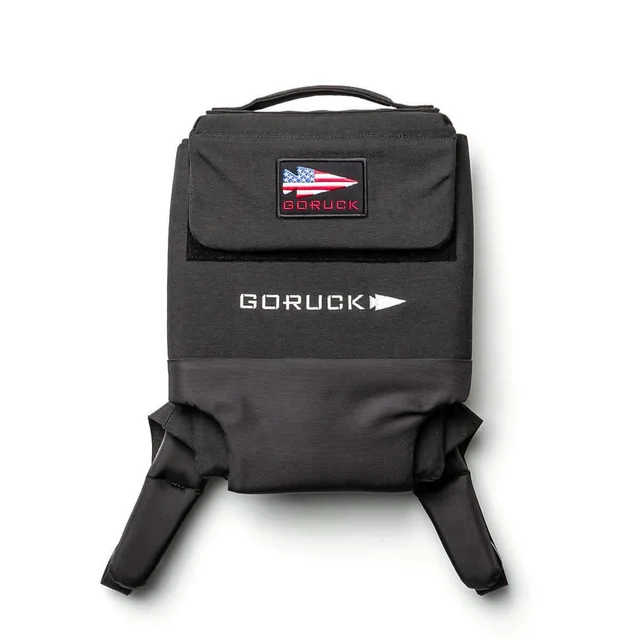
The most versatile pick for anyone whose vest needs to walk, ruck, and train under real load.
Best for: Walkers and ruckers who want one carrier that scales from light loaded walks to heavy training.
- Overbuilt 1000D Cordura shell that owners report surviving years of daily abuse
- Extra-padded shoulder straps and lumbar padding help spread the load on long carries
- Takes flat ruck plates that sit close to the spine, so it stays stable at walking and rucking pace
- Plates are sold separately, so the real cost is higher than the carrier alone
- The standard carrier is designed around a single 20 or 30 lb plate; heavier loads mean a different GORUCK model
Own the GORUCK Ruck Plate Carrier 3.0? Tell us how it held up.
Thanks. Counted, and shown once enough owners have weighed in.
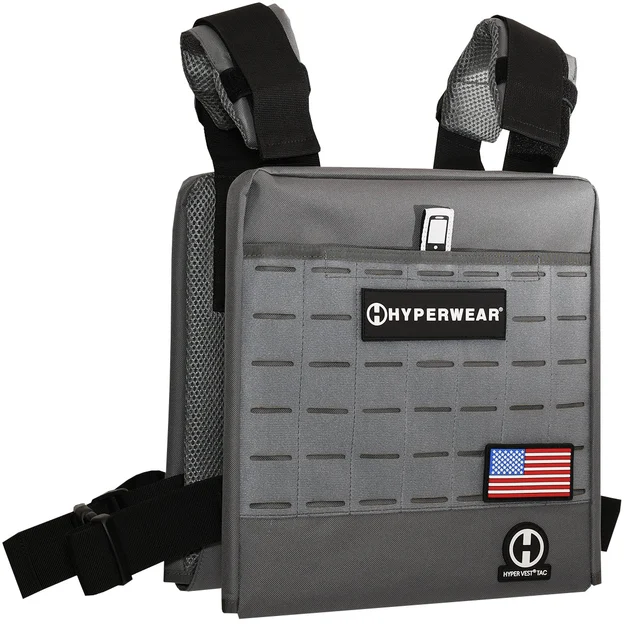
A close-fitting adjustable vest that stays put during walks and workouts without the plate-carrier bulk.
Best for: People who mix walking with bodyweight or interval workouts and prioritize a low-bounce, adjustable fit.
- Snug, compression-style fit that reviewers say almost eliminates bounce on brisk walks and calisthenics
- Weight loads in small increments, so you can progress gradually instead of jumping to a full plate
- Breathable mesh back panel that owners note runs cooler than neoprene vests
- Extra plates beyond the included 18 lb add to the cost
- Tactical MOLLE styling and price are more than casual walkers may want
Own the Hyperwear Hyper Vest TAC? Tell us how it held up.
Thanks. Counted, and shown once enough owners have weighed in.
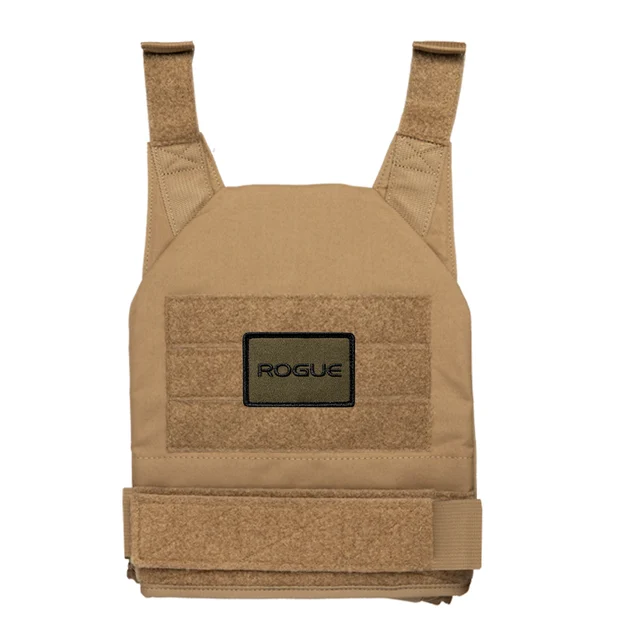
A superb US-made carrier for gym work, but only if you're already bought into cast plates.
Best for: Garage-gym athletes who mainly do loaded bodyweight workouts and already own compatible cast plates.
- American-made build quality that owners consistently rate as bombproof
- Minimalist, snug cut that reviewers like for CrossFit-style workouts and short runs
- Contoured plate pockets keep the load tight to the chest and back
- Optimized for Rogue's contoured cast plates, which are a meaningful added purchase
- Limited airflow can make it warm on longer efforts, and it's less suited to distance rucking
Own the Rogue Fitness Rogue Plate Carrier? Tell us how it held up.
Thanks. Counted, and shown once enough owners have weighed in.
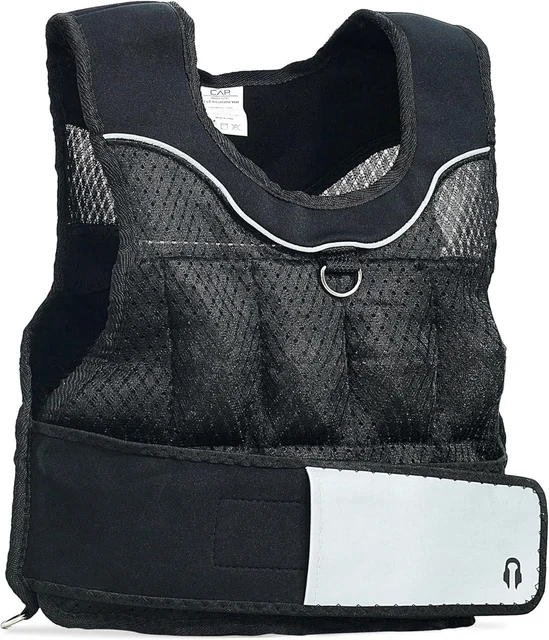
Cheap and adjustable on paper, but the bounce, heat, and low ceiling catch up with you fast.
Best for: Someone testing the water with occasional light use who accepts they may outgrow it quickly.
- Inexpensive entry point with a one-size, adjustable-weight design
- Small weight packets let you dial the load down for beginners
- Owners widely report a boxy fit that bounces and shifts on walks and runs
- Neoprene traps heat and tends to hold odor, and the loose packets can rattle
- Caps at a light total load and shows stitching and velcro wear sooner than the pricier options
Own the CAP Barbell 20 lb Adjustable Weighted Vest? Tell us how it held up.
Thanks. Counted, and shown once enough owners have weighed in.
| Criteria | GORUCK Ruck Plate Carrier 3.0 Top pick Buy it Buy | Hyperwear Hyper Vest TAC Buy it Buy | Rogue Plate Carrier It depends Buy | CAP Barbell 20 lb Adjustable Weighted Vest Skip it Buy |
|---|---|---|---|---|
| Best for | Walkers and ruckers who want one carrier that scales from light loaded walks to heavy training. | People who mix walking with bodyweight or interval workouts and prioritize a low-bounce, adjustable fit. | Garage-gym athletes who mainly do loaded bodyweight workouts and already own compatible cast plates. | Someone testing the water with occasional light use who accepts they may outgrow it quickly. |
| Price tier | $$ · mid-range | $$$ · premium | $$$ · premium | $ · budget |
| Weight system | One flat ruck plate on the back (sold separately) | Two 9 lb flexible plates included, adjustable in half-pound steps | Contoured cast plates up to 20 lb (sold separately) | Steel-shot packets of about 0.75 lb, up to 20 lb |
| Best use | Rucking and heavy loaded carries | Walking plus mixed workouts | CrossFit-style gym workouts | Occasional light use |
| Fit and bounce | Snug torso, minimal bounce at ruck pace | Close compression fit, very low bounce | Snug but sparse, some plate movement | Boxy fit, noticeable bounce |
| Max practical load | A 20 or 30 lb plate | Moderate | Moderate | Low (20 lb max) |
| Comfort and breathability | Padded straps, decent airflow | Breathable mesh, cool | Slim cut, runs warm | Neoprene padding, runs warm |
| Build and durability | 1000D Cordura, exceptional | Rugged, breathable, well-made | US-made 1000D and 500D Cordura | Entry-level, wears sooner |
| Total cost to use | Carrier plus plates | Vest plus weight packs | Carrier plus cast plates | All-in-one, cheapest |
| Price tier | $$ · mid-range | $$$ · premium | $$$ · premium | $ · budget |
Which one is right for you?
- Walkers and ruckers who want one carrier that scales from light loaded walks to heavy training. Buy it GORUCK Ruck Plate Carrier 3.0
- People who mix walking with bodyweight or interval workouts and prioritize a low-bounce, adjustable fit. Buy it Hyperwear Hyper Vest TAC
- Garage-gym athletes who mainly do loaded bodyweight workouts and already own compatible cast plates. It depends Rogue Fitness Rogue Plate Carrier
- Someone testing the water with occasional light use who accepts they may outgrow it quickly. Skip it CAP Barbell 20 lb Adjustable Weighted Vest
How we judged the field
We don’t run our own lab. Instead, we synthesize independent testing and a large volume of long-run owner reports, then weigh what actually matters when a vest has to do three different jobs: walking, workouts, and rucking.
Five things drove our verdicts. Fit and bounce, because a vest that shifts around ruins walks and runs and rubs skin raw. Load system and ceiling, since some tools top out light while others scale to serious weight. Comfort and breathability, which decides whether you actually wear the thing. Build quality, because a weighted vest lives a hard life and cheap stitching shows fast. And true cost to use, since plate carriers often need plates bought separately. A vest that wins for a garage-gym athlete can be the wrong tool for a daily walker, so we’ve been explicit about who each one suits.
GORUCK Ruck Plate Carrier 3.0
Buy itIf you want one vest that genuinely covers all three use cases, this is it. The carrier takes flat ruck plates that sit tight against your back, and reviewers repeatedly note how stable that keeps the load at both walking and rucking pace. The 1000D Cordura shell is the kind owners describe as effectively indestructible, and the extra-padded shoulder straps and lumbar padding help with heavier plates. The honest caveats: plates are a separate purchase, so budget for them, and the standard carrier is built around a single 20 or 30 lb plate, so heavier rucking means stepping up to a different GORUCK model. For most people balancing loaded walks, training, and the occasional ruck, it’s the most flexible pick here.
Hyperwear Hyper Vest TAC
Buy itThis is the pick for movement. The TAC uses a close, compression-style cut and loads with small weight packs, and independent testers highlight how little it bounces during brisk walks, intervals, and bodyweight work. Because you add weight in small increments, it’s easy to progress gradually rather than jumping straight to a full plate, which is friendlier on the shoulders and neck. A breathable mesh back panel keeps it cooler than the neoprene budget vests. The trade-offs are cost and styling: extra plates beyond the included 18 lb add up, and the tactical look is more than some walkers want. If your training is walking plus workouts more than heavy rucking, that ceiling won’t bother you.
Rogue Plate Carrier
It dependsThere’s nothing wrong with the Rogue Plate Carrier, and that’s exactly why it needs a careful verdict. It’s American-made, owners rate the build as bombproof, and the snug minimalist cut is a favorite for CrossFit-style workouts and short runs. The catch is that it’s optimized around Rogue’s contoured cast plates (up to 20 lb), which are a meaningful added cost, and limited airflow makes it warm on longer efforts and less pleasant for distance rucking. If you already own compatible cast plates and mostly do loaded gym workouts, it’s an easy recommendation. If you’re starting from scratch or your priority is walking and rucking, the GORUCK covers more ground for the money.
CAP Barbell 20 lb Adjustable Weighted Vest
Skip itOn paper the value looks great: cheap, one-size, adjustable weight. In practice the owner reports tell a consistent story. The boxy neoprene shape bounces and shifts on walks and runs, the material traps heat and tends to hold odor over time, and the loose weight packets can rattle. It also tops out at a light total load and shows stitching and velcro wear sooner than the pricier options. For someone who genuinely only wants a few light sessions, it can scratch the itch. But most people who stick with weighted training find themselves fighting the fit and hitting the weight ceiling within months, which makes it a false economy.
Sources
Specs in this review come from these pages.
GORUCK Ruck Plate Carrier 3.0 vs Hyperwear Hyper Vest TAC: which should you buy?
These two are the strongest options here, and they win at opposite ends of the same spectrum. The GORUCK is the load hauler: it holds a solid ruck plate high on your back, spreads weight through padded straps, and is the clear choice the moment rucking or serious training weight enters the picture. The Hyper Vest TAC is the movement specialist: its snug compression fit barely bounces, it adds weight in small steps, and its breathable back keeps you cooler on walks and workouts.
Decide by your center of gravity. If most of your sessions involve real load or you plan to progress into heavier rucking, buy the GORUCK and plan to add plates. If most of your time is spent walking and doing bodyweight or interval workouts where a tight, low-bounce fit matters more than maximum weight, the Hyper Vest TAC will be the vest you actually reach for. Neither is a wrong answer; they just serve different halves of the same hobby.
What to look for
- Fit over everything. A snug, adjustable fit is what kills bounce and chafing. Prioritize it above weight capacity or price.
- Match the load system to your goal. Plate carriers scale heavy for rucking and training; packet-style adjustable vests are better for light, gradual, movement-focused loading.
- Count the true cost. With plate carriers, factor in the plates you’ll need to buy separately, not just the shell price.
- Mind breathability. Mesh and padded straps stay comfortable far longer than thick neoprene, which traps heat and odor.
- Check the weight ceiling. Budget vests often cap light; if you plan to progress, buy something with headroom so you don’t replace it in a few months.
- Look for durable materials. Heavy-denier fabric, reinforced stitching, and quality velcro are what separate a vest that lasts years from one that frays fast.
Our final take
Weighted vests split into load haulers and movement vests, and the best pick depends on which half of that split you live in. For the widest coverage across walking, workouts, and rucking, the GORUCK Ruck Plate Carrier 3.0 is our top choice: overbuilt, stable under heavy load, and able to grow with you, as long as you budget for plates. If your days are more walking and bodyweight training, the Hyperwear Hyper Vest TAC is the more comfortable, lower-bounce companion. The Rogue Plate Carrier is excellent but really earns its place only for gym athletes already invested in cast plates. And the CAP Barbell adjustable vest is the one to skip for anyone with real ambitions, because its fit, heat, and low weight ceiling turn a low price into a short shelf life.
Questions, answered
How much weight should I start with for walking or rucking?
Independent trainers and experienced owners generally suggest starting light and adding load slowly over weeks; GORUCK itself suggests a 20 lb plate when in doubt. Starting too heavy is the most common reason people report shoulder, neck, or lower-back soreness. This is general product information, not medical advice; if you have joint, back, or heart concerns, check with a qualified professional before loading up.
Is a plate carrier or a fitted adjustable vest better for rucking?
For rucking and heavier loaded walks, a plate carrier like the GORUCK holds flat plates close to your spine and spreads weight through padded straps, which most ruckers find more stable under load. Fitted adjustable vests like the Hyper Vest TAC shine for lighter, movement-heavy sessions where a snug, low-bounce fit matters more than maximum weight.
Can I run or do workouts in a weighted vest?
Yes, but fit is everything. Reviewers consistently find that close-fitting vests with a compression cut and snug straps bounce far less during running and calisthenics, while boxy budget vests shift and chafe. Keep the load modest for high-impact work, since running amplifies the stress a vest puts on your joints.
Why do budget weighted vests get such mixed owner reports?
Most complaints trace back to fit and materials. Inexpensive vests tend to use a one-size boxy shape and thick neoprene, so owners report bounce, heat, odor over time, and rattling weight packets. They can work for occasional light use, but people who train regularly usually outgrow the weight ceiling and durability quickly.
How do I stop a weighted vest from bouncing or chafing?
Cinch every adjustment strap so the vest sits tight to your torso, wear a moisture-wicking shirt under it to cut friction, and keep the load balanced front to back. Owners note that a properly sized, snug vest almost eliminates bounce, whereas an oversized or loosely strapped one will rub no matter how much it cost.
Deciding between the top two? See our head-to-head: GORUCK Ruck Plate Carrier 3.0 vs Hyperwear Hyper Vest TAC.
More in Home Gym
Weighted Vests, Explained Plain-English guide → GORUCK Ruck Plate Carrier 3.0 vs Hyperwear Hyper Vest TAC Head-to-head →  The Best Wrist Wraps: 4 Compared (and One to Skip)
  The Best Yoga Blocks: 4 Compared (and One to Skip)
  The Best Yoga Mats: Grip, Cushioning, and Durability Compared
  The Best Punching Bags: 4 Compared (and One to Skip)