

Home Gym
The Best Yoga Mats: Grip, Cushioning, and Durability Compared
We compared four current yoga mats on real-world grip, cushioning, and long-term durability, then named the one worth buying, a runner-up, and one to skip.
The short version
If you want the surest grip for sweaty or fast practice and useful alignment markers, the Liforme Classic is the mat to buy, provided you accept a premium price and some surface wear over time. The Manduka PRO is the runner-up: dense, lasting, and lifetime-guaranteed, but slippery until broken in and heavy to carry. Jade's Harmony grips well at a fairer price if you can live with upkeep and a shorter lifespan. Skip the Gaiam Essentials for real yoga, its foam gets slick when you sweat.
Our picks at a glance
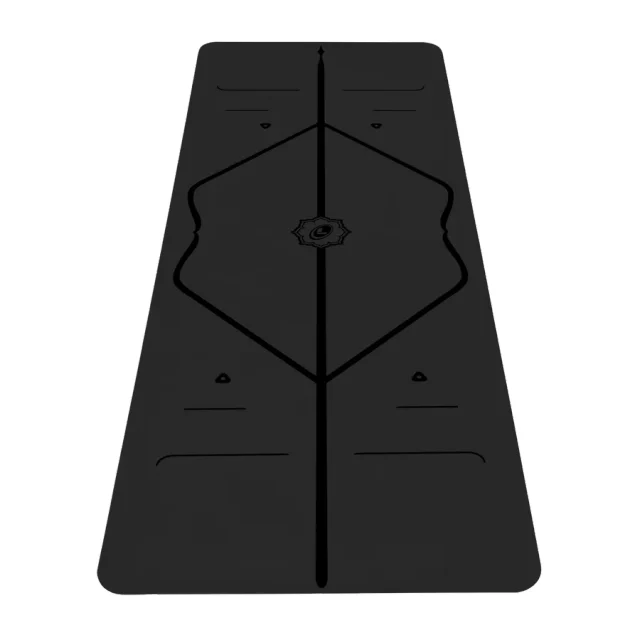
- Liforme Classic Yoga Mat - Buy. The strongest sweaty-practice grip here, with etched alignment guides, at a premium price.
- Manduka PRO Yoga Mat - Buy. A dense, near-indestructible mat with a lifetime guarantee that you have to break in first.
- JadeYoga Jade Harmony Yoga Mat - It depends. Grippy open-cell natural rubber at a fairer price, with the upkeep and lifespan trade-offs that come with it.
- Gaiam Essentials Thick Yoga Mat - Skip. Plush and cheap, but the foam gets slippery when you sweat and compresses within months.
The verdict in 30 seconds
What mattered most
- Grip when sweaty
- Surface material
- Cushioning
- Durability
- Weight and portability
- Verdict
A yoga mat has one job that matters most: keeping your hands and feet planted when your palms start to sweat. Cushioning, weight, and how long the mat lasts come next. We read across independent testers and long-term owners to sort mats that grip and endure from mats that only look the part, and we included one popular option we would not buy for actual yoga.
The strongest sweaty-practice grip here, with etched alignment guides, at a premium price.
Best for: Sweaty vinyasa or hot-yoga practitioners, and beginners who want built-in alignment cues.
- GripForMe polyurethane top grips harder as it absorbs sweat, so it holds through hot and fast-flowing sessions
- AlignForMe etched center line plus hand and foot markers help beginners set a square, repeatable foundation
- The polyurethane top surface scuffs and can show wear along high-contact zones over a few years of daily use
- Heavy at roughly 5.5 pounds (2.5 kg) for a 4.2mm mat, so it is not a casual carry
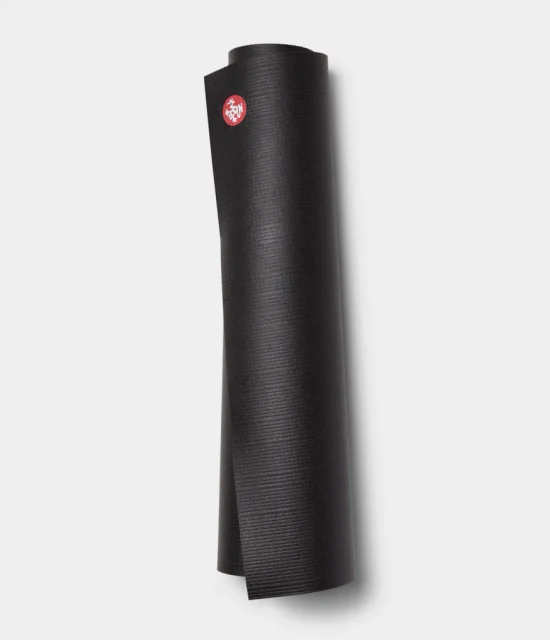
A dense, near-indestructible mat with a lifetime guarantee that you have to break in first.
Best for: Committed practitioners who want one mat that lasts for years and do not mind a break-in period.
- Ultra-dense closed-cell construction gives firm, floor-like stability and does not soak up sweat, so it wipes clean and resists odor
- Backed by a lifetime guarantee and a dot-pattern underside that stays locked to the floor, it routinely outlasts a decade of practice
- The closed-cell surface does not absorb moisture, so Manduka itself says it may feel slick if you sweat and suggests a towel; grip improves with regular practice
- At about 7.5 pounds it is heavy to carry, and the 6mm firmness feels hard under sensitive knees
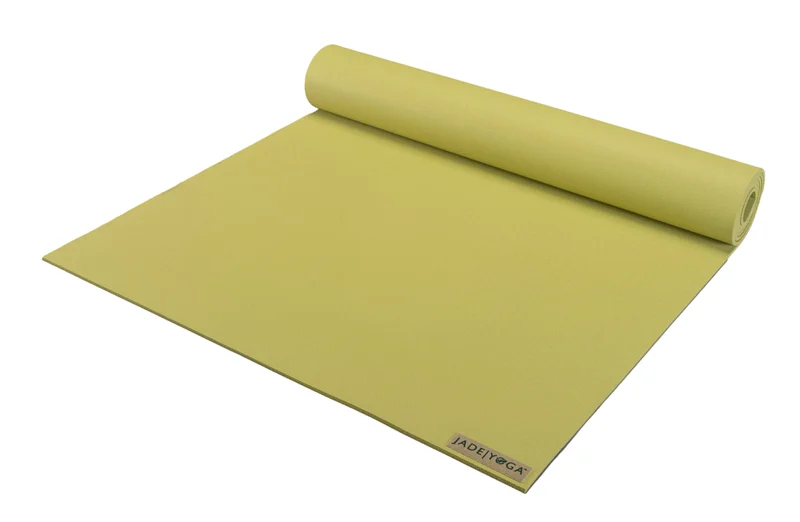
Grippy open-cell natural rubber at a fairer price, with the upkeep and lifespan trade-offs that come with it.
Best for: Eco-minded practitioners who want dependable grip without paying top-tier prices.
- Open-cell natural rubber delivers immediate, reliable traction that holds even when the surface is damp, with no break-in needed
- Made from a renewable, PVC-free material, and the maker plants a tree for every mat sold
- The open-cell surface absorbs sweat and skin oils, so it needs regular cleaning and can wear, pill, or shed with heavy use
- It carries a strong rubber smell out of the box, and Jade says trace latex proteins may be present and advises people with latex allergies to avoid it
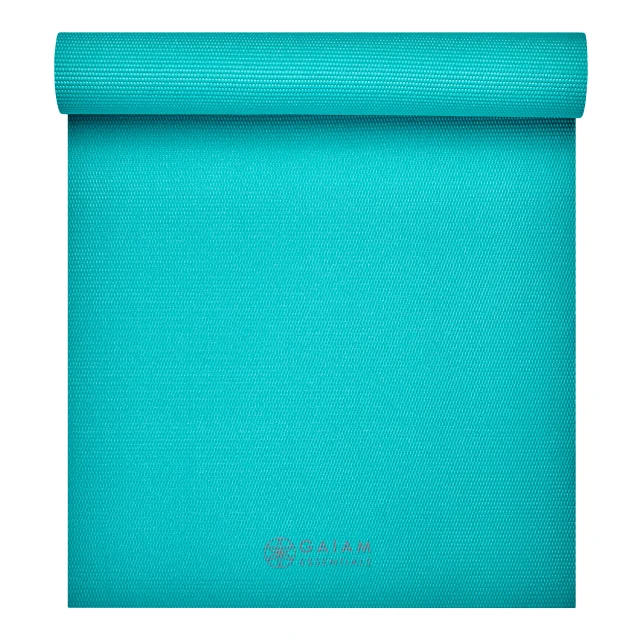
Plush and cheap, but the foam gets slippery when you sweat and compresses within months.
Best for: Occasional floor stretching or padding under other exercises, not grip-dependent yoga flows.
- Thick NBR foam is genuinely cushioned and easy on knees and elbows during floor work
- Priced low enough to be a low-risk first mat for occasional stretching
- The foam surface turns slick once palms sweat, which undermines grip in any flowing or standing sequence
- The soft foam compresses, dents where hands and feet land, and can tear within months of frequent practice
| Criteria | Liforme Classic Yoga Mat Top pick | Manduka PRO Yoga Mat | Jade Harmony Yoga Mat | Gaiam Essentials Thick Yoga Mat |
|---|---|---|---|---|
| Verdict | Buy it | Buy it | It depends | Skip it |
| Best for | Sweaty vinyasa or hot-yoga practitioners, and beginners who want built-in alignment cues. | Committed practitioners who want one mat that lasts for years and do not mind a break-in period. | Eco-minded practitioners who want dependable grip without paying top-tier prices. | Occasional floor stretching or padding under other exercises, not grip-dependent yoga flows. |
| Price tier | $$$$ · flagship | $$$$ · flagship | $$$ · premium | $ · budget |
| Grip when sweaty | Excellent; grips harder as it absorbs moisture | Can feel slick if you sweat; improves with use | Strong and immediate, no break-in | Poor; turns slippery once you sweat |
| Surface material | Eco-polyurethane over natural rubber | Dense closed-cell PVC | Open-cell natural rubber | Closed-cell NBR foam |
| Cushioning | Balanced, ~4.2mm | Firm and thin-feeling, 6mm | Firm, ~5mm | Plush and soft, 10mm |
| Durability | Good; top can scuff over years | Exceptional; lifetime guarantee | Moderate; can wear and shed | Poor; compresses and tears |
| Weight and portability | Heavy, ~5.5 lb | Heaviest, ~7.5 lb | Moderate, ~5 lb | Light and rollable |
| Verdict | Buy | Buy | Depends | Skip |
Which one is right for you?
- Sweaty vinyasa or hot-yoga practitioners, and beginners who want built-in alignment cues. Buy it Liforme Classic Yoga Mat
- Committed practitioners who want one mat that lasts for years and do not mind a break-in period. Buy it Manduka PRO Yoga Mat
- Eco-minded practitioners who want dependable grip without paying top-tier prices. It depends JadeYoga Jade Harmony Yoga Mat
- Occasional floor stretching or padding under other exercises, not grip-dependent yoga flows. Skip it Gaiam Essentials Thick Yoga Mat
How we judged the field
We do not lab-test mats or measure them on a bench. Instead we read widely across independent expert testers and long-term owner reviews, then weigh the patterns that keep repeating: does the surface hold when your palms and feet get slick, does the cushioning protect knees and wrists without turning wobbly, and does the mat survive years of rolling, unrolling, and floor scrubbing without flaking, thinning, or falling apart. We limited the shortlist to mats that are still made and easy to buy today, and we deliberately set price aside until the end so grip and durability drove the decision rather than a number.
We also insisted on naming one mat we would not buy. Plenty of popular mats are purchased for yoga and quietly fail at it, and leaving those out would make every guide read like an advertisement. Four mats made the final cut: three we would spend our own money on for different kinds of practice, and one we would leave on the shelf.
Liforme Classic Yoga Mat
Buy itThe Liforme earns its place on grip. Its polyurethane top surface is engineered to grab harder as it absorbs moisture, so the sweatier the session, the more planted your hands and feet feel. That behavior is the opposite of foam, and it is why the mat suits hot yoga and fast vinyasa. The etched alignment markers, a center line plus hand and foot guides, are genuinely useful for newer practitioners trying to square up a pose or check symmetry. The trade-offs are real: it commands a premium price, the polyurethane top can scuff and show wear along high-contact zones after a few years of daily use, and at roughly five and a half pounds it is not a casual carry. For grip and guidance, though, nothing else here matches it.
Manduka PRO Yoga Mat
Buy itThe Manduka PRO is the endurance choice. Its ultra-dense closed-cell construction gives a firm, floor-like base that does not absorb sweat, so it wipes clean and resists odor over years, and the dot-pattern underside keeps it anchored. It is backed by a lifetime guarantee, and owners routinely report a decade or more of service. The catch is that the same closed-cell surface that makes it hygienic also makes it slippery when new. Manduka’s own advice is simply to practice on it regularly and add a towel for sweaty or heated sessions; it specifically does not recommend a salt scrub. It is also the heaviest mat here at around seven and a half pounds, and its firmness feels hard under sensitive knees. Buy it if longevity matters more than instant traction.
Jade Harmony Yoga Mat
It dependsThe Jade Harmony offers strong natural-rubber grip at a more reasonable price. Its open-cell surface bites immediately and holds even when damp, with no break-in required, and the material is renewable and free of PVC. Those strengths come with maintenance. The open-cell surface soaks up sweat and skin oils, so it needs regular cleaning, and it tends to wear, pill, or shed faster than a dense synthetic mat. It also arrives with a pronounced rubber smell, and Jade says trace latex proteins may be present and advises anyone with a latex allergy to avoid its mats. It is a genuine buy for the right person, and a clear pass for others, which is why we rate it depends.
Gaiam Essentials Thick Yoga Mat
Skip itThe Gaiam Essentials is the mat we would not buy for yoga. Its thick NBR foam is undeniably cushioned and kind to knees, and it costs little. But cushioning is not grip. Once your palms sweat, the foam surface turns slick, which undermines any flowing or standing sequence where traction is the whole point. The soft foam also compresses, dents where hands and feet repeatedly land, and can tear within months of regular practice. As padding under other floor exercises it is fine. As a mat you trust in downward dog, it is not.
Liforme Classic vs Manduka PRO: which should you buy?
These two anchor the top of the list, and they solve different problems. Choose the Liforme Classic if grip is your priority, especially for hot or sweaty practice, and if the alignment markers would help you build cleaner poses. You accept a premium price and a top surface that will show its age over years. Choose the Manduka PRO if you want a mat that outlasts nearly everything, cleans easily, and comes with a lifetime guarantee, and you are willing to break it in before it grips well and to carry its extra weight. In short: Liforme for immediate traction and guidance, Manduka for long-haul durability. Neither is a mistake; they simply reward different priorities.
What to look for
Start with grip, because a mat that slides is a safety problem, not an inconvenience. If you sweat heavily or practice hot styles, favor a moisture-absorbing polyurethane top or open-cell rubber over closed-cell foam. Next, weigh material against upkeep and allergies: natural rubber grips well but smells at first, needs cleaning, and contains latex; dense synthetics last longer and wipe clean; cheap foam grips the least. Think about thickness. Around four to five millimeters suits most people, balancing stability with joint padding, while thicker mats cushion knees but can feel unstable in balancing poses. If your joints ache, a folded blanket under a firmer mat beats relying on soft foam. Finally, factor in weight and whether you will carry the mat to a studio, and remember that some dense mats need a break-in before they grip.
Our final take
For most people who want the surest footing and a little guidance, the Liforme Classic is the mat to buy, as long as the premium price and gradual surface wear are acceptable. The Manduka PRO is the runner-up and the smarter pick if you prize durability above out-of-the-box grip. The Jade Harmony is a fair-priced, grippy option for eco-minded practitioners who do not mind upkeep and a shorter lifespan. And the Gaiam Essentials, cushioned as it is, should be skipped for real yoga, because a mat that slips when you sweat has failed at the one job that counts.
Questions, answered
Which yoga mat has the best grip when you sweat?
The Liforme Classic grips the strongest in sweaty sessions because its polyurethane top gains traction as it absorbs moisture. Jade's open-cell rubber also grips well when damp. Avoid closed-cell foam like the Gaiam, which grows slippery once your palms sweat.
Why is the Manduka PRO slippery at first?
Its dense closed-cell surface keeps moisture from soaking in, so sweat sits on top and the mat can feel slick. Manduka recommends simply practicing on it regularly and pairing it with a towel for sweaty or heated sessions; it does not recommend the salt method or other treatments.
How thick should a yoga mat be?
Around 4 to 5mm suits most practices, balancing stability with joint padding. Thicker 6mm mats cushion knees but can feel unstable in balancing poses. If you have sensitive joints, add a folded blanket under a firmer mat rather than relying on soft foam.
Are natural rubber mats worth it over PVC or foam?
Natural rubber, like Jade's, grips well and is renewable, but it smells at first, needs cleaning, and can carry trace latex proteins. Dense PVC lasts longer and wipes clean. Cheap NBR foam is the weakest for grip. Choose based on grip needs and allergies.
How long should a good yoga mat last?
A dense mat like the Manduka PRO can last a decade with a lifetime guarantee. Natural rubber mats typically run a few years before wearing. Budget foam mats often compress or tear within months of frequent use, which is why they cost less.
Deciding between the top two? See our head-to-head: Liforme Classic Yoga Mat vs Manduka PRO Yoga Mat.
More Home Gym reviews
 The Best Punching Bags: 4 Compared (and One to Skip)
  The Best Spin Bikes: 4 Compared (and One to Skip)
  The Best Ab Rollers: 4 Compared (and One to Skip)
  Best Adjustable Dumbbells: 4 Sets Compared (and One to Skip)
  The Best Adjustable Kettlebells (2026): Four Bells Compared, One to Skip
  The Best Barbells for Home Gyms: 4 Compared (and One to Skip)