

Cycling
The Best Commuter Bike Helmets: Real Safety You'll Actually Wear (and One to Skip)
We compared the Virginia Tech safety ratings, certifications, lights, and comfort of four urban bike helmets to find the best commuter lid worth your money - and the stylish one to skip.
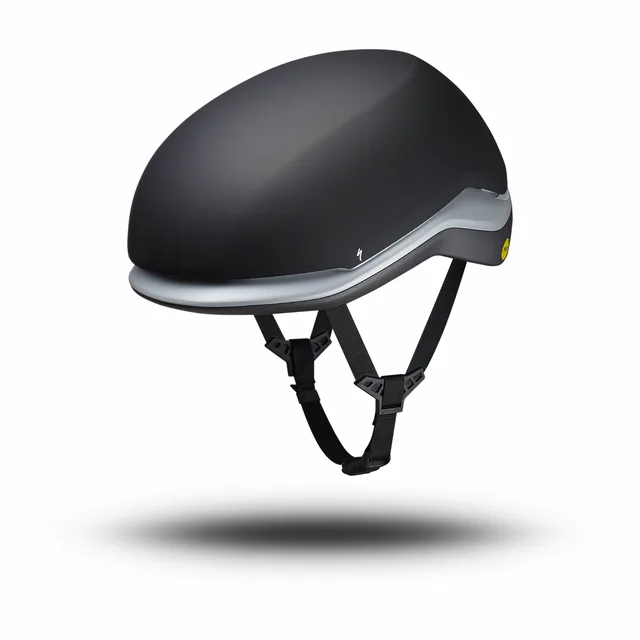
The short version
Our pick is the Specialized Mode MIPS: a 5-star Virginia Tech-rated, NTA 8776-certified commuter lid with hidden vents, though its light mounts separately and it is now on final sale. The Bern Hudson MIPS wins if you want a rechargeable light, flip visor, and NTA 8776 certification in the box, accepting a 3-star rating. The 4-star Thousand Chapter MIPS suits style-first riders wanting a 30-lumen magnetic taillight and secret PopLock. Skip the Thousand Heritage 2.0: it omits MIPS and scored 0 stars. Best for daily bike and e-bike commuters who want rotational protection first and looks second.
Our picks at a glance
- Specialized Mode MIPS - Buy. The rare urban helmet that scores like a race lid in independent safety testing - without the race-lid price.
- Bern Hudson MIPS - Buy. A do-everything commuter helmet with a built-in rear light and an e-bike-grade safety rating to match.
- Thousand Chapter MIPS - It depends. The famously good-looking commuter helmet - comfy and MIPS-equipped, but you pay a premium for the style.
- Thousand Heritage 2.0 - Skip. Beautiful vintage looks, but it leaves out the rotational (MIPS) protection that its own sibling includes.
The verdict in 30 seconds
What mattered most
- Rotational protection (MIPS)
- Virginia Tech rating
- Integrated light
- E-bike (NTA 8776) rated
- Ventilation
- Price tier
A commuter helmet lives a hard life: crammed in a bag, worn in the rain, and expected to protect you when a car door swings open without warning. We looked at how four popular urban lids actually hold up in independent safety testing - not just how they photograph. Three are worth wearing; one trades real protection for retro looks, and we'll tell you exactly which.
The rare urban helmet that scores like a race lid in independent safety testing - without the race-lid price.
Best for: Riders who want maximum crash protection in a clean, understated everyday helmet.
- 5-star Virginia Tech rating, among the best scores in the lab's urban category
- MIPS rotational protection in a slim, low-profile shape that doesn't scream 'helmet'
- Reflective decals and compatibility with Specialized's clip-on Stix light
- No integrated light - the add-on light is a separate purchase
- Ventilation is only average despite the hidden vents
- Glossy shell scratches and shows fingerprints easily
- Specialized now lists it as a final-sale item, so sizes and colors may run out

A do-everything commuter helmet with a built-in rear light and an e-bike-grade safety rating to match.
Best for: E-bike and all-weather commuters who want a light, visor, and NTA 8776 certification in one package.
- MIPS plus the tougher e-bike (NTA 8776) certification, alongside CPSC and EN 1078
- Rechargeable Click-Mount rear LED and flip-up visor included in the box
- 13 vents with internal channels; reinforced rear vents double as lock ports
- Only a 3-star Virginia Tech rating, below the Mode and the Chapter
- Skate-inspired shape is chunkier than a slim road helmet
- Bern does not publish the light's brightness or run time

The famously good-looking commuter helmet - comfy and MIPS-equipped, but you pay a premium for the style.
Best for: Style-conscious city riders who'll actually wear a helmet because they like how this one looks.
- MIPS protection wrapped in a clean, iconic design
- Comfortable fit plus a clever lock-through PopLock
- Includes a 30-lumen magnetic rear taillight
- Priced above the 5-star Mode despite a lower 4-star Virginia Tech rating
- CPSC and CE certified only; no e-bike (NTA 8776) certification
- Thousand's accident replacement covers the helmet, not the lost riding time

Beautiful vintage looks, but it leaves out the rotational (MIPS) protection that its own sibling includes.
Best for: Almost no one over the near-identical-looking Chapter MIPS - spend a little more for real rotational protection.
- Gorgeous retro design
- Meets CPSC bicycle and ASTM skate standards
- Comfortable, inclusive fit with vegan-leather straps and a magnetic fastener
- No MIPS or any rotational-impact protection
- Scored 0 stars (not recommended) in Virginia Tech's bicycle helmet ratings
- Taillight costs extra - you're paying mostly for the looks
| Criteria | Specialized Mode MIPS Top pick | Bern Hudson MIPS | Thousand Chapter MIPS | Thousand Heritage 2.0 |
|---|---|---|---|---|
| Verdict | Buy it | Buy it | It depends | Skip it |
| Best for | Riders who want maximum crash protection in a clean, understated everyday helmet. | E-bike and all-weather commuters who want a light, visor, and NTA 8776 certification in one package. | Style-conscious city riders who'll actually wear a helmet because they like how this one looks. | Almost no one over the near-identical-looking Chapter MIPS - spend a little more for real rotational protection. |
| Price tier | $$ · mid-range | $$ · mid-range | $$$ · premium | $$ · mid-range |
| Rotational protection (MIPS) | Yes | Yes | Yes | No |
| Virginia Tech rating | 5 stars | 3 stars | 4 stars | 0 stars (not recommended) |
| Integrated light | No (Stix light sold separately) | Yes, rear LED | Yes, 30-lumen taillight | Optional (extra) |
| E-bike (NTA 8776) rated | Yes | Yes | No | No |
| Ventilation | Hidden vents (count not published) | Good (13 vents) | Good (8 vents) | Modest (count not published) |
| Price tier | $$ · mid-range | $$ · mid-range | $$$ · premium | $$ · mid-range |
Which one is right for you?
- Riders who want maximum crash protection in a clean, understated everyday helmet. Buy it Specialized Mode MIPS
- E-bike and all-weather commuters who want a light, visor, and NTA 8776 certification in one package. Buy it Bern Hudson MIPS
- Style-conscious city riders who'll actually wear a helmet because they like how this one looks. It depends Thousand Chapter MIPS
- Almost no one over the near-identical-looking Chapter MIPS - spend a little more for real rotational protection. Skip it Thousand Heritage 2.0
How we judged the field
Commuter helmets get sold on looks and lumens, so we sorted the useful from the cosmetic. We weighted rotational-impact protection (a MIPS liner or equivalent), retention and fit range, everyday ventilation, built-in or mountable lighting, weight, and commuter extras like visors and lock compatibility. We read past ‘e-bike rated’ badges to what each certification actually covers, and treated ‘integrated light’ claims skeptically when the light is dim or sold separately. RBE does not run a crash lab; we rely on the Virginia Tech Helmet Lab’s published bicycle helmet ratings, each maker’s own certification statements, and long-term owner reports, and flag where they disagree. The Specialized Mode MIPS is our pick for its protection rating and clean coverage, with the Bern Hudson MIPS the runner-up for riders who want a light and visor already in the box.
Specialized Mode MIPS
Buy itThe Mode is a smooth-shelled urban helmet built around protection. It uses a MIPS liner to manage rotational impact, carries a 5-star Virginia Tech rating, and passes the Dutch NTA 8776 e-bike standard alongside CPSC, so it is validated for higher-speed riding. Rather than open vents, it uses hidden vents and internal channels for airflow, adds reflective decals, and is compatible with Specialized’s clip-on Stix lights; Specialized notes it no longer supports the ANGi crash sensor. Two headforms (Classic and Round Fit) plus three shell sizes widen the fit range. One caveat: Specialized currently lists the Mode as a final-sale item, which usually signals a closeout, so check size and color availability before you commit. What we liked more: the combination of a top safety rating, e-bike certification, and a clean, hole-free look that suits commuting clothes. What we liked less: there is no light in the box, so you mount a Stix separately, and the closed-in shell runs warmer than vented rivals on hot days. Right buyer: a bike or e-bike commuter who wants protection and understated style first. Wrong buyer: someone who wants an integrated light included and maximum summer ventilation.
Bern Hudson MIPS
Buy itThe Hudson is the do-it-all commuter that arrives ready to ride. It pairs a MIPS liner with CPSC, EN 1078, and the NTA 8776 e-bike certification, which Bern says covers e-bike rides up to about 28 mph, and it includes a Click-Mount rechargeable rear LED light plus a flip-up visor for sun and light rain. A Compass Fit dial handles retention, and 13 vents with internal channels keep it cooler than sleeker urban lids; reinforced rear vents are shaped to thread a bike lock through. Bern lists the average weight at 370 grams. What we liked more: the value of getting a light and visor in the box, and the extra airflow for warmer commutes. What we liked less: Virginia Tech rated the Hudson at 3 stars, below the Mode’s 5 and the Chapter’s 4, so its case rests on the e-bike certification and the bundled kit rather than on a top lab score; Bern does not publish the LED’s brightness, so treat it as a be-seen light rather than a see-with one; and the skate-inspired shape sits bulkier on the head than the Mode. Right buyer: a commuter who wants light, visor, and ventilation bundled without buying accessories. Wrong buyer: someone after the lowest-profile look or a truly bright integrated headlight.
Thousand Chapter MIPS
It dependsThe Chapter MIPS is the style-led option that still takes safety seriously. It adds a MIPS liner to Thousand’s signature design, earned a 4-star Virginia Tech rating, includes a 30-lumen USB-rechargeable magnetic rear light (Thousand quotes one hour solid or two hours flashing), and uses a magnetic buckle plus the brand’s PopLock, a removable rear logo that lets you thread a bike lock through the helmet and secure it to your frame. Thousand lists it at 360 grams in small, 370 in medium, and 410 in large, with eight vents feeding internal channels, and certifies it to CPSC and CE standards but not NTA 8776. What we liked more: the low weight, the useful magnetic taillight, and the PopLock security trick. What we liked less: you pay a premium for a lid that scores a star below the cheaper Mode, and the fit skews rounder with fewer adjustment options than the Specialized or Bern retention systems. Right buyer: a design-conscious commuter who wants MIPS, integrated lighting, and lock security in a light package and will pay for it. Wrong buyer: a value-focused rider, or anyone needing a wide fit-adjustment range for an unusual head shape.
Thousand Heritage 2.0
Skip itTo be fair, the Heritage 2.0 is the best-looking lid here and shares the clever PopLock lock-through logo and a magnetic clasp with the Chapter. It has a dial fit system, a built-in low-profile visor, vegan-leather straps, and can take Thousand’s magnetic rear taillight, and it is certified to CPSC for cycling and ASTM for skating. The problem for a commuter roundup is protection: the Heritage 2.0 does not include a MIPS liner, so it lacks the rotational-impact management every other pick here offers, and Virginia Tech scored it at 0 stars, its not-recommended tier, in the lab’s bicycle helmet ratings. Thousand does not publish its weight or vent count, and owners describe it as warmer than the Chapter. The taillight is also an add-on rather than included. What we liked more: the classic silhouette and the PopLock security. What we liked less: no MIPS, the 0-star lab result, and the extra heat. Right buyer: a short-hop, style-first rider who does not want MIPS and rides in cool weather. Wrong buyer: most daily or e-bike commuters, who are better served by the Chapter MIPS or our two top picks.
Sources
Specs in this review come from these pages.
- Specialized, Mode helmet product page (MIPS, NTA 8776, Virginia Tech rating, fit) (specialized.com)
- Bern Helmets, Hudson MIPS Bike Helmet product page (certifications, vents, weight, included light and visor) (bernhelmets.com)
- Thousand, Chapter MIPS Helmet product page (light, vents, weights, certifications) (explorethousand.com)
- Thousand, Heritage 2.0 Bike & Skate Helmet product page (certifications, features, light sold separately) (explorethousand.com)
- Virginia Tech Helmet Lab, Bicycle Helmet Ratings (star ratings for Mode, Hudson, Chapter MIPS, Heritage 2.0) (helmet.beam.vt.edu)
Specialized Mode MIPS vs Bern Hudson MIPS: which should you buy?
Both carry MIPS and the NTA 8776 e-bike certification, but only the Mode has a 5-star Virginia Tech rating; the Hudson scored 3 stars. Choose the Specialized Mode MIPS for the stronger lab result, a lower-profile, hole-free look, and a two-headform fit system, accepting that you buy and mount a Stix light separately, that the closed shell runs warmer, and that it is now a final-sale item. Choose the Bern Hudson MIPS if you want to ride the day you unbox it: it includes a rechargeable rear light and a flip visor, and its 13 vents keep your head cooler on warm commutes. The trade is a bulkier, skate-style shape, a lower lab rating, and an included light whose brightness Bern does not publish. In short, the Mode is the tidier, protection-first commuter lid for riders who will add their own lighting, while the Hudson is the better-equipped, cooler-running package for those who want everything bundled and accept the 3-star score.
What to look for
Start with protection. Prioritize a MIPS liner or equivalent rotational-impact system, then check the Virginia Tech Helmet Lab’s star rating and, if you ride an e-bike or fast roads, the NTA 8776 certification. Next, fit: measure your head and match it to the brand’s size range, and favor a dial retention system and, if your head is rounder or narrower, a helmet offering multiple headforms like the Mode. Then weigh the ventilation-versus-coverage trade: more vents ride cooler but expose more shell, while smoother lids run warmer with deeper coverage. Decide whether you need lighting in the box or will mount your own, and be clear about be-seen versus see-with brightness. Finally, factor commuter extras such as visors, lock-through features, and weight for all-day comfort. Whatever you pick, replace it after any impact and roughly every five years, and never buy used, since you cannot see prior damage.
Our final take
For most commuters, the Specialized Mode MIPS is the safest, tidiest choice: a 5-star rating, e-bike certification, and clean looks, provided you add a light and can still find your size. The Bern Hudson MIPS is the better-equipped, cooler-running package if you want a light and visor bundled and accept its 3-star rating. The 4-star Thousand Chapter MIPS rewards style-first riders who will pay for low weight, lighting, and lock security. Skip the Thousand Heritage 2.0 for daily duty: without MIPS and with a 0-star lab result, it asks you to trade protection for looks.
Questions, answered
Do I really need MIPS for commuting?
Yes, for most riders. MIPS manages rotational forces in angled impacts, the kind common in traffic falls. Every pick here except the Thousand Heritage 2.0 includes it, and the Heritage 2.0 is also the only one Virginia Tech scored at 0 stars. If you commute daily or ride an e-bike, treat rotational protection as non-negotiable rather than an upgrade.
Which of these includes a light?
The Bern Hudson MIPS and Thousand Chapter MIPS include rechargeable rear lights; Thousand rates the Chapter's at 30 lumens, while Bern does not publish a figure for its Click-Mount light. The Specialized Mode MIPS does not include one, requiring a separately mounted Stix light. The Thousand Heritage 2.0's taillight is an optional add-on, not included.
Are these rated for e-bikes?
The Specialized Mode MIPS and Bern Hudson MIPS meet the Dutch NTA 8776 e-bike standard, which Bern describes as covering rides up to about 28 mph. If you ride a faster e-bike, prioritize those two. Standard bike helmets certified only to CPSC or EN 1078 are validated for lower impact speeds.
How often should I replace a commuter helmet?
Replace it immediately after any crash or hard impact, even without visible cracks, because the foam compresses once. Absent a crash, most makers suggest replacement around every five years as materials and straps age. Store it away from heat, which degrades the liner over time.
Deciding between the top two? See our head-to-head: Specialized Mode MIPS vs Bern Hudson MIPS.
More Cycling reviews
 The Best Cycling Gloves: 4 Compared (and One to Skip)
 The Best Electric Bikes: 4 Compared (and One to Skip)
 The Best Handlebar Bags: 4 Compared (and One to Skip)
 The Best Handlebar Tape: 4 Compared (and One to Skip)
 The Best Hitch Bike Racks: 4 Compared (and One to Skip)
 The Best Mini Bike Pumps: 4 Compared (and One to Skip)