

Outdoors & Fitness
The Best Budget Fitness Trackers (and the One to Skip)
We compared four popular budget fitness trackers against expert reviews to find real value, clear trade-offs, and the one most buyers should avoid.
The short version
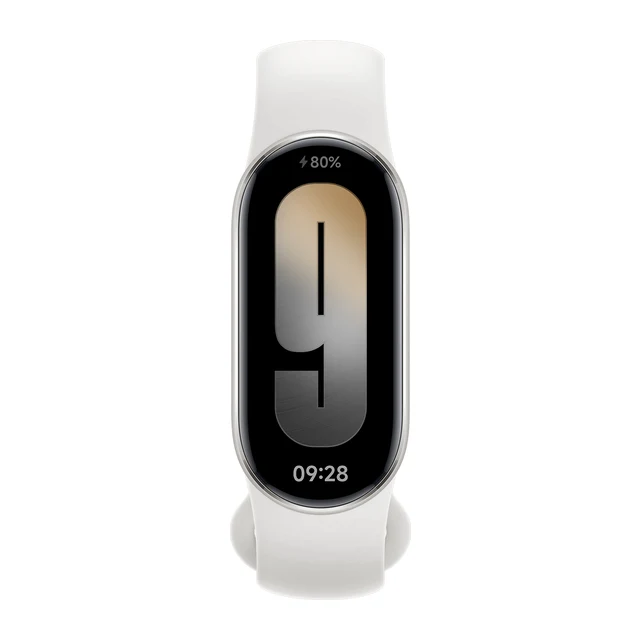
The Xiaomi Smart Band 9 is our pick: a bright 1.62-inch AMOLED screen, roughly three-week battery, and full features with no subscription make it the low-maintenance everyday tracker most people want. The Fitbit Inspire 3 wins when guided sleep and readiness coaching matter more than hardware, if you'll pay for Premium. Skip the Wyze Watch 47c; it overestimates steps, heart rate, and sleep, and tracks little beyond running. Best for people who want an accurate, long-lasting daily tracker without recurring fees.
Our picks at a glance
- Xiaomi Smart Band 9 - Buy. The best value in fitness tracking, period, with a bright color screen and battery that lasts nearly three weeks.
- Fitbit Inspire 3 - Buy. The most trustworthy sleep and heart-rate data at this price, if you can live with Fitbit's paywall.
- Amazfit Bip 6 - It depends. A giant, gorgeous screen with real onboard GPS at a mid-range price, undercut by inconsistent sensor readings.
- Wyze Watch 47c - Skip. Cheap and pretty, but it's a glorified pedometer that overestimates nearly everything it measures.
The verdict in 30 seconds
What mattered most
- Price tier
- Display
- Battery life
- Built-in GPS
- Subscription for full features
- Sensor accuracy
You don't need to spend premium money to count steps, track sleep, and watch your heart rate. In 2026, budget bands finally ship bright AMOLED screens and multi-week battery life, but they still differ hugely on GPS, sensor accuracy, and whether the good data is locked behind a subscription. Here's the breakdown from reviewers who actually wore them, including one popular tracker we think you should skip.
The best value in fitness tracking, period, with a bright color screen and battery that lasts nearly three weeks.
Best for: Anyone who wants the most tracker for the least money without recurring costs.
- Large 1.62" color AMOLED with 150+ sport modes
- Up to 21 days of battery (Xiaomi's typical-use rating) and no subscription fees ever
- No built-in GPS, so it leans on your phone for routes
- Lighter health coaching and recovery analysis than Fitbit

The most trustworthy sleep and heart-rate data at this price, if you can live with Fitbit's paywall.
Best for: People who want the best health and sleep insights and don't mind the Fitbit ecosystem.
- Excellent sleep staging, Sleep Score, and reliable resting heart rate
- Active Zone Minutes and comfortable, lightweight design
- Sleep Profile and other deeper insights need Fitbit Premium once the included trial ends
- No onboard GPS and heart rate lags in high-intensity intervals

A giant, gorgeous screen with real onboard GPS at a mid-range price, undercut by inconsistent sensor readings.
Best for: Runners and hikers who prioritize onboard GPS and screen size over pinpoint accuracy.
- Built-in GPS with offline maps and 140+ workout modes
- Huge, bright 1.97" AMOLED and ~14-day battery, no subscription
- Reviewers logged inconsistent calorie and heart-rate data (roughly 400 fewer calories vs. rivals)
- Repeated/duplicate notification bugs reported
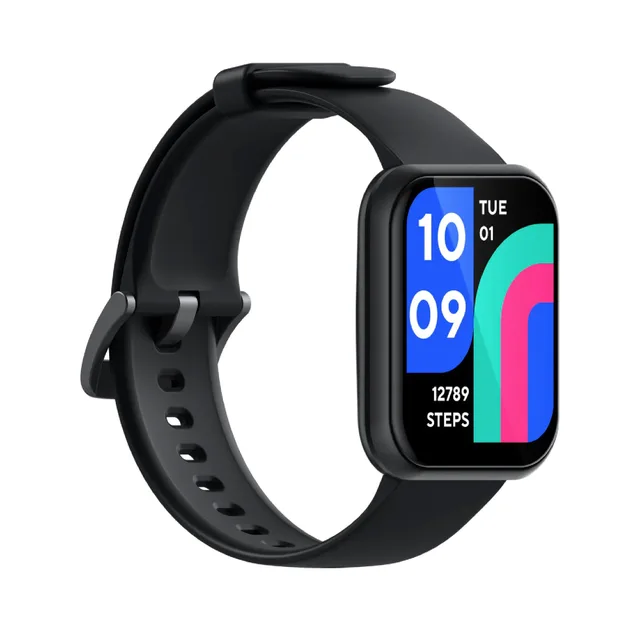
Cheap and pretty, but it's a glorified pedometer that overestimates nearly everything it measures.
Best for: Almost no one focused on fitness; only Wyze smart-home owners who just want notifications.
- Low price and clean smart-home integration
- Reads notifications and heart rate at a glance
- Workout tracking is minimal, with a Run mode as its main dedicated option
- Wyze now lists it as a final-sale, end-of-life product
- Overestimates steps, heart rate, and sleep versus reference devices
| Criteria | Smart Band 9 Top pick | Inspire 3 | Bip 6 | Watch 47c |
|---|---|---|---|---|
| Verdict | Buy it | Buy it | It depends | Skip it |
| Best for | Anyone who wants the most tracker for the least money without recurring costs. | People who want the best health and sleep insights and don't mind the Fitbit ecosystem. | Runners and hikers who prioritize onboard GPS and screen size over pinpoint accuracy. | Almost no one focused on fitness; only Wyze smart-home owners who just want notifications. |
| Price tier | $ · budget | $$ · mid-range | $$ · mid-range | $ · budget |
| Price tier | $ · budget | $$ · mid-range | $$ · mid-range | $ · budget |
| Display | 1.62" color AMOLED | Small color AMOLED (size not published) | 1.97" AMOLED (large, bright) | 1.75" TFT LCD |
| Battery life | Up to 21 days | Up to 10 days | Up to ~14 days | Up to ~9 days |
| Built-in GPS | No (uses phone) | No (uses phone) | Yes, with offline maps | No |
| Subscription for full features | None | Premium subscription for full insights | None | None |
| Sensor accuracy | Good for the price | Reliable HR/sleep; lags in intervals | Inconsistent (calories/HR) | Poor (overestimates) |
Which one is right for you?
- Anyone who wants the most tracker for the least money without recurring costs. Buy it Xiaomi Smart Band 9
- People who want the best health and sleep insights and don't mind the Fitbit ecosystem. Buy it Fitbit Inspire 3
- Runners and hikers who prioritize onboard GPS and screen size over pinpoint accuracy. It depends Amazfit Bip 6
- Almost no one focused on fitness; only Wyze smart-home owners who just want notifications. Skip it Wyze Watch 47c
How we judged the field
Under this budget, we focused on daily-wear fundamentals: display legibility, battery you rarely think about, heart-rate and sleep tracking that stay reasonably accurate, and how much sits behind a subscription. We valued useful workout tracking over inflated sport-mode counts, and we checked whether GPS is built in or borrowed from your phone. We downplayed marketing claims and looked at what owners report over weeks of wear. RBE synthesizes independent expert testing and long-term owner reports rather than lab-testing ourselves, so consistent real-world patterns drive the verdicts. Our pick is the Xiaomi Smart Band 9 for its bright AMOLED screen, long battery, and no-subscription features; the Fitbit Inspire 3 is the runner-up for its more mature sleep and readiness software.
Xiaomi Smart Band 9
Buy itThe Smart Band 9 is a slim tracker that punches above its class on the essentials. Its 1.62-inch AMOLED display reaches around 1,200 nits, so it stays readable in sunlight, and battery life runs to roughly three weeks on a charge, meaning you charge it about monthly rather than nightly. It tracks over 150 workout modes and uses an optical heart-rate sensor that owners find more reliable than earlier bands, with 5ATM water resistance for swims. Owners like that the core features, full-color faces plus activity and sleep tracking, need no paid subscription. What owners like less is the lack of built-in GPS; it relies on your phone’s location for mapped runs, so it’s not a standalone running watch. Notification interaction is limited, the charger is proprietary, and the third-party app ecosystem is thin. Right buyer: someone who wants a bright, long-lasting everyday tracker without recurring fees. Wrong buyer: a runner who wants to leave the phone at home.
Fitbit Inspire 3
Buy itThe Inspire 3 is a lightweight band built around Fitbit’s software strengths. It adds a compact color touchscreen to the slim, near-weightless design, runs up to about ten days per charge, and tracks SpO2, skin temperature variation, and Active Zone Minutes that nudge you toward heart-rate-based effort goals. Its sleep tracking is the draw: owners value the detailed sleep staging and the guidance layered on top. What owners like more is the coaching intelligence; Sleep Profile and Daily Readiness turn raw data into plain suggestions. What owners like less is that the richer insights, led by the monthly Sleep Profile, sit behind a Fitbit Premium subscription (Daily Readiness Score became free for Inspire 3 owners in 2024), so the out-of-box experience is thinner than the marketing implies. There’s no built-in GPS, and the screen is small. Right buyer: someone who wants guided sleep and wellness insights and doesn’t mind the ecosystem. Wrong buyer: a subscription-averse user or anyone wanting a large display and onboard GPS.
Amazfit Bip 6
It dependsThe Bip 6 blurs the line between band and smartwatch. It carries a large roughly 1.97-inch AMOLED screen, built-in GPS supporting five satellite systems with offline maps, more than 140 sport modes, and Zepp Coach, an app-based coach that builds and adjusts training plans. Owners like getting genuine onboard GPS and a big display at a budget price, which lets you map outdoor runs without carrying a phone. What owners like less is that the GPS can struggle among tall buildings, and leaning on it heavily drops the roughly two-week battery closer to ten days; the wider app ecosystem is also limited compared with mainstream smartwatches. It depends because the standalone GPS makes it the pick for outdoor runners and hikers, while it’s overkill for someone who only wants steps, sleep, and notifications. Right buyer: a budget outdoor exerciser. Wrong buyer: a casual user wanting a small, simple band.
Wyze Watch 47c
Skip itThe Wyze Watch 47c is an aggressively low-cost smartwatch with a 1.75-inch TFT LCD, heart-rate and blood-oxygen sensors, sleep tracking, a nine-day battery rating, and phone notifications. Wyze now lists it as an end-of-life, final-sale product, so stock is whatever remains. Its appeal is obvious, a clean-looking watch for very little, and for glances at notifications and time it’s serviceable. The trouble is the fitness tracking, which is the reason to buy a tracker at all. Owners and testers report it overestimates steps, heart rate, and sleep duration against established wearables, and its workout tracking is severely limited, with running the main dedicated mode. Optical heart rate tends to falter during exercise. Firmware and app support have been inconsistent over time. It earns a skip because a fitness tracker whose fitness data you can’t trust undercuts the whole purpose, even at its low price. Right buyer: someone who mainly wants a cheap notification-and-time watch. Wrong buyer: anyone relying on accurate step, heart-rate, or workout data.
Sources
Specs in this review come from these pages.
Xiaomi Smart Band 9 vs Fitbit Inspire 3: which should you buy?
The choice is hardware versus software. The Xiaomi Smart Band 9 wins on the tangibles: a larger, brighter AMOLED screen, battery life roughly double the Fitbit’s, and full features with no subscription. The Fitbit Inspire 3 wins on interpretation; its Sleep Profile and Daily Readiness Score turn data into guidance, and its app and community are more polished, but the Sleep Profile and other deeper insights require Fitbit Premium, and its battery and screen are smaller. Choose the Xiaomi if you want the most screen, the longest battery, and everything unlocked for free. Choose the Fitbit if guided sleep and recovery coaching matter more than hardware and you’ll pay for Premium. For most buyers who just want a bright, low-maintenance everyday tracker, the Xiaomi’s screen, battery, and no-fee model make it the stronger value.
What to look for
Start with the one feature you’ll rely on daily. If sleep insight is your priority, favor mature software and guided analysis, and check whether it’s free or subscription-gated before buying. If outdoor running or hiking is central, insist on built-in GPS rather than phone-tethered GPS, and accept that onboard GPS shortens battery life. For everyday step, heart-rate, and notification tracking, prioritize a bright, legible display and long battery so the device stays out of your way. Weigh subscriptions carefully; a lower purchase cost loses its appeal if the useful metrics sit behind a recurring fee. Consider water resistance if you swim, and check that charging is convenient, since proprietary chargers are easy to misplace. Finally, treat sport-mode counts skeptically; 150 modes matter less than accurate tracking of the few activities you actually do. Match the device to your real routine rather than the longest spec sheet, and you’ll wear it far longer.
Our final take
For most people, the Xiaomi Smart Band 9 is the budget tracker to buy: a bright AMOLED screen, roughly three-week battery, and full features with no subscription. The Fitbit Inspire 3 is the runner-up when guided sleep and readiness coaching outweigh hardware, provided you accept Premium. The Amazfit Bip 6 makes sense for outdoor runners who need standalone GPS. The Wyze Watch 47c is a cheap notification watch, not a tracker you should trust for fitness data. Match the device to the metric you actually rely on.
Questions, answered
Does the Xiaomi Smart Band 9 have built-in GPS?
No. It uses your phone's GPS for mapped routes, so it isn't a standalone running watch. For phone-free outdoor tracking, the Amazfit Bip 6 offers built-in GPS. For everyday steps, sleep, and heart rate, the Smart Band 9's connected GPS is fine.
Do I need a subscription to use the Fitbit Inspire 3?
Basic tracking works without one, and Google made the Daily Readiness Score free in 2024, but the monthly Sleep Profile and other deeper insights still require Fitbit Premium. Factor that recurring cost in; without it, the Inspire 3 offers less than its marketing suggests and less unlocked than the Xiaomi.
Is the Amazfit Bip 6 better than the Xiaomi Smart Band 9?
It depends on GPS. The Bip 6 adds built-in GPS and a larger screen for phone-free outdoor tracking, but its GPS can struggle in cities and drains battery. For everyday wear, the Xiaomi's longer battery and slimmer profile suit most people better.
Why is the Wyze Watch 47c a skip?
Its fitness data is the problem. Owners and testers report it overestimates steps, heart rate, and sleep, and workout tracking is limited mainly to running. As a cheap notification-and-time watch it's fine, but you shouldn't rely on its fitness numbers.
Deciding between the top two? See our head-to-head: Xiaomi Smart Band 9 vs Fitbit Inspire 3.
More Outdoors & Fitness reviews
 The Best Fixed Blade Knives: 4 Compared (and One to Skip)
  The Best Flashlights: 4 Compared (and One to Skip)
 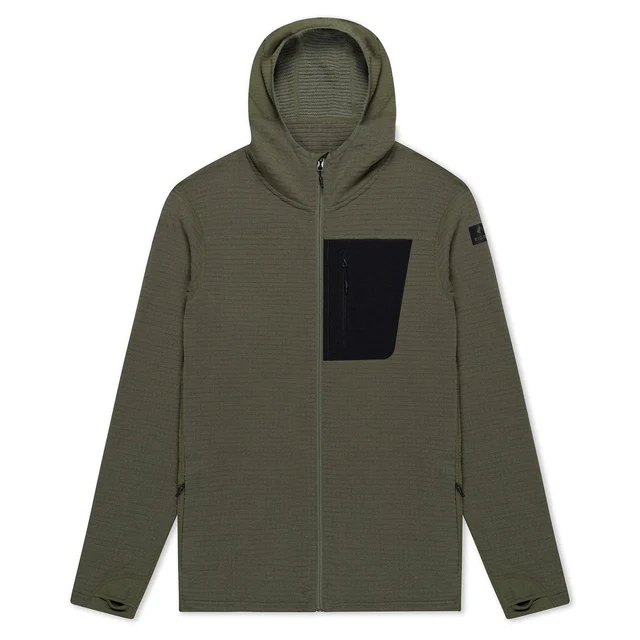 The Best Fleece Jackets: 4 Compared (and One to Skip)
 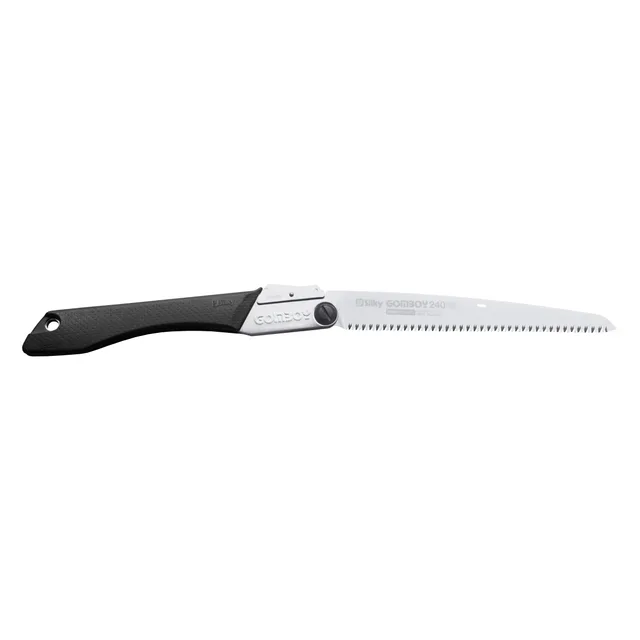 The Best Folding Saws: 4 Compared (and One to Skip)
 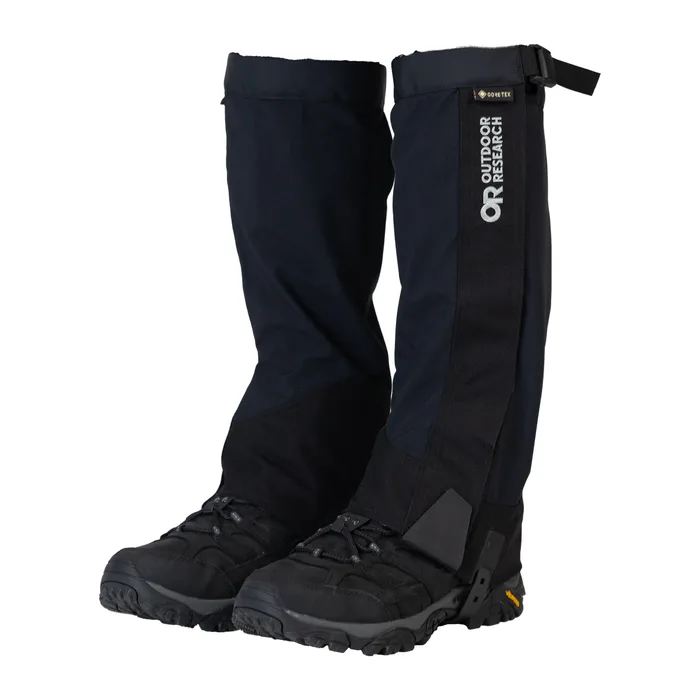 The Best Hiking Gaiters: 4 Compared (and One to Skip)
 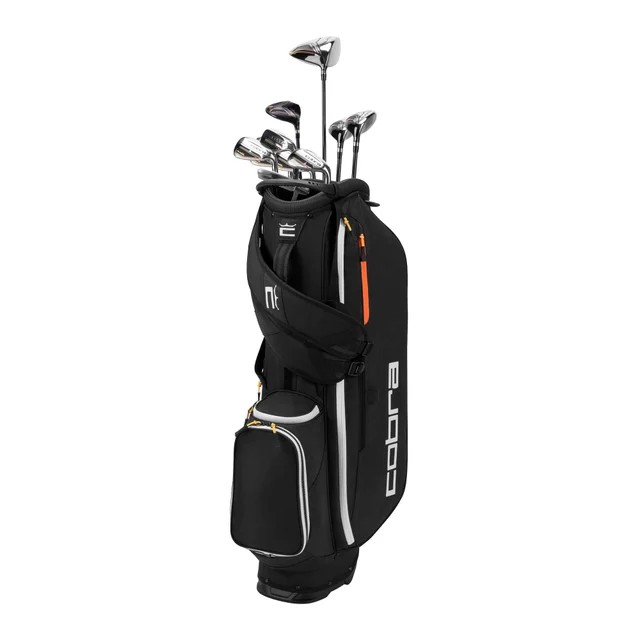 The Best Beginner Golf Club Sets: 4 Compared (and One to Skip)