Explained
Trim Restorers, Explained
After reading, you'll understand why your trim went grey, and which of the three product types will still look right in a year.
In this guide
Exterior black plastic is the part of a car that ages fastest and gets the least honest product labelling. The word restorer is applied to gels that darken the surface for a few weeks, dyes that put pigment back for a few months, and coatings that seal the plastic for a year or more. They cost similar amounts and sit on the same shelf. Knowing which is which is most of what there is to learn.
The 30-second version
- UV causes the fade, by breaking down the polymer surface and driving out the carbon black pigment.
- Three mechanisms share one name, and dressing, dye and coating last weeks, months and years respectively.
- Durability is the real spec, and the claims in this category range from two years to nothing stated at all.
- Badly faded trim wants dye first, because a coating applied over patchy oxidation makes the patchiness more obvious.
- Prevention beats restoration, and coating new trim is far easier than bringing dead trim back.
The products this guide is about
Our verdict on each, with the full reasoning on the companion review.
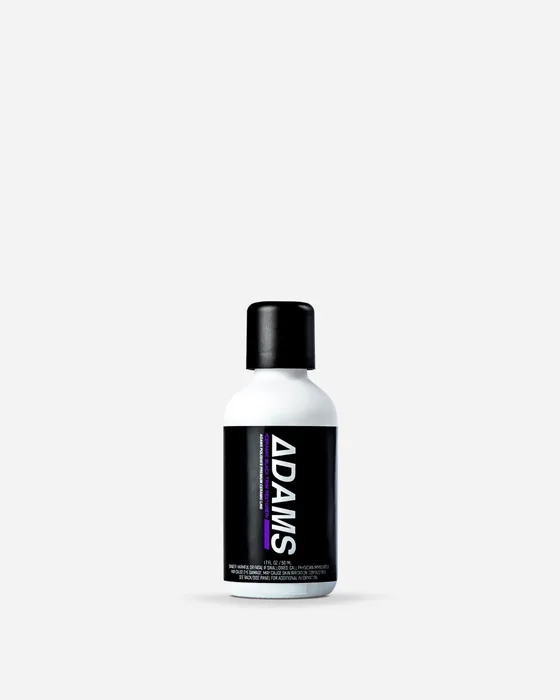
- Buy Adam's Polishes Ceramic Black Trim Restorer Restores the pigment and ceramic coats it in one step, with the longest durability claim in the category. Amazon
- Buy Turtle Wax Hybrid Solutions Graphene Acrylic Trim Restorer A graphene and acrylic coating that the brand says will not wash off, with UV protection stated explicitly.
- It depends Adam's Polishes Black Trim Restorer The brand calls it a temporary dye and says so on the page, which is the most honest sentence in the category.
- Skip Chemical Guys Rapid Black Trim & Plastic Restorer A light suspension gel that spreads colour into textured plastic, with no durability figure on the page at all. Amazon
What actually matters
- Mechanism - whether the product dresses, dyes or coats. It is the only property that reliably predicts durability, and it is often only discoverable from the description rather than the name.
- Durability claim - months or years, stated on the page. Where it is missing entirely, assume you are looking at a dressing regardless of what the label calls it.
- UV protection - whether the product blocks the ultraviolet exposure that caused the damage. Without it you are treating the symptom on a repeating schedule.
- Pigment content - whether the product adds colour back or only makes the existing surface look darker while it is wet or oiled.
- Cure time - how long the product needs before it meets water. Coatings generally want hours; dyes need to dry before anything touches them or they transfer.
- Application format - gels stay put in textured plastic where liquids run and pool. Wipes and applicators matter more on trim than on paint because the surfaces are small and awkward.
- Coverage - trim is a small area but an uneven one, and heavily oxidised plastic drinks product on the first pass.
The specs, in plain English
Green flags vs red flags
Green flags
- A durability claim in months or years, stated on the page.
- The mechanism named, whether that is dye, coating or dressing.
- A UV protection claim tied to the product rather than to the brand.
- Guidance on preparation, since coatings lock in whatever is underneath them.
- A note about suiting new trim as prevention, not only faded trim as a cure.
Red flags
- No durability claim anywhere in a category where competitors quote years.
- The word restorer on a product the description calls a gel, a dressing or a conditioner.
- No mention of UV, on a problem caused entirely by UV.
- No cure or dry time on a coating product.
- Before and after imagery doing the work that a durability figure should be doing.
Who's who: the brands
- Adam's Polishes - Sells a dye and a ceramic restorer as separate products and explains on both pages which situation each suits.
- Turtle Wax - The Hybrid Solutions line brings graphene and acrylic coatings to the mass market with UV claims stated plainly.
- Chemical Guys - Broad trim range spanning gels, dressings and restorers, with product names that do not always distinguish between them.
- Solution Finish - A specialist known mainly for one trim restorer, which the brand describes as a silicone-free formula that uses natural oils.
- Gtechniq - A coatings-first brand whose trim products are sold as sealing coatings rather than as dressings.
How to read a listing without getting fooled
Skip the product name and find the sentence that says what the product physically is. If the words gel, dressing or conditioner appear, it darkens the surface and will wash off. If the word dye or pigment appears, it puts colour back and will not protect. If the words coating, ceramic, graphene or acrylic appear with a cure implied, it seals and will last longest. Then look for a durability figure and treat its absence as an answer in itself, because a product that lasted a year would say so. Check for a UV claim, since UV is the cause. Finally look for preparation advice, because the more durable the product, the more permanently it locks in whatever you failed to clean off.
How much should you spend?
The prices across these three mechanisms overlap almost completely, which is what makes the category confusing: a gel dressing and a two year ceramic can cost the same. That means the cheapest true cost is almost always the most durable product, since a dressing reapplied every few weeks outspends a coating within a season. The budget move is not to buy the cheapest bottle but to buy the coating and spend the difference on preparation, since a clean, dry, decontaminated surface is what makes any of these last. Bottles are small in this category, so check coverage against how much trim your car actually has before assuming one will do.
Questions, answered
Do I need to clean the trim before applying?
Yes, and more thoroughly than most people do. Old dressings, wax residue and the loose chalky oxidised layer all stop a dye or coating bonding, and a coating will seal them in place permanently. An all purpose cleaner diluted appropriately, a stiff detail brush to get into the grain, and a wipe with isopropyl alcohol before a coating is the usual sequence. The cleaner the trim, the longer whatever you apply will last.
Why did my trim look great for two weeks and then go grey again?
Because you used a dressing rather than a restorer, whatever the label said. Dressings work by wetting out the surface so it absorbs light again, and that effect leaves with the first few washes and rain. If the product came off in a bottle as a gel or a liquid and made the trim look wet immediately, that is what it was. A dye or a coating takes longer to look right and lasts a great deal longer.
Can I apply trim restorer in direct sun?
It is a bad idea for all three types. Hot plastic flashes off the carrier before the product can level, which leaves streaks and patchy colour, and on coatings it can cause high spots that then have to be polished off. Work in shade on cool trim, and if the product needs hours to dry, start early enough that it is not still tacky when dew falls. Dew on an uncured dye is the classic way to get a blotchy result.
Is it worth coating trim that has not faded yet?
It is the easiest win in the category. Preventing UV damage takes one application on a surface that is already even, while reversing it means removing an oxidised layer and rebuilding colour. One product in the comparison above is explicit about suiting new trim for exactly this reason. If you have a new or recently restored car, doing the trim at the same time as the paint costs very little extra effort.
Or jump to the head-to-head: Adam's Polishes Ceramic Black Trim Restorer vs Turtle Wax Hybrid Solutions Graphene Acrylic Trim Restorer.