

Automotive
The Best Trim Restorers: 4 Compared (and One to Skip)
We compared four black trim restorers and found three different mechanisms and durability claims ranging from a few months to two years, all under one product name.
The short version
Adam's Ceramic Black Trim Restorer is the pick: it restores pigment and ceramic coats the trim in one step, and the brand claims two years or more of protection. Turtle Wax's Graphene Acrylic Trim Restorer is the value buy, an acrylic and graphene coating that the brand says will not wash off and will endure seasonal exposure, with UV protection stated. Adam's Black Trim Restorer is the depends pick and the brand is unusually honest about it: a temporary dye that lasts several months and needs hours to dry, which is the right answer when trim is too far gone for a coating to look even. Skip Chemical Guys Rapid Black. It is a light suspension gel that spreads colour into textured plastic, which is a dressing rather than a restoration, and no durability figure appears anywhere. Best for: anyone whose black bumper trim, mirror caps or cowl have gone chalky grey.
Our picks at a glance
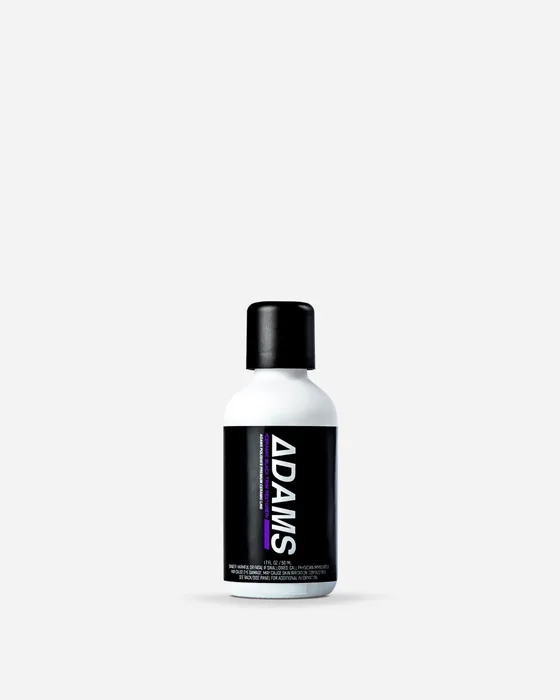
- Adam's Polishes Ceramic Black Trim Restorer - Buy. Restores the pigment and ceramic coats it in one step, with the longest durability claim in the category.
- Turtle Wax Hybrid Solutions Graphene Acrylic Trim Restorer - Buy. A graphene and acrylic coating that the brand says will not wash off, with UV protection stated explicitly.
- Adam's Polishes Black Trim Restorer - It depends. The brand calls it a temporary dye and says so on the page, which is the most honest sentence in the category.
- Chemical Guys Rapid Black Trim & Plastic Restorer - Skip. A light suspension gel that spreads colour into textured plastic, with no durability figure on the page at all.
The verdict in 30 seconds
What mattered most
- Mechanism
- Stated durability
- UV protection claimed
- Replaces lost pigment
- Application
- Cure time published
Faded grey plastic trim is one of the few detailing problems where the products in the aisle are not doing the same thing. Some replace the lost pigment with a dye. Some lay a pigmented coating over the top that also seals it. Some are dressings that darken the surface until the next rain. All three sit under the words trim restorer, and their published durability runs from a few months to over two years, with one giving no durability figure at all.
Restores the pigment and ceramic coats it in one step, with the longest durability claim in the category.
Best for: Trim you want to fix once, on a car you intend to keep, where two years without redoing it is worth the preparation.
- Restores colour and applies ceramic protection in a single step, which no other product here does.
- Adam's claims protection for two years or more, the longest stated durability in this comparison.
- Wipe on and allow to air dry, so no machine or long cure handling is needed.
- The brand explains the mechanism plainly: UV exposure strips pigment, and a dressing cannot replenish colour the way this does.
- Sold in 50 ml, so it covers trim on one car and not much more.
- Ceramic products are unforgiving of poor preparation, so trim has to be genuinely clean and dry first.
- No cure time published, and ceramic chemistry usually wants the car kept dry for a period.
- Once coated, later correction means removing the coating rather than wiping over it.
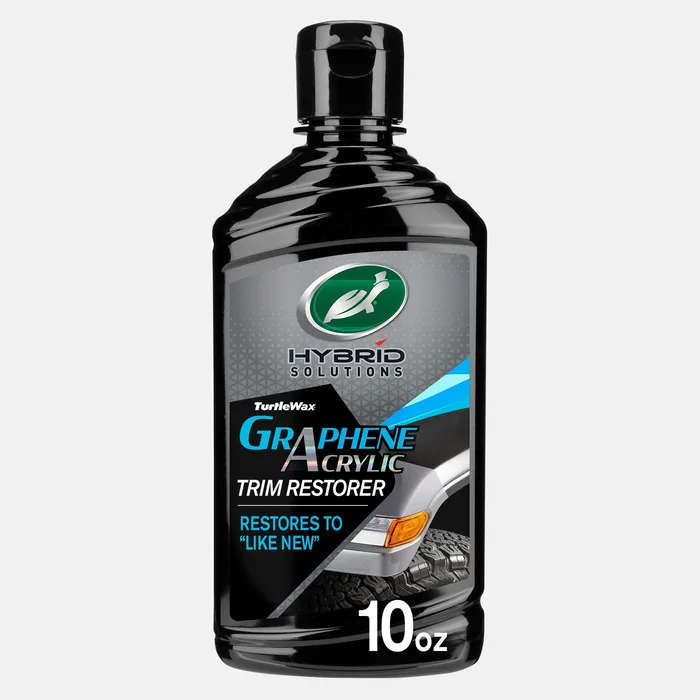
A graphene and acrylic coating that the brand says will not wash off, with UV protection stated explicitly.
Best for: Annual maintenance on trim that is dull rather than badly faded, and for protecting new trim before it goes grey.
- Described as a durable coating that does not wash off and endures seasonal exposure.
- Graphene and acrylic polymers stated to shine and blacken dull textured plastic with superior UV protection.
- Works as prevention on new trim as well as restoration on faded trim.
- Specifically mentions protecting against car washing and road salts, which is where trim actually degrades.
- Seasonal exposure is not a number, so how long it lasts is unstated.
- Only a dry to the touch time is given, with no full cure time or reapplication interval.
- A coating over faded plastic can look uneven if the underlying fade is patchy.
- Single size, a 10 fl oz bottle.
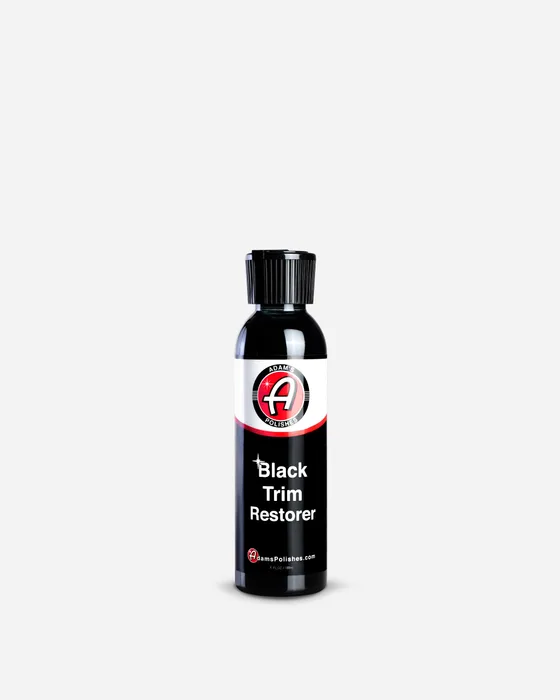
The brand calls it a temporary dye and says so on the page, which is the most honest sentence in the category.
Best for: Trim that has gone so far grey that a coating would look patchy over it, where replacing the pigment first is the only route to an even finish.
- Described plainly as a temporary dye colouring, which tells you exactly what you are buying.
- Adam's states it lasts several months per treatment, an actual figure rather than a vague claim.
- Works on plastics that a dressing cannot bring back, which the brand says explicitly about its own dressing product.
- Wipe on and let dry, applied with a microfibre or coating applicator.
- Several months is the shortest durability claim in this comparison.
- Needs several hours to dry, so the car is out of use for the afternoon.
- It is a dye rather than a coating, so it adds no UV protection to slow the next fade.
- Being a dye, it will transfer onto anything that touches it before it is fully cured.
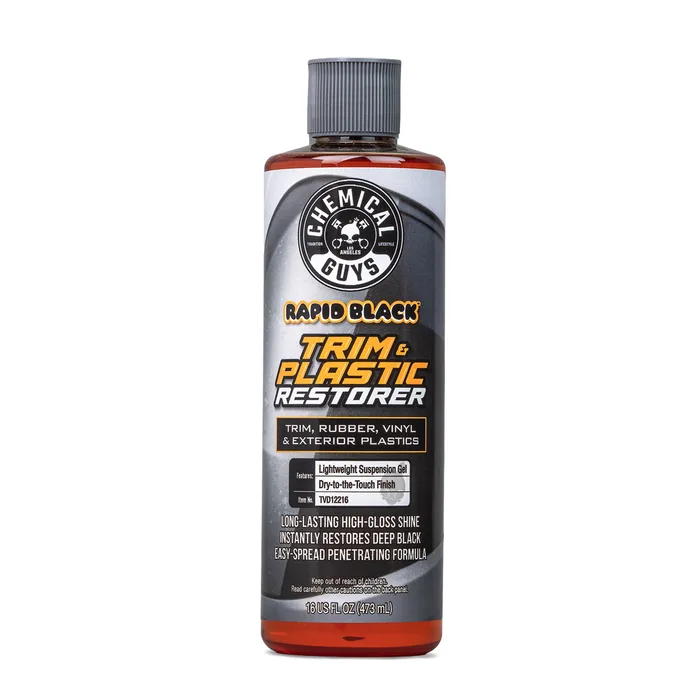
A light suspension gel that spreads colour into textured plastic, with no durability figure on the page at all.
Best for: Almost nobody expecting a restoration. As a gel dressing for textured trim before a show or a sale it applies neatly, and that is a different job.
- The lightweight suspension gel spreads evenly into textured trim, cracks and tight spots, which is where liquids run and pool.
- Reduced mess, streaking and waste compared with a thin liquid dressing.
- Good diagnosis on the page: it correctly describes trim going faded, chalky and dry from the elements.
- No durability figure anywhere, in a category where competitors quote months and years.
- A suspension gel is a dressing, which darkens the surface rather than replacing lost pigment or sealing it.
- No UV protection claim, which is the mechanism that causes the fade in the first place.
- Sold as a restorer while working like a dressing, which is the mismatch that makes people repurchase every few weeks.
| Criteria | Ceramic Black Trim Restorer Top pick Buy it Buy | Hybrid Solutions Graphene Acrylic Trim Restorer Buy it Buy | Black Trim Restorer It depends Buy | Rapid Black Trim & Plastic Restorer Skip it Buy |
|---|---|---|---|---|
| Best for | Trim you want to fix once, on a car you intend to keep, where two years without redoing it is worth the preparation. | Annual maintenance on trim that is dull rather than badly faded, and for protecting new trim before it goes grey. | Trim that has gone so far grey that a coating would look patchy over it, where replacing the pigment first is the only route to an even finish. | Almost nobody expecting a restoration. As a gel dressing for textured trim before a show or a sale it applies neatly, and that is a different job. |
| Price tier | $$$ · premium | $$ · mid-range | $$ · mid-range | $$ · mid-range |
| Mechanism | Pigment restoration plus ceramic coating | Graphene and acrylic coating | Temporary dye | Suspension gel dressing |
| Stated durability | 2 years or more | Endures seasonal exposure | Several months | Not stated |
| UV protection claimed | Yes, via the coating | Yes, superior UV protection | No | No |
| Replaces lost pigment | Yes | Blackens rather than replenishes | Yes, as a dye | No, darkens the surface |
| Application | Wipe on, air dry | Wipe on | Wipe on, several hours to dry | Gel, spreads into texture |
| Cure time published | No | Dry to the touch in minutes, no full cure time | 6 hours or more, no moisture | No |
| Sizes | 50 ml | 10 fl oz, single size | Single size | Single size |
| Suits new trim as prevention | Yes | Yes, stated explicitly | Not the intended use | As a dressing only |
Which one is right for you?
- Trim you want to fix once, on a car you intend to keep, where two years without redoing it is worth the preparation. Buy it Adam's Polishes Ceramic Black Trim Restorer
- Annual maintenance on trim that is dull rather than badly faded, and for protecting new trim before it goes grey. Buy it Turtle Wax Hybrid Solutions Graphene Acrylic Trim Restorer
- Trim that has gone so far grey that a coating would look patchy over it, where replacing the pigment first is the only route to an even finish. It depends Adam's Polishes Black Trim Restorer
- Almost nobody expecting a restoration. As a gel dressing for textured trim before a show or a sale it applies neatly, and that is a different job. Skip it Chemical Guys Rapid Black Trim & Plastic Restorer
How we judged the field
Five things decide a trim restorer. Mechanism comes first and it decides everything else, because a dressing, a dye and a coating are three different products that share one name and behave nothing alike. Durability comes second, and it is the number the category is bought on, since the whole complaint about faded trim is having to redo it. Third is whether the product adds UV protection, because ultraviolet light is what caused the fade and a product that does not block it is signing you up for a repeat. Fourth is application and cure, since a dye that needs hours to dry changes when you can do the job. Fifth is size, which on a 50 ml bottle decides whether one purchase covers your car.
The field sorts almost perfectly by mechanism. Gel and liquid dressings darken the surface and wash off. Dyes deposit pigment into the degraded plastic and last months. Coatings, whether ceramic or acrylic, cure into a film that colours and seals at once and carry the longest claims. We took one of each plus a second coating, because the gap between a seasonal coating and a two year one is the decision most buyers are actually making without realising it.
Adam’s Polishes Ceramic Black Trim Restorer
Buy itAdam’s Ceramic Black Trim Restorer is the one that does both halves of the job. The page describes restoring black trim, plastic and rubber components and ceramic coating them in one step, with protection claimed for two years or more, which is by a wide margin the longest durability figure in this comparison. What makes the page credible is that it explains the mechanism rather than asserting a result: UV rays dry the plastic out and it loses pigment and turns grey, and a dressing can only dress plastics without truly replenishing the colour. That is a brand explaining why its own cheaper category of product is not the answer, and it matches what actually happens to trim. Application is wipe on and allow to air dry. The limits are the ones ceramic chemistry always brings. Fifty millilitres is a single car’s worth, preparation has to be genuinely thorough because a coating locks in whatever is underneath, and no cure time is published even though ceramic products normally want a dry period.
Turtle Wax Hybrid Solutions Graphene Acrylic Trim Restorer
Buy itThe Turtle Wax Graphene Acrylic Trim Restorer is the same idea at a friendlier price. Graphene and acrylic polymers are stated to shine and blacken dull textured plastic while giving superior UV protection, and the brand says the coating does not wash off and will endure seasonal exposure. The UV claim matters more here than in most marketing, because ultraviolet exposure is the actual cause of the problem rather than a bonus feature. It is also the only product in this group that positions itself for new trim as well as faded trim, protecting against fading from the elements, car washing and road salts, and preventing the fade is far easier than reversing it. What it will not tell you is how long seasonal exposure means in months, and only a dry to the touch time of minutes is given, not a full cure time. On trim that is dull rather than deeply oxidised it is the sensible annual product.
Adam’s Polishes Black Trim Restorer
It dependsAdam’s Black Trim Restorer is worth thinking about precisely because the brand is honest about what it is. The page calls it a temporary dye colouring, says it lasts several months per treatment, and repeats that it will last a few months per application. It also explains when to reach for it: when trim is far enough gone that the brand’s own VRT dressing cannot bring back a deep rich colour. That is a specific diagnosis rather than a claim, and it is the right one. The costs are real. Several months is the shortest durability in this group. It needs several hours to dry, which takes the car out of use. And being a dye rather than a coating it adds no UV protection, so the clock starts again immediately. Where it earns its place is as the first step on badly oxidised trim, replacing pigment so that a coating applied afterwards has an even surface to sit on.
Chemical Guys Rapid Black Trim & Plastic Restorer
Skip itChemical Guys Rapid Black is the one to leave, and the page is accurate about the product while the name is not. It is described as a lightweight suspension gel that spreads evenly into textured trim, cracks and tight spots, restoring faded exterior plastics, rubber and trim, with reduced mess, streaking and waste. As a description of a gel dressing that is fair and the gel format is genuinely better than a runny liquid on textured plastic, where liquids pool in the grain and streak. The problem is the word restorer. A suspension gel darkens the surface optically; it does not replace pigment the way a dye does or seal it the way a coating does. And there is no durability claim anywhere on the page, in a category where the competition quotes several months, a season, and two years. That absence is the answer: this is a product you will be reapplying, and the page will not tell you how often.
Sources
Specs in this review come from these pages.
- Adam's Ceramic Black Trim Restorer product page (adamspolishes.com)
- Turtle Wax Graphene Acrylic Trim Restorer product page (turtlewax.com)
- Adam's Black Trim Restorer product page (adamspolishes.com)
- Chemical Guys Rapid Black product page (chemicalguys.com)
- US EPA, UV radiation and material degradation (epa.gov)
Adam’s Polishes Ceramic Black Trim Restorer vs Turtle Wax Hybrid Solutions Graphene Acrylic Trim Restorer: which should you buy?
Adam’s Ceramic Black Trim Restorer and the Turtle Wax Graphene Acrylic product are the two coatings here and the choice is about how bad the trim is and how long you want to forget about it. The Adam’s does two jobs at once, restoring pigment and sealing it, and claims two years or more. On trim that has genuinely lost its colour that combination is the difference between an even finish and a coating that highlights the patchiness underneath.
The Turtle Wax is the better buy for trim that is dull rather than dead. It blackens and protects with a stated UV claim, it explicitly suits new trim as prevention, and it names the things that actually attack trim: sun, car washing and road salt. What it does not do is quantify durability beyond enduring seasonal exposure, so plan on an annual application. The honest split is that badly faded trim wants the Adam’s, and trim you are trying to keep from fading wants the Turtle Wax. Neither publishes a full cure time, so treat both as an evening job with the car left alone overnight.
What to look for
- The mechanism, stated: dressing, dye and coating are three different products under one name, and only the mechanism predicts how long the result lasts.
- A durability figure in months or years: the claims here run from several months to two years, and one product gives none at all.
- A UV protection claim: ultraviolet light caused the fade, so a product that does not block it is a temporary fix by design.
- Whether it replaces pigment or darkens the surface: a dressing looks the same on day one and is gone after a few washes.
- A cure or dry time: the dye here needs 6 hours or more to cure, and the coatings publish no full cure time, which matters if the car has to go out.
- Coverage against your actual trim: a 50 ml bottle is one car, and unevenly faded trim uses more than you expect.
Our final take
Trim restorer is a name covering three unrelated mechanisms, and the durability claims prove it: two years, one season, several months, and nothing at all, on four products sitting in the same aisle. Adam’s Ceramic Black Trim Restorer is the pick because it replaces the pigment and seals it in one pass and carries the longest claim in the category. The Turtle Wax graphene product is the better annual choice on trim that is dull rather than dead, and it is the only one positioned to stop new trim fading in the first place. Adam’s Black Trim Restorer is a dye and says so, which makes it the right first step on badly oxidised plastic. Rapid Black is a gel dressing with a restorer’s name and no durability claim, which tells you how often you will be buying it.
Questions, answered
Why does black plastic trim go grey in the first place?
Ultraviolet light breaks down the polymer at the surface and drives out the carbon black pigment and the plasticisers that keep the plastic flexible. What is left is a chalky, oxidised layer that scatters light instead of absorbing it, which is why it reads grey. That is also why the fade always starts on the surfaces that face the sun. Nothing you wipe on reverses the chemistry; the products either replace the missing pigment or lay new material over the top.
What is the difference between a dressing, a dye and a coating?
A dressing sits on the surface and darkens it optically, usually with oils or silicones, and washes off over weeks. A dye deposits pigment into the degraded surface, which lasts longer and does not add protection. A coating cures into a film that both colours and seals, which is why the durability claims jump to a year or more. All three appear in this comparison under the same three words, and the mechanism is the single thing that predicts how long the result lasts.
Can I put a coating straight over badly faded trim?
You can, and it often looks uneven, because a clear or lightly pigmented coating amplifies whatever is underneath rather than hiding it. On heavily oxidised trim the usual sequence is to clean thoroughly, remove the loose chalky layer, restore colour with a dye, let it cure fully, then coat over the top. Adam's own pages point at this split, describing one product as a temporary dye and a separate one as restoration plus ceramic in a single step.
How long should I keep the car dry after applying one?
Only the dye publishes a full cure time: Adam's says 6 hours or more with no moisture on the trim. The ceramic product gives none, and Turtle Wax gives only a dry to the touch time of minutes, which is a real omission on the coatings. Ceramic chemistry generally wants several hours before it meets water and longer before a wash. The practical approach is to do trim work in a garage, in the evening, and leave the car untouched overnight regardless of which product you used.
Will trim restorer stain the paint next to it?
A dye will if you let it touch paint and dry there, which is why the several hour dry time matters and why you mask or work carefully with a small applicator. Coatings are less likely to stain but can leave a high spot on paint that needs polishing off. Gel dressings wipe away easily. Whatever you use, keep a damp microfibre in your other hand and deal with overspill immediately rather than after it has set.
Deciding between the top two? See our head-to-head: Adam's Polishes Ceramic Black Trim Restorer vs Turtle Wax Hybrid Solutions Graphene Acrylic Trim Restorer.
More in Automotive
Trim Restorers, Explained Plain-English guide → Adam's Polishes Ceramic Black Trim Restorer vs Turtle Wax Hybrid Solutions Graphene Acrylic Trim Restorer Head-to-head →  The Best Wash Mitts: 4 Compared (and One to Skip)
  The Best Water Spot Removers: 4 Compared (and One to Skip)
  The Best Wheel Brushes: 4 Compared (and One to Skip)
  The Best Wheel Cleaners: 4 Compared (and One to Skip)