Explained
Torque Wrenches, Explained
After reading this you will be able to look at any torque wrench listing and tell whether it is a measuring instrument or a ratchet with numbers printed on it.
In this guide
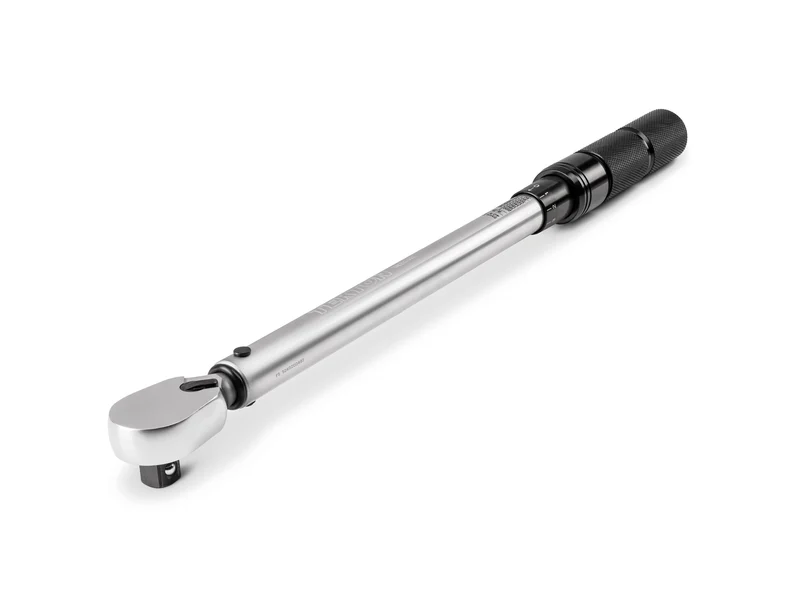
A torque wrench looks like a ratchet, but it is a measuring instrument, and that changes what you should be shopping for. The finish, the handle length and the click feel are not what separates a good one from a bad one. What separates them is whether the maker states an accuracy percentage in writing, backs it with a certificate tied to your specific tool, and covers a torque range that actually includes the fasteners on your car.
The 30-second version
- The accuracy percentage is the spec that matters most. Plus or minus 3 percent is good, 4 percent is acceptable, and no published figure at all means the maker is not committing to anything you can check.
- A serialized calibration certificate beats a marketing claim. A real certificate names your wrench's serial number and lists the actual readings taken during its test, not a generic quality-tested card that shipped with the whole batch.
- Drive size should match the job, not the price. Half inch drive is for lug nuts, axle nuts and suspension. Three eighths is for engine bay and brake work. Buying the wrong one means half your fasteners fall off the scale.
- Wind a click wrench back to its lowest setting before storage. The mechanism preloads a spring, and leaving that spring compressed for months lets it take a set, which shifts every reading afterward.
- A torque wrench tightens, it never loosens. Breaking a stuck fastener free can spike past the tool's capacity in an instant, and that single overload undoes the calibration you paid for.
The products this guide is about
Our verdict on each, with the full reasoning on the companion review.
- Buy TEKTON TRQ52402 1/2 Inch Drive Micrometer Torque Wrench Rated by TEKTON to the stricter ISO standard in both directions, with a serialized certificate in the case. Amazon
- Buy GEARWRENCH 85176CERT 3/8 Inch Drive 120XP Certified Micrometer Torque Wrench The three eighths drive companion for engine and brake work, sold with a NIST traceable certificate and a fine-tooth 120XP ratcheting head. Amazon
- It depends LEXIVON LX-183 1/2 Inch Click Torque Wrench A budget half inch wrench with a genuinely wide 10 to 150 ft-lb range and a serialized certificate, at a looser tolerance. Amazon
- Skip NEIKO Pro 03709B 1/2 Inch Click Torque Wrench A 50 ft-lb floor puts most ordinary car fasteners off the scale, and nothing here beats the alternatives at the jobs that are left. Amazon
What actually matters
- Stated accuracy, in writing. Look for a specific percentage rather than words like precise or professional grade. Also check the direction: some makers rate accuracy clockwise only, others hold the same tolerance in both directions, which is the stricter promise.
- A calibration certificate for your individual wrench. The document should carry a serial number matching the tool, the test date, the actual readings at each set point, and ideally the equipment used. That is a maker putting a number in writing for the exact tool in your hands.
- Torque range versus the fasteners you own. Click wrenches are least repeatable in the bottom fifth of their scale. If everything you torque sits near the floor of the range, the tool is technically capable and practically untrustworthy for that job.
- Drive size. Quarter inch for interior trim and small covers, three eighths for engine, brake and general under hood work, half inch for wheels, axles and suspension. Most home mechanics eventually own two because neither range covers the other's work.
- Ratchet swing arc. The angle you have to move the handle before the ratchet catches the next tooth. A tight arc, roughly 3 to 5 degrees, is what lets you work behind a brake caliper or against a frame rail instead of giving up.
- A published recertification path. Springs drift with use. A brand that will recalibrate your wrench for a fee is selling a tool with a service life. One that will not is selling a tool with an expiry date.
- A hard case. Not a luxury item. A torque wrench rattling loose in a drawer loses its setting faster than one that gets used regularly and stored properly.
The specs, in plain English
Green flags vs red flags
Green flags
- A specific accuracy percentage published in the specs, with the direction it applies to spelled out.
- A serialized calibration certificate promised in the box, with actual readings rather than a pass or fail stamp.
- The calibration standard named by number, which tells you how the testing was actually done.
- A torque range that puts the fasteners you care about in the middle of the scale rather than at the bottom.
- A published, priced recertification service from the brand.
- A hard storage case and a clearly readable dual scale in both ft-lb and Nm.
Red flags
- No accuracy figure anywhere in the listing, only adjectives like professional or precision.
- Factory calibrated as the entire claim, with no commitment to a document for your individual wrench.
- An enormous range on one tool, which usually means the low end is where the readings stop being repeatable.
- A listing that markets the wrench as a general purpose ratchet or shows it breaking bolts loose.
- No published recertification path, so drift means replacement rather than service.
- A very long handle paired with a low range floor, which makes overshooting a light setting easy.
Who's who: the brands
- TEKTON - Direct-selling hand tool maker known for publishing unusually detailed specifications and rating its micrometer wrenches to the stricter ISO procedure.
- GEARWRENCH - Ratcheting specialist whose high tooth count heads are the draw, with certified versions of its torque wrenches that ship with a NIST traceable certificate.
- LEXIVON - Budget-focused brand that competes by including certificates and wide ranges at prices where documentation is usually absent, at a looser stated tolerance.
- NEIKO - Value tool brand common in online marketplaces. Prices are low, but published accuracy detail and per-tool documentation tend to be thin.
- CDI and Precision Instruments - Industrial and professional-grade names whose wrenches are built around documented calibration and long service life, sold well above home mechanic prices.
How to read a listing without getting fooled
Start with the accuracy percentage and refuse to move on without one. If the listing has a number, read the fine print around it: does it apply clockwise only, and does it cover the whole scale or just the upper portion of capacity? Next, look for the word serialized near the certificate claim. Factory calibrated with no certificate promise means the model was validated, not your particular tool. Then check the range floor against the fasteners you actually work on, and remember that the bottom fifth of any click wrench's scale is its least repeatable region, so a wrench starting at 50 is really a wrench you should trust from somewhat higher. Handle length and tooth count tell you where the tool will physically fit. Finally, search the brand's own site for a recertification page. Listings tend to be generous with adjectives and quiet about service, and a maker that publishes a recalibration process is one that expects the tool to outlast the warranty. Photos of a hard case and a clear dual scale are small confirmations, not substitutes for the specs.
How much should you spend?
The jump worth paying for is the one from undocumented to documented. At the bottom of the market you are buying a mechanism with numbers printed on it and a general assurance about the model. A step up buys a stated tolerance and a certificate carrying your wrench's serial number, and that step is where a torque wrench stops being decorative. Beyond that, more money buys tighter tolerance, accuracy rated in both directions, a stricter calibration standard, finer ratchet arcs for tight access, and a service network that will recertify the tool years later. For home car work, the value sweet spot sits in the mid range: a certified wrench with a 3 to 4 percent tolerance and a range matched to the job. Spending into professional territory makes sense if you turn fasteners daily or need documentation for work you are paid for. What is rarely worth it is buying one very wide range wrench to avoid buying two: the money saved goes straight into readings you cannot trust at the bottom of the scale. Two well matched wrenches, one half inch and one three eighths, cover far more of the car.
Questions, answered
Is a calibration certificate actually useful, or is it just marketing?
It is the single most informative thing in the category. A real certificate names your wrench by serial number, lists the readings taken at each test point, and identifies the equipment used. That is a maker putting a checkable number in writing for the specific tool you own. A wrench with no published accuracy figure and no certificate is asking you to take its word for something you cannot verify, which defeats the reason for buying a measuring instrument in the first place.
Half inch or three eighths drive, which do I buy first?
Match the drive to the job you are shopping for. Half inch covers lug nuts, axle nuts, subframe and suspension hardware, generally the higher torque end. Three eighths covers engine bay work, brake caliper brackets, thermostat housings and most lighter fasteners. If wheels are the reason you are buying, start with half inch. If you do your own tune ups and brake jobs, start with three eighths. Most people end up with both, because neither range genuinely covers the other's work.
Why do people insist on winding a click wrench back down?
A click wrench works by preloading an internal spring against a cam. Storing it at a high setting keeps that spring compressed for months, and it slowly takes a set, shifting every reading afterward. Wind the handle down to the lowest number on the scale before the wrench goes in its case. Do not force it below the lowest marked value, which can unseat the mechanism on some designs. This one habit does more for long term accuracy than anything else you can do.
Can I use a torque wrench to loosen bolts?
No. It is a tightening tool only. Breaking a stuck fastener free can spike torque well past the wrench's capacity in a fraction of a second, and that overload is exactly what ruins the calibration you paid for. Use a breaker bar or a plain ratchet to loosen and to run fasteners down, then bring out the torque wrench for final tightening. Using it as a general purpose ratchet wears it out the same way, just more slowly.
How often does a torque wrench need recalibration?
The common guidance is roughly every 5,000 cycles or once a year for heavy use, and every couple of years for occasional home use. Recalibrate sooner if you drop it, if you used it to loosen something, or if the click starts feeling vague instead of crisp. This is why a brand with a published recertification service matters. Between services, store the wrench wound down to its lowest setting and in its case.
Do I need to pull to the click, or can I just keep going?
Stop at the first click. The click is the tool telling you the target has been reached, not a checkpoint. Pull smoothly and steadily rather than jerking, because a sudden yank can carry you past the setting before the mechanism releases. Pull on the handle grip rather than choking up or extending it, since the calibration assumes force applied at the designed point.
Or jump to the head-to-head: TEKTON TRQ52402 1/2 Inch Drive Micrometer Torque Wrench vs GEARWRENCH 85176CERT 3/8 Inch Drive 120XP Certified Micrometer Torque Wrench.