Explained
At-Home Teeth Whitening Kits, Explained
After reading, you'll know which whitening kits actually change your tooth shade, which just fake it, and how to shop for one without getting fooled by marketing.
In this guide
At-home teeth whitening looks simple until you start shopping, and then you're drowning in peroxide percentages, LED lights, warming trays, and viral 'purple' serums that all promise a brighter smile. The single thing that trips people up is not knowing which products chemically lift stains versus which only create a short-lived optical illusion. This guide sorts the real mechanisms from the marketing so you can match a kit to your teeth, your sensitivity, and your patience.
The 30-second version
- Peroxide is the engine. Hydrogen or carbamide peroxide is what actually lifts stains and changes your underlying tooth shade; almost everything else is a helper or a cosmetic trick.
- LED lights are a nice-to-have, not the magic. The gel does the chemical work, and independent testing suggests the light's extra benefit is modest, so don't pay for the glow alone.
- Purple color-correcting serums aren't whitening. They cancel yellow tones for a few hours the way purple shampoo does for hair, but they remove no stains and wear off fast.
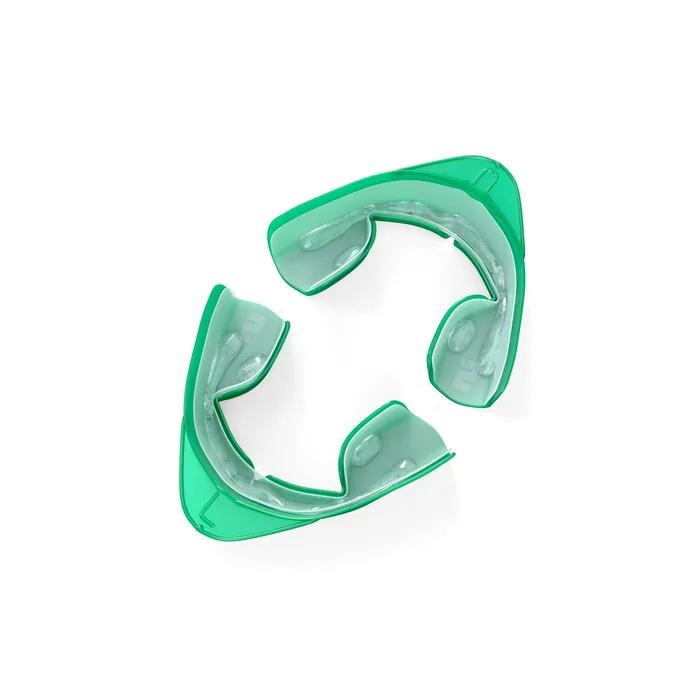
- Fit decides comfort and coverage. A tray or mouthpiece that keeps gel on the teeth and off the gums beats a flat strip for both even results and reduced sensitivity.
- Whitening is cosmetic and gradual. Meaningful change takes repeated sessions over days or weeks, results vary, and crowns or veneers won't lighten at all.
The products this guide is about
Our verdict on each, with the full reasoning on the companion review.
- Buy Opalescence Go 15% Prefilled Whitening Trays Prefilled 15% hydrogen peroxide trays from a dental whitening brand, worn for 15 to 20 minutes a day. Amazon
- Buy GLO Science So Brilliant Teeth Whitening Kit A dentist-designed warming mouthpiece that pairs gentle heat with light, aimed squarely at sensitive teeth. Amazon
- It depends SNOW DiamondSeries Dissolving Teeth Whitening Strips Convenient dissolving peroxide strips for maintenance, but temper your expectations on dramatic change. Amazon
- Skip SNOW Purple Teeth Brightening Serum A color-correcting purple serum that masks yellow tones for a few hours rather than actually whitening teeth. Amazon
What actually matters
- Active ingredient matters most because only peroxide-based gels chemically change your tooth shade; light-only, charcoal, or purple products don't lift real stains.
- Peroxide concentration determines both speed and sting; higher percentages whiten faster but raise the odds of sensitivity, so sensitive mouths want lower doses spread over more sessions.
- Delivery method (fitted tray, mouthpiece, or strip) controls how evenly the gel sits on your teeth and how well it stays off your gums, which shapes both results and comfort.
- Sensitivity controls like breaks between sessions, lower-strength gels, or gentle warming decide whether you can actually finish a full treatment cycle.
- Session effort and time commitment matter because the best kit is the one you'll keep using; a 10-to-30-minute routine you'll skip is worse than a shorter one you'll stick to.
- Realistic goal matters: a dramatic reset needs a full peroxide kit, while simple maintenance of an already-bright smile can lean on cheaper strips.
The specs, in plain English
Green flags vs red flags
Green flags
- Lists a specific peroxide type (hydrogen or carbamide) as the active ingredient, not just 'whitening formula' or 'LED technology'
- Offers a way to control the dose, such as adjustable gel amounts or a sensitivity mode, so you can dial back if teeth twinge
- Uses a fitted tray or mouthpiece that keeps gel on the teeth and off the gums
- Includes a sensitivity aid like hydroxyapatite or a desensitizing gel between sessions
- Sets honest expectations about gradual results over multiple sessions rather than overnight transformation
Red flags
- Promises 'instant' or 'one-use' dramatic whitening, which no safe at-home product realistically delivers
- Relies on a purple serum, charcoal, or LED light with no peroxide and still calls itself whitening
- Hides the active ingredient or peroxide percentage behind vague marketing language
- Pushes very high peroxide concentrations with no sensitivity guidance
- Uses only reviews that show unrealistic before-and-after jumps with no mention of results varying
Who's who: the brands
- Opalescence - The at-home whitening line from dental company Ultradent, including Go prefilled peroxide trays in 10% and 15% strengths.
- SNOW - Direct-to-consumer brand selling LED mouthpieces, dissolving peroxide strips and purple color-correcting products.
- GLO Science - Premium, dentist-designed systems built around a warming-plus-light mouthpiece aimed at sensitive users.
- Crest - The drugstore mainstay whose peroxide whitening strips are the familiar, budget-friendly baseline most people start with.
- AuraGlow - Value-focused LED tray kits that offer a lower-cost entry into device-based peroxide whitening.
- Colgate - Mass-market brand offering whitening strips, pens, and kits alongside its everyday toothpaste lineup.
How to read a listing without getting fooled
Start at the ingredient list, not the headline claim. Find the active whitening agent, and if it isn't hydrogen or carbamide peroxide, assume the product won't truly change your tooth shade no matter how bright the marketing looks. Treat the LED light, warming, and any 'advanced technology' language as secondary; they can help the gel along, but a light or serum with no peroxide is cosmetic at best. Watch for peroxide concentration if it's disclosed, since higher numbers mean faster results but more sensitivity risk. Read the delivery method too: a fitted tray or mouthpiece will out-cover a flat strip on uneven teeth. Finally, discount any before-and-after photo that shows an overnight, drastic jump, and give weight instead to listings that say results are gradual and vary from person to person.
How much should you spend?
Spend based on your goal, not the flashiest device. Basic peroxide strips sit at the low end and are genuinely fine for maintaining an already-bright smile, so there's no need to overspend if upkeep is all you want. A full peroxide LED kit costs more and earns it when you want a real, visible reset with even coverage, and it's the sweet spot for most people wanting meaningful change. Paying up to the premium tier makes sense mainly when sensitivity is your deciding factor and a gentle, dentist-designed warming device is worth the comfort. Where you should not spend is on purple color-correcting serums priced like treatments, since you're paying premium money for a temporary cosmetic trick. In short, let the active ingredient and your sensitivity, not the size of the light show, decide how much to lay out.
Questions, answered
Is this dental advice, and is whitening safe for me?
No, this is general cosmetic-product information, not dental or medical advice. Teeth whitening is an aesthetic treatment and results vary from person to person. See a dentist about tooth sensitivity, gum issues, cavities, or existing dental work like crowns and veneers, since whitening agents don't change the color of restorations and can aggravate existing problems. If you're pregnant, breastfeeding, or unsure, check with a professional before you start.
Do LED lights actually make whitening work better?
The peroxide gel does the chemical work; the LED light is meant to help speed it up. Independent testing suggests the light's added benefit is modest and the active ingredient matters most, which is why a peroxide kit beats a light-only or no-peroxide product. Treat the LED as a nice-to-have, not the reason a kit works.
Why does everyone say to skip the purple serums?
Purple products use color theory to cancel yellow undertones, the same trick as purple shampoo for hair, so teeth can look brighter for a short while. But the effect is optical and temporary, it removes no stains and doesn't change your actual tooth shade, and owners consistently note it rinses and wears off within hours. It's cosmetics, not whitening.
Strips or an LED kit, which should I choose?
Choose strips if you want the cheapest, lowest-effort option and mainly need to maintain an already-decent shade. Choose an LED kit if you want more noticeable change and better coverage of uneven teeth. Owner reports generally point to fuller results from a fitted mouthpiece kit than from flat strips.
How can I reduce sensitivity while whitening?
People who report the least discomfort tend to whiten less often, keep the gel off the gums, use a sensitivity-focused or hydroxyapatite toothpaste between sessions, and stop if they feel zingers. A gentler device like a warming mouthpiece can help. If sensitivity persists, pause and talk to a dentist.
How long until I see results, and will they last?
Real whitening is gradual, usually building over repeated sessions across days or weeks rather than overnight, and results vary by person and by how stained your teeth were to start. Brightness also fades over time as coffee, tea, wine, and smoking re-stain teeth, which is why many people keep a cheap maintenance product like strips on hand for occasional top-ups.
Or jump to the head-to-head: Opalescence Go 15% Prefilled Whitening Trays vs GLO Science So Brilliant Teeth Whitening Kit.