Explained
Body Groomers, Explained
You'll be able to read a body groomer's spec sheet and know exactly what it means for comfort, cleanup, and long-term cost.
In this guide
Body groomers look like beard trimmers but they are built for a different job: gliding over curves and thin skin instead of a flat jaw. Most of the confusion comes from marketing terms that sound similar across brands but describe real differences in safety, water resistance, and how much the tool will cost you after the purchase.
The 30-second version
- Skin safety comes from shape, not sharpness. rounded blade tips and guards matter more on the body than raw cutting power.
- Waterproof ratings are not all equal. some tools survive a shower, others are only rinseable, and the difference changes how you actually use one.
- Replacement blades are a real ongoing cost. dedicated below-the-belt trimmers often need fresh heads every few months, which adds up over a tool's life.
- Whole-body and below-the-belt tools are different categories. a specialist built for sensitive areas is usually gentler there than a general trimmer trying to do everything.
- Attachment combs decide your length range. more steps and finer adjustment give you more control over the finished look, especially on chest and torso hair.
The products this guide is about
Our verdict on each, with the full reasoning on the companion review.
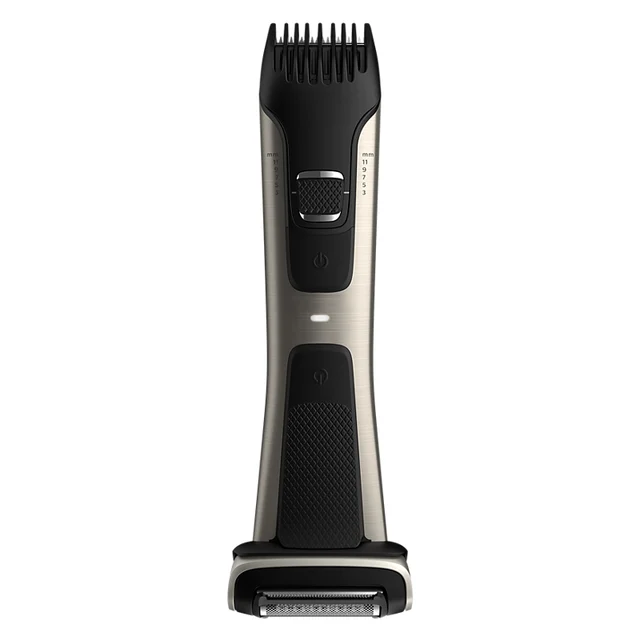
- Buy Philips Norelco Bodygroom Series 7000 (BG7040/42) A dual-ended, shower-safe groomer that trims on one end and skin-safely shaves on the other, top to toe.
- Buy MANSCAPED The Lawn Mower 5.0 Ultra A below-the-belt specialist with a two-headed system that trims and then shaves close, built around skin-safe blades.
- It depends Wahl Manscaper Rechargeable Body Groomer (5618-100) A budget, waterproof all-body trimmer that covers the basics well without the frills of the pricier tools.
- Skip Philips Norelco Multigroom Series 5000 (MG5750/49) A capable face, hair, and beard kit whose body attachment is an afterthought for real below-the-neck work.
What actually matters
- Blade guard design: rounded tips and a plastic or metal guard keep the cutting edge from pressing directly into skin, which is the main defense against nicks on curved or thin areas.
- Waterproof rating: whether you can use the tool in the shower, only rinse it under a tap, or need to keep it dry entirely changes your whole routine.
- Wet vs dry use: some tools cut cleanly in both states, others are designed for one or the other, and using a dry-only tool wet can dull it faster or void a warranty.
- Battery life and charging: runtime determines whether one charge covers a full-body session, and charging style (cable, dock, quick-charge) affects convenience.
- Replacement-blade cost: heads that need periodic swapping for hygiene and sharpness are a recurring expense that does not show up on the sticker price.
- Attachment combs and length settings: the range and precision of guide combs determine how short you can go and how evenly you can taper.
- Trimmer head type: foil, rotary, and open-blade designs cut differently and suit different areas and hair types.
The specs, in plain English
Green flags vs red flags
Green flags
- Manufacturer specifies rounded or blunted blade tips, not just 'sharp stainless steel'
- Clear waterproof claim that specifies shower use, not just 'washable'
- Reported runtime that comfortably covers a full-body session with margin
- Replacement heads are inexpensive and easy to find from the brand directly
- Multiple length settings or a wide-range adjustable comb, not just one fixed guard
- Separate trimmer and closer-finish heads rather than one head trying to do both jobs
Red flags
- No mention of blade shape or skin guard at all in the listing
- Waterproofing described vaguely as 'water resistant' with no detail on shower or full-submersion use
- Owner reports of skin irritation, nicks, or tugging on sensitive areas cluster around one model
- Replacement heads are hard to find, discontinued, or unusually costly relative to the tool
- Single all-purpose head marketed for face, body, and groin with no adjustment for sensitive skin
- Runtime claims with no real-world reports backing them up
Who's who: the brands
- Philips Norelco - Long-running mainstream grooming brand known for dual-ended and multi-attachment kits covering face, hair, and body.
- Manscaped - Built specifically around below-the-belt grooming, with skin-safe blade shaping and waterproof designs as its core pitch.
- Wahl - Established trimmer maker known for budget-friendly, no-frills tools that cover the basics reliably.
- Braun - Known for foil-shaver engineering, often licensed into body and multi-groom lines with a focus on close, gentle cutting.
- Panasonic - Longtime shaver and trimmer manufacturer with a reputation for durable motors and precise foil heads.
How to read a listing without getting fooled
Start by separating marketing language from mechanical fact. 'Skin-safe' and 'gentle' are claims, not specs, so look for what actually makes a blade gentle: rounded tips, a guard, or a foil covering. Next, pin down the waterproof claim precisely. 'Washable' can mean you can rinse the head under a tap, while 'shower-safe' or a stated waterproof rating means the whole tool can go under running water with you. Then check whether the tool has one head trying to do everything or separate heads for trimming and close-finishing, since a single head is usually a compromise. Finally, look past the box for the replacement-head situation: search the brand's own site for how often heads are meant to be swapped and whether they are still sold, since a great tool with discontinued heads becomes a short-term purchase.
How much should you spend?
Body groomers span a wide range, and the price mostly tracks how many jobs one tool is built to do well and how it's built to survive water exposure. Basic single-head trimmers with simple guards sit at the low end and are genuinely fine for straightforward, no-frills upkeep. Paying more usually buys you a second head for a closer finish, more refined blade guarding for sensitive skin, and sturdier shower-safe construction, which shows up as better day-to-day comfort rather than a flashier feature list. At the premium end, you're often paying for the convenience of one tool doing multiple jobs well rather than any single breakthrough feature. Where spending more genuinely pays off is if you have sensitive skin, want wet-shower use, or plan to groom below the belt regularly, since comfort differences are most noticeable there. Where it doesn't pay off is buying an all-in-one face-and-body kit for dedicated body work, since a focused tool at a similar price often does the body job better than a kit built to cover everything. Don't forget to weigh replacement-head cost into the total price, since a cheaper tool with frequent, costly head swaps can end up pricier over time than a more expensive tool with a longer blade life.
Questions, answered
What actually makes a body groomer 'skin-safe'?
It's the shape of the blade tips and the presence of a guard, not the material. Rounded or blunted blade tips reduce the chance of the metal catching or scratching as it moves over curves and folds. A skin guard adds a physical barrier between the blade edge and your skin. Stainless steel and self-sharpening claims are about durability and cutting performance, not about comfort on sensitive areas.
Do I need a fully waterproof groomer, or is rinseable enough?
It depends on how you plan to use it. If you want to groom in the shower with soap and water, look for a stated shower-safe or fully waterproof claim, not just 'washable.' If you're fine grooming dry and only want to rinse the head afterward for cleanup, a rinseable design is enough. Using a rinseable-only tool in the shower can shorten its life or void a warranty, so check the actual claim rather than assuming.
How much should I worry about replacement-blade cost?
It's worth checking before you buy, especially for below-the-belt tools. Dedicated groin trimmers are often designed with blades meant to be swapped every few months for hygiene and a clean cut, and that adds up over a year or two. Whole-body groomers with longer-lasting or self-sharpening blades typically need far fewer replacements. Search the brand's own site for replacement-head pricing and how often they recommend swapping before you commit to a tool.
Should I buy a whole-body groomer or a dedicated below-the-belt trimmer?
It comes down to what you actually need covered. A whole-body groomer with adjustable combs and a closer-finish head is the more efficient choice if you want to groom chest, arms, legs, and the groin with one tool. A dedicated below-the-belt trimmer is usually gentler and more purpose-built for that one sensitive area, often at the cost of not being suited to larger body areas. If your grooming is mostly in one place, a specialist tends to feel more comfortable there than a generalist tool.
Is it safe to use a body groomer on sensitive areas like the groin?
Tools designed and marketed for that use, with rounded blades and skin guards, are built to reduce the risk of nicks, but no trimmer can guarantee zero irritation. Go slowly, keep skin taut, and use a fresh or well-maintained blade rather than a dull one. This is general product information to help you shop, not medical advice. If you experience persistent irritation, ingrown hairs, or a skin reaction, see a healthcare professional.
Does battery life actually matter for a body groomer?
More than it might seem. A full-body session covers a lot more surface area than a beard trim, so a tool with a short runtime can die mid-session, especially if you're also using it for cleanup or a second pass. Look at owner-reported runtime rather than just the marketed number, and consider how the tool charges, since a quick-charge feature can offset a shorter battery for someone who forgets to plug in regularly.
Or jump to the head-to-head: Philips Norelco Bodygroom Series 7000 (BG7040/42) vs MANSCAPED The Lawn Mower 5.0 Ultra.