Explained
Splitboards, Explained
After reading, you'll understand how a splitboard differs from a resort board, which specs change how it climbs and rides, and how to size one.
In this guide
First-time splitboard buyers often shop as if they were buying a resort board, focusing on graphics and flex. A split has to climb as well as descend, so hardware, weight and skin fit matter as much as shape. Spec sheets also mix snowboard terms with touring terms like pucks, clips and traction tech. This guide explains what those words mean and which ones deserve your attention.
The 30-second version
- Camber underfoot helps on the climb, because it gives the halves more grip on firm, sideways skin tracks.
- Compare weight at your size, since the longest and widest sizes can weigh far more than the size a maker quotes first.
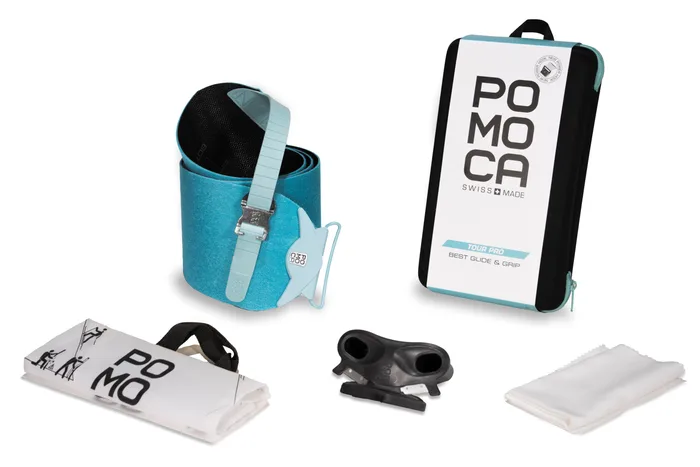
- Skins are usually extra, so budget for a skin matched to your board's exact outline.
- Bindings must match the mounting system, whether that is a standard puck pattern or a channel.
- A powder-specific split is a second board, not the best choice if you will own only one.
The products this guide is about
Our verdict on each, with the full reasoning on the companion review.
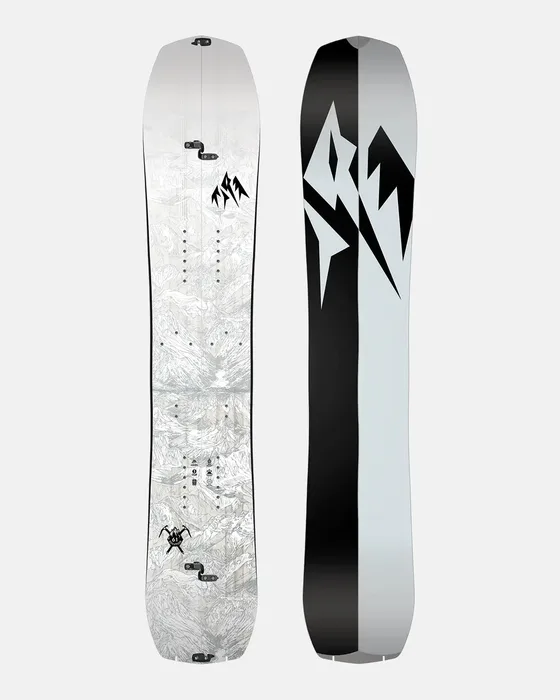
- Buy Jones Solution Splitboard A directional, mid-stiff freeride split with High Traction Tech edges, a 3D contoured base and nine sizes from 154 to 169W. Amazon
- Buy Weston Backwoods Splitboard A tapered directional freeride split with camber underfoot, Karakoram clips and tip hardware, and a 4-year warranty.
- It depends Never Summer Summit T3 Splitboard A stiff, damp directional split on Never Summer's Triple Camber Hybrid with R.I.P. edge hold and Phantom Hercules hooks.
- Skip Burton 3D Fish Flat Top Splitboard A short, wide, 30 mm tapered powder fish on a Directional Flat Top profile, in three sizes from 146 to 156.
What actually matters
- Profile - Camber, rocker and flat sections decide edge grip and float. For touring, camber under the feet helps you hold a line on firm side hills.
- Flex - A stiffer board holds better at speed but tires you in tight terrain. Match it to your riding, not to what pros use.
- Weight - You lift the board on every stride, so grams add up over a long day. Look for a published weight for your actual size.
- Size and width - Rider weight ranges and boot size limits matter more than height. Too narrow a board causes toe and heel drag.
- Hardware - Clips hold the halves together and tip and tail fittings hold the skins. Good hardware makes transitions faster and more secure.
- Shape - Directional, tapered shapes float better in powder and suit most touring. Twins and fish shapes are more specialised.
- Warranty - Splitboards take more stress at the seam and clips than solid boards. A longer warranty is worth weighing.
The specs, in plain English
Green flags vs red flags
Green flags
- A published weight for every size
- Rider weight ranges and maximum boot sizes per size
- Named clip and skin hardware on the spec sheet
- Camber underfoot for an all-round board
- A clear multi-year warranty
Red flags
- No board weight listed anywhere
- Only two or three sizes with no wide option
- Spec tables that exist only as images or omit units
- A powder-only terrain rating sold as an all-round split
- Hardware described vaguely or not at all
Who's who: the brands
- Jones - Jeremy Jones's brand, known for a deep line of directional backcountry splits led by the Solution.
- Weston - A Colorado backcountry brand that publishes detailed sizing data and pairs its splits with Karakoram hardware.
- Never Summer - Known for hybrid camber profiles and its 3-year warranty, with a small range of stiff, damp splits.
- Burton - The largest snowboard brand, whose splits use its own Split Channel mounting and include specialist shapes like the 3D Fish.
- Arbor - Known for real wood topsheets, Grip Tech edges and Karakoram clips on splits like the Landmark.
How to read a listing without getting fooled
Start with the size table, not the description. Find the size whose rider weight range centres on your weight with gear, then check the waist width or maximum boot size against your boots. Next, look for a board weight at that size; if none is given, you cannot compare the climbing cost with other boards. Read the profile line for whether there is camber underfoot, and note the setback and taper to judge how directional the board is. Finally, check what hardware is listed (clips, hooks, skin fittings) and whether skins are included, because most are not.
How much should you spend?
Splitboards cost more than comparable resort boards because of the extra hardware and construction. Mid-range splits from smaller backcountry brands often deliver the same core features as premium models, including sintered bases, carbon stringers and quality clips. Premium splits add more refined shaping, extra traction features, wider size runs or lighter cores, and the most expensive ultralight carbon versions mainly save weight. Remember that bindings, skins and poles are usually separate, so the full setup costs well beyond the board.
Questions, answered
Can a splitboard ride as well as a solid snowboard?
Modern splitboards ride much closer to solid boards than early designs, thanks to stiffer clips and hooks. There is still a seam down the middle, and the extra hardware adds weight. Most riders notice little difference in soft snow. On hard snow a solid board can feel slightly more connected.
Do I need special boots for splitboarding?
Regular snowboard boots work, especially for your first tours. Stiffer boots with good ankle support help on long climbs and steep traverses. Some riders move to hardboot setups, but that requires compatible bindings. Make sure your boots fit within the board's listed boot size limit.
How do I store and look after a splitboard?
Store it with the halves joined or clipped together to protect the inner edges. Dry the clips and hooks after each tour so they do not corrode. Keep skins folded glue to glue and stored cool and dry. Wax the bases as you would a solid board.
Is a shorter splitboard easier to tour on?
A shorter board is lighter and turns more easily in tight skin tracks. It also floats less in deep snow and can feel unstable at speed. Choose the size that matches your weight on the maker's chart rather than going short to save effort.
Or jump to the head-to-head: Jones Solution Splitboard vs Weston Backwoods Splitboard.