

Explained
Smart Home Hubs, Explained
After reading this, you'll know what a smart home hub actually does, which protocols and features matter, and how to avoid getting locked into one brand's walled garden.
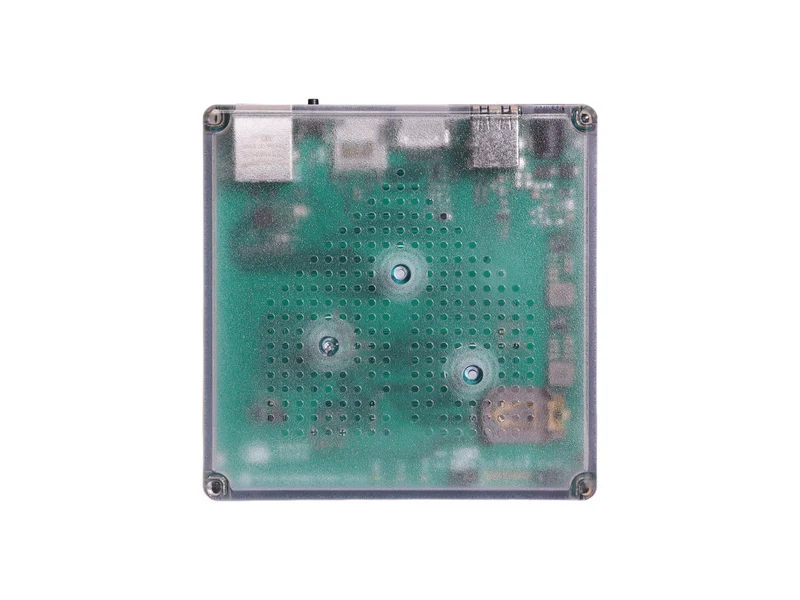
In this guide
A smart home hub is the quiet brain that coordinates your lights, locks, sensors, and thermostats so they work together on a schedule instead of one app at a time. The category is confusing mostly because of a wall of jargon (Matter, Thread, Zigbee, Z-Wave) and because some devices sold as hubs are really touchscreens tied to one company's cloud. The two things that trip up first-time buyers are picking a hub that only talks to its own brand, and picking one that goes dark the moment your internet does.
The 30-second version
- A hub is a coordinator, not a speaker. Its job is to connect devices across different wireless standards and run automations, not just to take voice commands.
- Local control is the single biggest divider. Hubs that process automations on the device keep working during an internet or cloud outage; cloud-dependent ones can stop responding.
- Protocols decide what you can connect. Matter and Thread are the emerging standards, but Zigbee and Z-Wave still power most affordable sensors, plugs, and bulbs, so built-in radios save you dongles and bridges.
- Watch for single-brand traps. Some hubs technically speak Zigbee but only pair with their own accessories, quietly fencing off gear from other makers.
- Match the hub to your patience. Beginner-friendly apps trade automation power for simplicity, while the most capable hubs ask for real setup time up front.
What actually matters
- Local vs. cloud control — whether automations run on the hub itself or depend on a company's servers. Local hubs stay reliable and fast during outages; cloud-leaning ones can lose routines and voice control when the connection or the provider drops.
- Protocol support — how many wireless standards the hub speaks natively. More native radios (Matter, Thread, Zigbee, Z-Wave) means fewer separate bridges and wider device compatibility.
- Cross-brand openness — whether the hub works freely with other companies' devices or mainly its own. An open hub lets you mix brands over the years; a closed one pushes you to buy everything from one label.
- Setup effort and automation power — the honest trade-off between how easy a hub is to learn and how much it can do. Decide up front how much tinkering you actually enjoy.
- Subscription requirements — whether core features are free or gated behind a recurring fee. The strongest local hubs charge nothing for everyday use, so confirm before you buy.
- Ecosystem fit — whether the hub bridges to the voice assistant you already use so your existing speakers and phones can control it.
- Range and reliability — how dependably the hub reaches devices across your home, which external antennas, a wired Ethernet option, and mesh-friendly protocols all help with.
The specs, in plain English
Green flags vs red flags
Green flags
- Automations run locally, so your home keeps working during an internet or cloud outage
- Multiple radios are built in (some mix of Matter, Thread, Zigbee, Z-Wave) so you avoid extra bridges
- Documented support for a wide range of other brands, not just the maker's own devices
- Core features work with no required subscription
- Bridges to the voice assistants and ecosystems you already use (Apple Home, Alexa, Google)
- A wired Ethernet option or external antennas for steadier, longer-range connections
Red flags
- The hub's automations live entirely in the cloud, so features vanish when the internet or the provider goes down
- A Zigbee radio that only pairs with the maker's own accessories, fencing out other brands
- The product is really a touchscreen or dashboard first and a hub second
- Core functionality is locked behind a monthly or yearly fee
- Missing a radio you'll need (for example, no Z-Wave when you already own Z-Wave locks)
- Vague listings that tout 'works with Matter' without saying what actually runs locally or which devices are supported
Who's who: the brands
- Open, do-it-yourself platforms - Community-driven, fully local systems prized for near-universal device support and deep automation, at the cost of a steeper learning curve.
- Enthusiast local-hub makers - Companies that bundle several radios into one reliable box aimed at people who want dependable local control without going full DIY.
- Single-ecosystem device brands - Makers of sensors and switches whose own hubs work beautifully with their gear but lean on Matter for anything outside their lineup.
- Big-tech assistant platforms - The large voice-assistant ecosystems whose 'hubs' are often polished dashboards that depend heavily on the company's cloud for automation logic.
- Networking and router brands - Companies increasingly folding hub radios into routers or mesh points, convenient for coverage but usually tied to their own app and ecosystem.
How to read a listing without getting fooled
Start by separating what a listing calls the product from what it actually does. 'Smart home hub' and 'smart display' are used loosely, so look past the headline for two facts: does it process automations locally, and which radios are truly built in? A spec sheet that lists 'Matter' and 'Thread' tells you it can join the newer standards, but it won't tell you whether older Zigbee or Z-Wave devices you own will connect, so read the radio list carefully and note anything missing. Be especially wary of a Zigbee radio described as working with the maker's devices, which often means it won't pair with other brands. Check whether core features need an account, a subscription, or a constant internet connection, since 'app-controlled' can quietly mean 'cloud-dependent.' Finally, confirm it bridges to whatever voice assistant you already use, because a capable hub that can't talk to your existing speakers will feel like a step backward.
How much should you spend?
What you pay for a hub mostly tracks how many radios it packs in, whether it processes automations locally, and how much polish the app has. The value sweet spot for most people is a hub that includes the radios they'll actually use and runs locally, so they aren't later forced to buy separate bridges or lose features during outages. Spending more is worth it when it buys you broad, cross-brand compatibility, dependable local control, and no ongoing fees, because those save money and frustration over the years you'll own it. Spending more is not worth it when the premium mostly funds a touchscreen or a slicker dashboard while the underlying hub stays cloud-dependent or locked to one brand. Watch out for anything cheap up front that quietly relies on a subscription for core automation, since the real cost shows up later.
Questions, answered
Do I even need a hub, or can I just use a smart speaker or my phone?
You can start without one, but a dedicated hub coordinates devices and runs automations far more reliably, often with its own Zigbee, Z-Wave, Thread, or Matter radios so gadgets talk directly to it. A speaker or phone app mainly sends commands to the cloud. As soon as you want several devices reacting together, or want them to keep working when the internet hiccups, a real hub earns its place.
If everything is moving to Matter and Thread, can I ignore Zigbee and Z-Wave?
Not yet, if you own or plan to buy affordable accessories. Matter and Thread are growing quickly, but a large share of budget sensors, plugs, and bulbs still use Zigbee or Z-Wave. A hub with those radios built in keeps your options open and lets you mix older and newer gear instead of replacing it all at once.
What does 'local control' really mean, and why should I care?
It means the hub runs your automations on the device itself rather than routing them through a company's servers. The payoff is resilience and speed: lights, locks, and routines keep working during an internet or cloud outage, and they often respond a beat faster. Cloud-dependent hubs can lose voice control and some routines whenever the connection or the provider's servers go down.
How do I avoid getting locked into one brand?
Favor hubs that openly support devices from many makers and bridge to the major ecosystems, and be skeptical of a Zigbee radio that only pairs with the maker's own gear. Leaning on cross-brand standards like Matter helps, but read the fine print, because 'Matter compatible' doesn't always mean every feature of every device will carry over. The more openly a hub plays with others, the easier it is to change your mind later.
How much technical skill do these really take?
It varies a lot. Some hubs use approachable, beginner-friendly apps; others sit in the middle with a more technical interface but no coding; and the most powerful, fully local platforms ask for a real learning curve, though active communities and documentation make them manageable if you're patient. Be honest about how much tinkering you'll enjoy and match the hub to that, since the strongest option on paper isn't the right one if it sits half-configured.
Related guides
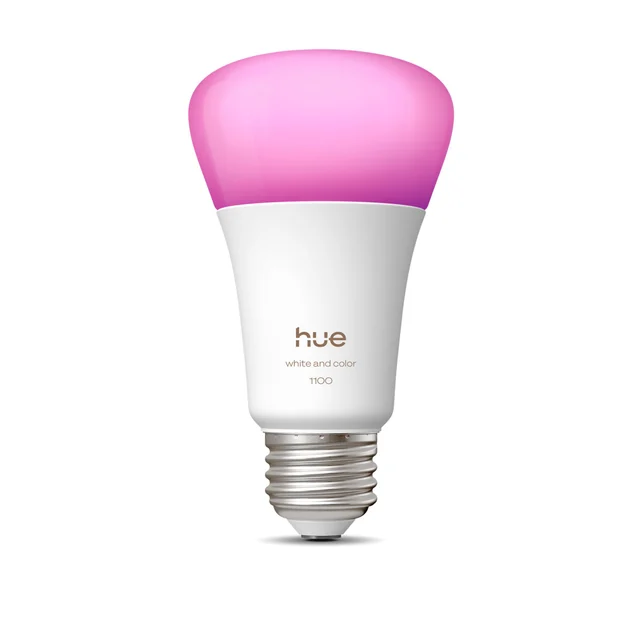 Smart Light Bulbs After this guide you'll be able to read any smart bulb listing, know which specs actually predict how it will look and behave in your home, and pick between a cheap Wi-Fi bulb and a full lighting system with confidence.
 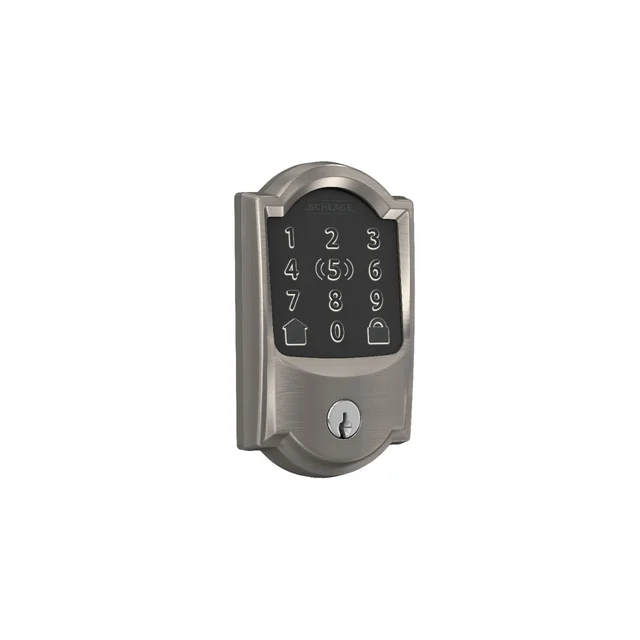 Smart Locks After reading, you'll know exactly which smart lock features matter for your door, your phone, and whether you own or rent.
 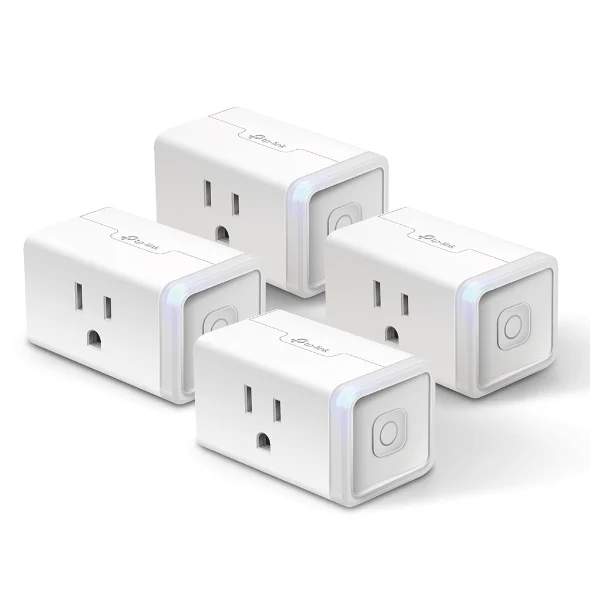 Smart Plugs After reading this you will understand the handful of specs that separate a smart plug worth keeping from a near-identical box that feels dated the day you buy it.
  Smart Smoke & CO Detectors After reading this you'll understand what actually makes a smart smoke and CO alarm worth buying, and be able to decode any product listing on your own.
  Smart Speakers After reading this, you'll know which voice assistant fits your home, which audio specs actually matter, and how to spot a speaker that will age well.
  Smart Thermostats After reading, you will understand the wiring, sensors, and software features that separate a thermostat you will still like in five years from one you will fight with every winter.