

Tech & Gadgets
The Best Smart Home Hubs: 4 Compared (and One to Skip)
We compared four leading 2026 smart home hubs on local control, protocol support, device compatibility, setup effort, and automation power.
The short version
For a hub that keeps working when the cloud doesn't, buy local. Home Assistant Green is our top pick for its unmatched flexibility and device support, provided you'll invest a little setup time; the Hubitat Elevation C-8 Pro is the friendlier local choice with Zigbee, Z-Wave, and Matter radios built in. The Aqara Hub M3 is excellent but only if you're already in the Aqara world, since its Zigbee pairs only with Aqara gear. The Amazon Echo Hub is a great Alexa touchscreen but a weak standalone hub, so most people should skip it as their smart-home brain. Best for: privacy-minded households that want dependable, mostly-local automation across many brands.
The verdict in 30 seconds
What mattered most
- Control model
- Built-in radios
- Third-party device support
- Ease of setup
- Automation power
- Works during internet outage
A smart home hub is the quiet brain that ties your lights, locks, sensors, and thermostats together and keeps them talking when the internet hiccups. In 2026 the field splits sharply between fully local powerhouses for tinkerers, plug-and-play boxes, and slick touchscreen panels that are really a front end for one company's ecosystem. We lined up four of the strongest options: two we'd happily recommend, one that only makes sense for a specific buyer, and one we think most people should skip as a true hub.
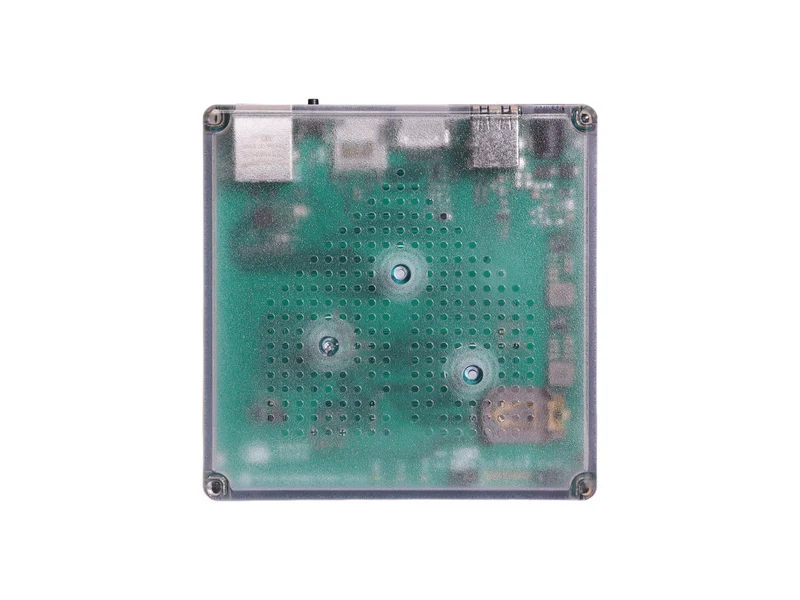
The most powerful, fully local hub you can buy — if you enjoy the setup as much as the payoff.
Best for: Hands-on users who want maximum control and privacy and don't mind a weekend of tinkering.
- Everything runs locally, so automations keep working during internet or cloud outages
- Enormous device and integration support across virtually every major brand and protocol
- Open platform with deep automation logic that outclasses every mainstream app
- No subscription required for core use; strong, active community for troubleshooting
- Real learning curve — expect to invest time before it feels effortless
- No Zigbee or Z-Wave radio built in, so most owners add a USB coordinator dongle
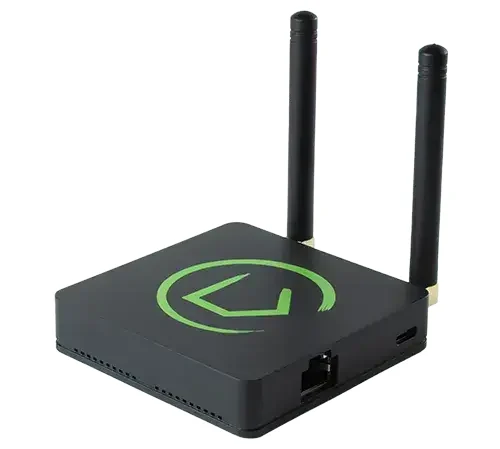
Local, reliable, and multi-protocol out of the box — the sane middle ground between plug-and-play and full DIY.
Best for: People who want dependable local control and broad radio support without going full Home Assistant.
- Built-in Zigbee, Z-Wave, and Matter radios plus external antennas for better range
- Automations process locally, so routines stay fast and keep running without the cloud
- Owners repeatedly praise long-term stability and no required subscription
- Works alongside Alexa, Google Home, and Apple ecosystems as a bridge
- Interface is more technical and less polished than mainstream apps
- Setup and rule-building take more patience than a beginner-friendly hub
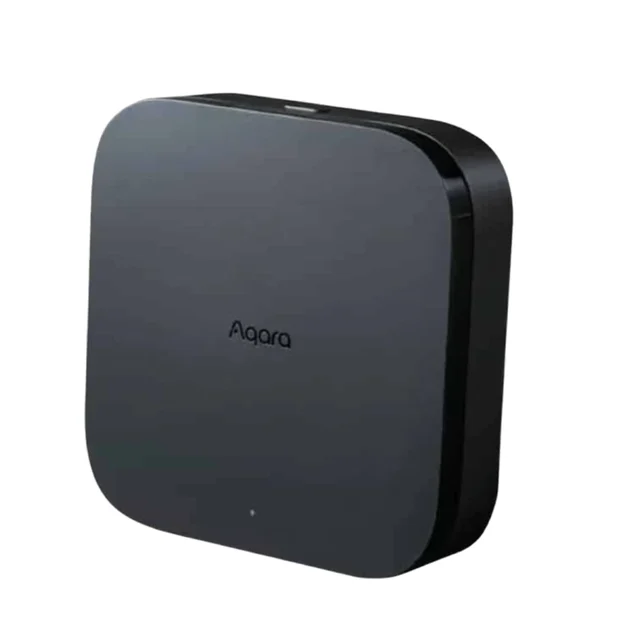
A polished Thread-and-Matter hub that shines for Aqara owners but fences off other brands' Zigbee gear.
Best for: Buyers already invested in Aqara sensors who want a tidy Matter and Thread anchor.
- Acts as a Thread border router and Matter controller, plus a built-in IR blaster and alarm speaker
- Ethernet option and local automations make it stable and quick to respond
- Bridges Aqara devices into Apple Home, Alexa, Google, and SmartThings via Matter
- Its Zigbee radio pairs only with Aqara-brand devices, not Hue, IKEA, or Sonoff
- Broad third-party support leans on Matter, so mixed-brand homes hit limits
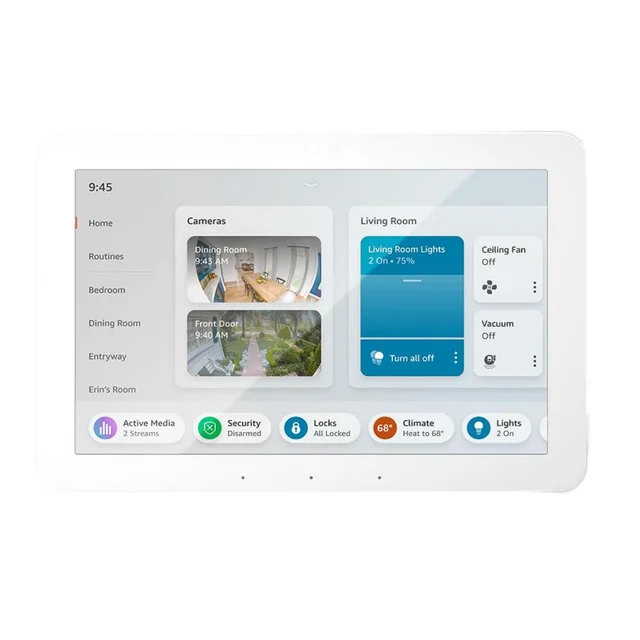
A lovely wall-mounted Alexa dashboard, but a weak choice as the actual brain of your smart home.
Best for: Alexa and Ring households wanting a touchscreen dashboard — not those wanting an independent, local hub.
- Attractive 8-inch touchscreen that centralizes cameras, routines, and device controls
- Includes Zigbee, Thread, and Matter radios and doubles as a Thread border router
- Genuinely handy if you're already deep in Alexa and Ring
- Core control leans on Amazon's cloud, so it's less resilient during outages
- No Z-Wave, and you're locked into the Alexa ecosystem for automations
- It's really a control panel first and a hub second
| Criteria | Home Assistant Green Top pick | Hubitat Elevation C-8 Pro | Aqara Hub M3 | Amazon Echo Hub |
|---|---|---|---|---|
| Verdict | Buy it | Buy it | It depends | Skip it |
| Best for | Hands-on users who want maximum control and privacy and don't mind a weekend of tinkering. | People who want dependable local control and broad radio support without going full Home Assistant. | Buyers already invested in Aqara sensors who want a tidy Matter and Thread anchor. | Alexa and Ring households wanting a touchscreen dashboard — not those wanting an independent, local hub. |
| Price tier | $ · budget | $$ · mid-range | $$ · mid-range | $$ · mid-range |
| Control model | Fully local | Fully local | Mostly local | Mostly cloud (Alexa) |
| Built-in radios | Wi-Fi/Ethernet (add Zigbee/Z-Wave dongle) | Zigbee, Z-Wave, Matter, Bluetooth | Zigbee, Thread, Matter, Bluetooth | Zigbee, Thread, Matter, Bluetooth |
| Third-party device support | Excellent (nearly universal) | Excellent (100+ brands) | Limited (Aqara Zigbee; others via Matter) | Good via Matter/Alexa; no Z-Wave |
| Ease of setup | Steep learning curve | Moderate, more technical UI | Beginner-friendly app | Very beginner-friendly |
| Automation power | Best in class | Very strong | Good within Aqara app | Basic, tied to Alexa Routines |
| Works during internet outage | Yes | Yes | Mostly | Limited |
| Price tier | $ · budget | $$ · mid-range | $$ · mid-range | $$ · mid-range |
Which one is right for you?
- Hands-on users who want maximum control and privacy and don't mind a weekend of tinkering. Buy it Nabu Casa / Home Assistant Home Assistant Green
- People who want dependable local control and broad radio support without going full Home Assistant. Buy it Hubitat Elevation C-8 Pro
- Buyers already invested in Aqara sensors who want a tidy Matter and Thread anchor. It depends Aqara Hub M3
- Alexa and Ring households wanting a touchscreen dashboard — not those wanting an independent, local hub. Skip it Amazon Echo Hub
How we judged the field
We don’t run a lab. Instead, we synthesize independent testing, hands-on expert write-ups, and aggregated owner reports to find where the consensus lands and where opinions split. For smart home hubs, a few things mattered most: whether automations run locally so your home keeps working during an internet or cloud outage; how many protocols the hub speaks natively (Matter, Thread, Zigbee, Z-Wave); how freely it works with devices from other brands; how steep the setup is; and how much automation power you get once it’s running. We weighted resilience and openness heavily, because a hub that stops working when a company’s servers go down, or that only talks to its own brand, undercuts the whole point of a hub.
Home Assistant Green — buy
If you want the most capable hub available and you’re willing to climb a modest learning curve, this is it. Home Assistant Green is a small, quiet box that runs everything locally, which owners consistently cite as the reason their automations never break when the internet does. Its device and integration support is close to universal, so it happily manages hardware that other hubs refuse to touch, and its automation engine is far more flexible than any mainstream app. The catch is honest: there’s no Zigbee or Z-Wave radio built in, so most people add an inexpensive USB coordinator, and the first weekend involves real setup. Reviewers and owners alike frame it as an investment that pays off — steep at first, then hard to give up.
Hubitat Elevation C-8 Pro — buy
The C-8 Pro is the hub we’d point most people toward when Home Assistant sounds like too much. It ships with Zigbee, Z-Wave, and Matter radios plus external antennas, and it processes automations locally, so routines stay quick and keep running without the cloud. Long-time owners repeatedly describe it as stable and set-and-forget, and there’s no required subscription. The interface is more technical than a polished consumer app and rule-building takes some patience, but it stops well short of full DIY. As a bridge, it also plays nicely with Alexa, Google Home, and Apple ecosystems. For dependable local control with broad radio support, it’s an easy recommendation.
Aqara Hub M3 — it depends
The M3 is genuinely well made: a Thread border router and Matter controller with a built-in IR blaster and an alarm speaker, an Ethernet option for stability, and local automations that respond quickly. For someone already invested in Aqara’s sensors and switches, it’s a tidy, capable anchor. The reason it lands at “it depends” is a real limitation that owners and testers flag often — its Zigbee radio pairs only with Aqara-brand devices, so Hue, IKEA, and Sonoff Zigbee gear won’t join it directly, and broader third-party support leans on Matter. In a single-brand Aqara home it’s a fine buy; in a mixed-brand home, a more open hub avoids frustration.
Amazon Echo Hub — skip
To be clear, the Echo Hub is a lovely product for what it actually is: an 8-inch wall-mounted Alexa dashboard that centralizes camera feeds, routines, and one-tap controls, with Zigbee, Thread, and Matter radios on board. If you’re deep in Alexa and Ring, it’s genuinely handy. But as the brain of a smart home, it’s the weakest of this group. Core control leans on Amazon’s cloud, so it’s less resilient when the connection or the service falters; there’s no Z-Wave; and your automations are tied to the Alexa ecosystem. It’s a control panel first and a hub second. Most people shopping for an independent, local hub should skip it and treat it, at best, as a nice front end layered on top of a stronger hub.
Home Assistant Green vs Hubitat Elevation C-8 Pro: which should you buy?
These two are the class of the field, and the choice comes down to how much you enjoy tinkering. Home Assistant Green is the more powerful and more open of the pair, with the deepest automation logic and the widest device support, but you’ll add a Zigbee/Z-Wave dongle and spend real time learning it. The Hubitat C-8 Pro gives you Zigbee, Z-Wave, and Matter radios in the box, local processing, and a reputation for long-term stability, with a gentler (if still technical) setup. Choose Home Assistant Green if you want the ceiling raised as high as it goes and you like the hobby. Choose the C-8 Pro if you want dependable local control with less fuss and don’t want to source extra radios. Both keep your home running when the cloud goes dark — which is exactly why they beat the touchscreen-led options.
What to look for
- Local control: Hubs that automate on-device keep working during internet or cloud outages; cloud-dependent ones can go dark.
- The right radios: Matter and Thread are the future, but Zigbee and Z-Wave still power most affordable accessories — built-in radios save you dongles and bridges.
- Open vs walled: Check whether the hub works with other brands’ devices or only its own; single-brand Zigbee support is a common trap.
- Setup effort: Be honest about your patience — beginner apps trade power for simplicity, while the strongest hubs ask for setup time.
- No surprise subscriptions: The best local hubs charge nothing for core use; confirm before you buy.
- Ecosystem fit: If you rely on Alexa, Google, or Apple Home voice control, make sure your hub bridges to it.
Our final take
The pattern is clear: for a hub you can trust, buy local. Home Assistant Green is our top pick for the most capable, private, and future-proof setup, as long as you’ll invest a little time learning it, and the Hubitat Elevation C-8 Pro is the easier local alternative with the radios you need already inside. The Aqara Hub M3 is a strong buy in an Aqara-centric home and a frustrating one outside it, so let your existing gear decide. And the Amazon Echo Hub, charming as its touchscreen is, belongs on the wall as an Alexa dashboard rather than at the center of your smart home. Match the hub to how much control you want and how much tinkering you’ll enjoy, and you’ll be happy for years.
Questions, answered
What's the difference between a smart home hub and a smart speaker or display?
A hub coordinates and automates your devices, often with its own Zigbee, Z-Wave, Thread, or Matter radios so gadgets talk directly to it. A speaker or display mainly sends voice commands to the cloud. Some products, like the Echo Hub, blur the line by adding hub radios, but they still lean heavily on a company's cloud for the actual automation logic.
Do I need Zigbee and Z-Wave if everything is moving to Matter and Thread?
For now, yes if you own older or budget accessories. Matter and Thread are growing fast, but a huge share of affordable sensors, plugs, and bulbs still use Zigbee or Z-Wave. A hub with those radios built in, like the Hubitat C-8 Pro, keeps your options open and lets you mix old and new gear.
Which hub works best if I want everything to keep running during an internet outage?
Local-first hubs handle this best. Home Assistant Green and Hubitat process automations on the device itself, so lights, locks, and rules keep working offline. Cloud-leaning options such as the Echo Hub can lose voice control and some routines when the connection or the provider's servers go down.
Is the Aqara Hub M3 a good choice if I don't own other Aqara products?
It's less compelling. The M3 is a strong Thread border router and Matter controller, but its Zigbee radio only pairs with Aqara-branded devices, and other brands connect mainly through Matter. If you're starting fresh with mixed brands, a more open hub like Hubitat or Home Assistant usually serves you better.
How much technical skill do these hubs really require?
It varies a lot. The Echo Hub and Aqara app are approachable for beginners. Hubitat sits in the middle with a more technical interface but no coding needed. Home Assistant is the most powerful and the most demanding; owners report a real learning curve, though the community and documentation make it manageable if you're patient.
More Tech & Gadgets reviews
 The Best Smart Light Bulbs: 4 Compared (and One to Skip)
  The Best Smart Locks: 4 Compared (and One to Skip)
  The Best Smart Plugs (2026): Matter, Energy Monitoring, and One to Skip
  The Best Smart Smoke & Carbon Monoxide Detectors: 4 Compared (and One to Skip)
  The Best Smart Speakers: 4 Compared (and One to Skip)
  Best Smart Thermostats of 2026: Honest Picks and One to Skip