Explained
Smart Speakers, Explained
After reading this, you'll know which voice assistant fits your home, which audio specs actually matter, and how to spot a speaker that will age well.
In this guide
A smart speaker is a Wi-Fi speaker with a voice assistant built in - no screen, no camera, just a microphone and a speaker that answers questions, plays music, and controls your smart home. What trips most first-time buyers up isn't the audio: it's that the assistant you choose (Alexa, Gemini, or Siri) quietly locks you into one company's ecosystem, and that the newest AI features increasingly sit behind subscriptions. The category also just went through its biggest shake-up in years, so buying stale hardware is a real risk.
The 30-second version
- The assistant matters more than the speaker. Alexa, Gemini, and Siri don't mix - pick the one that matches the phone, services, and smart-home gear you already own, then shop for a speaker that runs it.
- Sound quality varies enormously at similar sizes. A two-way driver design (separate tweeter and woofer) can sound fuller than a single full-range driver, and 'room-filling' claims are worth verifying through owner reports.
- Hub duty can replace a separate gadget. Some speakers double as a smart-home hub - Thread border router, Matter controller, or a proprietary bridge - so compatible sensors, plugs, and locks connect without extra hardware.
- Basic voice features are free; the newest AI often isn't. Timers, music, questions, and voice control cost nothing extra, but the most capable conversational features from Amazon and Google now sit behind paid tiers.
- Hardware age is a hidden spec. Assistants are evolving fast, and a speaker with a current-generation chip will keep gaining features while an end-of-cycle model quietly stops.
The products this guide is about
Our verdict on each, with the full reasoning on the companion review.
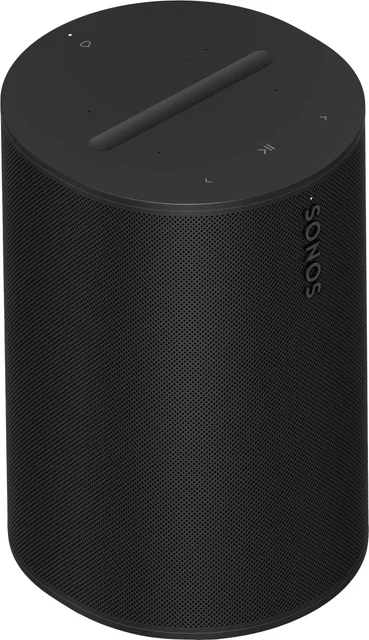
- Buy Sonos Era 100 The best-sounding smart speaker you can buy at this size, with Alexa on board and multi-room chops nobody else matches. Amazon
- Buy Amazon Echo Dot Max Amazon's new two-way Dot is the value pick: solid sound, a built-in smart-home hub, and a front-row seat for Alexa+. Amazon
- It depends Google Home Speaker Google's new speaker replaces the Nest Audio with Gemini smarts - promising, but early and partly paywalled. Amazon
- Skip Apple HomePod mini Still charming and still great in an Apple home - but this is 2020 hardware and a successor has been widely reported. Amazon
What actually matters
- Voice assistant and ecosystem - the single biggest choice. The speaker is a doorway into Amazon, Google, or Apple's world; whichever you pick, your smart-home devices, routines, and future speakers will need to fit it.
- Sound quality at normal volume - short store demos flatter small speakers. What matters is how it sounds at everyday listening levels over weeks: clarity of vocals, whether bass exists at all, and whether it distorts when you turn it up.
- Driver design - a two-way layout (dedicated tweeter plus woofer) separates highs from lows and can sound fuller than the single-driver design used in many compact speakers.
- Smart-home hub capability - a built-in Thread border router, Matter controller, or proprietary hub lets the speaker run compatible devices directly, sparing you a separate plug-in bridge.
- Multi-room support - if you might ever want music in more than one room, buy into a platform whose speakers group together; mixing brands across rooms rarely works well.
- Hardware freshness - check when the model actually launched, not when the listing was posted. A speaker several generations old may be near a refresh or nearing the end of its feature updates.
- Privacy controls - most mainstream speakers have a microphone mute, but they differ on whether wake-word detection happens on the device itself and how easy it is to review or delete recordings.
The specs, in plain English
Green flags vs red flags
Green flags
- A two-way driver layout (dedicated tweeter and woofer) at a compact size - a strong hint the maker took sound seriously
- Built-in Thread border router or Matter hub duty, which future-proofs a growing smart home
- Current-generation hardware launched within the last couple of years, with the maker actively shipping assistant updates
- A physical microphone mute switch and on-device wake-word processing for privacy peace of mind
- Support for multiple streaming paths - the platform's own casting plus AirPlay 2 or Bluetooth - so you're not boxed in
- A large, active ecosystem of compatible smart-home devices and a track record of long software support
Red flags
- Hardware that hasn't been refreshed in many years, especially with a successor widely reported to be imminent
- The assistant's headline AI features quietly gated behind a subscription the listing doesn't mention
- No Bluetooth and no cross-platform streaming, leaving you fully dependent on one company's app
- Vague audio claims ('room-filling', 'premium sound') with no driver details anywhere on the spec sheet
- A discontinued or clearance model sold at full price - it may keep working but stop gaining features
- Setup that requires a phone platform you don't own (some speakers can't even be configured from Android)
Who's who: the brands
- Amazon - The Echo line is the category's default - the widest device ecosystem, built-in hubs on newer models, and the new conversational Alexa+ (fullest version tied to a subscription).
- Google - Its store now lists a Gemini-powered Google Home Speaker in place of the Nest speakers - more natural conversation is the pitch, but top features sit behind a paid tier.
- Apple - The HomePod line offers polished sound and deep iPhone integration with Apple-controlled privacy settings, but it's Siri-only, Apple-only, and its compact model dates from 2020.
- Sonos - A music-speaker company first: music-first sound, a deep multi-room platform, and Alexa on board - but premium-priced and no Google Assistant support.
- Bose and other audio brands - Several hi-fi names sell Wi-Fi speakers with an assistant added on - check that assistant support is current.
How to read a listing without getting fooled
Start with the assistant name and generation - a listing that just says 'works with Alexa' may mean an older assistant experience, so check whether the model is built for the maker's current assistant and whether its best features need a subscription. Next, look for concrete driver details: 'tweeter' and 'woofer' named separately is a good sign, while 'immersive premium sound' with no specifics usually means a single small driver. Check the launch year, not the listing date - retailers happily sell several-generation-old hardware at current prices. Then scan for hub language: 'Thread border router', 'Matter controller', or 'built-in hub' means it can run smart-home devices directly; 'works with Matter' alone just means it can be a participant, which is much weaker. Finally, confirm the streaming paths (Bluetooth, AirPlay 2, or platform casting) - an omission there is deliberate, not an oversight.
How much should you spend?
Price in this category mostly tracks two things: audio hardware and brand ecosystem. The cheapest tier gets you a perfectly capable voice assistant in a small single-driver speaker - fine for timers, questions, and background radio in a kitchen or bedroom. The mid-range adds meaningfully better sound (often a two-way driver) and frequently a built-in smart-home hub, which is where the value sweet spot sits for most households. The premium tier is really about music: true stereo from one unit, room tuning, and best-in-class multi-room support - worth it if you'd want the speaker even with the microphone off, unnecessary if the speaker is mainly a voice interface. Spending more does not buy you a smarter assistant - the same Alexa, Gemini, or Siri runs on the cheap and expensive models alike - so pay up for sound, not for smarts. And whatever the tier, avoid paying current prices for hardware at the end of its cycle.
Questions, answered
Is a smart speaker always listening to me?
It's always listening for the wake word, but that detection happens on the device, and audio is only sent to the cloud after the wake word triggers (or when you press the button). Most mainstream speakers also have a microphone mute, and the major platforms let you review and delete voice recordings. If privacy is a top concern, favor speakers that advertise on-device wake-word processing.
Do I need a subscription to use a smart speaker?
Generally no. Music playback, timers, questions, and smart-home voice control are generally free on mainstream speakers, beyond whatever music service you already pay for. What's changed recently is that the newest conversational AI features - Amazon's full Alexa+ and Google's most capable Gemini features - sit behind paid tiers. The basic assistant experience generally remains free.
Can I mix Alexa, Google, and Apple speakers in one home?
You can, but you shouldn't. Speakers from different platforms won't group for multi-room audio, won't share routines, and each needs its own app. Smart-home devices increasingly bridge ecosystems thanks to Matter, but the speakers themselves stay siloed - which is why picking one assistant first is the single most important decision.
What's the difference between a smart speaker and a smart display?
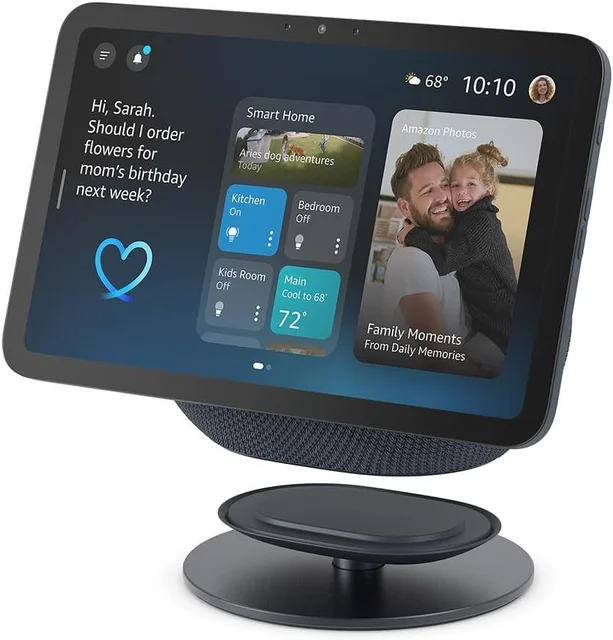
A smart speaker is voice-only - no screen and usually no camera - which makes it cheaper, more private, and easy to place anywhere. A smart display adds a touchscreen for video calls, recipes, and camera feeds. They're separate categories with different trade-offs; this guide and our companion review cover screen-free speakers.
Will my smart speaker still work if the internet goes down?
Mostly no. The assistant's brain lives in the cloud, so questions, music streaming, and many commands fail offline. Some speakers keep limited local abilities - Bluetooth playback, or controlling certain locally connected smart-home devices - but you should think of a smart speaker as an internet appliance.
How long does a smart speaker last before it's obsolete?
The hardware often runs for many years; the practical lifespan is set by software. Support periods vary by maker, so check each maker's support page. The bigger risk is buying at the end of a cycle: assistants are evolving quickly, and the newest AI features tend to land first - or only - on current-generation hardware.
Or jump to the head-to-head: Sonos Era 100 vs Amazon Echo Dot Max.