

Smart Home
The Best Smart Speakers: 4 Compared (and One to Skip)
Four screen-free voice-assistant speakers compared on sound quality, assistant smarts, smart-home hub duty, and ecosystem fit.
The short version
The Sonos Era 100 is the clear pick: it is the best-sounding speaker here, with two angled tweeters and a midwoofer, and it covers Alexa, AirPlay 2, Bluetooth, and Sonos multi-room in one handsome unit. The Amazon Echo Dot Max is the value buy - its new two-way driver aims to make a Dot sound fuller, and the built-in smart-home hub plus Alexa+ support make it the obvious choice for Amazon households. Google's new Home Speaker replaced the discontinued Nest Audio and pairs decent 360-degree sound with Gemini, but the smartest features need a subscription and owners report first-generation rough edges, so it only makes sense if you're already committed to Google Home. The Apple HomePod mini still sounds lovely, but it's 2020 hardware with a widely reported successor - skip it for now. Best for: music-first listeners should buy the Era 100; Alexa homes should grab the Echo Dot Max; Google homes can consider the Home Speaker; Apple fans should wait.
Our picks at a glance
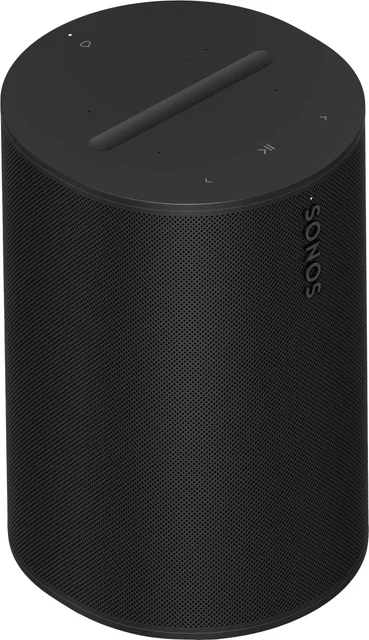
- Sonos Era 100 - Buy. The best-sounding smart speaker you can buy at this size, with Alexa on board and multi-room chops nobody else matches.
- Amazon Echo Dot Max - Buy. Amazon's new two-way Dot is the value pick: solid sound, a built-in smart-home hub, and a front-row seat for Alexa+.
- Google Home Speaker - It depends. Google's new speaker replaces the Nest Audio with Gemini smarts - promising, but early and partly paywalled.
- Apple HomePod mini - Skip. Still charming and still great in an Apple home - but this is 2020 hardware and a successor has been widely reported.
The verdict in 30 seconds
What mattered most
- Voice assistant
- Sound character
- Smart-home hub
- Ecosystem fit
- Multi-room & stereo pairing
- Connectivity extras
A smart speaker is still the simplest way to put a voice assistant, music, and smart-home control in a room - no screen, no camera, just a speaker that listens. The field shifted hard in the last year: Amazon rebuilt its lineup around Alexa+, Google retired the Nest Audio and Nest Mini in favor of an all-new Gemini-powered Home Speaker, and Apple kept selling the same HomePod mini it launched back in 2020. We compared the four current contenders and found two worth buying, one that depends entirely on which ecosystem you live in, and one that most people should skip - at least for now.
The best-sounding smart speaker you can buy at this size, with Alexa on board and multi-room chops nobody else matches.
Best for: Anyone who wants a smart speaker that's a genuinely good music speaker first - especially mixed Apple/Amazon households.
- Class-leading sound: true stereo from a single unit with dual tweeters and a punchy mid-woofer
- Works with Alexa and Sonos Voice Control, plus AirPlay 2 and Bluetooth
- Best-in-class multi-room platform that mixes with soundbars and other Sonos speakers
- Room tuning adapts the sound to where you place it
- Costs noticeably more than the other three speakers here
- No Google Assistant support, reportedly due to ongoing patent litigation between Sonos and Google
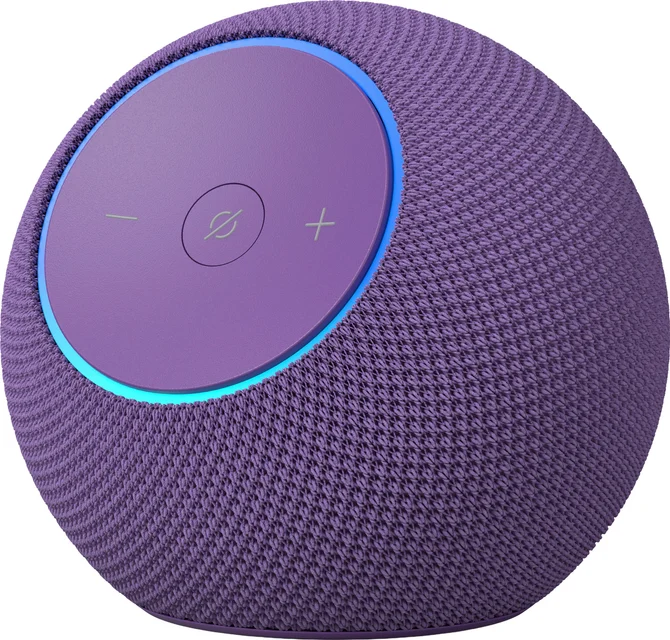
Amazon's new two-way Dot is the value pick: solid sound, a built-in smart-home hub, and a front-row seat for Alexa+.
Best for: Alexa households that want the best everyday speaker-plus-hub for the money.
- Two-way driver setup (dedicated tweeter and woofer) aims for fuller sound than earlier Dots
- Built-in smart-home hub, so it can run compatible devices without extra bridges
- Designed for Alexa+, Amazon's newer conversational assistant
- The widest device and skill ecosystem in the category
- Sound is improved but still compact - fine for a kitchen, not a party
- The smartest Alexa+ features are tied to a subscription or Prime membership and are still maturing
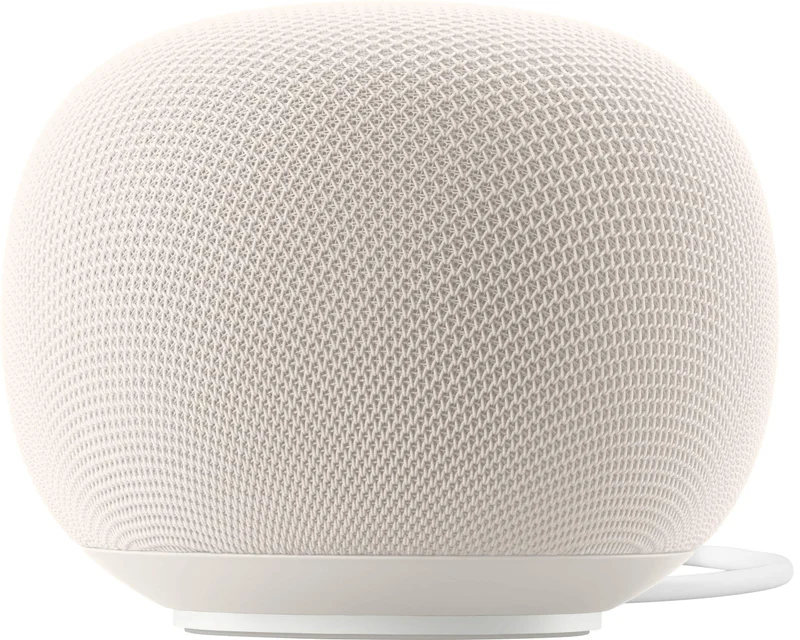
Google's new speaker replaces the Nest Audio with Gemini smarts - promising, but early and partly paywalled.
Best for: Committed Google Home users replacing an aging Nest speaker - and willing to ride out some first-generation software bumps.
- Compact speaker aimed at 360-degree sound, with more bass than the old Nest Mini reportedly
- Gemini for Home handles more natural, back-and-forth conversation than the old Google Assistant
- The only current first-party option for Google Home households now that Nest Audio and Nest Mini are discontinued
- The most capable Gemini features sit behind a subscription
- Owners report the Gemini experience is still uneven - some interactions feel smarter, others fail in new ways

Still charming and still great in an Apple home - but this is 2020 hardware and a successor has been widely reported.
Best for: Nobody right now - Apple-only households should wait for the refresh or step up to the Era 100.
- Impressively big, balanced sound for its size
- Deep Apple integration: Handoff from iPhone, intercom, stereo pairing, and home hub duty for HomeKit and Matter accessories
- Apple-controlled privacy settings
- The hardware hasn't changed since late 2020, and Siri lags the newer assistants
- A next-generation model has been widely reported, so it may be a poor time to buy
- Siri-only - no Alexa or Gemini, and setup requires an Apple device
| Criteria | Sonos Era 100 Top pick Buy it Buy | Amazon Echo Dot Max Buy it Buy | Google Home Speaker It depends Buy | Apple HomePod mini Skip it Buy |
|---|---|---|---|---|
| Best for | Anyone who wants a smart speaker that's a genuinely good music speaker first - especially mixed Apple/Amazon households. | Alexa households that want the best everyday speaker-plus-hub for the money. | Committed Google Home users replacing an aging Nest speaker - and willing to ride out some first-generation software bumps. | Nobody right now - Apple-only households should wait for the refresh or step up to the Era 100. |
| Price tier | $$$ · premium | $$ · mid-range | $$ · mid-range | $$ · mid-range |
| Voice assistant | Alexa + Sonos Voice Control | Alexa / Alexa+ | Gemini for Home | Siri |
| Sound character | True stereo, detailed and room-filling | Compact two-way design | 360° sound, punchy for its size | Balanced 360° mono, big for its size |
| Smart-home hub | No built-in hub | Built-in hub for compatible devices | Google Home speaker | Home hub for HomeKit and Matter accessories |
| Ecosystem fit | Sonos multi-room + Alexa + AirPlay 2 | Amazon/Alexa | Google Home | Apple Home only |
| Multi-room & stereo pairing | Best in class across the Sonos range | Yes, with other Echo speakers | Yes, with Google/Nest speakers | Yes, with another HomePod mini |
| Connectivity extras | AirPlay 2, Bluetooth, line-in via adapter | Wi-Fi, Bluetooth | Wi-Fi, Bluetooth | AirPlay only, no Bluetooth audio streaming |
| Hardware freshness | Current generation | Newer generation | Newest in the Google lineup | Original 2020 design, refresh reported |
| Price tier | $$$ · premium | $$ · mid-range | $$ · mid-range | $$ · mid-range |
Which one is right for you?
- Anyone who wants a smart speaker that's a genuinely good music speaker first - especially mixed Apple/Amazon households. Buy it Sonos Era 100
- Alexa households that want the best everyday speaker-plus-hub for the money. Buy it Amazon Echo Dot Max
- Committed Google Home users replacing an aging Nest speaker - and willing to ride out some first-generation software bumps. It depends Google Home Speaker
- Nobody right now - Apple-only households should wait for the refresh or step up to the Era 100. Skip it Apple HomePod mini
How we judged the field
We don’t run our own lab. Instead, we synthesized maker specifications and long-term owner reports about the current smart speakers on sale in 2026, and we weighted the things that actually matter after the novelty wears off: how good the speaker sounds at normal listening volumes, how capable and reliable the voice assistant is, whether the speaker can serve as a smart-home hub, how well it plays with the rest of your devices, and whether the hardware is fresh enough to be a sensible purchase today. We limited the field to screen-free speakers - smart displays are a different category - and to models that are current and buyable right now: that means Amazon’s new Echo Dot Max rather than the older Dot, and Google’s new Home Speaker rather than the discontinued Nest Audio.
Sonos Era 100
Buy itThe Era 100 is the one speaker in this group built as a music speaker first and a smart speaker second. Its dual angled tweeters and mid-woofer produce true stereo from a single cabinet, aimed at detail, bass, and room-filling volume. It runs Alexa or Sonos’s own privacy-friendly voice control, streams over AirPlay 2 and Bluetooth, tunes itself to the room, and slots into the best multi-room ecosystem in consumer audio - owners routinely start with one Era 100 and end up with a houseful. The trade-offs are real but narrow: it costs noticeably more than the other three, and there’s no Google Assistant, a casualty of the long-running Sonos–Google patent fight. If you can live with those two caveats, this is the definitive answer.
Amazon Echo Dot Max
Buy itAmazon finally gave the Dot a proper two-way driver arrangement - a dedicated tweeter over a real woofer - and the aim is fuller sound than earlier Dots. Expect a compact speaker, so temper expectations: this is excellent kitchen-and-bedroom sound, not living-room hi-fi. What makes it the value pick is everything around the driver. There’s a built-in smart-home hub, so compatible sensors, plugs, and locks connect without a separate bridge, and the speaker is built for Alexa+, Amazon’s newer conversational assistant. Owners note that Alexa+ is still a work in progress and its full feature set is tied to a subscription, but the core experience - music, routines, timers, smart-home control - is the most mature in the category. For most Alexa households this is the default buy.
Google Home Speaker
It dependsGoogle’s store now lists the Google Home Speaker, built around Gemini for Home, in place of the Nest Audio and Nest Mini. The pitch is a compact body, fuller sound than the old Nest Mini, and an assistant that can hold more natural multi-turn conversations than the old Google Assistant. The hesitation is real. The most capable Gemini features sit behind a paid tier, which stings on a speaker this affordable, and early owner reports describe an assistant that is smarter on average but still inconsistent - a faster way to be delighted one minute and frustrated the next. If your home already runs on Google and your Nest speakers are aging out, this is your path forward and it will keep improving. If you’re ecosystem-agnostic, the two picks above are safer money today.
Apple HomePod mini
Skip itNothing has gone wrong with the HomePod mini - that’s the problem. It’s the speaker Apple launched in late 2020: still big-sounding for its size, still easy in an iPhone household thanks to Handoff and intercom, and it doubles as a home hub for HomeKit and Matter accessories. But Siri is widely seen as trailing Alexa+ and Gemini, there’s no Bluetooth audio streaming and no Android setup path, and reports have pointed to a next-generation model. Buying 2020 electronics on the eve of a refresh could be bad timing. Apple loyalists should wait for the successor; everyone else has better options on this page.
Sonos Era 100 vs Amazon Echo Dot Max: which should you buy?
This comes down to what you think a smart speaker is for. If it’s primarily a music device that also answers questions, the Era 100 is worth its premium: its two angled tweeters and midwoofer give it a stereo image the Dot Max’s compact design is not built to match, and its AirPlay 2 and multi-room support make it far more flexible in a mixed-device home. If the speaker is primarily a voice interface - timers in the kitchen, lights off at night, a podcast while cooking - the Dot Max covers most of that daily usefulness for less, and adds a built-in smart-home hub the Sonos doesn’t have. Committed Alexa smart-home households, especially those planning multiple speakers around the house, should take the Dot Max and pocket the difference. Everyone who winces at flat, small sound should buy the Era 100 once and be done with it.
What to look for
- Pick the assistant before the speaker. Alexa, Gemini, and Siri don’t cross-pollinate; the speaker locks you deeper into whichever home platform you already use.
- Judge sound at normal volume. Compact speakers can impress in short demos; owner reports of long-term listening at moderate volume are a better guide.
- Check hub duties. A built-in Thread/Matter or proprietary hub can eliminate a separate bridge - valuable if you’re building out a smart home.
- Count the rooms. If you’ll eventually want multi-room audio, buy into a platform (Sonos, Echo, or Google Home) rather than mixing brands.
- Mind the subscription line. Basic voice features are free everywhere; the newest AI capabilities on Amazon and Google increasingly are not.
- Avoid stale hardware. Assistants are evolving fast; a speaker with a current-generation chip will age far better than one at the end of its cycle.
Our final take
The smart speaker category finally moved again in the last year, and the results sort cleanly. The Sonos Era 100 remains the speaker to beat - the only one here you’d happily own even if the microphone stayed off. The Echo Dot Max is the sensible default for the Alexa majority, pairing genuinely improved sound with hub duties and a front-row seat for Alexa+. Google’s new Home Speaker is a promising reset for Google households, but its subscription-gated smarts and first-generation software make it a conditional recommendation rather than a universal one. And the HomePod mini, lovely as it still is, is a 2020 device with a replacement reportedly on the way - the easiest skip we’ve called in this category. Buy the Era 100 if sound matters, the Dot Max if value does, and let your ecosystem decide the rest.
Questions, answered
What's the difference between a smart speaker and a smart display?
A smart speaker is voice-only - no screen, and usually no camera - which makes it cheaper, more private, and easier to place anywhere. A smart display adds a touchscreen for video calls, recipes, and camera feeds. Everything in this comparison is a screen-free speaker; if you want a screen, that's a separate category with different trade-offs.
Do I need a subscription to use these speakers?
No - all four handle music, timers, questions, and smart-home voice control without any subscription beyond whatever music service you use. The catch is the newest AI features: Amazon ties full Alexa+ access to Prime or a standalone plan, and Google reserves its most capable Gemini for Home features for a paid tier. The basic assistant experience on every speaker here remains free.
Why doesn't the Sonos Era 100 support Google Assistant?
Earlier Sonos speakers offered both Alexa and Google Assistant, but the Era 100 shipped with only Alexa and Sonos Voice Control - a change widely attributed to the ongoing patent litigation between Sonos and Google. If hands-free Google or Gemini control is essential to you, the Era 100 is the wrong choice despite its superior sound.
What happened to the Google Nest Audio?
Google's store now lists the Google Home Speaker as its speaker, which is why it appears in this comparison instead of the Nest Audio. Check Google's support pages for how long existing Nest speakers keep receiving updates.
Should I wait for a new HomePod mini?
If you're set on Apple, it may be worth waiting - reports have pointed to a next-generation HomePod mini, though Apple has not confirmed one. The current model is fine hardware, but buying 2020 electronics right before a refresh could be poor timing. If you need a speaker today and live in a mixed household, the Era 100 works with AirPlay 2 and fills the gap nicely.
Deciding between the top two? See our head-to-head: Sonos Era 100 vs Amazon Echo Dot Max.
More in Smart Home
Smart Speakers, Explained Plain-English guide → Sonos Era 100 vs Amazon Echo Dot Max Head-to-head →  Best Smart Thermostats of 2026: Honest Picks and One to Skip
  The Best Smart Water Leak Detectors: 4 Compared (and One to Skip)
  The Best Video Doorbells in 2026 (and the One to Skip)
  The Best Outdoor Security Cameras: Wide Coverage Without the Monthly Trap