

Tech & Gadgets
Best Smart Thermostats of 2026: Honest Picks and One to Skip
We compared four current smart thermostats on scheduling, sensors, air-quality tracking, and wiring quirks to find which are worth installing and which to skip.
The short version
The Google Nest Learning Thermostat (4th gen) is our overall pick: a large, readable display, genuine auto-scheduling, and forgiving wiring make it the easiest to live with. The ecobee Smart Thermostat Premium is the runner-up, adding a built-in air-quality sensor, an included room sensor, and on-device Alexa and Siri. Honeywell's T9 suits larger, multi-room homes that need motion-aware sensors. Skip the Wyze Thermostat: it is cheap, but recurring connectivity and accuracy complaints make it a poor long-term bet.
Our picks at a glance
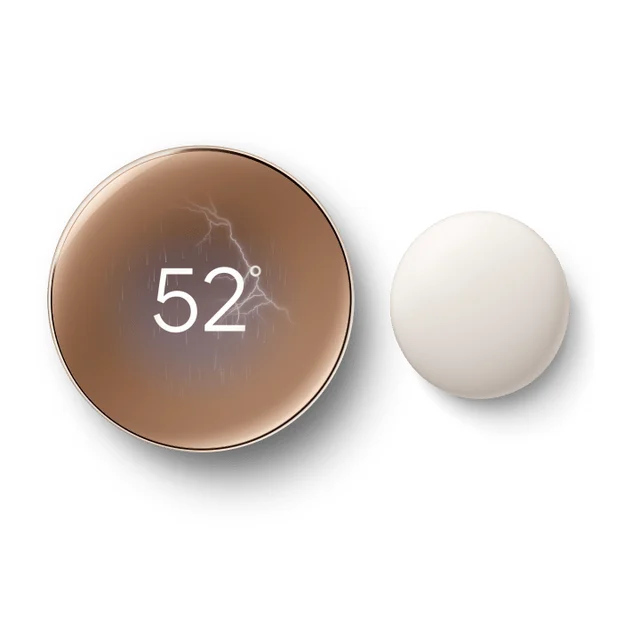
- Google Nest Learning Thermostat (4th gen) - Buy. A readable display and genuine auto-scheduling make it the easiest smart thermostat to live with.
- ecobee Smart Thermostat Premium - Buy. The most feature-dense pick, with built-in air-quality sensing, an included sensor, and on-device voice.
- Honeywell Home T9 - It depends. Motion-aware room sensors make it strong for multi-room homes, held back by dated software.
- Wyze Thermostat - Skip. Cheap and simple, but recurring connectivity and accuracy issues make it hard to trust.
The verdict in 30 seconds
What mattered most
- Room sensor in box
- Scheduling
- On-device voice
- Air-quality sensing
- C-wire needed
- Smart-home platforms
Smart thermostats promise lower bills and a more predictable home, but the differences that matter are unglamorous: how well they hold a schedule, how they handle uneven rooms, and how much they depend on a cloud connection to work at all. We compared four models currently sold in 2026 against those realities. Three earn a place on the wall; one is better left in the box.
A readable display and genuine auto-scheduling make it the easiest smart thermostat to live with.
Best for: Most homes that want a thermostat that schedules itself and installs without wiring drama.
- Dynamic Farsight display is large and readable across a room
- Auto-Schedule learns your routine and maintains it without programming
- Power Sharing works without a C-wire in most homes
- No room sensor included; Nest Temperature Sensors cost extra
- Runs through the Google Home app, which draws reliability complaints
- No on-device voice assistant
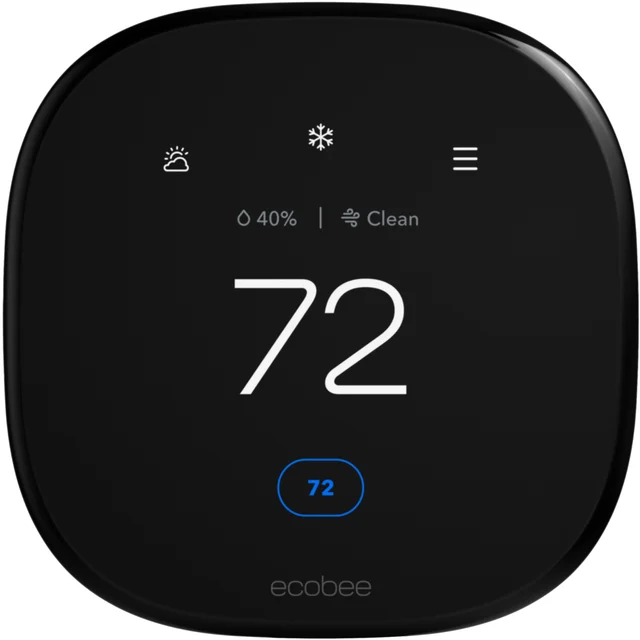
The most feature-dense pick, with built-in air-quality sensing, an included sensor, and on-device voice.
Best for: Apple households and anyone who wants air-quality sensing and a room sensor included in the box.
- Built-in air-quality monitor tracks VOCs and humidity
- Includes one SmartSensor for temperature and occupancy
- Alexa and Siri built into the device; supports Apple Home
- Glossy glass front shows fingerprints and can wash out in direct light
- Air-quality reading is relative, not a calibrated measurement
- Priciest option and may need the bundled power-extender kit
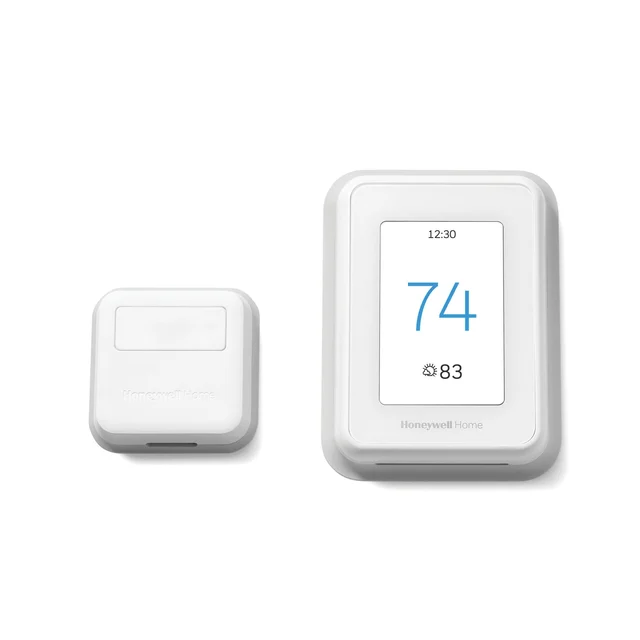
Motion-aware room sensors make it strong for multi-room homes, held back by dated software.
Best for: Larger or multi-level homes with rooms that run hot and cold.
- Smart Room Sensors add motion and humidity with roughly 200 ft range
- Can prioritize occupied rooms and adjusts via geofencing
- Includes one room sensor in the box
- App feels dated and scheduling is fiddly
- No true learning; you program and manage it yourself
- Bulky sensors and often needs a C-wire or the included adapter
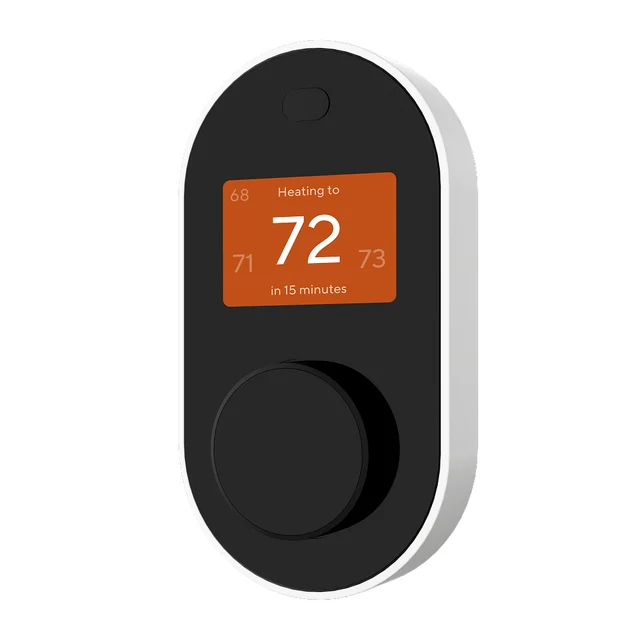
Cheap and simple, but recurring connectivity and accuracy issues make it hard to trust.
Best for: Almost no one; consider it only if the lowest upfront price outweighs day-to-day reliability.
- Low price
- Simple dial-and-screen interface
- Room-sensor support and Alexa and Google compatibility
- Wi-Fi connections drop and force reboots
- Temperature overshoots the set point by several degrees
- Heavy reliance on Wyze's cloud and slow support responses
| Criteria | Google Nest Learning Thermostat (4th gen) Top pick | ecobee Smart Thermostat Premium | Honeywell Home T9 | Wyze Thermostat |
|---|---|---|---|---|
| Verdict | Buy it | Buy it | It depends | Skip it |
| Best for | Most homes that want a thermostat that schedules itself and installs without wiring drama. | Apple households and anyone who wants air-quality sensing and a room sensor included in the box. | Larger or multi-level homes with rooms that run hot and cold. | Almost no one; consider it only if the lowest upfront price outweighs day-to-day reliability. |
| Price tier | $$$ · premium | $$$$ · flagship | $$ · mid-range | $ · budget |
| Room sensor in box | Sold separately | One included | One included | Sold separately |
| Scheduling | Learns automatically | Schedule + occupancy | Manual + geofencing | Manual only |
| On-device voice | None | Alexa + Siri | None | None |
| Air-quality sensing | No | Yes (relative VOC) | No | No |
| C-wire needed | Rarely (Power Sharing) | Adapter included | Often (adapter incl.) | Adapter included |
| Smart-home platforms | Matter, Google, Alexa | Apple Home, Alexa, SmartThings, Matter | Alexa, Google | Alexa, Google |
Which one is right for you?
- Most homes that want a thermostat that schedules itself and installs without wiring drama. Buy it Google Nest Learning Thermostat (4th gen)
- Apple households and anyone who wants air-quality sensing and a room sensor included in the box. Buy it ecobee Smart Thermostat Premium
- Larger or multi-level homes with rooms that run hot and cold. It depends Honeywell Home T9
- Almost no one; consider it only if the lowest upfront price outweighs day-to-day reliability. Skip it Wyze Thermostat
How we judged the field
We do not run our own HVAC lab, and we are skeptical of anyone who claims a thermostat can be judged from a spec sheet. Our approach is to synthesize independent expert testing with months of owner feedback, then focus on the traits that decide whether you will still be happy in five years: whether the device holds the schedule you set, how it manages a home with hot and cold rooms, how forgiving it is about wiring, and how much it depends on a company’s servers to keep functioning. A thermostat is one of the few gadgets you touch every day for a decade, so quiet reliability counts for more than any single feature.
We limited the field to models you can still buy new in 2026 and excluded discontinued hardware. Four remain below: three we would mount in the right home, and one we think most buyers should pass over.
Google Nest Learning Thermostat (4th gen)
Buy itThe fourth-generation Nest keeps what made the line popular and sands down its rough edges. Its Dynamic Farsight display is roughly sixty percent larger than the previous model and lights up with the time or temperature as you approach, so it reads clearly from across a room. Auto-Schedule remains the strongest feature here: rather than making you program set points, it watches your adjustments for a week or two and builds a schedule it then maintains quietly. Patented Power Sharing means it runs without a dedicated common wire in most homes, which removes the single biggest installation headache, and the unit is Matter-certified with a System Health Monitor that can flag HVAC problems early.
What owners and testers liked more was the combination of the legible display and scheduling that genuinely fades into the background once it learns your rhythm. What they liked less is that no room sensor is included, so addressing uneven temperatures means buying Nest Temperature Sensors separately, and control now runs through the Google Home app, which has drawn complaints for occasional sluggishness and account friction. There is no on-device voice assistant either.
ecobee Smart Thermostat Premium
Buy itThe ecobee Premium is the most feature-dense thermostat here. Alone among these four, it carries a built-in air-quality monitor that estimates volatile organic compound levels and humidity and alerts you when the air needs attention. It ships with one SmartSensor that reports both temperature and occupancy, so the thermostat can favor the rooms people are actually in, and it has Alexa and Siri built into the device, letting it double as a smart speaker and intercom. It also supports Apple Home, SmartThings, and Matter, making it the most flexible pick for mixed ecosystems.
Reviewers and owners liked more that so much is included in the box: a room sensor, air-quality sensing, and hands-free voice, none of which require add-ons. They liked less the glossy glass front, which shows fingerprints and can wash out in direct light, and the fact that the air-quality reading is relative rather than a calibrated measurement. Homes without a common wire will need the bundled power-extender kit, which adds a step to installation, and this is the priciest option in the group.
Honeywell Home T9
It dependsThe T9 earns a conditional recommendation because it does one thing better than the pricier picks: whole-home coverage. Its Smart Room Sensors detect motion and humidity as well as temperature and reach up to roughly two hundred feet, and the app lets you prioritize whichever rooms are occupied. Combined with geofencing that adjusts the system as your phone comes and goes, it is a sensible choice for larger or multi-level homes with rooms that never seem to match.
Owners liked more the sensor range and the ability to weight comfort toward occupied spaces. They liked less the software: the app feels dated next to Google’s and ecobee’s, scheduling is fiddly, and there is no true learning, so you program it and manage it yourself. The sensors are also bulky, and many installations still need a common wire or the included adapter. If motion-aware, multi-room control is your priority, it is worth the compromises; if not, the others are more pleasant to live with.
Wyze Thermostat
Skip itOn paper the Wyze Thermostat is appealing: a low price, a clean dial-and-screen design, room-sensor support, and Alexa and Google compatibility. In practice, it is the one device here we would steer people away from. Across owner reports, the recurring themes are Wi-Fi connections that drop and force a reboot, temperature that overshoots the set point by several degrees, and a heavy dependence on Wyze’s cloud, which means its smart features hinge on the company’s servers and your account staying healthy. Support responses have also been slow for a product that people rely on for heat.
What buyers liked more was the price and the simple physical control. What they liked less was almost everything about dependability, and for a device that manages your furnace through winter, dependability is the whole job. The savings do not justify the risk.
Google Nest Learning Thermostat vs ecobee Smart Thermostat Premium: which should you buy?
These two are close, and the decision comes down to temperament. The Nest is the calmer choice. Its auto-scheduling means most people can install it, ignore it, and let it settle into their routine, and its power-sharing wiring makes setup the least stressful of the group. If you want a thermostat that mostly disappears, it is the pick.
The ecobee asks a little more of you and gives more back. You get a room sensor and air-quality sensing in the box, plus on-device Alexa or Siri that the Nest cannot match. It does not learn your schedule the way the Nest does, so you will do more of the programming yourself, and its glossy face and higher price are real tradeoffs. Choose it if you value the extra sensors, native Apple Home support, or built-in voice more than hands-off automation.
What to look for
Match the thermostat to your home and habits rather than the longest feature list. A few questions sort it quickly:
- Do you have uneven rooms? Prioritize included sensors, which favors ecobee or the Honeywell T9.
- Do you want to set it and forget it? The Nest’s learning is the strongest here.
- Do you live in an Apple household? Only the ecobee offers native Apple Home and Siri.
- Is your wiring old or missing a common wire? Check that first; the Nest is the most forgiving, and ecobee includes an adapter.
- Working to a tight budget? Spend a little more than the cheapest option, because the Wyze’s reliability record undercuts its savings.
Our final take
For most homes, the Google Nest Learning Thermostat (4th gen) is the easiest to install and the easiest to forget about, which is exactly what you want from a thermostat. Step up to the ecobee Smart Thermostat Premium if air-quality sensing, an included room sensor, native Apple Home, or on-device voice matter to you. Consider the Honeywell Home T9 if motion-aware, multi-room comfort is the priority. And whatever you choose, skip the Wyze Thermostat: the price is tempting, but a thermostat you cannot trust to stay online and on-target is not a bargain.
Questions, answered
Do smart thermostats really lower energy bills?
Usually, but modestly. Independent testing and owner reports point to single- to low-double-digit percentage savings on heating and cooling, driven mostly by automatic setbacks when you are away or asleep. Gains depend on your old habits, your climate, and how consistently you let scheduling and geofencing work.
Do I need a C-wire to install one?
Often, but not always. The Nest uses Power Sharing and works without a common wire in most homes; ecobee includes a power-extender kit; Honeywell and Wyze rely on an adapter. Check your existing wiring first, because a missing common wire is the most frequent installation snag.
Which of these works with Apple Home?
The ecobee Smart Thermostat Premium supports Apple Home directly and adds Siri on the device. The Nest works with Apple Home only through Matter, not natively. The Honeywell T9 and the Wyze Thermostat skip Apple entirely, sticking with Alexa and Google Assistant.
Are remote room sensors worth it?
If your home has rooms that run hot or cold, yes. Sensors let the thermostat read temperature and occupancy where you actually spend time, not just at the hallway. ecobee and Honeywell include one sensor; Nest and Wyze sell them separately, which adds to the cost.
Is the Wyze Thermostat a good budget choice?
It is inexpensive and simple, but owners repeatedly report Wi-Fi dropouts, temperature overshoot, and heavy reliance on Wyze's cloud and account. For a device you depend on daily for years, the low price does not offset the reliability and control tradeoffs.
Deciding between the top two? See our head-to-head: Google Nest Learning Thermostat (4th gen) vs ecobee Smart Thermostat Premium.
More Tech & Gadgets reviews
 The Best Smart Water Leak Detectors: 4 Compared (and One to Skip)
  The Best Smartwatches: 4 Compared (and One to Skip)
  The Best SSD Enclosures: 4 Compared (and One to Skip)
  The Best Stream Decks: 4 Compared (and One to Skip)
  The Best Surge Protectors: 4 Compared (and One to Skip)
  The Best Telescopes: 4 Compared (and One to Skip)