

Explained
Smart Water Leak Detectors, Explained
After reading, you'll know the difference between a device that only warns you about a leak and one that can actually stop it, and which features are worth paying for in your home.
In this guide
Smart water leak protection splits into two very different jobs: cheap floor sensors that shout the moment they touch water, and whole-home systems that watch your main line and can even shut the water off. The words on the box rarely make that distinction clear, so buyers often pay for an alert when they thought they were buying protection. This guide decodes the jargon, connectivity choices, and specs so you can match a device to your home and your risk.
The 30-second version
- Alerting is not the same as protecting. A spot sensor warns you a leak has started; only a shutoff system can actually stop the water when you're not home.
- Match the radio to your layout. Wi-Fi and hub-based Zigbee suit typical homes, while long-range LoRa reaches detached garages, deep basements, and rural properties where other signals drop off.
- Check the strings before you buy. Many sensors need their brand's hub to alert you at all, and some monitors gate their most useful alerts behind an ongoing subscription.
- Batteries and durability matter here. These devices live in the dampest corners of your home, so multi-year battery life and a water-resistant body are non-negotiable.
- A shutoff can pay you back. Automatic water shutoff systems are the ones insurers tend to recognize, and some may qualify you for a policy discount.
What actually matters
- Protection type (shutoff vs alert-only) is the single biggest decision. A shutoff valve on your main line can close the water automatically during a leak; an alert-only sensor can only ping your phone and hope you're able to act.
- Coverage area determines what you're actually watching. Spot sensors guard one fixture each, while whole-home monitors and shutoffs watch the entire plumbing system, including slow drips and outdoor lines a floor puck would never see.
- Connectivity and range decide whether an alert reaches you from a far basement or outbuilding. A sensor that can't hold a signal where you place it is worthless, so the radio technology has to fit your home's size and construction.
- Hub and subscription requirements shape the true cost. Some sensors are useless without a proprietary hub, and some monitors lock leak history and the best alerts behind a monthly plan.
- Battery life and water resistance keep the device working in the exact damp, hidden spots you're worried about. Look for multi-year batteries and an ingress-protection rating.
- Freeze and temperature detection catches a threat before it becomes a leak. Sensing a pipe approaching freezing lets you act before it bursts, which is often more valuable than reacting after.
- Smart-home integration lets a simple sensor trigger bigger responses, like sounding a siren or telling a compatible valve to close, turning early warning into real protection.
The specs, in plain English
Green flags vs red flags
Green flags
- Clearly states whether it can shut off water or only alert, without blurring the two
- Multi-year rated battery life and a stated water-resistance (IP) rating
- Works with the smart-home platform you already use, or offers useful local automations
- Long-range connectivity option if you need to cover a large or sprawling property
- Includes freeze or temperature alerts alongside leak detection
- No subscription required for the core alerts you actually care about
Red flags
- Marketing implies flood 'protection' when the device can only send a notification
- The most useful leak alerts or history are locked behind an ongoing subscription
- Requires a proprietary hub that isn't clearly disclosed in the price
- Wi-Fi-only design expected to cover a distant basement, garage, or outdoor meter
- Vague or missing battery-life and water-resistance specs
- Locks you into a closed ecosystem with no path to a shutoff valve or wider automation
Who's who: the brands
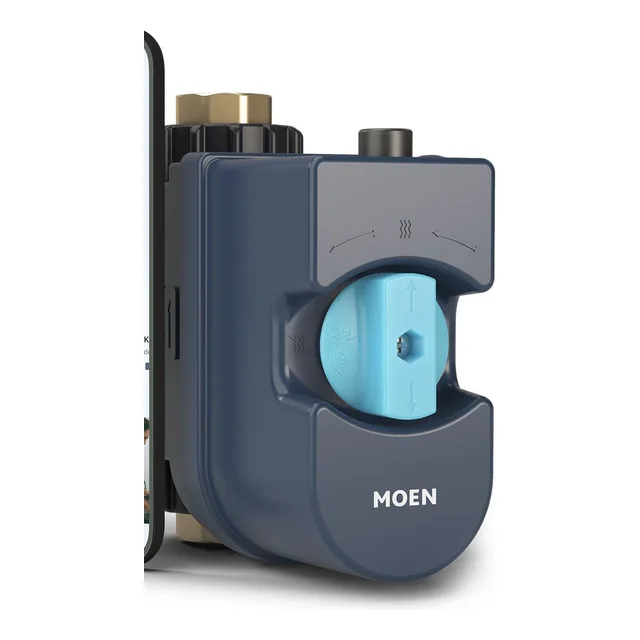
- Moen - Known for whole-home shutoff systems that install on the main line and can automatically close the water; widely recognized by insurers.
- Aqara - Makes small, affordable hub-based spot sensors that plug into Apple Home, Alexa, and Google and can trigger shutoff automations.
- YoLink - Built around long-range LoRa radios and offline device-to-device triggers, favored for large properties and outbuildings.
- Flume - Offers a strap-on whole-home usage monitor focused on conservation and billing insight rather than active shutoff.
- Govee - Popular for inexpensive Wi-Fi and hub-based spot sensors aimed at basic, budget-friendly early warning.
How to read a listing without getting fooled
Start by finding one word on the listing: does it say monitor, sensor, or shutoff? A 'sensor' or 'monitor' almost always means alert-only, no matter how protective the marketing sounds; only a 'shutoff' or 'valve' can stop the water. Next, hunt for the hub requirement, often buried in the fine print as 'requires [brand] hub' or 'hub sold separately', because that changes the true cost. Then check the radio type against your home's size: Wi-Fi and Zigbee for normal layouts, LoRa if you need serious range. Look for a real battery-life figure and an IP rating rather than vague words like 'long-lasting' or 'water-resistant'. Finally, scan for the word 'subscription' or 'plan' and confirm exactly which features it unlocks, so you're not surprised to find the alerts you wanted sitting behind a paywall.
How much should you spend?
Cost tracks almost perfectly with what the device does. Basic spot sensors are the cheapest hardware you can buy, and a handful placed at your riskiest fixtures deliver most of the early-warning value for very little, though remember the hub is a one-time add-on if you don't already own one. Whole-home usage monitors sit in the middle, but factor in that their best alerts may carry a recurring fee. Automatic shutoff systems are the biggest outlay, both for the hardware and, for most people, professional plumbing installation, so budget for the labor, not just the box. The value sweet spot for many homeowners is layered: scatter a few inexpensive sensors at high-risk spots now, and reserve the premium spend for a shutoff on the main if you own your home, travel, or have been flooded before. Spending more is worth it when the device can actually stop water or qualify you for an insurance discount; it's rarely worth it to pay premium prices for a fancier alert-only sensor when a basic one warns you just as fast.
Questions, answered
What's the real difference between a leak sensor and a whole-home shutoff?
A leak sensor sits on the floor near a fixture and warns you the instant it touches water, but it can't do anything to stop it. A whole-home shutoff installs on your main line, watches flow and pressure across the entire house, and can automatically close the valve. Sensors are cheap early warnings; a shutoff is active protection, especially while you're away.
Do I need a hub or a subscription to make these work?
It depends on the type. Many spot sensors need their brand's hub just to send you an alert, though they usually don't charge a monthly fee on top. Some whole-home monitors include their bridge but gate the most useful leak and history alerts behind an ongoing plan. Always confirm both the hub requirement and any subscription before buying, since either can change the real cost.
Which connectivity type should I choose for my home?
Match the radio to your layout. For a typical house or apartment, Wi-Fi or a hub-based Zigbee sensor works fine. If you need to cover a detached garage, a deep basement, or a large rural property, a long-range LoRa system is far more reliable because ordinary Wi-Fi signals drop off over distance and through walls.
How long do the batteries last, and do these survive getting wet?
Good spot sensors are rated for multiple years on a coin cell or standard batteries, so maintenance is minimal. Because they live in damp spots, look for a stated water-resistance (IP) rating rather than vague claims. A sensor that dies quietly or corrodes in a wet corner is worse than none, so favor clear specs over marketing language.
Can a leak detector help lower my home insurance?
Sometimes. Automatic water shutoff systems are the ones insurers tend to recognize, and some may qualify you for a policy discount, since they actively prevent damage rather than just report it. Plain spot sensors rarely qualify. Always confirm eligibility and any documentation your specific insurer requires before you buy, as policies vary.
Related guides
 Smartwatches After reading, you'll know why your phone brand narrows the field first, what each spec and health feature really does, and how to match a watch to how you actually live.
  Stream Decks After reading this you'll understand what every stream deck spec means, why the software matters more than the button count, and which features you'll actually use.
  Surge Protectors After reading, you'll know which surge protector specs actually keep your electronics safe and which are just marketing on the box.
  Thermal Cameras After reading this you'll know exactly which thermal camera specs are real, which are marketing, and what to buy for the way you'll actually use it.
  Ultrawide Monitors After reading this, you'll be able to look at any ultrawide monitor listing and know exactly which specs matter for your desk - and which are marketing noise.
  UPS Battery Backups After reading this, you'll be able to look at any UPS listing and know instantly whether it will actually protect your computer or just your router.