Explained
Ski Goggles, Explained
After this guide you'll know which goggle specs actually affect what you see on the mountain - and which are marketing - so you can match a lens, fit, and swap system to how you really ski.
In this guide
Ski goggles look like a simple purchase until you hit the spec sheets: VLT percentages, ChromaPop versus Prizm versus Perceive, spherical versus toric lenses, magnetic swap systems. What trips most first-time buyers up is shopping by tint color or brand logo instead of the three things that decide your day: how the lens handles flat light, whether you can change lenses when weather turns, and whether the frame actually seals against your face and helmet.
The 30-second version
- Flat-light contrast is the real upgrade. Contrast-enhancing lenses (ChromaPop, Perceive, Prizm) make bumps and ice visible when the light goes gray - that's the single biggest difference between premium and basic goggles.
- VLT tells you how much light gets through. A low-VLT dark lens is for sunny days, a high-VLT clear-ish lens is for storms and dusk; one lens rarely covers both, which is why two-lens kits matter.
- The lens-change system decides whether you'll ever swap. Magnetic systems change lenses in seconds; rail-and-notch systems are fiddly enough that many owners never bother, which wastes the second lens entirely.
- Fit beats features. A goggle that gaps at your brow or fights your helmet will ruin your day no matter how good the optics are - frame size and helmet compatibility come before lens tech.
- Anti-fog is a system, not a coating. Double lenses, venting, and how you treat the inner surface matter as much as any marketing claim - and budget coatings wear out faster than premium ones.
The products this guide is about
Our verdict on each, with the full reasoning on the companion review.
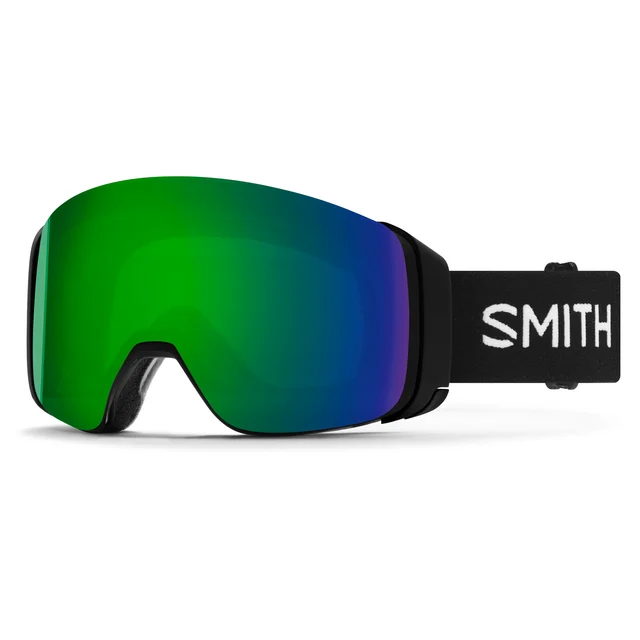
- Buy Smith 4D MAG The best all-around goggle in this group, with BirdsEye vision and Smith's widest field of view. Amazon
- Buy Anon M5 A magnetic lens swap that takes seconds, Perceive optics, and a bonus lens in the box. Amazon
- It depends OutdoorMaster PRO Snow Goggles Startlingly capable for the money, as long as you accept budget-grade optics and durability. Amazon
- Skip Oakley Flight Deck L Prizm optics are still superb, but the decade-old design and fiddly lens change no longer justify premium money. Amazon
What actually matters
- Flat-light contrast - the ability to read snow texture when clouds flatten the light is where cheap lenses fail and where contrast-enhancing optics earn their keep; it's a safety feature, not a luxury.
- VLT (visible light transmission) - matching lens darkness to your typical conditions matters more than any tint color; storm-prone regions need brighter lenses than bluebird destinations.
- Lens-swap system - if weather changes where you ski, a swap you can do in seconds with gloves on is worth far more than a technically better lens you can't change on the hill.
- What's in the box - a bundled second low-light lens changes the value math dramatically; two goggles at similar prices are not equal if only one includes it.
- Fit and helmet compatibility - frame sizes genuinely vary between models and brands; a gap at the brow or a pinch at the nose means fog, cold, and distraction all day.
- Fog resistance over time - nearly every goggle resists fog when new; the difference is whether the coating and foam still work after a season or two of real use.
- OTG (over-the-glasses) clearance - if you wear prescription glasses, this constraint comes first; not every frame accommodates glasses, and forcing it fogs both.
The specs, in plain English
Green flags vs red flags
Green flags
- A bonus low-light lens included in the box - it signals the maker expects you to actually use the goggle in changing conditions
- A magnetic swap system with a mechanical lock or high magnet count, so speed doesn't come at the cost of losing a lens in a crash
- Named contrast-enhancing lens technology backed by consistent praise in independent testing, not just a colorful mirror coating
- Clearly published VLT figures for every lens option, so you can match darkness to your conditions instead of guessing from photos
- Triple-layer face foam and generous venting - the unglamorous parts that determine comfort and fog resistance over a full day
Red flags
- No VLT number anywhere in the listing - a seller hiding the one spec that defines when the lens is usable
- A single-lens design or vague 'anti-fog' claims with no mention of a double lens; expect fog by the second run
- One mid-dark lens marketed as good for 'all conditions' - no single tint handles both bright sun and storm light well
- Magnet-only lens retention on a goggle pitched for aggressive riding, with owner reports of lenses shifting in falls
- A decade-old design at full premium price while competitors bundle extra lenses and faster swap systems for the same money
- Owner reviews clustering around foam disintegrating or coatings failing within a season - the classic budget goggle failure mode
Who's who: the brands
- Smith - Long-running optics specialist; its ChromaPop lenses and magnetic MAG swap system anchor the premium tier, and its flagship models regularly top independent tests.
- Anon - Burton's goggle brand, known for the fastest magnetic lens swaps in the category (MAGNA-TECH), Perceive contrast lenses, and magnetic face-mask integration.
- Oakley - The heritage optics giant; its Prizm lens tech remains elite for flat light, though some of its frame designs and lens-change systems have aged behind the magnetic competition.
- OutdoorMaster - The dominant budget name; delivers wide fields of view, magnetic lenses, and OTG-friendly fits at entry-level pricing, with the usual budget trade-offs in flat-light contrast and durability.
- Giro - Helmet-and-goggle maker whose VIVID lenses (developed with an optics partner) are well regarded; a natural pick if you want guaranteed helmet-goggle integration from one brand.
- Dragon - Rider-oriented brand known for large frameless lens designs and Lumalens contrast optics; popular with snowboarders who want maximum peripheral view.
How to read a listing without getting fooled
Start with the two numbers-and-systems that matter: find the VLT of the included lens (and ask why if it isn't listed), then identify the lens-change mechanism - 'magnetic with locks' and 'magnetic quick-change' are meaningfully different claims from a rail or clip system buried in fine print. Next, check what's actually in the box: 'interchangeable lenses' often means compatible lenses exist for separate purchase, not that a second one is included. Treat lens-tech brand names as a real signal only when they're the maker's established system; a generic 'REVO mirror HD lens' is a coating, not contrast technology. Finally, read the fit information like it's the most important spec - frame size, OTG support, and helmet pairing - because the listing photos will always show a perfect seal that your face may not reproduce.
How much should you spend?
What you pay for in goggles, in rough order: contrast-enhancing lens technology, a fast and secure lens-swap system, a bundled second lens, and long-lived anti-fog and foam. The value sweet spot for regular skiers sits at the premium-but-not-flagship level, where you get elite optics, magnetic swaps, and a bonus lens without paying for the last few percent of refinement. Spending up to a flagship makes sense if you're on snow most weekends, ski technical terrain where field of view genuinely helps, or simply want the best and will keep it for many seasons. Spending down to the budget tier is rational for beginners, occasional skiers, kids, and family fleets - the experience is respectable, just with weaker flat-light vision and a shorter service life. The worst value is paying premium money for a dated design that includes no second lens; count what's in the box before comparing prices.
Questions, answered
What VLT should I actually buy?
Think in two bands, not one number. For sunny, high-glare days you want a dark lens in the low-VLT range; for storms, trees, and dusk you want a bright, high-VLT lens. If you can only own one, bias toward your region - storm-prone areas call for a brighter lens than sunny high-desert resorts - or pick a goggle that includes both lenses in the box.
Are ChromaPop, Prizm, and Perceive really different from a regular tinted lens?
Yes, and it's the most consistently confirmed finding in independent testing and owner reports: these lenses filter light so terrain texture stays visible when the sky goes gray, which is exactly when basic tints turn the snow into a featureless sheet. If you ski more than a few days a year, this is the upgrade to prioritize over everything else.
Can a magnetic lens really fall off in a crash?
On premium systems, effectively no - they pair magnets with mechanical locks or use enough magnets that lenses stay put through hard falls, and lost-lens reports are rare. On budget magnet-only goggles, owners do occasionally report a lens shifting or popping loose in a hard crash. It holds fine for normal riding, but aggressive skiers should prefer a locking system.
Why do my goggles fog, and how do I stop it?
Fog is warm, moist air from your face meeting a cold inner lens - usually caused by overdressing, tucking a face mask under the goggle foam, or parking goggles on a sweaty forehead. Choose a double-lens goggle with real venting, keep the vents clear of your hat and hood, and never wipe the inner lens while wet - blot gently and air-dry, because rubbing strips the anti-fog coating.
Do goggles need to match my helmet brand?
No, but they need to fit together. The goggle's top edge should meet the helmet brim with no bare forehead gap, and the strap should seat over the helmet without pulling the frame off your face. Most major goggles pair fine with most helmets, but frame sizes vary - try the exact combination, or buy from sellers with easy returns so you can test the pairing at home.
I wear glasses - what are my options?
Three routes: an OTG (over-the-glasses) goggle designed with clearance for frames, prescription inserts that clip inside a standard goggle, or contact lenses on ski days. OTG is the cheapest and simplest if your frames are small-to-medium; inserts cost more up front but work in any conditions and with more goggle models. Forcing glasses into a non-OTG frame causes pressure points and doubles your fogging surfaces.
Or jump to the head-to-head: Smith 4D MAG vs Anon M5.