Explained
Ski Helmets, Explained
After reading, you'll understand how certifications, rotational systems, construction and fit decide whether a ski helmet protects you.
In this guide
Ski helmets look alike, but the safety details are in the small print. Certifications, rotational-impact systems and construction differ, and fit matters as much as any feature. Here is how to read the listing.
The 30-second version
- Check the certification first, with ASTM F2040 for the US and EN 1077 for Europe.
- MIPS and WaveCel address rotation, which standard tests do not measure.
- In-mold helmets are lighter, while hard shells are tougher.
- Fit is safety, so measure your head and use the chart.
- Replace after a big impact, even if it looks fine.
The products this guide is about
Our verdict on each, with the full reasoning on the companion review.
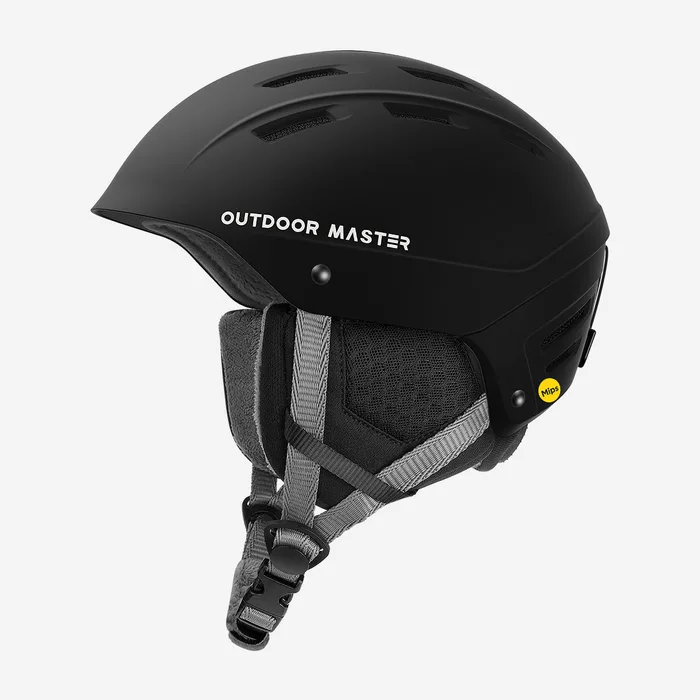
- Buy OutdoorMaster KELVIN 2 MIPS Ski Helmet Dual-certified with MIPS, 14 vents and audio compatibility at a budget price.
- Buy Anon Logan WaveCel Ski & Snowboard Helmet WaveCel protection, a 360° BOA fit and a low-profile in-mold shell.
- It depends Wildhorn Highline MIPS Snow Helmet A certified MIPS helmet at clearance prices, sold as final sale in limited sizes.
- Skip Retrospec Comstock Ski & Snowboard Helmet An inexpensive hard-shell helmet that lists only the European standard and no MIPS.
What actually matters
- Certification - ASTM F2040, EN 1077 or both. It shows the helmet passed impact testing.
- Rotational protection - MIPS, WaveCel or similar. It helps in angled falls.
- Construction - in-mold or hard shell. It affects weight and durability.
- Fit system - dials, BOA or pads. A snug fit keeps protection in place.
- Vents - fixed or adjustable. They control heat and goggle fog.
- Goggle compatibility - clips and fit with your goggles. Gaps cause cold foreheads.
- Returns - fit is personal. A return window helps.
The specs, in plain English
Green flags vs red flags
Green flags
- ASTM F2040 and EN 1077 listed.
- A rotational-impact system.
- A published weight.
- Clear sizing by head circumference.
- A return window.
Red flags
- No certification listed.
- Only EN 1077 on a helmet sold in the US.
- Final sale on a fit-sensitive item.
- No sizing guidance.
- Vague safety claims with no standard named.
Who's who: the brands
- OutdoorMaster - A budget ski helmet and goggle brand with MIPS models.
- Anon - Burton's helmet and goggle brand, known for WaveCel and BOA-fit helmets.
- Wildhorn - A value snow gear brand with MIPS helmets and audio-compatible designs.
- Retrospec - A budget brand for bikes, helmets, skates and snow gear.
How to read a listing without getting fooled
Start with the certifications and look for ASTM F2040 and EN 1077. Then check for a rotational-impact system, the construction type and the weight. Read the size chart and the brand's fit notes, then the venting and goggle details. Finally, check the returns policy before you buy.
How much should you spend?
Budget helmets can be well certified and even include MIPS, so price alone is not a safety guide. Mid-range helmets add better fit systems, venting and audio. Premium helmets add advanced impact systems, BOA fit, lower weight and lower profiles.
Questions, answered
Can I use a bike helmet for skiing?
No. Bike and ski helmets are tested to different standards, and ski helmets add cold-weather coverage and goggle fit. Use a helmet certified for snow sports.
Do ski helmets keep you warm?
Yes, most have liners and ear pads. Adjustable vents let you control warmth. A thin beanie under the helmet can change the fit, so check first.
Should kids wear MIPS helmets?
Many kids' helmets include MIPS, and it is a sensible feature. Fit matters most for kids, so measure often. Replace helmets as children grow.
Can I put stickers on my helmet?
Many makers advise against adhesives or paint, which can affect some shells. Check the manual. When in doubt, skip them.
Or jump to the head-to-head: OutdoorMaster KELVIN 2 MIPS Ski Helmet vs Anon Logan WaveCel Ski & Snowboard Helmet.