Explained
Sippy Cups, Explained
After reading this you will be able to look at any toddler cup listing and tell what drinking skill it builds, how it will actually leak, and how hard it will be to keep clean.
In this guide
A "sippy cup" is really four different products sold under one word: spouted cups, straw cups, spoutless 360 rim cups, and open-cup trainers. They differ less in price than in what they teach a child's mouth to do and in how they fail when a toddler throws them. Most people shop for the phrase "spill proof" and end up with a cup that leaks in a bag anyway, has a valve nobody can reach with a brush, and reinforces the exact bottle habit they were trying to move past.
The 30-second version
- The drinking action matters more than the brand. Straws and open rims build the tongue-tip and lip control that mature swallowing and clear speech depend on, while a spout keeps the bottle-era suckle pattern going.
- "Spill proof" is a marketing phrase, not a spec. Every cup fails under some combination of being thrown, packed sideways, chewed, or filled cold and left to warm, so the useful question is which failure a given cup resists.
- Count the parts before you buy. Each valve, gasket, and long straw is a surface you will scrub for a year, and the cups that quietly stop getting used are the ones that need a soak and a pipe cleaner after every milk fill.
- Cheap, stocked spare parts decide the real lifespan. Toddlers chew straws flat and split spouts, so a cup with a replacement straw and valve line lasts years while an identical cup without one lasts until the first bite.
- Most households end up with two cups, not one. A small skill-building cup at the table and a sealed cup for the bag do different jobs, and expecting one cup to do both is where the disappointment usually comes from.
The products this guide is about
Our verdict on each, with the full reasoning on the companion review.
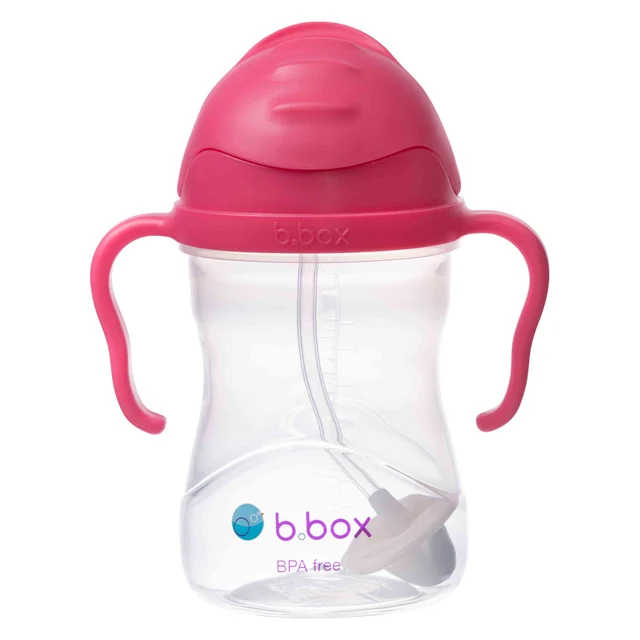
- Buy b.box Sippy Cup with Weighted Straw The weighted straw drinks at any angle and the seal actually survives a diaper bag, which is why it outlasts most first cups. Amazon
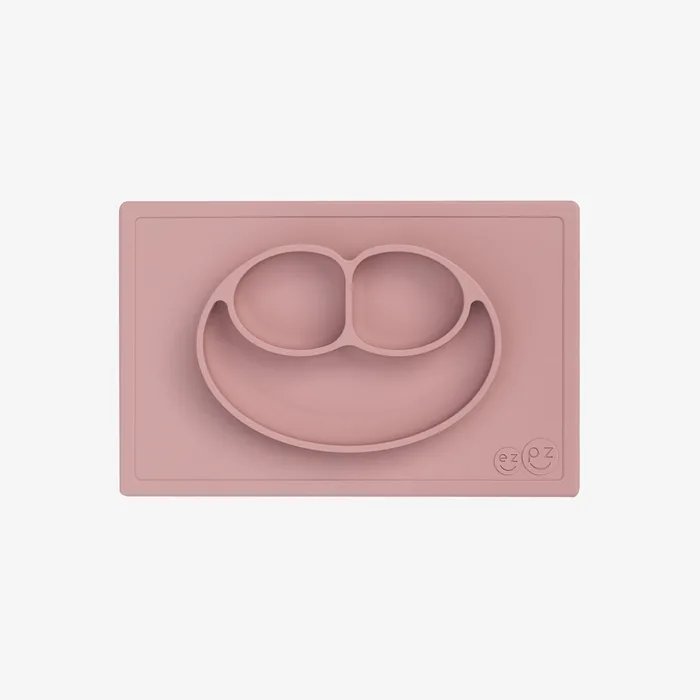
- Buy ezpz Mini Cup + Straw Training System A silicone open cup with a short straw lid, and the easiest cup on this list to keep genuinely clean. Amazon
- It depends Munchkin Miracle 360 Trainer Cup, 7oz A cheap spoutless cup that teaches real rim drinking, as long as you accept the valve scrubbing and never pack it sideways. Amazon
- Skip Dr. Brown's Soft-Spout Toddler Cup, 9oz Well made and cheap, but it buys into the exact spout habit most clinicians want children off within a few months. Amazon
What actually matters
- Drinking style (spout, straw, 360 rim, or open cup). This is the single biggest decision. A soft or hard spout is the easiest sell to a baby coming off a bottle but is the habit most pediatric guidance wants children out of within months. Straws and open rims are harder for a week and better for years.
- Weighted straw. A small weight on the end of a flexible silicone straw sinks toward wherever the liquid has pooled, so the cup drinks reclined in a car seat, tipped in a stroller, and when nearly empty. It is the difference between sipping and sucking air.
- Valve type and how far it comes apart. A two-way (vented) valve seals in both directions and survives bag tosses; a simple slit or V-cut valve controls flow but not much else. What matters just as much is whether the valve pops fully out for washing or hides in a channel you cannot see.
- Real leak behavior, not the shake test. Ask three separate questions: does it hold when knocked over on a table, does it hold packed on its side in a bag, and does it hold when filled cold and left to warm and build pressure. Cups pass these independently.
- Cleanability. Short, see-through straws, removable valves, and lids that disassemble without tools are what keep a cup out of the bin. Long narrow straws and valve rings that stay seated are where cups go to die.
- Capacity versus job. Small cups build skill at meals; larger sealed cups handle outings and daycare. A cup sized for all-day water is usually too heavy and too loose-lidded to be a good first teaching cup.
- Materials and heat tolerance. Silicone, polypropylene, Tritan, PPSU, and stainless all show up in this category. What you actually need to check is whether the part goes on the dishwasher top rack and whether it can be sterilized, since weighted straws containing a metal bead usually must not be microwaved.
The specs, in plain English
Green flags vs red flags
Green flags
- A straw or rim you can see through, and a valve that pops fully out of the lid in one piece
- Replacement straws, valves, and gaskets listed as separate stocked items by the same brand
- A weighted straw if the cup will be used in a car seat, stroller, or carrier
- Explicit dishwasher-safe (top rack) guidance for every part, lid included
- A wide, flared, or weighted base that resists a casual toddler swipe
- Honest wording from the maker such as "splash resistant" or "seals upright" rather than a blanket spill-proof claim
Red flags
- "100% leak proof" with no caveat about being packed sideways or thrown
- A long, narrow straw that no household bottle brush will reach the middle of
- A valve or gasket that stays seated in the lid and is only described as "wipe clean"
- No replacement parts sold anywhere, for a product a child will chew daily
- A spout marketed for extended use, or a listing that positions a spouted cup as an all-the-way-to-preschool cup
- Lid rims and collars with blind channels that trap liquid you cannot see or dry
Who's who: the brands
- b.box - Australian brand best known for weighted-straw cups with a genuinely sealing two-way valve and cheap, easy-to-find replacement straws.
- ezpz - Silicone-first feeding brand whose small silicone cups and short-straw lids follow what feeding specialists usually recommend for the transition.
- Munchkin - High-volume mass-market brand; its spoutless 360 rim cup is the most widely stocked cheap way to get spoutless drinking at home.
- Dr. Brown's - Bottle-heritage brand with a broad line of soft-spout toddler cups: well made and inexpensive, but built around the spout stage.
- Philips Avent - Another bottle-first brand offering spout and straw cups that share parts across their bottle range, which suits households already in that system.
- Thermos / insulated specialists - Where you go for stainless insulated straw bottles once a child is past the training stage and you care about cold water on long days out.
How to read a listing without getting fooled
Ignore the headline adjective and read the listing bottom-up. First find the drinking mechanism in the photos: is there a spout, a straw, a rim gasket, or nothing at all? That tells you what skill the cup builds. Next, count the parts in the exploded diagram most brands include; four parts is normal, and anything you cannot identify is something you will be scrubbing blind. Then look for the words the marketing copy avoids. "Spill proof" and "no spill" are unregulated phrases that almost always mean "does not leak when upright and gently shaken"; a maker that writes "splash resistant" or "seals when upright" is being more honest, not selling a worse cup. Check whether the brand sells replacement straws and valves, since that is the clearest signal they expect the cup to last. Finally, scan the low-star owner reports specifically for the three real failure modes: thrown from a high chair, packed on its side, and filled cold then warmed. If those complaints are absent from hundreds of reviews, the seal is probably real.
How much should you spend?
This is a category where the money buys engineering you can feel and then flattens out fast. At the bottom of the range you get simple spouted and spoutless cups that work fine at home; what you are giving up is a sealing valve, a weighted straw, and often a spare-parts line. Stepping up to the mid range is where the meaningful upgrades live: a two-way valve that actually holds in a bag, a weighted straw so angle stops mattering, silicone that survives the dishwasher for years, and replacement parts sold for pocket change. Above that, you are mostly paying for insulation, stainless bodies, and design, which are worth it for an older child's all-day water bottle and largely irrelevant for a first cup. The genuine value move is to buy two mid-range cups with different jobs rather than one expensive cup that promises to do everything, and to treat cheap replacement straws as part of the purchase price, because the cup you can repair for almost nothing beats the one you rebuy twice a year.
Questions, answered
When should a baby start using a cup, and when should the bottle go?
The common guidance is to offer a cup alongside solid foods from around six months and to aim for bottles being gone somewhere between twelve and eighteen months. Early on it is practice, not replacement: a few sips of water at the high chair builds the skill long before the cup does any real work. This is general product information, not medical advice, so check with your pediatrician or a feeding specialist about your own child's timing and needs.
Is a spouted cup actually bad, or is that overblown?
The concern is consistent across pediatric dentistry and speech-language pathology. A spout, hard or soft, keeps the tongue in the same suckle pattern a bottle uses, which can slow the move to a mature swallow, and constant sipping of sweetened drinks through a spout bathes specific tooth surfaces in sugar. Most clinicians treat a spout as a short bridge and point toward straws or open cups by roughly eighteen to twenty-four months. A spouted cup used briefly is not a problem; a spouted cup used for two years is the thing to avoid.
Straw cup or 360 rim cup, which should I start with?
Both beat a spout. A short straw encourages tongue-tip control and is easier for a young baby to succeed with, especially when it is weighted so the angle stops mattering, and sealed straw cups are the only ones that reliably travel. A 360 rim is closer to an actual glass with nothing between the teeth, but flow is slower and children divide sharply over it. A common path is to start with a straw cup and add a rim or open cup at the table later.
Is any toddler cup genuinely leak proof?
No. Owner reports suggest that every design fails under some combination of being thrown, stored sideways, chewed, or filled cold and left to warm and build pressure. Sealed straw cups with a two-way valve hold up best in a bag, spoutless rim cups seal upright only, and open-cup trainers are splash resistant rather than sealed. For daycare, pick something with a real valve and pack it upright anyway.
How do I stop toddler cups from going moldy?
Buy for cleanability first: short straws you can see through, valves that pop fully out, lids that come apart without tools. Then build two habits. Rinse straight after milk or juice instead of letting the cup sit, and pull valves and gaskets apart for every wash rather than every few washes. Keep a thin straw brush by the sink. If a part cannot be reached by a brush or opened fully, assume it will need replacing rather than rescuing.
How many cups do I actually need?
Two is the practical answer for most households. One small, valve-free cup at the table that builds the real skill and is trivially easy to keep clean, and one sealed straw cup with a weighted straw that lives in the bag and goes to daycare. Buying one cup to cover both jobs usually means accepting either a leaky bag or a cup too big and fiddly to teach with.
Or jump to the head-to-head: b.box Sippy Cup with Weighted Straw vs ezpz Mini Cup + Straw Training System.