Explained
Toddler Shoes, Explained
After reading, you'll understand which kind of shoe suits each stage and how to check the fit.
In this guide
Baby and toddler shoes range from soft slippers to structured sneakers, and the right choice depends on whether a child is crawling, cruising or walking confidently. Fit is the hardest part, because toddlers cannot tell you if a shoe pinches. Understanding sole types, widths and return policies makes the choice much easier.
The 30-second version
- Stage decides the sole, from soft soles for crawlers to structured tread for walkers.
- Barefoot is often best indoors, with soft soles for protection when needed.
- Width matters, and many toddlers need wide shoes.
- APMA approval is a signal, not a guarantee of fit.
- Returns matter, because toddler sizes change every few months.
The products this guide is about
Our verdict on each, with the full reasoning on the companion review.
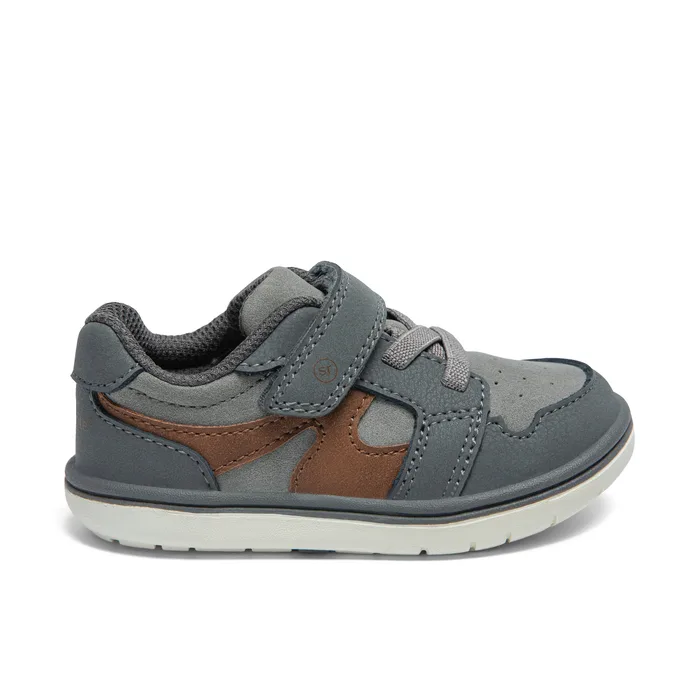
- Buy Stride Rite SRtech London Sneaker An APMA-approved leather toddler sneaker with medium and wide widths and easy 35-day returns.
- Buy Pediped Dani Grip 'n' Go A flexible, grippy shoe for early walkers from a brand built around podiatrist-approved first shoes.
- It depends Robeez Liam Soft Soles An APMA-approved soft-sole baby shoe that feels like bare feet, best indoors.
- Skip Freshly Picked Ebony Moccasin Baby Shoe A beautiful Italian leather moccasin sold final sale, with a deliberately tight fit.
What actually matters
- Stage - crawlers, early walkers and confident walkers need different levels of flexibility and structure.
- Sole type - soft suede, flexible rubber or structured tread.
- Fit - about a thumb's width at the toe, no heel slip and no pinching.
- Width - a choice of widths helps children with wide or narrow feet.
- Closure - hook-and-loop and elastic are easiest for toddlers and parents.
- Materials and care - leather lasts well; check whether it is washable or wipe clean.
- Returns - a generous return window lowers the risk of guessing sizes.
The specs, in plain English
Green flags vs red flags
Green flags
- Clear stage or age guidance.
- A size chart based on foot measurement.
- Width options.
- Podiatric approval stated.
- A free or generous return window.
Red flags
- Final sale with no returns.
- Instructions to buy a tight fit.
- No sizing guidance.
- Rigid soles for a child who is just learning to walk.
- No materials or care information.
Who's who: the brands
- Stride Rite - Long-established children's shoe brand known for width options and walking-stage lines.
- Pediped - Children's shoe brand built around a three-stage system of first shoes.
- Robeez - Known for soft-sole leather baby shoes with elastic ankles.
- Freshly Picked - Known for leather baby moccasins in fashion colours and prints.
How to read a listing without getting fooled
Start with the stage the shoe is designed for and match it to your child. Check the sole type, the size chart and whether widths are offered. Look for podiatric approval and a clear description of materials and closure. Finally read the return policy on the product page, because it tells you how much of a risk you are taking on size.
How much should you spend?
Budget soft-sole shoes are a good choice for crawlers and pre-walkers, who outgrow them quickly. Mid-range shoes from specialist brands add flexible soles, podiatric approval, widths and better construction, which matters once a child walks. Premium pricing often reflects leather or style rather than better fit. Because toddlers outgrow shoes every few months, paying for fit and returns is usually better value than paying for style.
Questions, answered
Should toddlers wear shoes indoors?
Many experts suggest letting toddlers go barefoot indoors when it is safe and warm, so they build strength and balance. Soft-soled shoes or grip socks are a good middle ground on cold or slippery floors.
Can my child wear hand-me-down shoes?
Shoes mould to the first wearer's feet, and worn soles can affect gait. Lightly used soft-sole shoes are usually fine, but structured walking shoes are best bought new and fitted to your child.
How do I measure my toddler's feet at home?
Have your child stand on paper, mark the back of the heel and the tip of the longest toe, and measure the distance. Measure both feet and use the larger one, then compare with the brand's size chart.
Are expensive toddler shoes worth it?
What matters most is fit, flexibility and the right sole for the stage. A well-fitting mid-range shoe from a specialist brand is usually better than an expensive fashion shoe that fits poorly.
Or jump to the head-to-head: Stride Rite SRtech London Sneaker vs Pediped Dani Grip 'n' Go.