Explained
Robot Litter Boxes, Explained
After reading this, you will understand how automatic litter boxes work, which specs and safety features actually matter, and how to choose one your cat will accept.
In this guide
An automatic litter box scoops itself so you do not have to, but the category is full of marketing that oversells 'never scoop again' and glosses over safety and reliability. First-time buyers get tripped up by two things: whether their cat will tolerate the machine at all, and whether the box will still be working a year from now. This guide decodes the sensors, cycle types, litter requirements, and warning signs so you can buy with clear eyes.
The 30-second version
- Safety sensors are non-negotiable. Only consider a box with both weight and infrared sensors that pause the cleaning cycle the instant a cat steps in or lingers nearby.
- Your cat decides, not the spec sheet. A nervous cat or a large breed may refuse an enclosed globe, so entry size and open-versus-domed design matter more than any feature list.
- 'Self-cleaning' never means 'no cleaning.' You will still empty drawers, wipe sensors, and swap filters, so favor a box with a proven reliability record over the most feature-dense listing.
- Litter type dictates ongoing cost. Standard clumping-litter models let you buy any clay litter, while proprietary-granule or proprietary-bag systems lock you into consumables for the life of the unit.
- Count your cats before you buy. Multi-cat homes need larger sealed waste bins and benefit most from per-cat tracking, and they expose odor and capacity limits fastest.
The products this guide is about
Our verdict on each, with the full reasoning on the companion review.
- Buy Whisker Litter-Robot 4 The most refined self-cleaning box on the market, and priced like it. Amazon
- Buy Neakasa M1 (Open-Top) The value pick, and the easiest sell to a nervous cat thanks to the open top.
- It depends PetSnowy Snow+ Huge capacity and clever waste-packing, but odor and litter-sticking reports keep it from a clear buy. Amazon
- Skip CatGenie A.I. The flush-and-wash concept is appealing, but reliability and upkeep make it hard to recommend. Amazon
What actually matters
- Cat detection and safety - the single most important criterion. The box must reliably sense a cat by weight and by infrared motion and halt mid-cycle. Very small kittens can fall below weight thresholds, which is a genuine hazard.
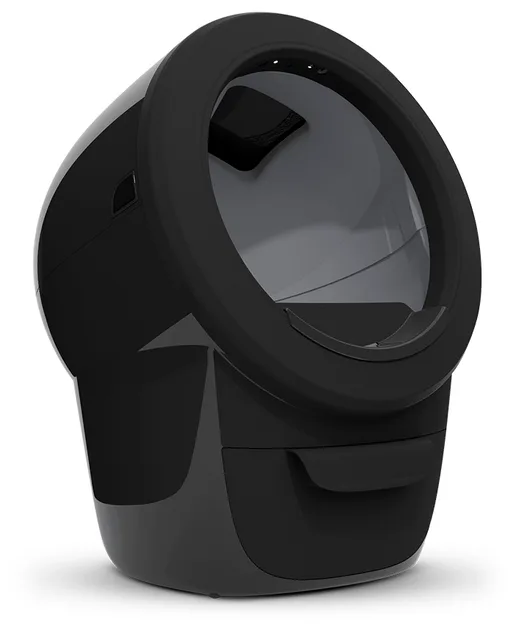
- Design (open-top vs enclosed globe) - enclosed globes contain odor and litter better, but some cats refuse them. Open-top pans read like a familiar tray and suit skittish cats and large breeds, at the cost of more tracking and escaping odor.
- Odor control - driven by a sealed waste drawer and a carbon or photocatalytic filter. A tightly sealed drawer matters more than any fancy deodorizer claim.
- Litter compatibility - most robots need standard clumping clay litter; some demand fine, firm-clumping litter, and a few use proprietary washable granules. This decides both performance and recurring cost.
- Reliability and warranty - the mechanism runs thousands of cycles. Look for a track record of surviving past the first year and a warranty long enough to cover the window when failures typically appear.
- Capacity for your household - waste-bin volume and interior size determine how often you empty it and whether multiple or large cats fit comfortably.
- Noise - cats are startled by loud cycles. Quieter units can sit near living or sleeping space; long, loud cycles can spook a cat away from the box entirely.
The specs, in plain English
Green flags vs red flags
Green flags
- Dual safety systems: both weight and infrared sensors that visibly pause the cycle when a cat is detected
- Works with standard clumping litter you can buy anywhere, with no proprietary consumables
- A sealed waste drawer plus a replaceable carbon filter for real odor containment
- An entry and interior roomy enough for your cat's size and temperament
- A reliability record that extends past the first year, backed by a warranty that covers that window
- A quiet cycle and a clear way to schedule or delay cleanings via app or timer
Red flags
- A rotating globe with weak or single-point sensors and a history of injury reports
- No stated weight threshold, or a threshold above your kitten's weight
- Heavy reliance on proprietary refills, cartridges, or bags that lock in ongoing cost
- Owner reports clustering around clogs, jams, or sensor failures just after the warranty lapses
- A tight entryway that larger cats dislike, or a design your cat is likely to refuse
- Odor and litter-sticking complaints that require near-daily hands-on scraping despite the 'self-cleaning' label
Who's who: the brands
- Whisker (Litter-Robot) - The premium standard-setter, known for refined sensors, per-cat weight tracking, and a mature app on its enclosed globe design.
- Neakasa - A value-focused brand whose open-top design appeals to cats that refuse enclosed boxes and to large breeds, with multiple safety sensors.
- PetSnowy - Known for high-capacity enclosed units with auto-sealing waste bags aimed at touch-free disposal, with some tracking and odor caveats.
- CatGenie - The litter-free outlier, using washable granules and a plumbed flush-and-wash system, appealing in concept but demanding on setup and upkeep.
How to read a listing without getting fooled
When you read a product listing, look past the 'never scoop again' headline and go straight to the safety and reliability details. Confirm the box has both weight and infrared sensors and check the stated minimum weight, especially if you have a kitten. Note the exact litter it requires; 'works with any litter' often really means any standard clumping clay, and some boxes need a fine, firm-clumping type to work at all. Treat proprietary granules, cartridges, or sealing bags as a recurring cost, not a one-time purchase. Read the design carefully: an enclosed globe contains odor best but intimidates some cats, while an open top is easier for a nervous or large cat but tracks more litter. Finally, weigh the warranty against when owners report failures; a one-year warranty is thin if the common failure window is twelve to twenty-four months.
How much should you spend?
Automatic litter boxes span a wide range, and spending more mainly buys better sensors, quieter cycles, more polished apps, and a longer reliability track record rather than a fundamentally different job. The value sweet spot sits with a mid-range box that has proper dual safety sensors, uses standard clumping litter, and comes from a brand with a proven durability record; this covers most single- and small-multi-cat homes well. Paying up for a flagship is worth it if you have multiple cats or a large breed, want accurate per-cat health tracking, and prize the lowest-maintenance, most dependable option. Spending more is not worth it when the extra cost goes toward proprietary consumables or gimmicky deodorizer claims, since those add ongoing expense without improving safety or core cleaning. The cheapest globe-style boxes with weak sensors are a false economy; they are the ones tied to safety complaints and early failures.
Questions, answered
Are automatic litter boxes safe for my cat?
They are, provided you buy one with genuine dual safety sensors. A box with both weight and infrared detection will pause its cycle when a cat steps in or lingers. The real risks come from cheap globe-style units with weak sensors, and from very small kittens who may fall below the weight threshold that triggers the pause. If you have a kitten under roughly three pounds, check the minimum weight before buying.
Will my cat actually use it?
That is the biggest unknown, and it depends on temperament and size more than on features. Confident cats usually adapt to an enclosed globe, while skittish cats and large breeds often do far better with an open-top design that reads like a familiar tray. A gradual introduction, keeping the old box available at first, improves acceptance.
Do these boxes work with any litter?
Most work with standard clumping clay litter, which they sift into a sealed drawer. Some require a fine, firm-clumping litter with small particles to separate properly, and a few systems use proprietary washable granules instead of litter. Always check the litter requirement before buying, because it dictates both performance and ongoing cost.
Does 'self-cleaning' mean I never touch it again?
No. Every automatic box still needs regular upkeep: emptying the sealed waste drawer, wiping sensors that dust and hair can foul, and replacing filters. 'Self-cleaning' means it scoops between uses, not that it maintains itself. Plan for that ongoing effort and favor a reliable, easy-to-service unit.
How much odor control should I expect?
Good, but not magic. Odor control comes mainly from a tightly sealed waste drawer and a carbon filter; enclosed globes contain smell better than open-top pans. Photocatalytic or TiO2 deodorizers can help at the margins but are inconsistent. In multi-cat homes, drawer capacity and how often you empty it matter as much as any deodorizing feature.
Or jump to the head-to-head: Whisker Litter-Robot 4 vs Neakasa M1 (Open-Top).