

Pet Supplies
Best Self-Cleaning Litter Boxes (2026): What We'd Actually Put in Our Homes
We compared four automatic litter boxes on safety, odor control, and long-term reliability. One earns our top pick, one is a value steal, and one we'd skip.
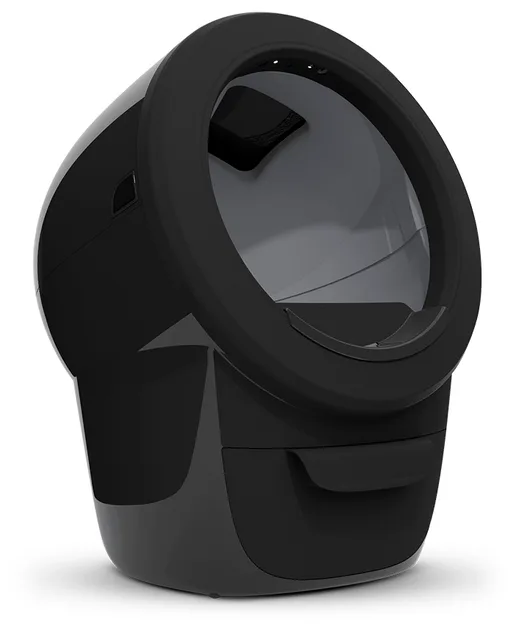
The short version
The Litter-Robot 4 is our pick: its OmniSense laser and weight sensors track fill levels and each cat's weight accurately, and its QuietSift cycle is designed to run near living space. The Neakasa M1 (Open-Top) wins for cats that refuse an enclosed globe or large breeds that need room, and it costs less. The PetSnowy Snow+ suits owners who prize its auto-sealing waste bag, with caveats around tracking and odor. Skip the CatGenie A.I.: fiddly plumbing and a mixed reliability record undercut its litter-free promise. Best for multi-cat homes wanting hands-off cleaning plus health tracking.
Our picks at a glance
- Whisker Litter-Robot 4 - Buy. The most refined self-cleaning box on the market, and priced like it.
- Neakasa M1 (Open-Top) - Buy. The value pick, and the easiest sell to a nervous cat thanks to the open top.
- PetSnowy Snow+ - It depends. Huge capacity and clever waste-packing, but odor and litter-sticking reports keep it from a clear buy.
- CatGenie A.I. - Skip. The flush-and-wash concept is appealing, but reliability and upkeep make it hard to recommend.
The verdict in 30 seconds
What mattered most
- Price tier
- Litter type
- Design
- Odor control
- Safety sensors
- Reliability / warranty
Automatic litter boxes are life-changing when they work, and a real hazard when they don't. After the rash of injury reports tied to cheap rotating-globe boxes with weak sensors, we only considered units with proven weight and infrared safety systems that pause mid-cycle. We leaned on independent testing and long-term owner reports to weigh odor control, reliability, and whether cats actually accept the thing. Three are worth your money for different homes; one we'd pass on.
The most refined self-cleaning box on the market, and priced like it.
Best for: Multi-cat or large-cat homes that want the most reliable, lowest-maintenance option and will pay for it
- Best-in-class odor control via sealed drawer and carbon filter
- Weight and laser (OmniSense) sensors plus a roomy 15.75-inch square entry
- Mature app with useful per-cat weight and usage tracking
- Works with standard clumping litter (no proprietary refills)
- Expensive, and the base warranty is only a year unless you extend it
- A meaningful minority of owners hit sensor or Wi-Fi glitches in the 12-24 month window
- Large footprint that dominates a small bathroom
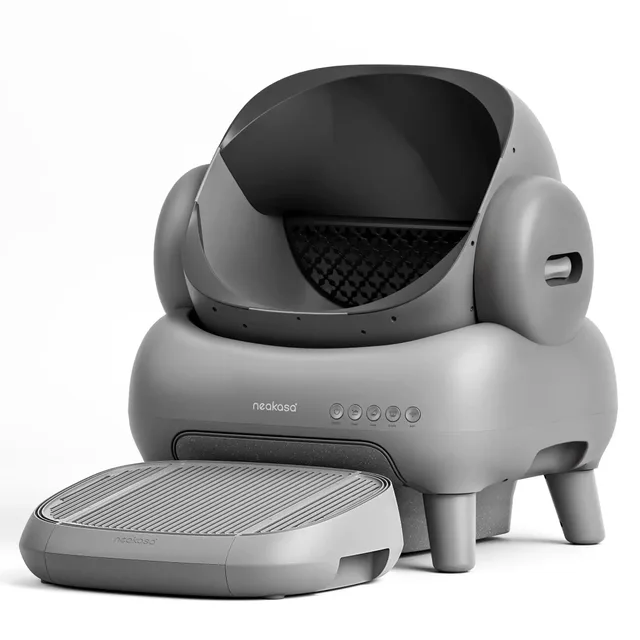
The value pick, and the easiest sell to a nervous cat thanks to the open top.
Best for: Budget-conscious owners, or cats that refuse an enclosed globe-style box
- Open-top design never fully closes, so no globe to trap a cat
- Five infrared and four weight sensors pause cleaning instantly
- Roomy enough for Maine Coons and other large breeds
- Waste bin rated by Neakasa for up to 14 days per cat, and it takes fast-clumping clay litter
- Neakasa's store now sells this design as the M1 Plus (plus a cheaper M1 Lite Plus), so check which version a listing is
- Open design offers no privacy and lets a bit more odor escape between cycles
- Fussy about litter: needs fine, firm-clumping litter (small particle size)
- More litter tracking than a domed box
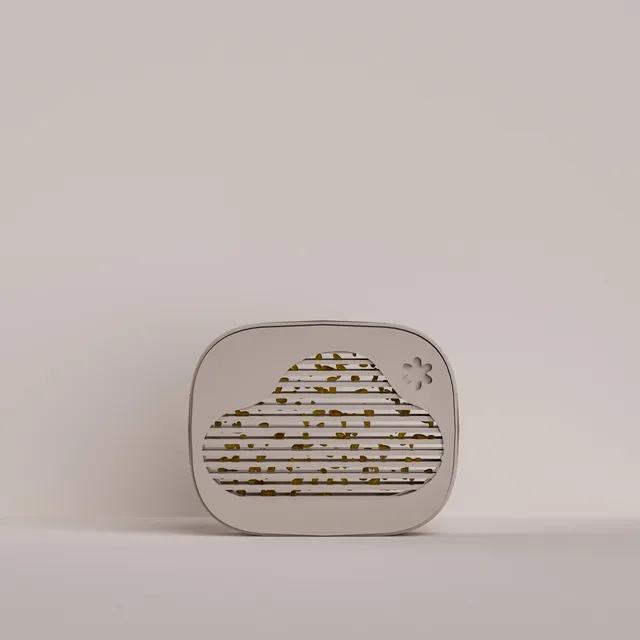
Huge capacity and clever waste-packing, but odor and litter-sticking reports keep it from a clear buy.
Best for: Multi-cat homes prioritizing capacity and quiet who don't mind occasional hands-on upkeep
- Rated by PetSnowy for up to four indoor cats, with a 10L auto-sealing waste bin
- Auto-sealing waste bags make emptying touch-free
- Tool-free magnetic modular design makes deep cleaning easy
- Recurring owner complaints of litter sticking to the walls and needing daily scraping
- Odor containment is inconsistent despite the TiO2 deodorizer
- Tighter entryway that some larger cats dislike
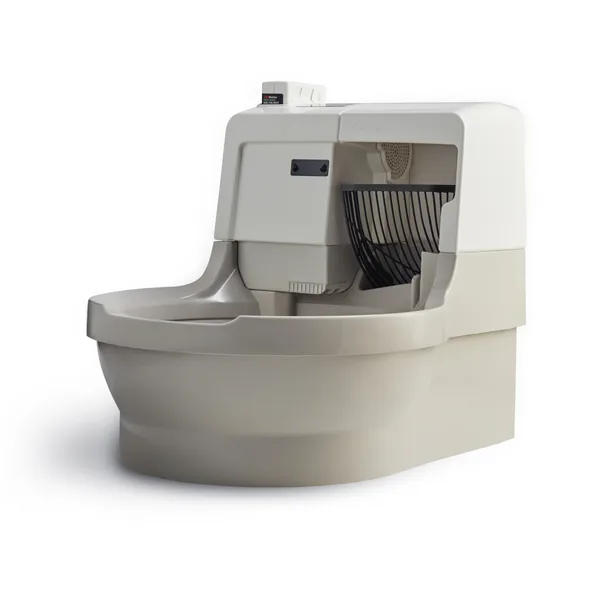
The flush-and-wash concept is appealing, but reliability and upkeep make it hard to recommend.
Best for: Handy owners with a nearby water hookup who want a zero-litter system and will tolerate maintenance
- Washable granules mean no litter to buy or scoop, ever
- Flushes and dry-cleans waste automatically with no drawer to empty
- Some long-term owners love it
- Requires a cold-water and drain hookup plus a power outlet where you want it
- Frequent reports of macerator clogs, hair jams, and error codes, often just after warranty
- Long, loud wash-and-dry cycle that can spread odor and spook cats
- Ongoing cost of SaniSolution cartridges on top of the purchase price
| Criteria | Litter-Robot 4 Top pick | Neakasa M1 (Open-Top) | PetSnowy Snow+ | CatGenie A.I. |
|---|---|---|---|---|
| Verdict | Buy it | Buy it | It depends | Skip it |
| Best for | Multi-cat or large-cat homes that want the most reliable, lowest-maintenance option and will pay for it | Budget-conscious owners, or cats that refuse an enclosed globe-style box | Multi-cat homes prioritizing capacity and quiet who don't mind occasional hands-on upkeep | Handy owners with a nearby water hookup who want a zero-litter system and will tolerate maintenance |
| Price tier | $$$$ · flagship | $$ · mid-range | $$$ · premium | $$$ · premium |
| Price tier | $$$$ · flagship | $$ · mid-range | $$$ · premium | $$$ · premium + refills |
| Litter type | Standard clumping | Fine clumping (specific) | Standard clumping | Proprietary washable granules |
| Design | Enclosed rotating globe | Open-top rotating | Enclosed drum | Plumbed flush + wash |
| Odor control | Excellent | Good (open, escapes some) | Inconsistent | Fair (cycle can reheat waste) |
| Safety sensors | Weight + laser (OmniSense) | 5 infrared + 4 weight | Weight + infrared | Open pan, never closes |
| Reliability / warranty | Strong, 1-yr base | Solid for the price; warranty not stated on product page | Mixed reports | Mixed owner reports, 18-month warranty |
Which one is right for you?
- Multi-cat or large-cat homes that want the most reliable, lowest-maintenance option and will pay for it Buy it Whisker Litter-Robot 4
- Budget-conscious owners, or cats that refuse an enclosed globe-style box Buy it Neakasa M1 (Open-Top)
- Multi-cat homes prioritizing capacity and quiet who don't mind occasional hands-on upkeep It depends PetSnowy Snow+
- Handy owners with a nearby water hookup who want a zero-litter system and will tolerate maintenance Skip it CatGenie A.I.
How we judged the field
We focused on what keeps an automatic litter box in service past the first month: reliable cat detection and safety, accurate fill and waste tracking, odor and tracking control, noise, and, critically, long-term mechanical reliability. The marketing noise here is ‘never scoop again,’ a promise every unit makes and none fully keeps, since drawers still fill and sensors still need cleaning. We do not test in a lab; we synthesize independent reviews and owner reports across many households, weighting durability and safety over feature lists. Our pick is the Litter-Robot 4 for its sensor accuracy and health tracking, with the Neakasa M1 (Open-Top) as the runner-up for cats that prefer an open pan or households watching the cost.
Litter-Robot 4
Buy itThe Litter-Robot 4 rotates a globe that sifts clumps into a sealed drawer below. Its OmniSense system pairs laser and weight sensors to report real-time litter and drawer levels, while SmartScale weighs each cat and stores individual Pet Profiles, and the Whisker app logs usage and weight trends (seven days of history free, longer with a Whisker+ plan). Whisker does not publish a decibel figure, but its QuietSift cycle is designed to run near living space. The unit needs 2.4GHz WiFi and is rated for cats of 3 pounds and up in automatic mode.
What owners liked more: the sensor accuracy and health data. Per-cat weight logging can flag early changes like increased bathroom trips, and the drawer-fill reporting is useful in multi-cat homes. It is markedly quieter than the previous generation.
What they liked less: those same laser ‘curtain’ sensors can be fouled by dust and hair, triggering false cat detections that pause a cycle and require a wipe-down, and some owners on mesh WiFi report the unit dropping its connection and needing re-pairing. Filters also need fairly frequent replacement.
Right buyer: a multi-cat household that wants hands-off cleaning plus weight and health tracking. Wrong buyer: someone with very young kittens under three pounds, which the weight sensor may not register.
Neakasa M1 (Open-Top)
Buy itThe M1 takes a different shape: an open-top pan rather than an enclosed globe, which mimics a traditional litter tray and avoids the claustrophobia that stops some cats using a domed unit. It sifts clumps through a separation cycle into a large sealed drawer, uses five infrared and four weight sensors for cat detection, is rated for cats from 2.2 to 33 pounds, and schedules cleanings through its app. Neakasa now sells this design as the M1 Plus, alongside a cheaper M1 Lite Plus, so check which version a listing refers to.
What owners liked more: the open top suits cats that balk at enclosed boxes and gives large breeds like Maine Coons room to turn around, with nothing overhead to restrict them. Reviewers also note it delivers comparable core cleaning to pricier rivals for less money.
What they liked less: an open design contains less than a sealed one, so litter tracking and scatter tend to be worse and odor escapes more readily than from an enclosed globe. As a newer product from a younger brand, its long-term reliability record is thinner than the Litter-Robot’s.
Right buyer: homes with skittish cats, large breeds, or a tighter budget. Wrong buyer: anyone whose priority is maximum odor and litter containment.
PetSnowy Snow+
It dependsThe Snow+ is an enclosed unit built around disposal convenience. Its headline feature is an auto-sealing waste bag that closes each deposit for touch-free, lower-odor removal, backed by a TiO2 photocatalytic odor system (PetSnowy claims a 90.5 percent ammonia removal rate), a 10-liter sealed bin and a curved anti-tracking walkway and mat; for a single cat PetSnowy says the drawer goes up to 14 days between changes, and it rates the unit for up to four indoor cats and kittens from 3.3 pounds.
What owners liked more: the auto-seal bag is a real quality-of-life gain, making emptying low-mess, and the enclosed body with ramp cuts a lot of litter tracking when the mat is used.
What they liked less: reports are inconsistent. Some owners find litter sticks to the interior walls and needs near-daily scraping, the drawer sometimes reads ‘full’ when it is not, and odor is not always fully contained despite the deodorizer. The sealing bags are a recurring consumable.
It depends: a strong choice if touch-free disposal is your top priority and you accept the consumable bags and occasional upkeep; less compelling if the reliability quirks would frustrate you or you want a sensor and app as polished as the Litter-Robot’s.
CatGenie A.I.
Skip itThe CatGenie is the most ambitious idea here and deserves a fair hearing: instead of litter it uses reusable washable granules, then washes and dries them in place with water and a liquid SaniSolution, flushing waste away through a drain connection. Done right, it eliminates both scooping and litter entirely.
The catch is everything around that promise. Setup requires plumbing it into a cold-water line and a drain, a toilet, laundry, or sink hookup, which is far more involved than plugging in a litter robot, and relocating it is not trivial. It runs on proprietary SaniSolution cartridges you must keep buying, CatGenie backs it with an 18-month warranty (extendable to three years), and its reliability record is mixed: owners across generations report clogs, cat hair wrapping the impeller, the water sensor clouding over and halting the system, noise, and mechanical failures that often appear after the warranty lapses.
What to like: a litter-free, scoop-free concept unlike anything else. What sinks it: install friction, ongoing proprietary cost, and reliability you cannot count on.
Right buyer: a committed owner set on eliminating litter who can handle upkeep. Wrong buyer: almost everyone wanting a reliable, low-fuss box.
Sources
Specs in this review come from these pages.
- Whisker - Litter-Robot 4 product page (OmniSense laser and weight sensors, 3 lb minimum, 15.75 in entry, 1-year warranty, 2.4GHz WiFi) (litter-robot.com)
- Neakasa - M1 Plus Open Top Self-Cleaning Cat Litter Box (5 infrared + 4 weight sensors, 2.2 to 33 lb, 14 days per cat, litter particle size) (neakasa.com)
- PetSnowy - SNOW+ Self-Cleaning Litter Box (TiO2 system, 10L auto-sealing bin, up to 4 cats, 3.3 lb minimum) (petsnowy.com)
- CatGenie - CatGenie Units (A.I. model contents, 18-month warranty, SaniSolution, Washable Granules) (catgenie.com)
- CatGenie - Installation (cold-water T-adapter, toilet or laundry drain, outlet) (catgenie.com)
Litter-Robot 4 vs Neakasa M1: which should you buy?
The choice is really about your cat, not the spec sheet. The Litter-Robot 4 is the more refined machine, better sensors, per-cat weight and health tracking, quieter cycling, and a mature app, and it is the stronger pick for multi-cat homes that want data and hands-off reliability. But its enclosed globe intimidates some cats, and skittish or very large animals may simply refuse it.
That is exactly where the Neakasa M1 wins. Its open top reads as a familiar tray, so cats that boycott a domed unit will usually use it, and big breeds get room to move. It also costs less. The compromise is containment: an open design tracks more litter and holds odor less well, and the brand’s reliability history is shorter. Buy the Litter-Robot 4 for the best all-round system; buy the Neakasa M1 when cat comfort, size, or budget outweighs maximum containment.
What to look for
Start with your cat’s temperament and size, because a box the cat won’t use is worthless however clever it is. Nervous cats and large breeds generally prefer an open-top design like the Neakasa M1, while confident cats adapt fine to an enclosed globe. Check weight thresholds too: the Litter-Robot 4’s sensor may not register kittens under about three pounds, a genuine safety consideration in a cleaning cycle.
Next, count your cats. Multi-cat homes benefit most from per-cat tracking and larger sealed drawers, and they expose odor and capacity limits fastest. Then weigh consumables and lock-in: clumping-litter robots let you buy any clay litter, whereas systems like the CatGenie tie you to proprietary granules and solution, and units like the Snow+ to their sealing bags.
Finally, plan for maintenance realistically. Every one of these still needs sensor wiping, filter changes, or drawer emptying, and ‘self-cleaning’ never means ‘no-cleaning.’ Favor units with a proven reliability record and straightforward setup over the most feature-dense listing.
Our final take
For most households, the Litter-Robot 4 is the box to buy: accurate sensors, per-cat weight and health tracking, and quiet cycling make it the most complete hands-off system, provided your cat accepts an enclosed globe. If yours won’t, or you have a large breed or a tighter budget, the Neakasa M1 (Open-Top) is the sensible runner-up. Consider the PetSnowy Snow+ only if its auto-sealing disposal outweighs its tracking and odor quirks, and skip the CatGenie A.I. unless you are set on going litter-free and can live with its plumbing and reliability demands.
Questions, answered
Do robot litter boxes work with any litter?
Mostly clumping clay litter for the Litter-Robot 4 and Neakasa M1, which sift clumps into a drawer. The CatGenie is different: it uses proprietary washable granules and liquid SaniSolution rather than litter, so you are locked into its consumables. Check litter type before buying, since it dictates ongoing cost.
Are these safe for my cat?
Generally yes, with caveats. The Litter-Robot 4 uses weight and laser sensors to detect a cat and pause, but kittens under about three pounds may not trigger it. Skittish cats or large breeds often do better with the Neakasa M1's open top, which avoids the enclosed globe entirely.
Litter-Robot 4 or Neakasa M1?
Choose the Litter-Robot 4 for accurate per-cat weight tracking, quieter cycling, and a mature app. Choose the Neakasa M1 if your cat dislikes enclosed boxes, you have a large breed, or you want to spend less. The main open-top trade-off is more litter tracking and weaker odor containment.
Is the CatGenie worth the plumbing?
Only if you want to eliminate litter and can commit to upkeep. It hooks to a cold-water line and drain, uses ongoing SaniSolution cartridges, and has a documented history of clogs and mechanical failures. For most homes, a clumping-litter robot is simpler and more reliable.
Deciding between the top two? See our head-to-head: Whisker Litter-Robot 4 vs Neakasa M1 (Open-Top).
More Pet Supplies reviews
 The Best Slow-Feeder Dog Bowls: 4 Compared (and One to Skip)
  The Best Small Animal Cages: 4 Compared (and One to Skip)
  The Best Squirrel-Proof Bird Feeders: 4 Compared (and One to Skip)
  The Best Wireless & GPS Dog Fences: 4 Compared (and One to Skip)
  The Best Cat Litter Boxes: 4 Compared (and One to Skip)
  The Best Dog Ramps and Stairs: 4 Compared (and One to Skip)