Explained
Red Light Therapy Devices, Explained
After reading this you'll know what the numbers on a red light therapy listing actually mean and which ones separate a real device from a pretty gadget.
In this guide
At-home red light therapy has split into two very different products sold under one name: flexible LED masks for the face and big standing panels for the whole body. The category is crowded with spec-sheet jargon (wavelengths, irradiance, near-infrared) and a lot of marketing that piles on rainbow colors with thin evidence behind them. This guide decodes the terms so you can tell what you're actually paying for.
The 30-second version
- Wavelength is the whole game. Red light around 630 to 660nm and near-infrared around 810 to 850nm are the most-studied bands, so those are the numbers that matter most on any listing.
- Match the format to your goal. A contouring face mask and a whole-body standing panel solve different problems, so decide whether you care about facial skin or full-body wellness before you compare devices.
- Verifiable output beats a long color list. A device that publishes or has been independently measured for irradiance is worth more than one advertising green, purple, and cyan modes you'll never benefit from.
- Clearances and a research base add real confidence. Regulatory clearance and published research behind the underlying technology are stronger signals than any marketing claim.
- The device you'll actually use wins. Short sessions, comfortable fit, and easy operation matter more than a spec-sheet champion that ends up in a drawer.
The products this guide is about
Our verdict on each, with the full reasoning on the companion review.
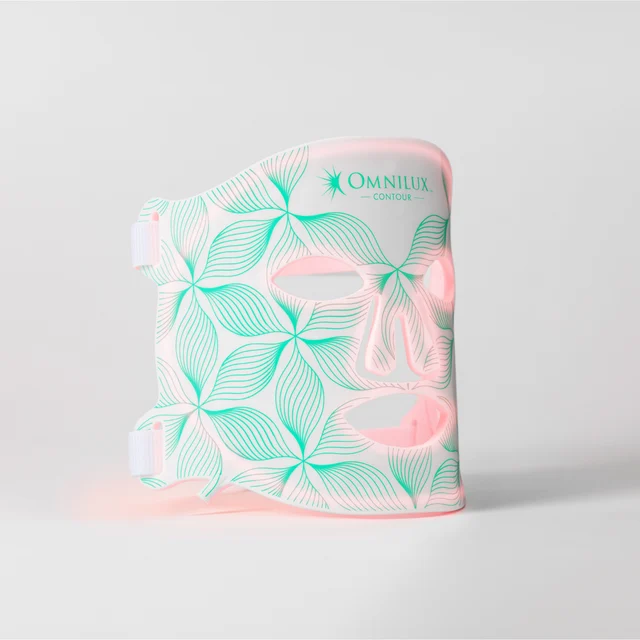
- Buy Omnilux Contour Face A FDA-cleared flexible mask with a deep research base, and easy to stick with. Amazon
- Buy Hooga HG1500 Red Light Therapy Panel The best-value full-body panel: high measured output, honest specs, no subscription nonsense. Amazon
- It depends PlatinumLED BioMax 900 A superb flagship panel with seven wavelengths, but most people are paying for range they won't use.
- Skip Project E Beauty Lumamask Pro A budget LED mask that offers red, blue and near-infrared modes, but is hard to verify against the clinical masks.
What actually matters
- Wavelengths decide what the light can plausibly do. Red (around 630 to 660nm) and near-infrared (around 810 to 850nm) have the most research behind them; extra rainbow colors have far less support for skin.
- Irradiance (real-world output) is how much light energy actually reaches you. A device can list the right wavelengths and still deliver a weak, meaningless dose if the intensity is low or unstated.
- Coverage and format determine what you can treat. Masks contour to the face for hands-free sessions; standing panels flood the whole torso at once. One isn't better than the other, they're for different goals.
- Evidence and clearances separate proven devices from hopeful ones. Look for regulatory clearance and a genuine research base rather than vague 'clinically proven' language.
- Comfort and session length drive follow-through. Ten easy minutes you'll repeat several times a week beats a fussy setup you abandon after a month.
- Build and sensible extras protect the investment. Sturdy housing, cooling for panels, included goggles, a hanging kit, or a good warranty add real value; gimmick modes don't.
The specs, in plain English
Green flags vs red flags
Green flags
- Publishes irradiance figures, or has been independently measured, at a stated distance
- Concentrates on well-studied red (630 to 660nm) and near-infrared (810 to 850nm) wavelengths
- Has regulatory clearance for a specific use and a real research base behind the technology
- Short, realistic session times and a comfortable, well-built form factor
- Sensible included extras like goggles, a hanging kit, or a solid warranty
Red flags
- Irradiance and per-wavelength output are never clearly stated
- Leans heavily on many rainbow color modes with little supporting evidence
- Vague 'clinically proven' claims with no clearance or research to back them
- Quotes only a flattering up-close output number with no distance given
- Flagship pricing for extra wavelength bands most home users won't benefit from
Who's who: the brands
- Omnilux - Known for clinically validated flexible face masks with a deep research base behind the platform.
- Hooga - Value-focused full-body panels with honest specs and high measured near-field output.
- PlatinumLED - Premium multi-wavelength panels with strong build quality and long warranties, at flagship prices.
- Project E Beauty - Budget multi-color LED masks that are cheap and simple but light on published output data.
How to read a listing without getting fooled
Start with the wavelengths and treat everything else as secondary. If the two headline numbers land near red (630 to 660nm) and near-infrared (810 to 850nm), the device is at least aimed at the right targets; a long list of extra colors is usually there to pad the marketing, not the results. Next, hunt for an irradiance figure and the distance it was measured at. If it's missing, that's the single biggest red flag, because you can't verify the light is strong enough to matter. Then read any clearance language literally: 'FDA-cleared for fine lines and wrinkles' is a real, specific claim, while 'FDA-registered' just means the maker filed to sell it. Finally, sanity-check the format against your actual goal and how often you'll realistically use it. A verifiable, comfortable device you'll run several times a week beats a spec-sheet monster you abandon.
How much should you spend?
Spend enough to get verifiable output and the right format, and no more. The clearest value sits in the middle: a well-built device that sticks to the two well-studied wavelengths, publishes or has been independently measured for a meaningful irradiance, and comes from a maker willing to state its numbers. Budget picks often cut exactly the things that matter, leaving out output data and leaning on unproven color modes, so the savings can buy you a gadget rather than a device. At the top end, flagship panels add extra wavelength bands and premium accessories that most home users won't benefit from, so paying up only makes sense if you genuinely want that spectrum and will use it. For nearly everyone, the sweet spot is a proven mask for the face or a high-output two-wavelength panel for the body, not the cheapest option and not the most expensive.
Questions, answered
Is this medical advice, and will a device fix my skin or pain?
No. This is general product information, not medical advice, and results vary and are not guaranteed. Red light therapy devices in this guide are consumer wellness products, not medical treatments, and nothing here is a promise to treat, cure, or prevent any condition. If you have a medical condition, are pregnant, or take light-sensitizing medication, consult a qualified professional before use.
Should I buy a mask or a panel?
It depends on your goal. A flexible mask targets the face with even, hands-free contact and short sessions, so it suits people focused on facial skin. A standing panel covers the whole torso at once and is marketed for general wellness and recovery. If you want both, people often run a mask for the face and a panel for the body.
Which wavelengths should I look for?
The most-studied wavelengths sit around 630 to 660nm (red) and 810 to 850nm (near-infrared), which is why the strongest picks concentrate on those. Be skeptical of devices advertising many rainbow colors; extra green, purple, and cyan modes have far less supporting evidence than red and near-infrared.
Why does irradiance matter so much?
Irradiance is how much light energy actually reaches you, and it determines whether you're getting a meaningful dose. A device can list all the right wavelengths and still be too weak to matter. If a listing never states irradiance and the distance it was measured at, treat that as a major warning sign.
How long until I might notice anything?
Owner reports and independent testing generally point to consistent use over roughly four to eight weeks, using short sessions several times per week, before people report noticing changes. This is not guaranteed, and consistency matters more than any single spec, which is why comfortable, easy-to-use devices tend to win in practice.
Are these devices safe, and do I need eye protection?
Red and near-infrared LED devices are generally considered low-risk for home use, but the bright light can be uncomfortable, so many people close their eyes or use goggles, and near-infrared should not be stared into directly. Follow the manufacturer's session-time guidance rather than overdoing it, and check with a professional first if you have any concerns.
Or jump to the head-to-head: Omnilux Contour Face vs Hooga HG1500 Red Light Therapy Panel.