

Health & Wellness
The Best At-Home Red Light Therapy Devices: 4 Compared (and One to Skip)
We compared two flexible LED face masks and two full-body panels on wavelengths, real-world output, clearances, comfort, and value.
The short version
At-home red light therapy comes down to what you want to treat. For the face, the Omnilux Contour Face is our top pick: FDA-cleared, well researched, and comfortable enough to use every day. For the whole body, the Hooga HG1500 panel offers a strong mix of listed output and coverage per dollar. The PlatinumLED BioMax 900 is a seven-wavelength panel, but most home users are paying flagship money for range they won't use, so buy it only if you truly want the spectrum. Skip the Project E Beauty Lumamask Pro: it is inexpensive, but we could not find published output figures, and it has far less published research behind it than the Omnilux. Best for: buyers who want proven, verifiable devices and are willing to match the format to their actual goal.
Our picks at a glance
- Omnilux Contour Face - Buy. A FDA-cleared flexible mask with a deep research base, and easy to stick with.
- Hooga HG1500 Red Light Therapy Panel - Buy. The best-value full-body panel: high measured output, honest specs, no subscription nonsense.
- PlatinumLED BioMax 900 - It depends. A superb flagship panel with seven wavelengths, but most people are paying for range they won't use.
- Project E Beauty Lumamask Pro - Skip. A budget LED mask that offers red, blue and near-infrared modes, but is hard to verify against the clinical masks.
The verdict in 30 seconds
What mattered most
- Device type
- Wavelengths
- Coverage
- Regulatory / evidence
- Real-world output
- Session length
At-home red light therapy has split into two camps: flexible LED masks for the face and big standing panels for the whole body. We synthesized independent testing and aggregated owner reports to sort the genuinely useful devices from the ones coasting on marketing. Two earn a clear buy, one is a strong-but-pricey it-depends, and one popular budget pick is an honest skip. These are consumer wellness devices, not medical treatments, so we frame every claim the way the evidence supports it.
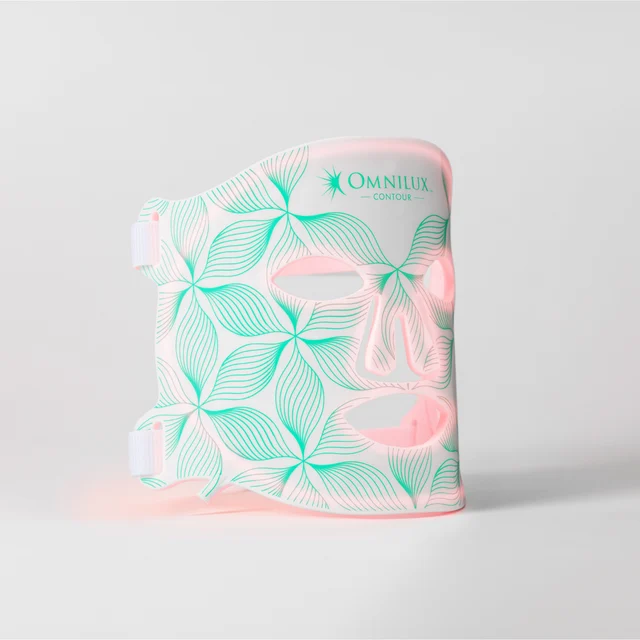
A FDA-cleared flexible mask with a deep research base, and easy to stick with.
Best for: Anyone who wants a proven, low-effort facial device and values regulatory clearance over extra features.
- FDA-cleared for fine lines and wrinkles, with a large body of published research behind the underlying technology
- Soft, flexible silicone that contours to the face for even light contact
- Simple two-wavelength design (red 633nm + near-infrared 830nm) with no gimmick colors
- The 10-minute sessions make daily use realistic
- Battery controller and cable feel less premium than the price suggests
- Face-only coverage; no neck or body option in the base kit
Own the Omnilux Contour Face? Tell us how it held up.
Thanks. Counted, and shown once enough owners have weighed in.
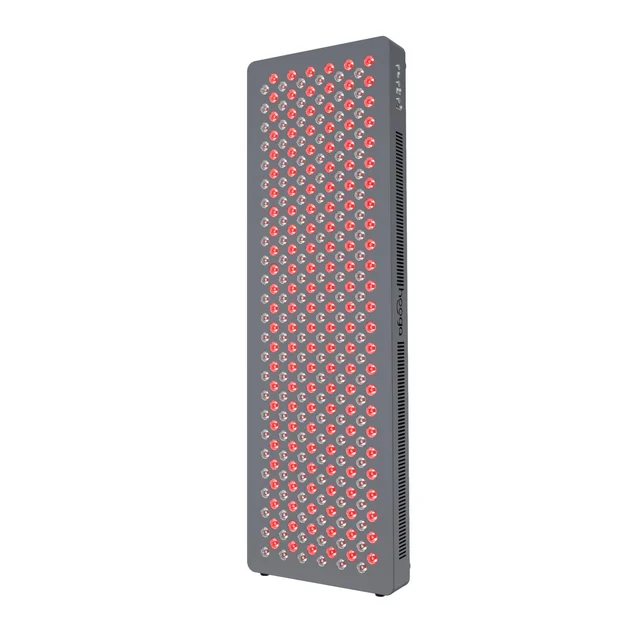
The best-value full-body panel: high measured output, honest specs, no subscription nonsense.
Best for: People focused on whole-body recovery and daily wellness who want maximum coverage per dollar.
- High irradiance (the maker lists 115 mW/cm² at 6 inches) for short standing sessions
- Red 660nm and near-infrared 850nm, two of the most-studied wavelengths, with separate red and near-infrared switches
- Includes a door mount and a hanging kit with adjustable pulley
- Priced below the flagship panels with comparable coverage, and backed by a 3-year warranty and 60-day returns
- Only two wavelengths, so no blue or deeper near-infrared bands
- Fans are audible, and the panel is large and heavy to mount
Own the Hooga HG1500 Red Light Therapy Panel? Tell us how it held up.
Thanks. Counted, and shown once enough owners have weighed in.
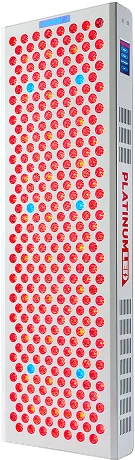
A superb flagship panel with seven wavelengths, but most people are paying for range they won't use.
Best for: Enthusiasts and clinics who genuinely want multi-wavelength flexibility and will use it.
- Runs seven wavelengths at once (480 to 1060nm), the widest spectrum in this group
- High combined output, with a 3-year warranty and 60-day trial from the maker
- Listed by the maker as an FDA Class II medical device, with strong owner-reported reliability
- Flagship pricing well above two-wavelength panels
- Extra wavelengths add cost without clearly demonstrated better results for most home users
- Large footprint and premium accessories push the total spend even higher
Own the PlatinumLED BioMax 900? Tell us how it held up.
Thanks. Counted, and shown once enough owners have weighed in.
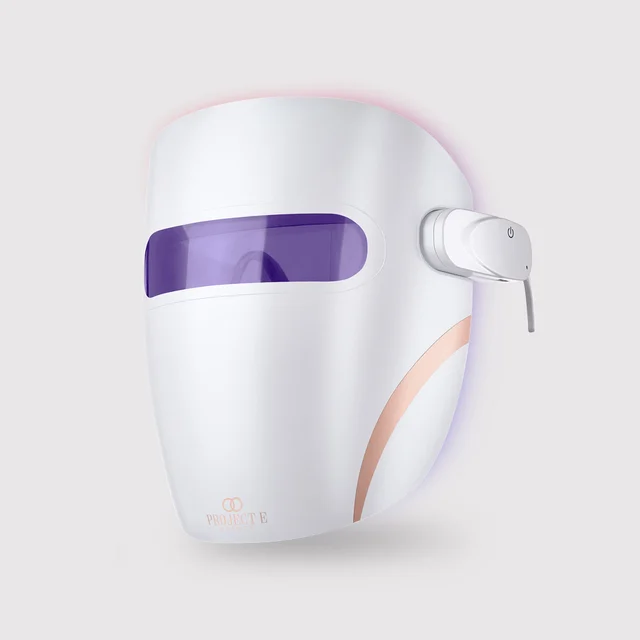
A budget LED mask that offers red, blue and near-infrared modes, but is hard to verify against the clinical masks.
Best for: Curiosity buyers who want the LED-mask experience cheaply and aren't chasing measurable results.
- Inexpensive entry point into LED masks
- Lightweight and simple to operate
- Blue light mode is aimed at acne, which is a different job than the red and near-infrared anti-aging mode
- Wavelength ranges are listed, but we could not find irradiance published, so the dose is hard to verify
- The maker describes it as FDA-cleared, but it lacks the published clinical research behind the Omnilux platform
- Owner reports skew toward 'feels like a gadget' rather than visible change
Own the Project E Beauty Lumamask Pro? Tell us how it held up.
Thanks. Counted, and shown once enough owners have weighed in.
| Criteria | Omnilux Contour Face Top pick Buy it Buy | Hooga HG1500 Red Light Therapy Panel Buy it Buy | PlatinumLED BioMax 900 It depends Buy | Project E Beauty Lumamask Pro Skip it Buy |
|---|---|---|---|---|
| Best for | Anyone who wants a proven, low-effort facial device and values regulatory clearance over extra features. | People focused on whole-body recovery and daily wellness who want maximum coverage per dollar. | Enthusiasts and clinics who genuinely want multi-wavelength flexibility and will use it. | Curiosity buyers who want the LED-mask experience cheaply and aren't chasing measurable results. |
| Price tier | $$$ · premium | $$$ · premium | $$$$ · flagship | $ · budget |
| Device type | Flexible face mask | Full-body standing panel | Full-body standing panel | Flexible face mask |
| Wavelengths | Red 633nm + near-IR 830nm | Red 660nm + near-IR 850nm - 7 bands, 480 to 1060nm - "Red 635 to 644nm, blue, near-IR 845 to 855nm" | - | - |
| Coverage | Face | Whole body (standing) | Whole body (standing) | Face |
| Regulatory / evidence | FDA-cleared, large research base - Not stated on maker page | Listed as FDA Class II device - Maker states FDA-cleared; less published research | - | - |
| Real-world output | Moderate, even contact - High (115 mW/cm² at 6 in per maker) - High, multi-band - Irradiance not found | - | - | - |
| Session length | About 10 min - Varies by distance | Varies by distance | 12 min auto shut-off | - |
| Price tier | $$$ · premium | $$$ · premium | $$$$ · flagship | $ · budget |
Which one is right for you?
- Anyone who wants a proven, low-effort facial device and values regulatory clearance over extra features. Buy it Omnilux Contour Face
- People focused on whole-body recovery and daily wellness who want maximum coverage per dollar. Buy it Hooga HG1500 Red Light Therapy Panel
- Enthusiasts and clinics who genuinely want multi-wavelength flexibility and will use it. It depends PlatinumLED BioMax 900
- Curiosity buyers who want the LED-mask experience cheaply and aren't chasing measurable results. Skip it Project E Beauty Lumamask Pro
How we judged the field
We don’t run our own lab. Instead we synthesize independent bench testing, expert hands-on reviews, and aggregated owner reports, then weight the factors that actually predict satisfaction. Four things mattered most. Wavelengths and output: whether a device delivers meaningful red (around 630 to 660nm) and near-infrared (around 810 to 850nm) light at a verifiable intensity, rather than a long list of colors with thin evidence. Coverage and format: a mask that contours to the face versus a panel that treats the whole body serve very different goals. Evidence and clearances: we favor devices with regulatory clearance and a real research base behind the underlying technology. Comfort and follow-through: the best device is the one you’ll actually use several times a week, so fit, session length, and ease of use carry real weight. Throughout, we treat these as consumer wellness products and describe benefits the way the evidence supports them, not as medical treatments.
Omnilux Contour Face
Buy itThe Contour Face is the device we’d hand to most people who want facial red light therapy. It is FDA-cleared for fine lines and wrinkles, and the Omnilux platform has an unusually deep research base behind it. Just as important for real life, the flexible silicone drapes onto the face so the LEDs sit close to the skin, and a session is only about ten minutes. It skips extra colors and sticks to red 633nm and near-infrared 830nm, and the maker lists an output of about 30 mW/cm². The controller and cable feel a little utilitarian for the money, and coverage is face-only, but as a proven, low-friction daily device it’s hard to beat.
Hooga HG1500 Red Light Therapy Panel
Buy itIf your interest is whole-body recovery and general wellness rather than facial skin, the HG1500 is the value standout. The maker lists an irradiance of 115 mW/cm² at 6 inches, so standing sessions can stay short. It uses red 660nm and near-infrared 850nm with separate switches for each, and ships with a door mount and a hanging kit. The trade-offs: only two wavelengths and a large panel you’ll need to mount. For most home users chasing coverage per dollar, that’s a very fair deal.
PlatinumLED BioMax 900
It dependsThis is the most feature-rich panel here. It runs seven wavelengths (480, 630, 660, 810, 830, 850 and 1060nm), comes with a 3-year warranty and 60-day trial, and owners report strong reliability. The catch is value. It carries flagship pricing, and for typical home use the extra bands add cost without a clear demonstrated payoff. If you specifically want multi-wavelength flexibility and will genuinely use it, it’s a superb buy; if you just want effective whole-body red and near-infrared light, you’re paying for range you won’t miss on the Hooga.
Project E Beauty Lumamask Pro
Skip itThe Lumamask Pro is inexpensive, light, and simple with a 12-minute auto shut-off. It offers a red plus near-infrared mode and a blue plus red mode for acne, and the maker lists wavelength ranges (red 635 to 644nm, near-infrared 845 to 855nm), but we could not find irradiance published, so there’s no way to verify the dose. The maker calls it FDA-cleared, but it lacks the published clinical research behind the Omnilux platform. Owner reports tend to describe it as a fun gadget rather than a device that produced visible change. At this price it’s a low-stakes curiosity, but it isn’t the mask to buy if you actually want to see something.
Sources
Specs in this review come from these pages.
Omnilux Contour Face vs Hooga HG1500: which should you buy?
These two are our winners, but they barely compete because they solve different problems. The Omnilux Contour Face is about the face: it’s clinically cleared, contours to your skin, and asks for ten easy minutes a day, making it the pick if your interest is fine lines, tone, and daily skin maintenance. The Hooga HG1500 is about the body: it covers your whole body with high-output red and near-infrared light for recovery and general wellness in short standing sessions. Choose the Omnilux if facial skin is the goal and you value regulatory clearance; choose the Hooga if you want wide coverage and high listed output for your money. Buyers who want both simply run a mask for the face and a panel for the body.
What to look for
- Verifiable output. Favor devices that publish or have been independently measured for irradiance; unstated numbers are a red flag.
- The right wavelengths. Red around 630 to 660nm and near-infrared around 810 to 850nm are the most-studied; be skeptical of long lists of extra colors.
- Format matched to your goal. Masks for the face, standing panels for the whole body.
- Clearances and evidence. Regulatory clearance and a real research base behind the technology beat marketing claims.
- Comfort and session length. A device you’ll use several times a week beats a spec-sheet champion that sits in a drawer.
- Sensible extras. Included goggles, a hanging kit, or a good warranty add real value; gimmick modes don’t.
Our final take
Red light therapy at home is worth it when you buy the right format for your goal and insist on devices that can back up their claims. For the face, the Omnilux Contour Face is the confident default: proven, comfortable, and easy to keep using. For the body, the Hooga HG1500 offers high listed output and coverage per dollar. The PlatinumLED BioMax 900 is genuinely excellent but priced for enthusiasts who want its seven-wavelength range, so buy it with eyes open. And the Project E Beauty Lumamask Pro is the one to skip: inexpensive, but light on published output figures and research. Match the format to your goal, demand verifiable specs, and use it consistently, and you’ll get far more from any of these than from the hype around the category.
Questions, answered
Do at-home red light therapy devices actually do anything?
Reviewers and owners commonly report benefits like smoother-looking skin, reduced redness, and a sense of faster muscle recovery, and red and near-infrared wavelengths are the focus of ongoing research. That said, this is general product information, not medical advice, and you should consult a professional for any medical condition; results vary and are not guaranteed. Consistency over several weeks matters more than any single device feature.
Should I buy a panel or a mask?
It depends on your goal. A flexible mask like the Omnilux Contour Face targets the face with even, hands-free contact and short sessions. A standing panel like the Hooga HG1500 covers the whole torso at once and is marketed for general wellness and recovery. If you care mostly about facial skin, get a mask; if you want whole-body sessions, get a panel.
Which wavelengths should I look for?
The most-studied wavelengths sit around 630 to 660nm (red) and 810 to 850nm (near-infrared), which is why our top picks concentrate on those. Devices that advertise many colors may be leaning on marketing; extra green, purple, or cyan modes have less support than red and near-infrared.
How long until I might notice a difference?
Owner reports generally point to consistent use over roughly four to eight weeks before people notice changes, using short sessions several times per week. Devices with verifiable output and comfortable form factors win here because you're far more likely to actually keep using them.
Are these devices safe, and do I need eye protection?
Red and near-infrared LED devices are generally considered low-risk for home use, but the bright light can be uncomfortable, so follow each maker's eye-protection guidance, and do not stare into the light directly. Follow the manufacturer's session-time guidance rather than overdoing it. If you have a medical condition, are pregnant, or take light-sensitizing medication, check with a professional first.
Deciding between the top two? See our head-to-head: Omnilux Contour Face vs Hooga HG1500 Red Light Therapy Panel.
More in Health & Wellness
Red Light Therapy Devices, Explained Plain-English guide → Omnilux Contour Face vs Hooga HG1500 Red Light Therapy Panel Head-to-head →  The Best Respirator Fit Test Kits: 4 Compared (and One to Skip)
  The Best Reusable Respirators: 4 Compared (and One to Skip)
  The Best Seat Cushions for Office Chairs: 4 Compared (and One to Skip)
  The Best Silk and Satin Sleep Bonnets: 4 Compared (and One to Skip)