Explained
Infrared Sauna Blankets, Explained
After reading, you'll understand how infrared type, heat range, EMF claims, and materials actually differ between sauna blankets, so you can read a spec sheet instead of the marketing.
In this guide
An infrared sauna blanket is a heated wrap you lie inside to raise your skin temperature and sweat, using infrared heating elements instead of hot air. Most blankets look similar from a distance, but the panels, materials, and enclosure style behind the zipper vary a lot and drive both comfort and price. The terms that trip people up most are the infrared 'depth' language and the low-EMF claims, both of which are largely manufacturer-described rather than independently standardized.
The 30-second version
- Far infrared is the standard, not a premium upgrade. Nearly every blanket on the market runs on far-infrared panels, sometimes blended with near infrared; 'depth' language in the marketing describes wavelength type, not a proven difference in how much you'll sweat.
- Low-EMF is a design claim, not a certified number. Brands describe their shielding and panel construction as low-EMF, but there's no universal standard buyers can check it against, so treat it as a priority some brands document more than others.
- The exterior material shapes comfort as much as the heat rating. A PU-leather shell wipes clean and resists sweat but can arrive with a plasticky smell and less breathability; a cotton liner, built in or added, is what actually touches your skin and is worth prioritizing.
- Zippered wraps and full-enclosure blankets fit different people. A wrap you step into and zip up is generally the easiest style to get in and out of solo; a full-enclosure blanket feels closer to a real sauna but takes more practice to exit quickly.
- A wide heat range beats chasing the highest number on the box. Most owners settle into shorter, moderate sessions rather than maxing out the top setting, so having enough adjustable levels around where you'll actually use it matters more than the peak temperature.
The products this guide is about
Our verdict on each, with the full reasoning on the companion review.
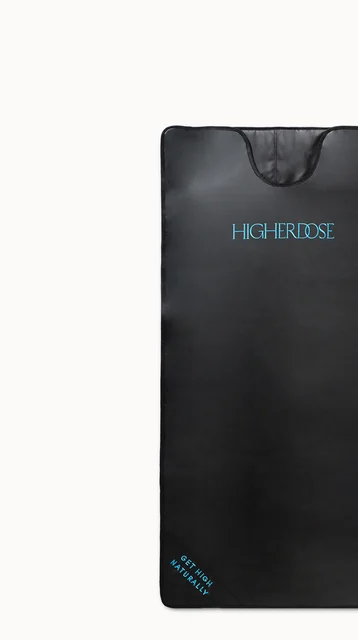
- Buy HigherDOSE Infrared Sauna Blanket The most refined blanket in the category: low-EMF construction, PU-leather exterior, and a polished ecosystem that owners say justifies the premium.
- Buy LifePro RejuvaWrap Infrared Sauna Blanket The value champion: higher top-end heat, more heat levels, and a lifetime warranty for a fraction of the premium price.
- It depends Sun Home Saunas Sun Home Infrared Sauna Blanket A premium, high-heat, low-EMF blanket that competes closely with HigherDOSE but asks a near-premium price without the same extras.
- Skip MiHIGH Infrared Sauna Blanket A perfectly capable blanket that's simply outclassed on value by cheaper rivals offering more heat, more settings, and better warranties.
What actually matters
- Infrared type (near vs far) - far infrared is the standard for whole-body warmth, while near-infrared claims relate to how deep manufacturers say the heat travels; know what you're actually paying extra for before choosing a 'multi-wavelength' panel.
- Heat range and levels - a wide range of adjustable heat levels lets you start gentle and work up, which matters more day to day than a single eye-catching maximum temperature.
- EMF design - some brands specifically engineer and document low-EMF construction, while others just use the phrase; decide how much that matters to you before comparing price.
- Exterior material - a PU-leather shell is wipeable and durable but can smell plasticky when new and doesn't breathe, while cloth exteriors handle heat and wear differently.
- Interior liner or insert - what's actually against your skin, whether it's a built-in liner or an optional cotton insert, drives both comfort and how easy the blanket is to keep clean.
- Enclosure style - a zippered wrap and a full-enclosure blanket are genuinely different to get into, sit in, and exit quickly if you need to.
- Controls and auto shutoff - a simple, readable controller with a built-in auto shutoff timer is what keeps a heated blanket easy and safe to use session after session.
The specs, in plain English
Green flags vs red flags
Green flags
- A clearly stated range of heat levels, not just a single top temperature
- A specific, documented explanation of how the low-EMF design works, not just the phrase on the box
- A removable, washable cotton liner or insert included or offered
- An auto shutoff timer and a simple, readable controller
- Clear instructions on the enclosure style and how to exit quickly if needed
- A stated flat, heat-resistant surface requirement rather than vague setup guidance
Red flags
- Only a single maximum-temperature number with no mention of adjustable levels
- EMF claims with no explanation of what's actually done to reduce it
- No liner or insert option, meaning bare skin sits directly against the shell every session
- Heavy detox, weight-loss, or calorie-burn language standing in for basic build and safety information
- No stated auto shutoff or overheat protection
- Flimsy-looking zipper or enclosure hardware in owner photos or reports
Who's who: the brands
- HigherDOSE - Positioned at the premium end, generally associated with lower marketed EMF and a PU-leather build with an optional cotton insert.
- LifePro - A value-focused entrant known for wide heat-level ranges and warranty coverage, a common starting point for shoppers prioritizing heat and price.
- Sun Home Saunas - A premium-leaning brand pairing high heat ceilings with low-EMF marketing, generally priced near the top of the category.
- MiHIGH - A mid-range brand with straightforward single-zone controls, positioned as a simpler, more basic option in the lineup.
How to read a listing without getting fooled
Start by separating what's a real spec from what's a phrase on the box. 'Near infrared,' 'far infrared,' and 'low-EMF' are all terms a listing can print without backing them up, so look for a spec sheet or FAQ that actually explains the panel type and what the EMF design does, not just the claim itself. Next, check heat levels and range rather than fixating on the single highest temperature quoted; a blanket with a narrow range at the top isn't more useful than one with a wide, usable spread. Read the materials section closely: 'PU leather' or 'faux leather' describes the exterior shell, while a separate mention of a cotton liner or insert tells you what actually touches your skin, and whether it's removable and washable. Finally, be skeptical of listings that lean hard on detox, weight-loss, or calorie-burn language instead of describing the controller, heat levels, materials, and safety features; that's usually a sign the listing is selling a story rather than a product.
How much should you spend?
Budget blankets tend to use simpler single-zone controllers, fewer heat levels, and less documentation around EMF design; they can still deliver a solid, even sweat, so they're a reasonable way to try the category without overspending. The mid tier is where a wider range of heat levels, a washable liner or insert, and more detailed EMF information start to appear, and it's where most regular users find the best balance of comfort and cost. Premium blankets add the most refined materials, the most explicitly documented low-EMF construction, and extras like included inserts or accessory bundles, but part of that spend goes toward finish and brand ecosystem rather than a fundamentally different sweat. Spend up if low-EMF documentation, material feel, and long-term comfort matter most to you; a well-reviewed value blanket is the smarter choice if you mainly want reliable heat and a straightforward warranty.
Questions, answered
Is an infrared sauna blanket safe to use?
Used as directed, on a flat, heat-resistant surface, most healthy adults tolerate a sauna blanket without issue, but raising your core temperature and sweating is a real physical response, not a neutral one. This is a general wellness product, not a medical device or treatment; consult a healthcare professional before use, especially if you are pregnant, managing a heart or blood pressure condition, diabetes, or take medication that affects hydration or temperature regulation. Keep sessions moderate, hydrate well, never use it while impaired or unattended, and stop if you feel dizzy or unwell.
What's the real difference between near and far infrared?
Far infrared is the wavelength that does most of the work in nearly every blanket on the market and is what heats your body and gets you sweating. Near infrared is a shorter wavelength some brands add and market as reaching the body differently. There's no independent standard confirming that adding near infrared meaningfully changes your session, so treat it as a spec to be aware of rather than a reason alone to pay more.
Does 'low-EMF' mean the blanket is completely EMF-free?
No. Low-EMF is a manufacturer description of shielding or panel design intended to reduce electromagnetic field output, not a claim of zero output, and there's no universal certification buyers can check it against. If EMF design matters to you, look for a brand that actually explains what it does differently rather than one that just prints the phrase.
Does PU leather or a cotton liner matter for cleaning?
Yes, and they solve different problems. A PU-leather exterior wipes down easily with a damp cloth, which is useful for the outside of the blanket, but sitting directly against it can feel plasticky and trap sweat. A cotton liner or insert, if it's removable and machine washable, sits between your skin and the shell and is what makes ongoing hygiene manageable. If a blanket doesn't include one, check whether a compatible insert is sold separately.
How long should a session actually be?
Most owners find shorter, moderate sessions more sustainable than chasing the longest time or highest heat setting, especially when starting out. Preheat the blanket, ease into a lower heat level for your first few uses, and build up gradually rather than starting at maximum. Listen to your body over the clock, and stop the session if you feel overheated, dizzy, or unwell.
Should I get a zippered wrap or a full-enclosure blanket?
A zippered wrap you step into is generally the easiest style to get in and out of on your own, which matters if you value quick, simple entry and exit. A full-enclosure blanket wraps fully around your body, arms included, for a feel closer to a traditional sauna, but it takes more practice to exit quickly, so check how the zipper and any escape mechanism work before buying if that's a concern for you.
Or jump to the head-to-head: HigherDOSE Infrared Sauna Blanket vs LifePro RejuvaWrap Infrared Sauna Blanket.