Explained
Premium Wireless Earbuds, Explained
After reading this you'll understand every spec on a premium earbud's box, and know which ones actually change your daily experience.
In this guide
Premium wireless earbuds all promise the same things: silence, great sound, and features that feel like magic. The trouble is the marketing is nearly identical across brands, and the specs that matter most are the ones the box downplays. This guide translates the jargon and shows you where the real differences hide.
The 30-second version
- Match your phone first. The single biggest driver of happiness is whether the earbuds were built for your phone's ecosystem, because the best features often go dark on the other platform.
- ANC is the core job. You're mainly buying noise cancellation, so weight it heavily and don't let gorgeous sound quality distract you from a pair that cancels poorly.
- Battery-with-ANC-on is the real number. Advertised battery figures often assume cancellation is switched off, so look for the ANC-on rating plus a case that gives several recharges.
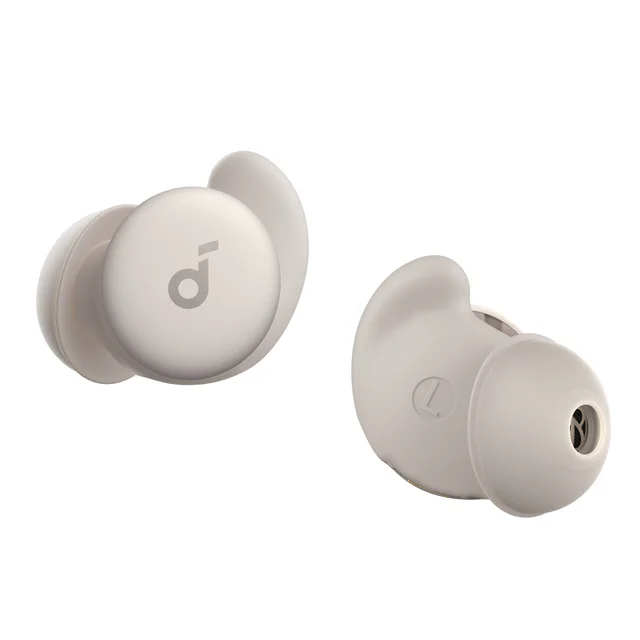
- Fit style changes everything. Stability-band designs stay put and isolate better but sit bulkier, while slim silicone-tip buds are more discreet but seal less.
- Don't overpay for sound alone. Fidelity gaps at this tier are smaller than the price gaps suggest, and better sound won't rescue weak noise cancellation.
The products this guide is about
Our verdict on each, with the full reasoning on the companion review.
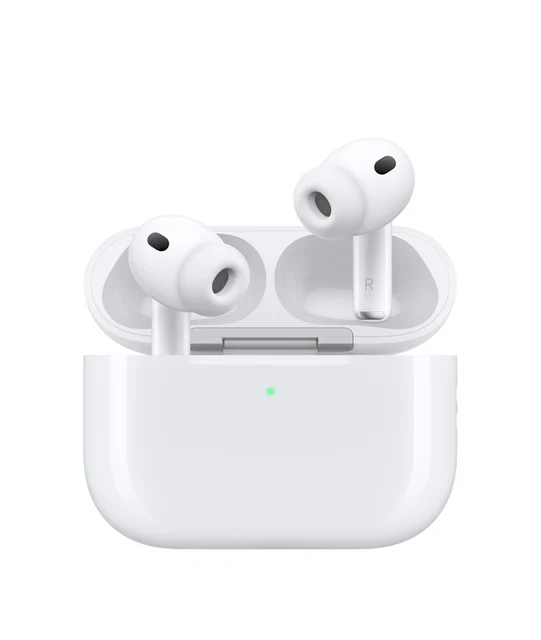
- Buy Apple AirPods Pro 3 The most complete earbud for iPhone owners, with Apple's strongest noise cancellation and features that just work. Amazon
- Buy Sony WF-1000XM6 The cross-platform flagship, with Sony's best noise cancelling and an 8-hour ANC-on runtime on iPhone or Android. Amazon
- It depends Bose QuietComfort Ultra Earbuds (2nd Gen) Bose's quietest in-ear noise cancelling and the most adjustable fit, held back by the shortest battery here. Amazon
- Skip Sennheiser Momentum True Wireless 5 Detailed, lossless-capable sound and replaceable batteries, but only 6 hours with noise cancelling on. Amazon
What actually matters
- Noise cancellation (ANC) is what most people are actually buying at this tier; the best pairs erase low-frequency drone from planes and offices, and this is where premium earns its price.
- Ecosystem fit decides how many features you actually get; an iPhone-first pair unlocks its best tricks on iPhone and behaves like an ordinary earbud on Android, and vice versa.
- Fit and comfort determine whether you can wear them for hours and how well they seal, which in turn affects both isolation and how the bass sounds.
- Call quality varies a lot in wind and background noise; look for voice-isolation performance if you take calls on the move.
- Battery life with ANC on is the number that governs real-world use, along with how many full recharges the case holds.
- Sound quality matters, but the differences are subtler than price implies, and tuning is often adjustable in the app anyway.
- Cross-platform behaviour matters if you switch between an iPhone and an Android phone, since some pairs work identically on both while others don't.
The specs, in plain English
Green flags vs red flags
Green flags
- Independent testing and owner reports agree the ANC is at or near the top of the class
- The best features are supported on the phone you actually own
- A secure, comfortable fit you can wear for hours, with a good seal
- Battery quoted with ANC on, plus a case holding several full recharges
- Multipoint and an adjustable in-app EQ are included
- Sweat- and dust-resistance rated for how you'll use them
Red flags
- Flagship price but ANC that reviewers place a step behind rivals
- Best features only light up on a phone brand you don't own
- Recurring owner complaints about the app, firmware or connection drops
- Battery figures that quietly assume noise cancellation is off
- Bulky housings that reviewers say fit poorly in smaller ears
- No transparency mode or multipoint at a premium price
Who's who: the brands
- Apple - The default for iPhone owners; AirPods Pro 3 pair strong ANC with Find My, hearing-health features and an IP57 rating, but the extras dim on Android.
- Google - The Pixel counterpart to Apple; Pixel Buds Pro 2 save their best features for Pixel and Android phones.
- Bose - The silence-and-fit specialist; QuietComfort Ultra Earbuds pair Bose's quietest in-ear ANC with nine tip and stability-band combinations, at the cost of a 6-hour charge.
- Sennheiser - The audiophile's pick; Momentum True Wireless 5 offers aptX Lossless and user-replaceable batteries, but its runtime halves to 6 hours with ANC on.
- Sony - The cross-platform flagship; WF-1000XM6 matches AirPods on ANC-on battery and adds multipoint on iPhone and Android, plus LDAC on phones that support it.
How to read a listing without getting fooled
Read a premium earbud listing from the ecosystem outward. First ask which phone the best features are designed for; if it isn't yours, mentally cross off the smart tricks and judge it as a plain Bluetooth earbud. Next, find the ANC claims and check whether they're framed vaguely ('advanced noise cancellation') or backed by independent testing, since every brand calls its own ANC excellent. Treat the battery number with suspicion until you confirm it's the ANC-on figure, and add the case's recharges for the real all-day total. Note the codec list only if you know your phone supports the same one, otherwise it's marketing. Finally, look at the fit style and IP rating against how and where you'll actually wear them.
How much should you spend?
How much to spend comes down to where you listen. If your days are mostly quiet, the flagship tier is hard to justify, because a solid mid-priced pair gets genuinely close for casual listening and the extra money buys refinements you may never notice. The premium tier earns its keep on planes, trains, open-plan offices and calls, where stronger noise cancellation and more reliable device-switching make a real difference every day. The value sweet spot often sits just below the absolute top: a pair with flagship-grade ANC but a simpler feature set can cost noticeably less than the headline models while doing the core job just as well. Spending the very most is worth it mainly when you want a specific ecosystem's full feature set, or the last increment of sound quality, and you already have the quieter models covered. Paying up for fidelity alone, on a pair whose noise cancellation lags, is the one splurge that tends to disappoint.
Questions, answered
Do I really need to match the earbuds to my phone?
Largely, yes. The most feature-rich pairs unlock instant pairing, seamless switching, spatial audio and find-my tracking only on their home platform. They still work as ordinary Bluetooth earbuds on the other phone, but you give up much of what you paid for. If you want the same experience on any phone, choose a fully cross-platform pair instead.
Are premium earbuds worth it over a good budget pair?
For noise cancellation, call quality and reliable device-switching, the gap is real and the flagships pull ahead. For casual listening in quiet places, a solid cheaper pair is genuinely close and may be the smarter buy. The premium tier mostly earns its price on commutes, flights, open offices and calls.
What actually makes noise cancellation better on one pair than another?
It comes down to how well the microphones and processing handle different kinds of noise, and how good the physical seal is to begin with. The best pairs crush steady low-frequency drone and still tame everyday chatter, while weaker ones only quiet the rumble. A good fit does a surprising amount of the work before the electronics even start.
Does a higher-end codec mean noticeably better sound?
Only sometimes. A higher-end codec can carry more detail, but both your phone and the earbuds must support it, and even then the difference is subtle for most listeners in the real world. Fit, seal and the earbud's own tuning affect what you hear far more than the codec name on the box.
Can these double as hearing aids or hearing-health devices?
Some premium earbuds now include hearing-test and amplification features that can be genuinely useful for casual awareness. But this is general product information, not medical advice. If you're concerned about your hearing, consult a qualified professional rather than relying on a consumer earbud.
Or jump to the head-to-head: Apple AirPods Pro 3 vs Sony WF-1000XM6.