Explained
Sleep Headphones, Explained
After reading this you'll know whether a fabric headband or in-ear sleepbuds fit how you sleep, and which specs on the box actually matter.
In this guide
Sleep headphones exist because ordinary headphones are miserable in bed: roll onto your side and a hard earcup or a protruding earbud digs straight into your ear. The category splits into two very different answers, a soft fabric headband with flat speakers or tiny in-ear sleepbuds, and most confusion comes from not knowing which one suits the way you actually lie down. This guide decodes the terms so you can match the format to your sleep, not to the marketing.
The 30-second version
- The format is the whole decision. A soft fabric headband wins on lie-on-your-side comfort and washability, while in-ear sleepbuds win on blocking noise and on app features like alarms and find-my.
- Masking usually beats volume. Built-in white noise or soundscapes cover an annoying sound far more comfortably than cranking music loud, so treat a good sound library as a real feature rather than a gimmick.
- Side-sleepers should judge by profile, not sound quality. Whatever sits between your ear and the pillow has to be flat and soft enough to forget about, which matters more than driver size or bass.
- Battery has to clear a whole night, not a movie. Look for a charge that covers a full night plus a nap and, ideally, auto-off so a paused device isn't dead by morning.
- Only headbands are truly washable. Anything pressed to your face for eight hours gets grimy, and cheap unbranded headbands often skimp on both durability and hygiene, so brand and build matter.
The products this guide is about
Our verdict on each, with the full reasoning on the companion review.
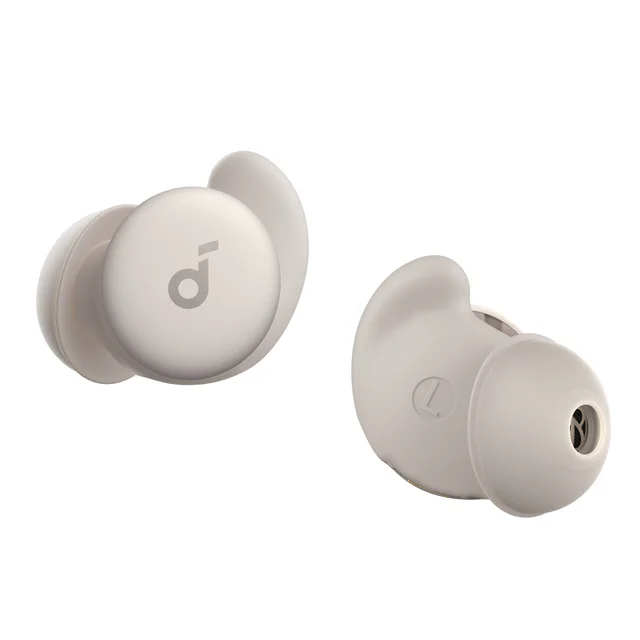
- Buy Anker Soundcore Soundcore Sleep A20 The sleepbud that finally nails the whole package: flat enough to lie on, a genuinely full-night battery, and an app that does white noise, tracking and find-my.
- Buy Ozlo Sleepbuds Built by the ex-Bose Sleepbuds team, these are the isolation-and-sensors pick for anyone whose real enemy is a snoring partner or a noisy street.
- It depends AcousticSheep SleepPhones Wireless The original washable fleece headband — nothing in your ear canal, so it wins on pure side-sleeping comfort even though the sound is basic.
- Skip Philips Sleep Headphones (formerly Kokoon Nightbuds) A clever thin-band hybrid with a good app, but it falls between two stools — and costs more than picks that do each job better.
What actually matters
- Format vs how you sleep — strict side-sleepers who hate anything in the ear canal lean fabric headband; anyone fighting a snorer or street noise leans sealing in-ear sleepbuds. This single choice drives every other trade-off.
- Comfort lying on your side — the piece against the pillow must be low-profile and soft. A flat fabric band or a stubby bud that doesn't stick past the ear is what lets you actually rest your head, and it beats any spec on the box.
- Isolation vs sound-masking — isolation physically seals noise out; masking plays white noise or soundscapes over the top of it. Sealing buds do both; a headband mostly just masks. Know which problem you're solving before you buy.
- All-night battery with auto-off — a full-night runtime plus a case that recharges matters more than a big number measured over a short session, and an auto-off timer stops a paused device draining before your alarm.
- Washability and hygiene — fabric headbands where the electronics slide out are machine-washable; for in-ear buds, check that the tips are replaceable and easy to wipe. Eight hours of face contact makes this practical, not fussy.
- App features that earn their keep — a masking-sound library, a gentle personal alarm that wakes only you, sleep tracking, and a find-my locator are the extras owners miss most when they're absent, especially find-my for buds that vanish in the sheets.
- Build quality and support — many cheap headbands are near-identical no-name units with weak seams and short lifespans. A real brand with a warranty is worth the small premium on something you sleep in nightly.
The specs, in plain English
Green flags vs red flags
Green flags
- The maker rates it for a full night on one charge, with a case or dock that tops it back up
- Side-sleeper comfort is described concretely (low-profile buds, flat band) rather than just called 'comfortable'
- A built-in library of masking sounds or white noise, so you're not reliant on cranking volume
- A gentle personal alarm and an auto-off timer are included
- For buds, a find-my locator and replaceable, wipeable tips; for headbands, electronics that slide out for machine washing
- A recognizable brand with a warranty and a track record of app updates and support
Red flags
- Battery quoted for a short listening session rather than a realistic full night
- An unbranded headband that looks identical to a dozen others, with no warranty or support behind it
- Marketing that promises to 'block' or 'cancel' snoring from a device that only masks sound
- Heavy reliance on an app with widespread complaints about syncing, reliability, or dropped support
- In-ear buds with a bulky profile that would still press into the pillow when you lie down
- Medical or clinical claims about curing insomnia, snoring, or sleep disorders
Who's who: the brands
- Anker Soundcore - Mainstream audio brand whose sleepbuds pair a low-profile fit with a full-featured app (masking sounds, tracking, alarm, find-my).
- Ozlo - Founded by former Bose Sleepbuds engineers; focused on strong noise-masking seal plus on-board sleep and environment sensors.
- AcousticSheep (SleepPhones) - Maker of the original washable fleece-headband sleep headphones, aimed at people who can't tolerate anything in the ear.
- Philips - Large electronics brand now behind the former Kokoon on-band flat-bud hybrid, with an app-driven masking-and-tracking approach.
- Bose - Pioneered dedicated sleepbuds and put the category on the map, though its own sleepbud line has been discontinued.
How to read a listing without getting fooled
Start by identifying the format from the pictures, not the headline: is it a soft band you wear over your ears, or buds that go inside them? That tells you instantly whether comfort-for-side-sleepers or noise-blocking is the strength. Next, separate isolation claims from masking claims: 'seals out noise' is isolation, 'soothing soundscapes' or 'white noise library' is masking, and a device that only masks cannot cancel a snorer no matter how the copy reads. Treat battery numbers skeptically and look for a stated full-night figure plus a recharging case rather than a single hero number. Check whether the listing actually confirms the practical extras, a personal alarm, auto-off, and for buds a find-my locator and replaceable tips, or whether it just gestures at 'smart features.' For a headband, confirm the electronics are removable so the fabric can be washed. Finally, be wary of any listing that leans on clinical-sounding claims; these are comfort and audio products, not medical devices.
How much should you spend?
Think in tiers rather than figures. Basic fabric headbands sit at the affordable end: you're paying for comfort and washability, not sound quality or software, and the cheapest unbranded versions often cut corners on durability, so a modest step up to a real brand with a warranty is usually money well spent. Full-featured in-ear sleepbuds occupy the middle, and that's where most people find the sweet spot, comfortable enough to lie on, a genuine all-night battery, and an app that handles masking sounds, a personal alarm, and find-my. The premium tier is worth it only if your specific problem is external noise you can't control or you genuinely want on-board sleep sensing; paying up for a hybrid that is neither the comfiest nor the most isolating option is the classic way to overspend. Match the tier to the one job that keeps you awake, and don't pay for features you won't use.
Questions, answered
Headband or sleepbuds, which should I get?
It's comfort versus quiet. A fabric headband puts nothing in your ear canal, so it's the easiest thing to lie on and it's washable, but it barely blocks outside noise. In-ear sleepbuds seal the ear, so they isolate and mask far better and add apps, alarms, and find-my, at the cost of a small object in each ear. Side-sleepers who mostly want podcasts or white noise lean headband; anyone fighting a snorer leans sleepbuds.
Why can't I just use my normal earbuds or over-ear headphones in bed?
Over-ear headphones have a hard cup that presses into your ear and pillow the moment you lie on your side, so you flip all night. Standard earbuds stick out too far and dig in the same way. Sleep-specific designs exist precisely to sit flat, either paper-thin speakers in a soft band or stubby buds that don't protrude past the ear.
Will sleep headphones fully block out a snoring partner?
Nothing this small silences snoring the way big active-noise-cancelling headphones do. Sealing in-ear sleepbuds do best because they combine a passive seal with masking sounds, and the strongest-sealing buds are what owners rate highest for burying snoring and traffic. A fabric headband barely helps against loud snoring; it mostly plays sound over the top of it. In most cases, comfortable masking beats trying to overpower the noise with volume.
How do I keep from losing tiny sleepbuds in the sheets?
It's a real problem, since the buds are small and dark. Drop them back in the charging case every time you wake, and use the app's find-my feature to ring them or show their last location. This is one area where a headband wins outright: there's nothing small to lose.
Do sleep headphones actually treat sleep problems?
This is general information, not medical advice. Some sleep headphones offer sleep tracking and masking sounds, but those are general wellness features, not medical devices, and the data is a rough guide rather than a diagnosis. If you have ongoing insomnia, loud snoring, pauses in breathing, or tinnitus, please speak with a doctor or sleep professional rather than relying on a consumer audio product.
Or jump to the head-to-head: Anker Soundcore Soundcore Sleep A20 vs Ozlo Sleepbuds.