Explained
Stereo Amplifiers, Explained
After reading this you will understand what an integrated amp with a built-in DAC and streaming really does, which specs matter for your speakers and room, and how to read a listing without being fooled by big numbers.
In this guide
A modern stereo amplifier is no longer just a box of watts. Most now bundle the amplifier, a digital-to-analog converter (DAC), and network streaming into one unit, so a single purchase becomes the brain of your whole system. That convenience is great, but it also means one spec sheet crams together power ratings, DAC chips, streaming platforms and connectivity, and it is easy to over-focus on raw wattage while ignoring the things that actually shape how good it sounds in your room.
The 30-second version
- One box now does three jobs. An integrated amp with a built-in DAC and streamer replaces the old stack of separate amplifier, DAC and network player, run from a single app and remote.
- Match power to your speakers, not to a bigger number. Efficient bookshelf speakers in a normal room are happy with modest output; only large or hard-to-drive floorstanders truly need lots of headroom.
- The app is half the product. A great-sounding amp is frustrating if its control app is slow or unreliable, so the maturity of the streaming platform matters as much as the sound.
- Check the inputs before the wattage. HDMI ARC for a TV, a phono stage for vinyl and a subwoofer output are either present or they are not, and a missing one is harder to live with than a few fewer watts.
- Value varies wildly for similar jobs. Some amps do most of what pricier rivals do for a fraction of the money, so always ask what a premium model actually adds over the cheapest capable option.
The products this guide is about
Our verdict on each, with the full reasoning on the companion review.
- Buy WiiM Amp Pro A compact streaming amp with room correction and HDMI ARC, minus AirPlay and a phono stage, at a fraction of the price of the boxes here. Amazon
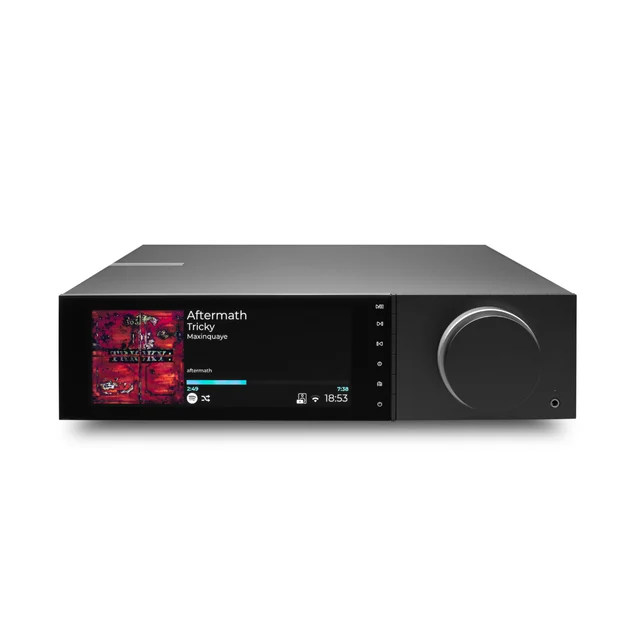
- Buy Cambridge Audio Evo 150 SE The all-in-one to buy if you want real hi-fi power and a polished streaming platform in one elegant box. Amazon
- It depends Marantz Model 40n A gorgeous, warm-sounding integrated for people who value the listening over the feature list. Amazon
- Skip Sonos Amp A capable multiroom brick that makes a poor centerpiece for a real stereo system. Amazon
What actually matters
- Clean power for your speakers. It is not about the biggest wattage number but about having enough undistorted headroom for your speakers' sensitivity and your room size. Modest Class-D output suits efficient bookshelves; big floorstanders want more.
- Streaming platform maturity. The app runs your daily experience. Favour established platforms with broad service support (AirPlay 2, Chromecast, Connect apps) and a good reliability record over flashy but flaky ones.
- The right inputs and outputs. A phono stage for turntables, HDMI ARC for a TV, a subwoofer output and enough digital and analog inputs decide whether the amp fits your actual gear.
- Built-in DAC quality. Because the amp is also your converter, the quality of the DAC and the range of digital inputs it feeds matters, especially if most of your listening is streamed or from a TV.
- Room correction and EQ. In real rooms, tuning tools can improve sound more than a modest hardware upgrade, and not every amp includes them.
- Build, ergonomics and heat. Fit and finish, a readable display, a decent remote and how warm and noisy the unit runs all affect how much you enjoy living with it.
- Honest value. Ask what each step up in price actually buys: sometimes real power and refinement, sometimes mostly a badge and nicer casework.
The specs, in plain English
Green flags vs red flags
Green flags
- A mature, widely supported streaming platform (AirPlay 2, Chromecast, popular Connect apps) with a solid reliability track record
- Enough clean rated power for your speakers, with reviewers noting composure at volume rather than strain
- The specific inputs you need are present: HDMI ARC, a phono stage if you spin vinyl, a subwoofer output if you may add a sub
- A capable built-in DAC with a useful spread of digital inputs (optical, coax, USB)
- Included tuning tools such as parametric EQ or room correction, especially helpful in awkward rooms
- Consistent praise from independent testing and owner reports for both sound and everyday usability
Red flags
- A control app that owners repeatedly describe as slow, buggy or unreliable
- Marketing that leans on a huge wattage number while staying vague about distortion or real-world performance
- A closed ecosystem that locks you to one app or brand with few real hi-fi inputs
- A premium price paired with modest power and a noticeably shorter feature list than cheaper rivals
- A hidden or hard-to-access DAC and inputs, suggesting the unit is not designed to be a true stereo hub
- No path for the sources you own, such as missing phono for a turntable or no HDMI ARC for a TV
Who's who: the brands
- WiiM - Newer value-focused brand known for compact streaming amps that pack broad features and tuning tools for very little money.
- Cambridge Audio - Long-established British hi-fi maker known for polished all-in-one streamers with real power and a mature streaming platform.
- Marantz - Heritage name prized for warm, musical sound and elegant build, often chosen by listeners who buy with their ears and eyes.
- Sonos - Multiroom pioneer whose amp excels at whole-home convenience but is less suited to being the centerpiece of a dedicated stereo.
- NAD - Veteran maker with a reputation for honest, powerful integrated amps and a modular platform approach to streaming.
- Yamaha - Broad-line maker offering integrated amps and streaming models known for reliable performance and a clean, even sound.
How to read a listing without getting fooled
Start by ignoring the biggest number on the box. A headline wattage figure means little without context: look for power quoted into a stated load (usually 8 ohms) and, ideally, a note that it is measured with low distortion across the full frequency range rather than a brief peak. Next, separate what the amp is from what it connects to. Confirm the built-in DAC and its digital inputs, check exactly which streaming services and standards are supported (AirPlay 2 and Chromecast are good signs of maturity), and read the input list literally: if 'phono' or 'HDMI ARC' is not printed, assume it is not there. Watch for weasel words like 'streaming-ready' or 'app-controlled' that describe an ecosystem rather than a spec. Finally, cross-check the spec sheet against independent testing and owner reports for the things a listing will never admit: how reliable the app is, how the amp behaves at real listening levels, and whether the sound is genuinely refined or merely adequate.
How much should you spend?
How much to spend depends far more on your speakers and room than on any wish for the 'best'. The value sweet spot in this category sits surprisingly low: a well-designed budget streaming amp can deliver near-complete features, room correction and clean sound that satisfies most listeners with efficient speakers in a normal room. Spending more is genuinely worth it in two situations: when your speakers are large or hard to drive and need real power and dynamic composure, or when you want a more refined presentation and higher-end build wrapped in a mature platform. What you are often paying extra for is headroom, casework and a badge rather than a dramatic jump in everyday sound, so a useful rule is to start with the cheapest amp that comfortably drives your speakers and streams what you use, and only step up when your ears or your speakers clearly ask for more. Buying big power to drive small bookshelf speakers is paying for headroom you may never use.
Questions, answered
What is an integrated amplifier with a built-in DAC and streaming?
It combines three things that used to be separate boxes: the amplifier that powers your passive speakers, a digital-to-analog converter (DAC) that turns digital audio into an analog signal, and a network streamer that plays from services and phones over Wi-Fi. One box, one remote and usually one app run the whole system.
How is a stereo integrated amp different from an AV receiver?
An AV receiver is built for surround sound and home theater, with many channels, video switching and calibration for movies. An integrated stereo amp focuses on doing two channels of music as well as possible, with cleaner amplification and a simpler signal path. If music is your priority, a stereo integrated usually sounds better for the money.
How much power do I actually need?
It depends on your speakers and room, not on chasing a big number. Efficient bookshelf speakers in a normal room are happy with modest output, while larger or harder-to-drive floorstanders benefit from extra headroom. Check your speakers' sensitivity and recommended power, and remember that clean headroom matters more than raw watts.
Do I still need a separate DAC or streamer if the amp has them built in?
Usually no. A good built-in DAC and streamer handle streaming services, AirPlay and digital inputs well. You would only add an external DAC or streamer later if you are chasing a specific sound or a platform the amp does not support.
Can I connect a turntable to one of these amplifiers?
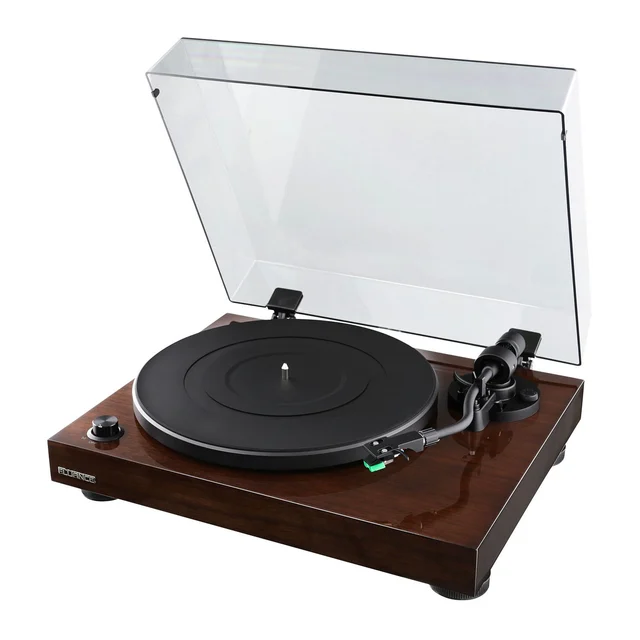
Only if it has a phono input, or if you add an external phono preamp. Some integrated amps include a moving-magnet (MM) phono stage so a standard turntable plugs straight in; others leave it out to save cost or space, in which case an inexpensive external phono preamp sits between the turntable and a line input.
Is a more expensive amplifier always better?
No. Beyond the point where an amp cleanly drives your speakers and streams what you use, extra money often buys headroom, build quality and a badge more than clearly better everyday sound. It is worth spending up when your speakers demand real power or you want a more refined presentation, but a capable budget model satisfies many listeners.
Or jump to the head-to-head: Cambridge Audio Evo 150 SE vs WiiM Amp Pro.