Explained
Pour-Over Coffee Makers, Explained
After reading, you'll understand how a pour-over dripper actually shapes your coffee and know which features are worth caring about before you buy.
In this guide
A pour-over brewer is just a funnel that holds a filter and coffee while you pour hot water through by hand, but small design choices, the cone shape, the number of holes, the filter, change the cup a lot. First-time buyers usually overspend on the dripper and underspend on the kettle and grinder, then blame the brewer when the coffee is uneven. This guide untangles what each part does so you buy the right piece for how much fuss you actually want.
The 30-second version
- The dripper shape is the big decision. Conical drippers give you control and reward technique; flat-bottom drippers even out the water and forgive a shaky pour.
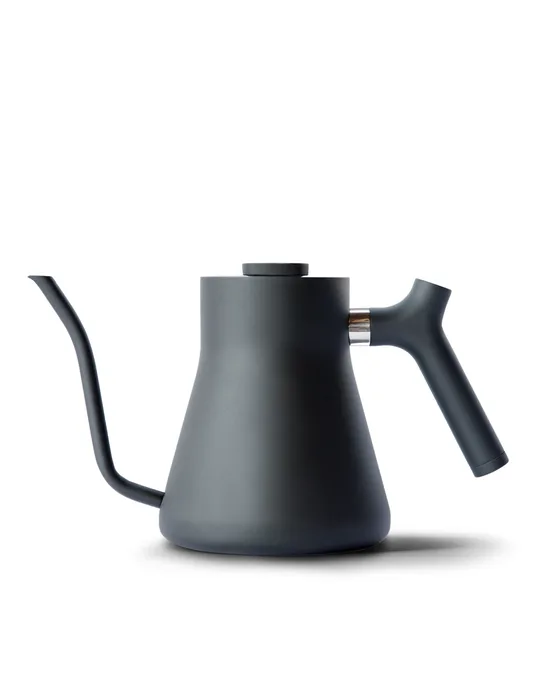
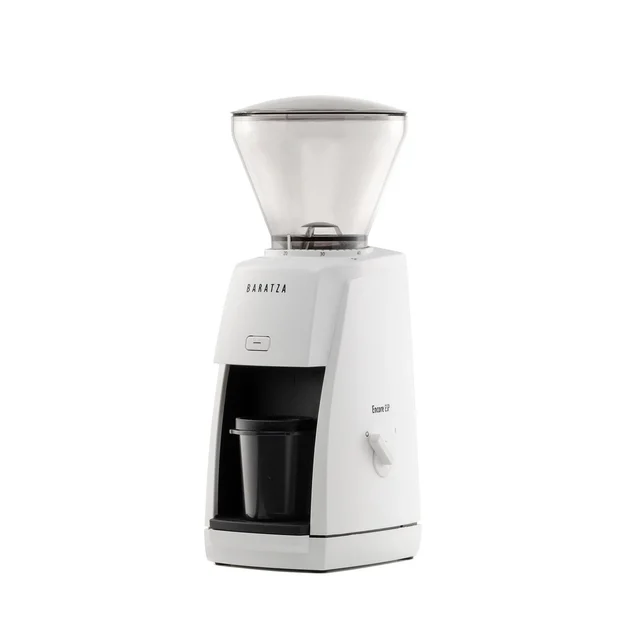
- Your kettle and grinder matter more than the brand of cone. A gooseneck kettle and a consistent grind do more for your cup than trading one dripper for another.
- Filters are an ongoing cost and a supply question. Standard cone papers are cheap and everywhere; proprietary filters cost more, run slower, and are harder to find.
- Material affects durability and heat, not really flavor. Stainless is the toughest, ceramic holds heat but can chip, glass is beautiful but fragile.
- Automating the pour defeats the point. Auto-drip 'pour-over' gadgets remove the flow control that makes brewing by hand better than a drip machine.
The products this guide is about
Our verdict on each, with the full reasoning on the companion review.
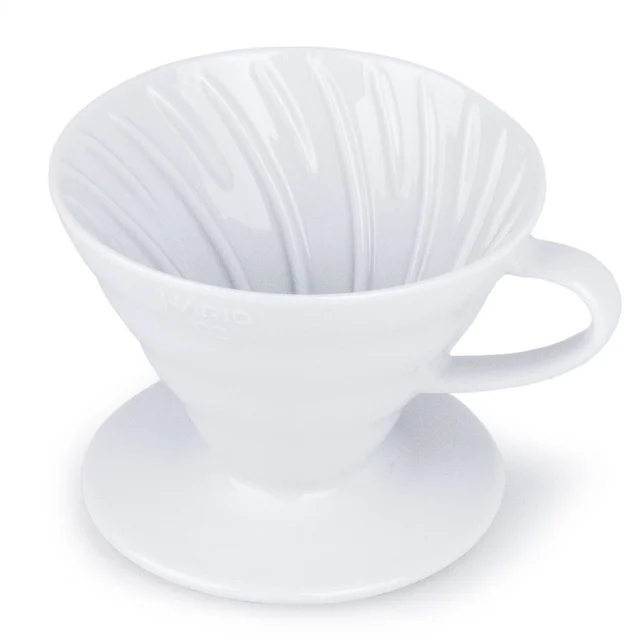
- Buy Hario V60 Ceramic Coffee Dripper 02 A versatile, widely supported cone that rewards anyone willing to learn the pour. Amazon
- Buy Kalita Wave 185 Stainless Steel Dripper A forgiving flat-bottom dripper that turns a shaky pour into a reliably good cup. Amazon
- It depends Chemex Classic Series 6-Cup Pour-Over Coffeemaker A gorgeous carafe that brews an exceptionally clean cup, if you can live with its quirks. Amazon
- Skip OXO Brew Pour-Over Coffee Maker with Water Tank A tidy auto-drip gadget that removes the very control that makes pour-over worth doing. Amazon
What actually matters
- Dripper geometry (cone vs. flat bottom) is the single biggest driver of how your coffee tastes and how forgiving the brewer is; match it to how hands-on you want to be.
- Flow control determines whether you, or the brewer, decide how fast water passes through the grounds, which is the essence of extraction.
- Filter type and availability set both your per-cup running cost and how easy it is to restock; a great brewer with hard-to-find filters is a daily annoyance.
- Kettle compatibility matters because a slow, aimable gooseneck stream is what lets you control the pour on most cones.
- Build material affects durability, heat retention, and how much abuse the brewer survives on a busy counter.
- Capacity should match your servings, single-cup cones suit solo drinkers, larger carafes only earn their space if you brew for two or more.
- Ease of cleaning decides how often the brewer actually gets used; fussy, hard-to-dry vessels quietly fall out of rotation.
The specs, in plain English
Green flags vs red flags
Green flags
- The brewer uses standard, widely stocked filters you can buy anywhere
- You already own (or plan to buy) a gooseneck kettle and a consistent grinder
- The dripper shape matches your temperament: cone if you like control, flat bottom if you want forgiveness
- The material suits your kitchen, stainless for durability, ceramic for heat, glass for looks you'll baby
- Capacity matches how many cups you actually brew at once
- The design is easy to rinse, empty, and dry between uses
Red flags
- It automates the pour or fixes the flow rate, removing the control that defines pour-over
- It requires proprietary filters that are pricey, slow, or hard to find locally
- It's sized for a single mug when you regularly brew for more (or vice versa)
- Marketing promises 'perfect coffee with no skill', real hand pour-over rewards a little practice
- The vessel is fragile or awkward to clean, so it will quietly stop getting used
- You're buying an expensive dripper while skimping on the kettle and grinder that matter more
Who's who: the brands
- Hario - Japanese glassware maker behind the V60, the reference conical dripper with the biggest accessory ecosystem.
- Kalita - Japanese brand known for the flat-bottom Wave dripper, prized as a forgiving, beginner-friendly design.
- Chemex - American icon whose one-piece glass carafe and thick bonded filters make an exceptionally clean, tea-like cup.
- OXO - Housewares brand offering convenience-first auto-drip brewers that trade control for simplicity.
- Bee House / Melitta - Makers of approachable wedge-style drippers that use common, cheap filters and forgive imperfect technique.
How to read a listing without getting fooled
When you read a pour-over listing, translate the marketing back into the two things that matter: shape and flow. 'Precision pour', 'full control', and 'spiral ribs' signal a cone that rewards a steady hand and a gooseneck kettle; 'even extraction', 'flat bed', or 'forgiving' signal a flat-bottom design that's easier for beginners. Check what filters it takes and whether they're a common size or proprietary, because that's your recurring cost and restock hassle. Note the material (durability and heat) and the real capacity in cups, not the hopeful maximum. Treat any claim of 'perfect coffee, no skill needed' as a flag that the device automates the pour, which sands away the very control you're paying for. Finally, remember the spec sheet won't mention the kettle and grinder, and those usually decide your cup more than the dripper does.
How much should you spend?
Pour-over is the rare hobby where the entry-level gear is genuinely excellent, so you don't need to spend much on the brewer itself, the most respected cones and flat-bottom drippers sit at the affordable end and out-perform fancier options. What drives cost is material and design cachet: glass carafes and design-icon status command more, while a simple ceramic, plastic, or stainless dripper costs little and brews just as well. The smarter place to put money is the supporting cast, a gooseneck kettle and a decent burr grinder change your cup far more than an expensive dripper will. Spending more is worth it for durability (stainless over glass if you're clumsy) or for a larger carafe if you truly brew for a group; it is rarely worth it for the dripper alone. And factor in the running cost of filters, a cheap brewer that needs pricey proprietary papers can cost more over a year than a slightly dearer one that uses common ones.
Questions, answered
Do I really need a gooseneck kettle?
For most cones, effectively yes. The slow, aimable stream is what lets you control how fast water moves through the grounds, and that control is the whole reason to brew by hand. Flat-bottom drippers are more forgiving of an ordinary kettle, and automated tank brewers need none, but they also give up the control.
What's the difference between a conical and a flat-bottom dripper?
A cone funnels water to a single point, giving you more control and a higher ceiling, but it's less forgiving of an uneven pour. A flat bottom spreads the water across a level bed and drains through a few small holes, evening out extraction so a shaky pour still tastes good. Cone for tinkerers, flat bottom for beginners.
Which type is easiest for a complete beginner?
A flat-bottom dripper like the Kalita Wave. Its level bed and restricted drainage even out the water flow, so you get a good cup even before your pouring technique is dialed in. A cone rewards you more over time but asks for more skill up front.
Does the brewer material change the flavor?
Not meaningfully. Material mainly affects durability and how well the brewer holds heat. Stainless is the toughest, ceramic retains heat well but can chip, and borosilicate glass is elegant but fragile. Preheating any of them with a quick rinse helps keep your brew temperature steady, which matters more than the material itself.
Are automatic 'pour-over' brewers worth it?
Only if you value convenience over craft. They distribute water for you with a water tank, so you skip the kettle skill, but you also lose control over flow rate and bloom, the levers that make hand pour-over better than a drip machine. Enthusiasts tend to outgrow them, so a simple manual dripper is usually the better buy.
How much should I spend to get started?
Less on the dripper than you'd think. The best-regarded cones and flat-bottom brewers are inexpensive, so put your budget toward a gooseneck kettle and a consistent burr grinder, which do more for your cup. Also weigh the ongoing cost of filters, standard papers are cheap, while proprietary ones add up over time.
Or jump to the head-to-head: Hario V60 Ceramic Coffee Dripper 02 vs Kalita Wave 185 Stainless Steel Dripper.