

Coffee & Espresso
The Best Pour-Over Coffee Makers: 4 Compared (and One to Skip)
We compared four current pour-over brewers on cup clarity, consistency, control, filters, and durability to find the best all-rounder.
The short version
Pour-over rewards a small amount of skill with excellent coffee at a low price. The Hario V60 is our overall pick: the most versatile cone, the largest accessory ecosystem, and the highest ceiling, though it needs a gooseneck kettle and practice. The Kalita Wave 185 is the runner-up and the easier path, using its flat bed to make an inconsistent pour taste good anyway. The Chemex brews a beautifully clean cup and looks stunning, but proprietary filters, fragile glass, and a bias toward larger batches make it an it-depends. Skip the OXO auto-drip tank, which trades away the control that makes pour-over worthwhile. Best for: anyone who wants cafe-quality coffee from an inexpensive, low-maintenance brewer.
Our picks at a glance
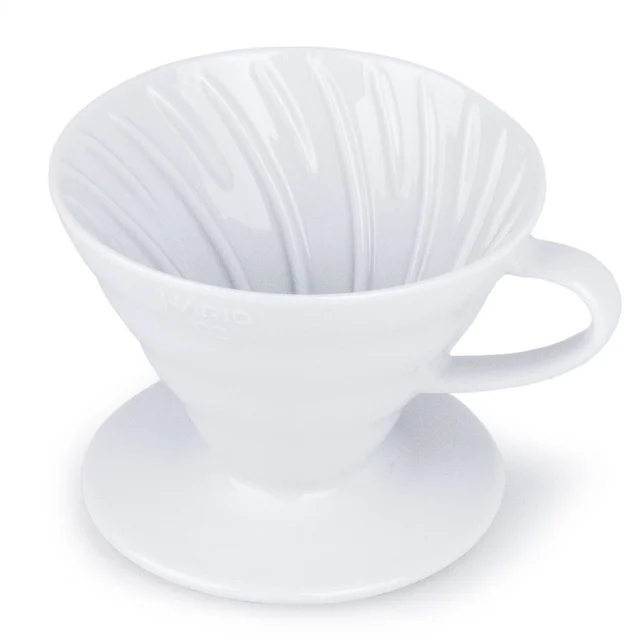
- Hario V60 Ceramic Coffee Dripper 02 - Buy. A versatile, widely supported cone that rewards anyone willing to learn the pour.
- Chemex Classic Series 6-Cup Pour-Over Coffeemaker - It depends. A gorgeous carafe that brews an exceptionally clean cup, if you can live with its quirks.
- Kalita Wave 185 Stainless Steel Dripper - Buy. A forgiving flat-bottom dripper that turns a shaky pour into a reliably good cup.
- OXO Brew Pour-Over Coffee Maker with Water Tank - Skip. A tidy auto-drip gadget that removes the very control that makes pour-over worth doing.
The verdict in 30 seconds
What mattered most
- Cup character
- Consistency for beginners
- Control over extraction
- Filter type & availability
- Material & durability
- Capacity
Pour-over is the cheapest way to make genuinely great coffee, but the brewer you choose shapes both the cup and how much fuss the ritual demands. We weighed a conical classic, a design icon, a flat-bottom workhorse, and an automatic-drip shortcut. Two earn a clear buy, one is a stylish it-depends, and one we think most people should skip.
A versatile, widely supported cone that rewards anyone willing to learn the pour.
Best for: Hands-on drinkers who want maximum control and one brewer that adapts to any bean.
- Conical shape and open spiral ribs give the pourer full command over flow rate and extraction
- Enormous ecosystem of cheap, widely stocked paper filters and accessories
- Ceramic holds heat well and the design is genuinely attractive on a counter
- Steep learning curve; results swing with grind, pour technique, and kettle control
- Effectively requires a gooseneck kettle and a scale to be consistent
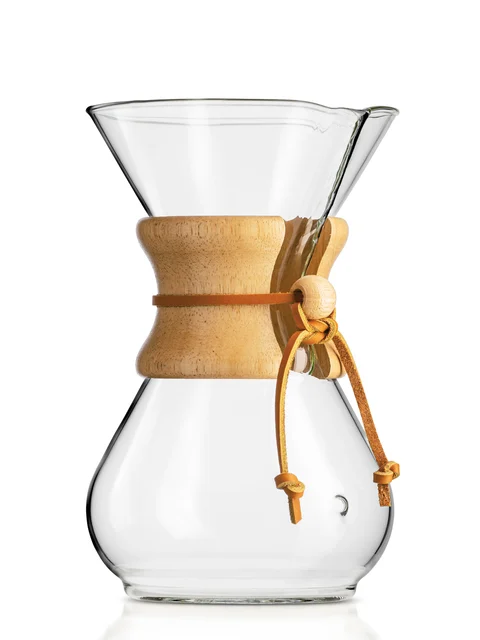
A gorgeous carafe that brews an exceptionally clean cup, if you can live with its quirks.
Best for: Design-minded drinkers who brew for two or more and prize a clean, delicate cup.
- Thick bonded filters strip out oils and fines for a strikingly clear, tea-like cup
- Brews and serves from one elegant borosilicate-glass vessel; a design landmark
- Handles larger batches better than a single cone
- Proprietary thick filters are pricier, less available, and slow the brew
- One-piece glass body is fragile and awkward to clean and dry
- Rewards volume and technique; brewing a single cup in it feels wasteful
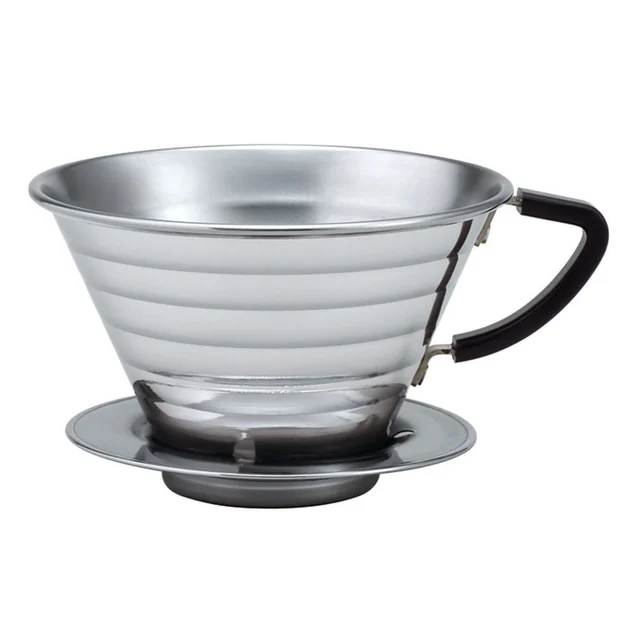
A forgiving flat-bottom dripper that turns a shaky pour into a reliably good cup.
Best for: Beginners and anyone who wants a dependable cup without babysitting the pour.
- Flat bed and three small holes even out extraction, so sloppy pours still land well
- Stainless steel build that Kalita lists as dishwasher safe
- The most consistent brewer here for newcomers, in our judgment
- Uses wavy flat-bottom filters that some retailers stock less reliably than cone papers
- Offers less ceiling for the tinkerer chasing a specific extraction than a V60
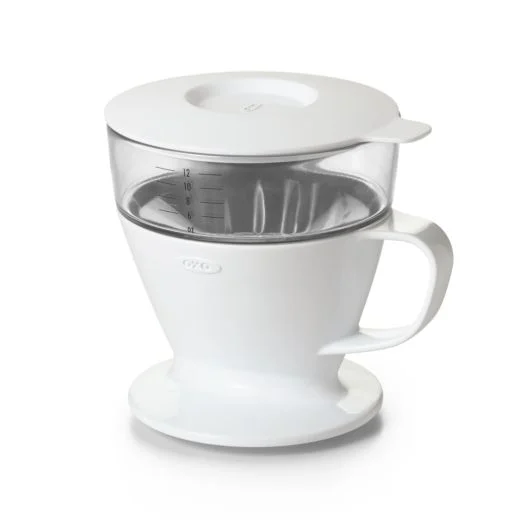
A tidy auto-drip gadget that removes the very control that makes pour-over worth doing.
Best for: One-mug drinkers who want convenience over craft and will never buy a gooseneck kettle.
- The water tank distributes water automatically, so no kettle skill is needed
- Compact and inexpensive
- Fixed flow means almost no control over extraction, the core appeal of pour-over
- Sized for a single mug, with a basic build
- Once you want a better cup, you are likely to outgrow it
| Criteria | Hario V60 Ceramic Coffee Dripper 02 Top pick Buy it Buy | Chemex Classic Series 6-Cup Pour-Over Coffeemaker It depends Buy | Kalita Wave 185 Stainless Steel Dripper Buy it Buy | OXO Brew Pour-Over Coffee Maker with Water Tank Skip it Buy |
|---|---|---|---|---|
| Best for | Hands-on drinkers who want maximum control and one brewer that adapts to any bean. | Design-minded drinkers who brew for two or more and prize a clean, delicate cup. | Beginners and anyone who wants a dependable cup without babysitting the pour. | One-mug drinkers who want convenience over craft and will never buy a gooseneck kettle. |
| Price tier | $ · budget | $$ · mid-range | $ · budget | $ · budget |
| Cup character | Bright, layered, adjustable | Very clean and delicate | Balanced and rounded | Flat, convenience-first |
| Consistency for beginners | Demanding | Demanding | Excellent | Effortless but capped |
| Control over extraction | Highest | High | Moderate | Minimal |
| Filter type & availability | Cone papers, ubiquitous | Proprietary bonded, pricier | Wave papers, common | Cone papers, common |
| Material & durability | Ceramic, can chip | Glass, fragile | Stainless, durable | Basic single-serve build |
| Capacity | 1-4 cups | Up to ~6 cups | 2-4 cups | Single mug |
| Price tier | $ · budget | $$ · mid-range | $ · budget | $ · budget |
Which one is right for you?
- Hands-on drinkers who want maximum control and one brewer that adapts to any bean. Buy it Hario V60 Ceramic Coffee Dripper 02
- Beginners and anyone who wants a dependable cup without babysitting the pour. Buy it Kalita Wave 185 Stainless Steel Dripper
- Design-minded drinkers who brew for two or more and prize a clean, delicate cup. It depends Chemex Classic Series 6-Cup Pour-Over Coffeemaker
- One-mug drinkers who want convenience over craft and will never buy a gooseneck kettle. Skip it OXO Brew Pour-Over Coffee Maker with Water Tank
How we judged the field
We do not run our own lab. Instead we synthesize independent testing, expert brewing guides, and aggregated owner reports, then weigh them against what actually matters when you brew a cup by hand every morning. Five criteria did the heavy lifting: the character and clarity of the cup, how consistent the brewer is in ordinary hands, how much control it offers an engaged drinker, the cost and availability of its filters, and the durability of the build. We also kept practicality in view, because a brewer that is fussy to clean or fragile on a busy counter gets used less, whatever its ceiling.
The short version: the best pour-over for most people is the one that matches how much effort you want to spend. Some of these reward technique with a spectacular cup; one removes technique entirely, and pays for it.
Hario V60 Ceramic Coffee Dripper 02
Buy itThe V60 is the reference point the whole category is measured against, and it earns that status. Its steep cone, large single hole, and spiral ribs impose almost no restriction on flow, so you decide the outcome: pour fast for a lighter, delicate body, or slowly for a heavier, sweeter extraction. That range is the point, and the accessory ecosystem of cheap filters, kettles and scales is huge. The trade-off is honest. The same freedom that makes the V60 versatile makes it unforgiving; without a gooseneck kettle, a scale, and a little practice, results wander. Accept that, and it is the most rewarding brewer here for the money.
Chemex Classic Series 6-Cup Pour-Over Coffeemaker
It dependsThe Chemex is the one brewer here that doubles as an object you display. The borosilicate-glass hourglass and wood collar are a genuine design landmark, and its thick bonded filters remove oils and fine particles that thinner papers let through, yielding a famously clean, almost tea-like cup. But those filters are proprietary, cost more, are harder to find, and slow the brew noticeably. The one-piece glass body is fragile and awkward to clean and dry, and the whole thing is happiest brewing for two or more; a single serving feels like a waste of the vessel. Buy it if you brew in volume, value clarity, and want the looks. Otherwise it is more brewer than most people need.
Kalita Wave 185 Stainless Steel Dripper
Buy itIf the V60 is the enthusiast’s tool, the Kalita Wave is the one we would hand a nervous beginner. Its flat bottom and three small drainage holes meter the water instead of dumping it, so extraction stays even when your pour is not. In our judgment it is the most consistent brewer here in imperfect hands. The stainless build is durable and dishwasher safe, and while a dedicated tinkerer will find a lower ceiling than the V60’s, most drinkers will simply enjoy a reliably good cup with far less anxiety. The main friction is filter supply, as the wavy flat-bottom papers are stocked less universally than cone papers.
OXO Brew Pour-Over Coffee Maker with Water Tank
Skip itThe OXO is a clever answer to the wrong question. Its water tank distributes water automatically, so you can skip the kettle skill entirely, add grounds, pour water in, and walk away. That convenience is real, and the unit is cheap and compact. But it removes control over flow rate and bloom, the very levers that make hand pour-over worth doing over a drip machine. It is sized for a single mug, and most people who catch the coffee bug will outgrow it. For about the same money you can own a V60 or a Kalita and actually learn to brew, which is why this is the one to skip.
Hario V60 vs Kalita Wave 185: which should you buy?
These two are the everyday workhorses, and the choice comes down to temperament. The V60 gives you the most control and the highest ceiling: master the pour and it will out-brew everything here across the widest range of beans, and its filters and gear are everywhere. The Kalita Wave gives you the most consistency: its flat bed forgives an uneven pour, so you get a good cup on day one without a gooseneck kettle or a scale. If you enjoy the ritual and want to improve over time, choose the V60. If you want reliably good coffee with minimal fuss and a tough stainless build, choose the Kalita Wave. Neither is a wrong answer, which is why both earn a buy.
What to look for
- Match the brewer to your patience. Conical drippers like the V60 reward technique; flat-bottom drippers like the Kalita forgive it.
- Budget for the kettle. A gooseneck kettle matters more to your cup than which cone you pick; factor it into the cost.
- Check filter cost and availability. Standard cone papers are cheap and everywhere; proprietary filters like the Chemex’s are pricier and harder to find.
- Weigh material against your kitchen. Stainless survives abuse, ceramic holds heat but chips, glass is beautiful but fragile.
- Size it to your servings. Single-cup cones suit solo drinkers; a Chemex earns its keep only if you brew for more than one.
- Be wary of full automation. Auto-drip tanks trade away the control that separates pour-over from a standard drip machine.
Our final take
Pour-over remains the best value in home coffee, and the hardware barely changes that math, what changes is how much you want to be involved. The Hario V60 is our overall pick because it offers the most cup for the least money and grows with you, provided you invest in a kettle and a little practice. The Kalita Wave 185 is the smarter buy if you would rather skip the learning curve and still drink well every morning. The Chemex is a worthy it-depends for those who brew in volume and love its clean cup and looks. And the OXO auto-drip tank is the one to skip: convenient, yes, but it sands away the control that makes brewing by hand worthwhile in the first place.
Questions, answered
Do I really need a gooseneck kettle for pour-over?
For the V60 and Chemex, effectively yes; the slow, aimed stream a gooseneck provides is what lets you control extraction. The Kalita Wave is more forgiving of an ordinary kettle, and the OXO auto-drip needs none at all.
Which of these is easiest for a complete beginner?
The Kalita Wave 185. Its flat bottom and three restricted holes even out the water flow, so it produces a good cup even when your pour is uneven. The V60 gives better results in the long run but asks more of you up front.
Why does the Chemex cost more to run over time?
It uses thick proprietary bonded filters rather than standard cone papers. Those filters produce its signature clean cup, but they cost more per brew, are stocked in fewer stores, and slow the drawdown compared with the thinner papers the V60 and OXO use.
Is the OXO water-tank model a true pour-over?
Only loosely. It automates the pour with a perforated tank, so you lose control over flow rate and bloom timing, the levers that define hand pour-over. It makes a fine convenient cup, but enthusiasts are likely to outgrow it, which is why we rate it a skip.
Ceramic, glass, or stainless: does the brewer material matter?
It mainly affects durability and heat behavior rather than flavor. Stainless (Kalita) is the toughest; ceramic (V60) retains heat well but can chip; borosilicate glass (Chemex) is elegant but the most fragile. Preheating any of them with a rinse helps keep brew temperature stable.
Deciding between the top two? See our head-to-head: Hario V60 Ceramic Coffee Dripper 02 vs Kalita Wave 185 Stainless Steel Dripper.
More in Coffee & Espresso
Pour-Over Coffee Makers, Explained Plain-English guide → Hario V60 Ceramic Coffee Dripper 02 vs Kalita Wave 185 Stainless Steel Dripper Head-to-head →  The Best Single-Serve Coffee Makers: 4 Compared (and One to Skip)
  The Best Stovetop Kettles: 4 Compared (and One to Skip)
  The Best Bean-to-Cup Espresso Machines: 4 Compared (and One to Skip)
  The Best Burr Coffee Grinders (2026): Honest Picks and One to Skip