Explained
Posture Correctors, Explained
After reading, you will understand the four main types of posture corrector, why most only help while worn, and how to pick one you will actually keep using.
In this guide
Posture correctors look interchangeable, but they split into very different camps: passive straps and braces that physically hold you upright, garment-style pieces you wear like a bra, and smart wearables that buzz to train a habit. The thing that trips up most first-time buyers is expecting any of them to permanently fix posture. The truth is that most work only while you wear them, so the real decision is whether you want a temporary reminder or a device that helps rewire the habit.
The 30-second version
- Most correctors only work while worn. so posture usually drifts back once you take a passive strap, garment, or brace off.
- Training beats holding. a device that gives feedback and coaches a habit has the best case for lasting change.
- Comfort decides everything. the corrector you keep wearing beats the one that offers more support but lives in a drawer.
- Ignore the therapeutic hype. copper infusions and muscle-memory language are marketing, not proven benefits.
- Fit should be firm, never painful. any device that pinches, restricts breathing, or causes numbness is too tight.
The products this guide is about
Our verdict on each, with the full reasoning on the companion review.
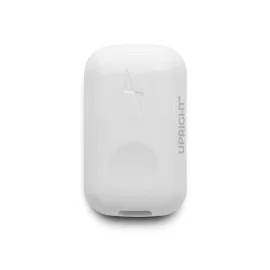
- Buy Upright GO 2 A tiny back-worn sensor that vibrates when you slouch and coaches a real posture habit through its app. Amazon
- Buy Copper Compression Posture Corrector An affordable, easy-to-wear figure-8 strap that gives a gentle backward reminder to the shoulders. Amazon
- It depends Forme Power Bra A premium sports-bra-style corrector that looks like normal activewear and encourages an upright position all day.
- Skip Selbite Posture Corrector A rigid full-back brace that forces you upright but is bulky, hot, and easy to abandon. Amazon
What actually matters
- How it works (train vs. hold) - decide whether you want feedback that builds a lasting habit or a passive device that simply keeps you upright while it is on. This single distinction shapes everything else.
- Comfort over hours - padded, breathable, low-profile designs get worn all day; bulky, hot braces get abandoned within days, which makes them useless regardless of support.
- Discreetness under clothing - if you need it at work, a slim strap, a small sensor, or a garment-style piece hides far better than a rigid full-back brace.
- Ease of setup and consistency - the best corrector is the one you will actually use, so weigh calibration and app effort against your willingness to stick with a routine.
- Honest claims and fit - focus on whether the device encourages good positioning and fits your body, and treat therapeutic-sounding marketing with healthy skepticism.
- Durability and consumables - check whether parts wear out quickly or rely on ongoing consumables such as adhesive pads, which add cost and hassle over time.
The specs, in plain English
Green flags vs red flags
Green flags
- Gives feedback that helps you build a habit rather than just holding you in place
- Comfortable enough to wear for hours, with padded or breathable materials
- Slim or garment-like so it hides under everyday clothing
- Sensible, adjustable fit that feels like a firm reminder, not a squeeze
- Honest product claims focused on positioning, fit, and comfort
Red flags
- Leans on therapeutic buzzwords like copper healing or muscle memory
- Bulky, hot, rigid construction that owners report abandoning quickly
- Promises to permanently fix posture on its own with no effort
- Digs into the underarms, compresses the chest, or restricts breathing
- Flimsy budget construction that owner reports say wears out fast
Who's who: the brands
- Upright - Known for small back-worn smart sensors that vibrate on slouch and coach a posture habit through an app.
- Copper Compression - Popular affordable figure-8 straps marketed around copper fabric; the value is the comfortable strap, not the copper.
- Forme - Premium sports-bra-style correctors that look like normal activewear for discreet all-day wear at a flagship price.
- Selbite - Budget rigid full-back braces offering firm structured support but bulky, warm, and often set aside quickly.
How to read a listing without getting fooled
When you read a posture corrector listing, first sort it into a type: is it a passive strap or brace, a garment, or a smart trainer? That tells you the honest ceiling of what it can do. Next, look past therapeutic-sounding language. Words like copper healing, muscle memory, and permanent correction are marketing, not evidence, so mentally discount them and hunt instead for concrete details about materials, padding, adjustability, breathability, and size range. If it is a smart device, check what the app actually does and whether it relies on consumables such as adhesive pads. Weigh owner reports about comfort and fit far more heavily than the headline claims, because comfort is what determines whether you keep wearing it.
How much should you spend?
You do not need to spend much to test whether a physical reminder helps you; a simple, comfortable strap is an inexpensive way to find out, and it is the sensible starting point for most people. Spending more makes sense only when it buys something you will genuinely use: a smart trainer earns its higher cost by coaching a habit that can outlast the device, which is the one feature that changes long-term outcomes. Garment-style options sit at the top of the range and charge a premium mostly for discreet, all-day wearability, so they are worth it only if invisibility under clothing matters a lot to you. Paying more for a rigid brace rarely pays off, since added bulk tends to reduce comfort and how often you actually wear it.
Questions, answered
Do posture correctors actually fix your posture?
The answer from independent testing and owner reports is mixed. Passive straps, garments, and braces mostly hold you in position while worn, and posture tends to revert once they come off. Training-style devices that give feedback have a better case for lasting change because they build awareness and a habit. This is general product information and not medical advice; if you have pain or a diagnosed spinal condition, consult a qualified professional such as a physician or physical therapist.
How long should I wear one each day?
Most makers and reviewers suggest starting short, often somewhere in the range of a quarter-hour to an hour a day, and building up gradually so your body adjusts. Training wearables typically build up wear time over weeks. Wearing any corrector all day from the start tends to cause soreness and fatigue, and it should never be so tight that it causes pain.
Can wearing a brace weaken your muscles?
It is a common wellness concern that leaning on a rigid brace lets your supporting muscles do less work over time, which is one reason gentle reminders and training approaches are generally favored over stiff full-back braces for everyday use. Treat this as a general wellness consideration rather than a medical claim.
Smart trainer or simple strap: which is better?
A smart trainer suits people who want to change the underlying habit and are willing to engage with an app and a short daily routine. A simple strap suits people who just want an immediate physical cue and a low price with no setup. Neither replaces movement and strengthening, but a trainer is more likely to produce change you keep after you stop wearing it.
Is the copper in copper correctors doing anything?
Not in the way the marketing implies. Copper-infused fabric claims are a marketing story, and you should not expect a therapeutic benefit from the copper itself. If a copper strap works for you, it is because the strap design gives a comfortable backward reminder, not because of the metal.
Or jump to the head-to-head: Upright GO 2 vs Copper Compression Posture Corrector.