

Health & Wellness
The Best Posture Correctors: 4 Compared (and One to Skip)
We compared a smart training wearable, an adjustable strap, a bra-style corrector, and a rigid full-back brace on comfort, results, and value.
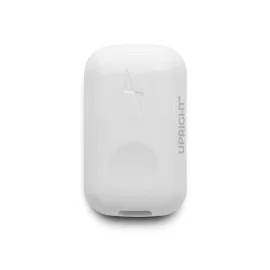
The short version
Most posture correctors only work while you are wearing them, so the best long-term choice is the one that trains a habit: the Upright GO 2, a small sensor that vibrates when you slouch and coaches you through an app. For a cheap, no-app physical reminder, the Copper Compression strap is comfortable and easy to live with. The Forme Power Bra is a genuinely discreet, garment-style option but costs many times more and only helps while worn, so it depends on your budget and priorities. Skip rigid full-back braces like the Selbite, which are bulky, hot, and quickly abandoned. Best for: anyone who wants better posture through habit-building rather than a brace they will stop wearing.
Our picks at a glance
- Upright GO 2 - Buy. A tiny back-worn sensor that vibrates when you slouch and coaches a real posture habit through its app.
- Copper Compression Posture Corrector - Buy. An affordable, easy-to-wear figure-8 strap that gives a gentle backward reminder to the shoulders.
- Forme Power Bra - It depends. A premium sports-bra-style corrector that looks like normal activewear and encourages an upright position all day.
- Selbite Posture Corrector - Skip. A rigid full-back brace that forces you upright but is bulky, hot, and easy to abandon.
The verdict in 30 seconds
What mattered most
- How it works
- Comfort for long wear
- Discreet under clothing
- Ease of setup and use
- Habit-building potential
- Build quality and durability
Posture correctors fall into a few very different camps: smart wearables that buzz when you slouch, simple shoulder straps that gently pull you back, garment-style pieces you wear like a bra, and rigid full-back braces. They do not work the same way, and the right pick depends on whether you want to train a habit or just get a physical reminder. We synthesized independent testing and aggregated owner reports across four current, buyable-in-2026 options to sort the genuinely useful from the disappointing.
A tiny back-worn sensor that vibrates when you slouch and coaches a real posture habit through its app.
Best for: Desk workers who want to build lasting posture habits and do not mind a short daily training routine.
- Trains an active habit rather than just holding you in place, so improvement can persist after you take it off
- Sits on the upper back, where it tracks upper-back movement directly
- Companion app offers posture training programs and progress tracking
- Discreet, strapless, and light enough to forget you are wearing it
- Adhesive pads struggle to stick on sweaty or oily skin and are a recurring consumable
- Requires consistency and app engagement to see benefit; it is a trainer, not a quick fix
- The sensor is small enough to misplace
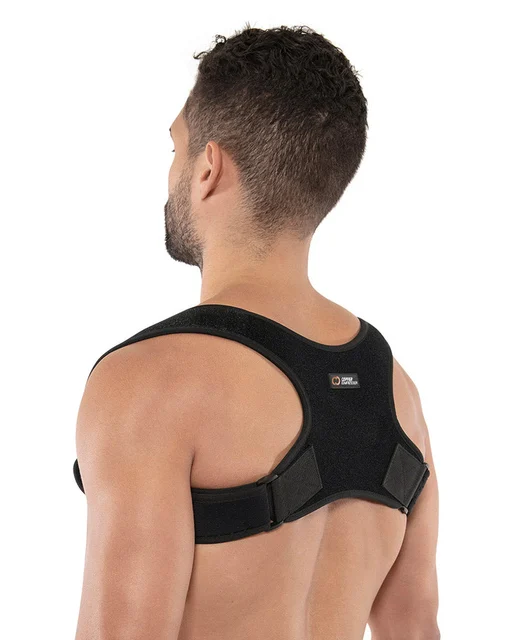
An affordable, easy-to-wear figure-8 strap that gives a gentle backward reminder to the shoulders.
Best for: Budget-minded buyers who want a straightforward, gentle shoulder-back reminder without an app or routine.
- Simple figure-8 design is easy to put on unassisted and is adjustable
- Comparatively comfortable, with anti-rub padded straps that owners tolerate longer than bare-strap rivals
- Slim enough to wear discreetly under a looser shirt
- Inexpensive way to test whether a physical reminder helps you
- Purely passive: it holds the shoulders back while worn but does not train the muscles by itself
- Copper-infused fabric claims are marketing; owners should not expect therapeutic benefit from the copper itself
- Can dig into the underarms if over-tightened, and the effect fades once you take it off
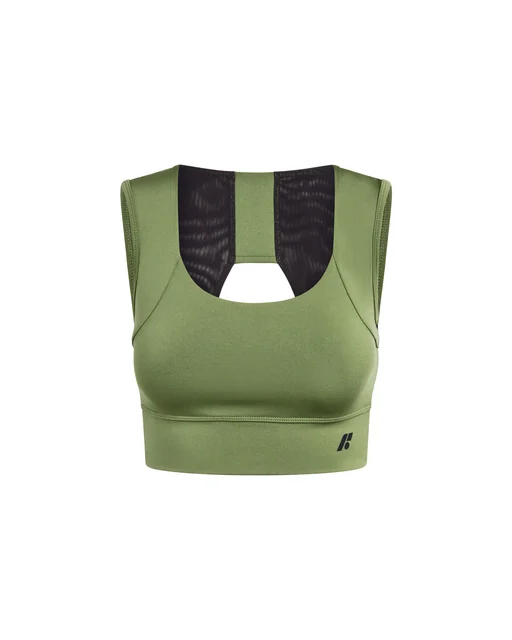
A premium sports-bra-style corrector that looks like normal activewear and encourages an upright position all day.
Best for: Women who want a discreet, garment-style corrector they can wear all day and are willing to pay a premium for it.
- Looks and wears like a normal sports bra, making it the most discreet all-day option here
- Higher neckline and structured panels lift the chest and draw the shoulders back while worn
- Owner reports often mention reduced perceived back strain
- May be eligible for FSA/HSA purchase, so check your plan
- Flagship pricing that is many times the cost of a simple strap
- Owner reports flag armpit chafing, breast compression, and band rolling, with variable fit for fuller busts
- Independent testing notes posture tends to revert to slouching once it is taken off
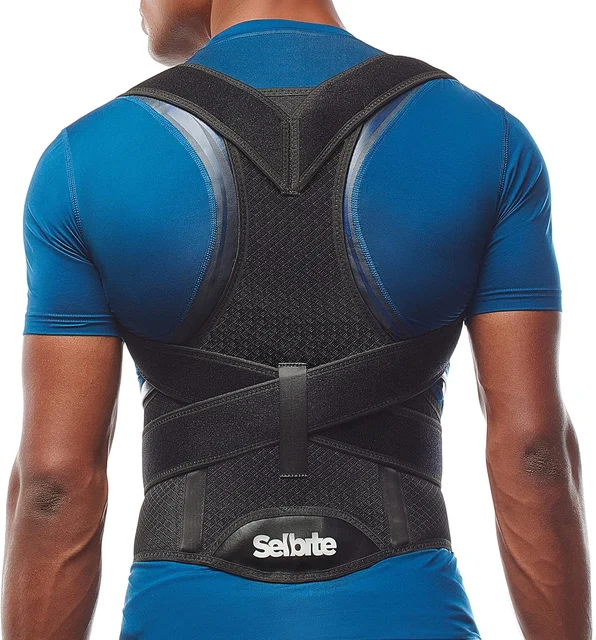
A rigid full-back brace that forces you upright but is bulky, hot, and easy to abandon.
Best for: Only short-term, occasional rigid support; it is not a practical everyday posture solution.
- Provides firm, structured support across the upper back and lower-back band
- Inexpensive and adjustable
- Bulky and warm; hard to hide under clothing and uncomfortable for long stretches
- Rigid, largely passive support that many owners stop using within days
- Heavy reliance on a stiff brace raises the common concern that supporting muscles do less work over time
- Budget construction that owner reports say wears out quickly
| Criteria | Upright GO 2 Top pick | Copper Compression Posture Corrector | Forme Power Bra | Selbite Posture Corrector |
|---|---|---|---|---|
| Verdict | Buy it | Buy it | It depends | Skip it |
| Best for | Desk workers who want to build lasting posture habits and do not mind a short daily training routine. | Budget-minded buyers who want a straightforward, gentle shoulder-back reminder without an app or routine. | Women who want a discreet, garment-style corrector they can wear all day and are willing to pay a premium for it. | Only short-term, occasional rigid support; it is not a practical everyday posture solution. |
| Price tier | $$ · mid-range | $ · budget | $$$$ · flagship | $ · budget |
| How it works | Active training (vibration + app) | Passive strap reminder | Passive garment support | Rigid passive brace |
| Comfort for long wear | Excellent (tiny, strapless) | Good | Variable (chafing reported) | Poor (bulky, hot) |
| Discreet under clothing | Very discreet | Fairly discreet | Most discreet (looks like a bra) | Not discreet |
| Ease of setup and use | Needs app and calibration | Very easy | Very easy (put on like a bra) | Fiddly straps |
| Habit-building potential | Strong (retrains behavior) | Low (reminder only) | Low (works while worn) | Very low |
| Build quality and durability | Solid (adhesives are consumable) | Decent for the price | Premium materials | Budget, wears out |
| Price tier | $$ · mid-range | $ · budget | $$$$ · flagship | $ · budget |
Which one is right for you?
- Desk workers who want to build lasting posture habits and do not mind a short daily training routine. Buy it Upright GO 2
- Budget-minded buyers who want a straightforward, gentle shoulder-back reminder without an app or routine. Buy it Copper Compression Posture Corrector
- Women who want a discreet, garment-style corrector they can wear all day and are willing to pay a premium for it. It depends Forme Power Bra
- Only short-term, occasional rigid support; it is not a practical everyday posture solution. Skip it Selbite Posture Corrector
How we judged the field
We do not run our own lab. Instead, we synthesize independent testing and aggregated owner reports, then weigh them against what actually matters day to day. Posture correctors are a wellness category with a lot of marketing noise, so we prioritized a few practical criteria: whether a device merely holds you in place or helps you build a lasting habit; comfort over hours of real wear; how discreet it is under clothing; how easy it is to set up and use consistently; and honest value for the money. We were skeptical of therapeutic-sounding claims (copper infusions, “muscle memory” language) that are not well supported, and we gave credit to designs that owners keep using rather than abandon in a drawer.
The most important pattern across the research is simple: nearly every strap, garment, and brace works only while you wear it, and posture drifts back afterward. That single fact shaped our verdicts.
Upright GO 2
Buy itThe Upright GO 2 is the only option here that tries to change your behavior rather than just your position. It is a small sensor worn high on the upper back, attached with an adhesive pad or an optional necklace, that vibrates the moment you slouch. Because it sits on the upper back, it tracks upper-back movement directly. The companion app offers posture training programs and progress tracking, which is what gives it a credible shot at lasting results.
It is not effort-free. The adhesive pads are a consumable and do not stick well to sweaty skin, and you only benefit if you engage with the routine. But for building a habit that can outlast the gadget, it is the standout.
Copper Compression Posture Corrector
Buy itIf you want the opposite of a project, the Copper Compression Posture Corrector is a sensible, inexpensive pick. It is a classic figure-8 strap that loops over the shoulders and gently draws them back. Owners generally find it easy to put on without help and more comfortable than bare-strap rivals, thanks to padded, anti-rub straps, and it is slim enough to hide under a looser shirt. Start with about an hour a day and build up.
Be clear-eyed about what it does: it is a passive reminder, not a trainer, and the copper-infused fabric is a marketing story rather than a proven benefit. The upright feeling fades once it comes off. As a cheap way to see whether a physical cue helps you, though, it earns its place.
Forme Power Bra
It dependsThe Forme Power Bra is the most interesting garment-style corrector on the market. It looks and wears like a normal sports bra, which makes it the most discreet all-day option here, and its higher neckline and structured panels lift the chest and pull the shoulders back. Owner reports are largely positive on the posture feel and reduced perceived strain, and it may be FSA/HSA eligible, so check your plan.
The catches are real. It carries flagship pricing that dwarfs a simple strap, owner reports flag armpit chafing, breast compression, and band rolling, and fit is variable for fuller busts. Independent testing also notes posture reverts once it is off. Whether it is worth it genuinely depends on how much you value an invisible, wear-it-with-anything garment and how much you are willing to spend.
Selbite Posture Corrector
Skip itThe Selbite Posture Corrector represents the rigid full-back brace category, and it illustrates why that category disappoints. It wraps the shoulders and adds a lower-back band for firm, structured support. On paper that sounds thorough; in practice it is bulky, warm, hard to conceal, and uncomfortable enough that many owners stop wearing it within days. It is also almost entirely passive, and relying on a stiff brace raises the familiar worry that your own muscles do less work over time. Add budget construction that owners say wears out, and there is little reason to choose it over a gentler reminder or a training device.
Upright GO 2 vs Copper Compression Posture Corrector: which should you buy?
These are our two “buy” picks, and they suit different people. The Upright GO 2 is the smarter long-term investment: it costs more and asks for a little daily engagement, but it actively coaches your posture and is the option most likely to leave you standing straighter even on days you skip it. The Copper Compression strap is the pragmatic, low-cost choice: no app, no calibration, no learning curve, just a comfortable backward nudge whenever you put it on.
Choose the Upright GO 2 if you care about changing the habit and will use the app. Choose the Copper Compression strap if you want an affordable, no-fuss physical reminder and accept that its help lasts only as long as you wear it.
What to look for
- Training vs. support: decide whether you want feedback that builds a habit or a passive device that simply holds you upright while worn.
- Comfort over hours: padded, breathable straps and low-profile designs get worn; bulky, hot braces get abandoned.
- Discreetness: if you need it under work clothes, favor a slim strap, a small sensor, or a garment-style piece.
- Ease and consistency: the best corrector is the one you will actually use, so weigh setup effort against your willingness to stick with it.
- Honest claims: treat copper, “muscle memory,” and similar marketing with skepticism, and focus on fit, comfort, and whether it encourages good positioning.
- Sensible fit: it should feel like a firm reminder, never tight enough to pinch, restrict breathing, or cause numbness.
Our final take
Because almost every corrector only works while you wear it, the best value is the one that changes your habit: the Upright GO 2. It is our top pick for anyone willing to spend a few minutes a day training. For a cheap, comfortable reminder with no routine, the Copper Compression strap is an easy recommendation. The Forme Power Bra is a strong but costly niche choice for people who want an invisible, garment-style option, so it depends on your budget. And rigid full-back braces like the Selbite are the ones to skip. Whatever you pick, pair it with movement breaks and gentle strengthening, and remember this is general wellness guidance, not medical advice.
Questions, answered
Do posture correctors actually fix your posture?
The answer from independent testing and owner reports is mixed. Passive straps, garments, and braces mostly hold you in position while worn, and posture tends to revert once you take them off. Training-style devices that give feedback (like the Upright GO 2) have a better case for lasting change because they build awareness and a habit. Either way, this is general product information and not medical advice; if you have pain or a diagnosed spinal condition, consult a qualified professional such as a physician or physical therapist.
How long should I wear a posture corrector each day?
Most makers and reviewers suggest starting short, often around 15 to 60 minutes a day, and building up gradually so your body adjusts. Training wearables typically build up wear time over weeks. Wearing any corrector all day from the start tends to cause soreness and fatigue, and it should never be so tight that it causes pain.
Can wearing a brace weaken your muscles?
It is a common concern that leaning on a rigid brace lets your supporting muscles do less work, which is one reason we favor gentle reminders and training approaches over stiff full-back braces for everyday use. This is a general wellness consideration rather than a medical claim; a physical therapist can advise on the right balance of support and strengthening for your situation.
Smart trainer or simple strap: which is better?
A smart trainer suits people who want to change the underlying habit and are willing to engage with an app and a short daily routine. A simple strap suits people who just want an immediate physical cue and a low price, with no setup. Neither replaces strengthening and movement, but the trainer is more likely to produce change you keep after you stop wearing it.
Are posture correctors safe for everyone?
For most healthy adults, brief, comfortable use is generally low-risk, but this is general product information, not medical advice. Anyone who is pregnant, recovering from an injury or surgery, or living with a spinal condition, chronic pain, or circulation issues should speak with a healthcare professional before using one, and should stop and seek advice if a device causes pain, numbness, or tingling.
Deciding between the top two? See our head-to-head: Upright GO 2 vs Copper Compression Posture Corrector.
More Health & Wellness reviews
 The Best Pulse Oximeters: 4 Compared (and One to Skip)
  The Best Radon Detectors: 4 Compared (and One to Skip)
  The Best Reading Glasses: 4 Compared (and One to Skip)
  The Best At-Home Red Light Therapy Devices: 4 Compared (and One to Skip)
  The Best Respirator Fit Test Kits: 4 Compared (and One to Skip)
  The Best Reusable Respirators: 4 Compared (and One to Skip)