Explained
Pellet Grills, Explained
After reading, you'll know why temperature stability matters more than any headline feature, and how to read a pellet grill's spec sheet without getting fooled.
In this guide
A pellet grill burns compressed hardwood pellets to smoke and grill food, and its whole appeal is that it's supposed to hold a set temperature on its own for hours. The catch first-timers run into is that spec sheets brag about size and top temperatures while staying quiet about the one thing that actually matters: whether the grill holds steady in real weather. This guide decodes the terms so you can tell a set-and-forget machine from one you'll be babysitting.
The 30-second version
- Temperature stability is the whole game. A pellet grill's promise is holding a set temperature unattended, so a proven controller matters more than any headline number.
- Not every pellet grill can sear. Many top out around 500°F and are smokers first; if you want steak crust, look for 600°F or a direct-flame sear zone.
- The controller and app are only as good as the hardware behind them. WiFi is genuinely useful for long cooks, but a flaky controller ruins everything downstream no matter how polished the app looks.
- Cheap can be expensive. A bargain grill that swings in wind or cold, or that draws safety complaints, isn't a bargain when reliability is the entire point.
- Pellets and cleanup are part of the deal. Dry, fresh pellets and easy ash removal prevent the jams and swings that plague every brand.
The products this guide is about
Our verdict on each, with the full reasoning on the companion review.
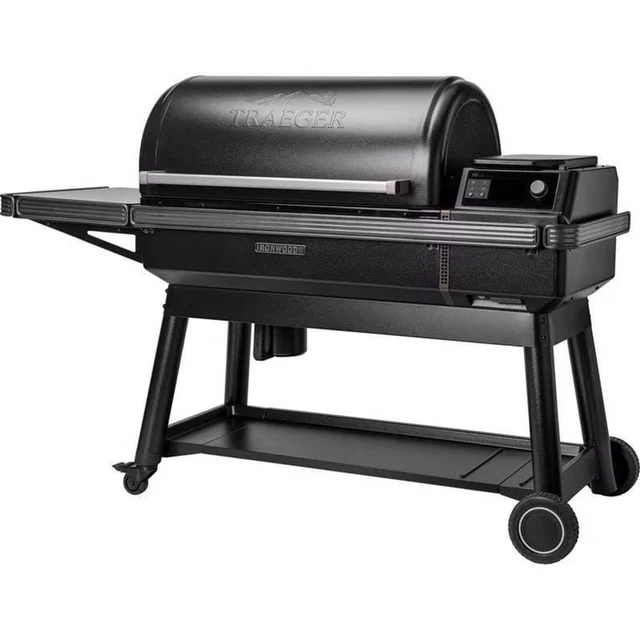
- Buy Traeger Ironwood XL A large, WiFi-connected pellet grill for people who want to press a button and trust the result.
- Buy Weber Searwood 600 A strong all-round value that smokes and sears, and Weber's follow-up to its SmokeFire. Amazon
- It depends Camp Chef Woodwind 24 A flavor-and-features standout with a pull-knob ash cleanout, but the best of it costs extra.
- Skip Pit Boss Navigator 850 A lot of grill for the money on paper, undermined by owner reports of shaky temps, safety scares and uneven support. Amazon
What actually matters
- Temperature stability - the single most important trait: how tightly the grill tracks your set temperature over hours, including when it's windy or cold and after you open the lid.
- Searing and high heat - whether it can hit ~600°F or offer a direct-flame zone; a grill that only smokes is only half a grill if you also want steaks and burgers.
- Controller and app quality - a reliable PID controller is the brain; the WiFi app is a convenience layered on top and is worthless if the controller is glitchy.
- Smoke flavor and wood control - how much real hardwood flavor the grill produces and whether it offers a heavier-smoke mode for low-and-slow cooks.
- Build quality and support - heavy-gauge steel, a real dealer network, and responsive warranty service are what you lean on when a part fails in year two.
- Cooking capacity and hopper - enough grate space for how you cook, plus a sealed, well-sized pellet hopper so you're not refilling mid-cook.
- Cleanup design - how easy it is to empty ash and clean the grease system, which decides whether upkeep is a two-minute job or a chore you'll skip.
The specs, in plain English
Green flags vs red flags
Green flags
- Owner reports and independent testing agree it holds temperature tightly, including in wind and cold
- A well-regarded PID controller, not just a big top-temperature number on the box
- A real sear zone or 600°F capability if you want to grill as well as smoke
- A responsive warranty and dealer network, with owners reporting claims actually get handled
- Sealed hopper and an easy ash-cleanout system for lower day-to-day hassle
Red flags
- Recurring owner complaints about wide temperature swings in wind or cold
- Reports of runaway fires, auger jams, or safety scares across the lineup
- Controller or WiFi glitches that show up repeatedly in reviews
- A generous-looking warranty paired with complaints that service is slow or inconsistent
- A spec sheet that leads with size and price but says nothing about temperature stability
- Thin, budget steel with widespread paint and finish-wear complaints
Who's who: the brands
- Traeger - The category's household name, known for low-and-slow smoking, the WiFIRE app ecosystem, and a wide accessory range.
- Weber - A grilling institution whose current pellet lineup pairs smoking with high-heat searing and the Weber Connect app.
- Camp Chef - An enthusiast brand known for pull-knob ash cleanup and add-on searing burners.
- Pit Boss - A budget-focused brand offering lots of grill for the money on paper, with owner complaints about temperature swings and support.
How to read a listing without getting fooled
Start by ignoring the two numbers marketing leads with: total square inches and maximum temperature. Neither tells you whether the grill holds steady, which is what actually matters. Instead, look for what kind of controller it uses (a proven PID is the goal) and search owner reports for the words 'swing,' 'wind,' and 'cold' to see how it behaves in real conditions. Treat a big warranty as a claim to verify, not a guarantee, and read reviews for how service actually goes. If you want to sear, confirm there's a genuine direct-flame zone or a 600°F rating rather than a vague 'grill and smoke' line. Finally, check whether the searing or flavor features that make a grill sound special are built in or require paid add-ons that quietly raise the real cost.
How much should you spend?
Spend where reliability lives. The cheapest pellet grills are tempting, but on a machine whose entire job is to run unattended, a model that swings in the wind or draws safety complaints costs you ruined cooks and stress, not savings. The value sweet spot is a mid-range grill with a proven controller that both smokes reliably and sears real steaks, which gets most people to a better result than a bargain rig. Stepping up to premium buys larger capacity, a deeper support network, and the steadiest hands-off performance, worth it if you cook often or want maximum peace of mind. Be wary of the opposite trap too: a premium price that only unlocks its best searing or flavor once you buy extra burners and accessories, which pushes the true cost higher than the sticker suggests.
Questions, answered
Are pellet grills the same as gas grills?
No. A pellet grill burns compressed hardwood pellets fed by an auger and managed by a thermostat, so it delivers real wood-smoke flavor and precise low-and-slow temperatures. A gas grill is built for fast, high, direct heat and adds no smoke flavor. They're different tools; pellet grills shine at smoking and, on the right models, can also sear.
Can a pellet grill actually sear a steak?
Some can, many can't. Look for a model that reaches around 600°F or has a direct-flame 'sear zone' where the flames touch the grate. Plenty of pellet grills are smokers first and top out lower, so if a good steak crust matters to you, prioritize high-heat and direct-flame features rather than assuming any pellet grill will do it.
Why would a cheaper pellet grill be the one to skip?
Because reliability is the whole point. Budget models more often draw owner reports of wide temperature swings in wind or cold, plus occasional auger jams or fire-safety scares and spotty support. When you're paying for a grill to run unattended for hours, those risks outweigh the lower price for most buyers.
How much maintenance does a pellet grill need?
Plan on emptying ash, cleaning the grease system, and keeping your pellets bone-dry so the auger doesn't jam. Models with a pull-knob ash cleanout make that part easy. Damp or low-quality pellets are one of the most common causes of temperature problems and jams on every brand, so buy fresh pellets and store them sealed.
Do I really need the WiFi and app features?
They're genuinely useful on long cooks, letting you set temperature and watch meat-probe readings from inside the house. But they're a convenience, not a requirement, and they're only as reliable as the controller behind them, which is exactly where budget models tend to fall short. Judge the controller first and treat the app as a bonus.
Or jump to the head-to-head: Traeger Ironwood XL vs Weber Searwood 600.