Explained
Mattresses in a Box, Explained
After reading this, you'll be able to look at any bed-in-a-box listing and know whether the construction, firmness, and safety net actually fit how you sleep - before you spend a dime.
In this guide
A mattress in a box is a real bed, compressed and vacuum-sealed so it ships to your door in a box you can carry. The catch is that you can't lie on it first, so the entire purchase rides on decoding spec sheets, marketing language, and trial fine print. What trips most people up: nearly every boxed mattress feels good for the first month - the differences that matter show up in year two, and they're predictable if you know what to look for.
The 30-second version
- Coils are a strong durability signal. Hybrid construction (coils plus foam) supports more body weight, sleeps cooler, and often lasts longer than all-foam beds at a similar tier.
- Firmness must match your sleep position. Side sleepers need softer shoulders, stomach sleepers need firm hips, and back sleepers sit in between - a one-feel bed is a compromise.
- The trial and warranty are part of the product. Since you can't test the bed in a store, a long home trial and a strong warranty are your real protection - and length varies from a few months to a full year.
- Body weight changes everything. Foam that feels supportive under a lighter sleeper can develop body impressions within a couple of years under an average or heavier adult.
- Sticker discounts can mislead. Frequent sales are common in the mattress industry; judge the price you actually pay, not the crossed-out number.
The products this guide is about
Our verdict on each, with the full reasoning on the companion review.
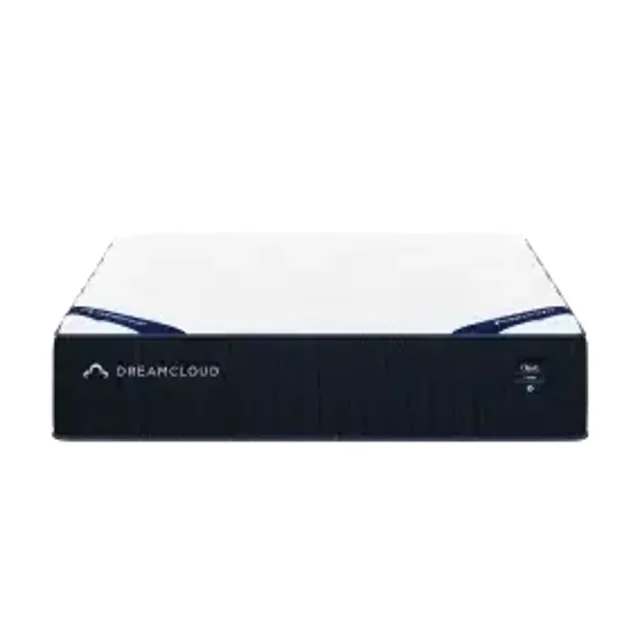
- Buy DreamCloud Classic Hybrid A firm, supportive hybrid with a 365-night trial and a Forever Warranty. Amazon
- Buy Brooklyn Bedding Signature Hybrid A factory-direct hybrid that comes in three firmness levels, with an optional pillow top. Amazon
- It depends Nectar Classic Memory Foam A budget memory foam bed that suits lighter side sleepers who go in with clear expectations. Amazon
- Skip Zinus 12" Green Tea Memory Foam A cheap mattress that is fine for a guest room and a false economy for every night. Amazon
What actually matters
- Construction type - hybrid (coils plus foam) versus all-foam is the single most important decision; it drives support, cooling, and how long the bed lasts.
- Firmness fit - the right firmness depends on your sleep position and body weight, not on which word sounds nicer; 'universal comfort' beds are a compromise for everyone.
- Support and spinal alignment - a good mattress keeps your spine roughly straight in your usual position; feeling soft and being supportive are different things.
- Temperature regulation - dense foam traps heat; coils and breathable covers move air. If you sleep hot, this belongs near the top of your list.
- Durability signals - long-term owner reports are the best early-warning system for sagging and body impressions, because every mattress feels fine on night one.
- Motion isolation and edge support - couples care about not feeling a partner move; edge support determines whether the whole surface is usable or just the middle.
- The safety net - trial length, return logistics, and warranty terms vary enormously, and marketplace purchases can silently swap the brand's generous trial for a retailer's short return window.
The specs, in plain English
Green flags vs red flags
Green flags
- Hybrid construction (pocketed coils plus foam) at a mid-range tier
- A choice of firmness levels instead of one-feel-fits-all
- A home trial measured in months - ideally a full year - with free returns the brand arranges
- The listing states 'fiberglass-free' plainly and describes the flame barrier
- Owner reports that stay positive in year two and three, not just week one
- The brand manufactures its own beds or publishes foam density specs
Red flags
- An ultra-low price on an all-foam bed pitched as an every-night mattress
- Long-term owner reports describing body impressions, sagging, or a 'hammock' feel within a couple of years
- Vague or missing trial terms, or a 'trial' that turns out to be the marketplace retailer's short return window
- Cooling claims built entirely on cover fabric while the core is dense heat-trapping foam
- No mention of the flame barrier or fiberglass anywhere on a budget listing
- A warranty that excludes body impressions until they're very deep - that's where cheap foam fails first
Who's who: the brands
- DreamCloud - Direct-to-consumer maker of hybrid and memory foam beds, with a 365-night trial and a Forever Warranty.
- Brooklyn Bedding - Factory-direct maker that assembles its beds in its own Arizona factory and offers multiple firmness levels.
- Nectar - High-volume budget memory foam brand; loved by side sleepers for pressure relief, with well-documented heat and long-term sagging trade-offs.
- Zinus - A marketplace ultra-budget bestseller; fine for guest rooms, but owner reports describe softening sooner than mid-range beds.
- Helix - Quiz-driven hybrid brand that matches sleepers to a model by position and body type instead of selling one universal bed.
- Saatva - Sells more traditional innerspring and hybrid builds delivered flat with white-glove setup - a reminder that 'direct to consumer' doesn't have to mean compressed in a box.
How to read a listing without getting fooled
Start with construction, because it's the one thing marketing has a hard time disguising: look for the word 'coil' in the layer breakdown - if it isn't there, you're buying an all-foam bed no matter how the listing is styled. Next, translate the firmness label using the position rule (softer for side, firmer for stomach) rather than trusting 'universal comfort.' Treat cooling claims skeptically: a 'cooling cover' over a dense foam core is a fabric, not a fix - real airflow comes from coils. Then read the trial and warranty like a contract: how long is the trial, who pays for return shipping, does the warranty cover body impressions and at what depth, and does buying through a marketplace swap the brand's trial for the retailer's return policy? Finally, skim long-term owner reports specifically for the words 'sagging,' 'impression,' and 'year' - first-week reviews tell you almost nothing, because in this category everything feels good for a month.
How much should you spend?
What drives cost in a boxed mattress is mostly what's inside: steel coils, denser foams, and firmness options cost more to build than a stack of light foam, and that difference is exactly where durability lives. The value sweet spot for an every-night bed is a mid-range hybrid - that's where you get real coil support, decent cooling, and a multi-year lifespan without paying for luxury-tier extras like zoned coils or organic latex that most sleepers won't notice. Spending more makes sense if you're a heavier sleeper, you sleep hot, or you want a specific firmness build; it stops making sense when the extra money buys branding and cover fabric rather than construction. Going ultra-cheap is a false economy for a primary bed - the checkout number is low, but the bed's usable life is often much shorter than that of a mid-range hybrid - though it's a perfectly rational choice for a guest room or short-term setup. And whatever you spend, be wary of the constant 'sale': crossed-out prices can mislead, so judge only the price you actually pay.
Questions, answered
Does compressing a mattress into a box damage it?
No - quality foams and coils are engineered to be compressed, rolled, and vacuum-sealed at the factory. Full expansion (and the fading of any new-foam smell) can take a day or two. Slow or uneven expansion is itself a signal: it shows up far more often in owner reports of ultra-budget foam.
Hybrid or all-foam - how do I actually choose?
Choose a hybrid if the bed is your every-night mattress, you weigh more than average, you sleep hot, or you plan to keep it for years - coils win on support, cooling, and lifespan. Choose all-foam if you're a lighter side sleeper who wants maximum pressure relief, or a couple prioritizing motion isolation, and you accept warmer sleep and a shorter usable life.
What firmness should I get for my sleep position?
Side sleepers often want soft to medium so shoulders and hips can sink and keep the spine straight. Stomach sleepers need firm support so hips don't hammock. Back sleepers do well with medium to medium-firm. Combination sleepers who change position at night are usually happiest on a responsive medium - or on a brand that lets them pick a firmness rather than forcing one feel on everyone.
Are the home trials real, and how do returns work?
Terms vary, so read each brand's trial policy before you buy. Two cautions: give any new mattress a few weeks before judging it, since your body needs adjustment time; and check whether a marketplace purchase follows the retailer's shorter return window instead of the brand's trial.
How long should a bed-in-a-box last, and how do I know it's worn out?
Lifespan varies by build, body weight, and care; a hybrid often outlasts an all-foam bed, and ultra-budget foam can show wear within a few years under nightly adult use. The signs: visible body impressions, new morning aches, and a roll-together dip in the middle of the bed.
What was the fiberglass problem with cheap mattresses?
Some budget beds have used a fiberglass inner sock as a flame barrier. If the outer cover was unzipped, glass fibers could escape and contaminate a home. Many makers now market their beds as fiberglass-free, but on any budget listing it's worth confirming those words explicitly, and you should never remove a cover the manufacturer says should stay on.
Or jump to the head-to-head: DreamCloud Classic Hybrid vs Brooklyn Bedding Signature Hybrid.