

Home & Kitchen
The Best Mattresses in a Box: 4 Compared (and One to Skip)
We compared four popular bed-in-a-box mattresses on feel, support, cooling, and durability - two clear buys, one conditional pick, one skip.
The short version
After weighing maker specifications and owner reports, the DreamCloud Classic Hybrid is our top mattress-in-a-box pick: coil support, a firm feel for back and stomach sleepers, and a 365-night trial with a Forever Warranty. The Brooklyn Bedding Signature Hybrid is the close runner-up, and the better call for combination sleepers because it ships in three firmness levels. The Nectar Classic Memory Foam is a fair budget buy only for lighter side sleepers. Owners say it sleeps warm and heavier owners report early sagging. Skip the Zinus Green Tea: it is cheap for a reason, with owner reports of rapid softening. Buy a hybrid if you plan to keep the bed for years. Best for: back and stomach sleepers who want a firm, supportive boxed bed with a long safety net.
Our picks at a glance
- DreamCloud Classic Hybrid - Buy. A firm, supportive hybrid with a 365-night trial and a Forever Warranty.
- Brooklyn Bedding Signature Hybrid - Buy. A factory-direct hybrid that comes in three firmness levels, with an optional pillow top.
- Nectar Classic Memory Foam - It depends. A budget memory foam bed that suits lighter side sleepers who go in with clear expectations.
- Zinus 12" Green Tea Memory Foam - Skip. A cheap mattress that is fine for a guest room and a false economy for every night.
The verdict in 30 seconds
What mattered most
- Construction
- Feel & firmness
- Best sleep position
- Cooling
- Motion isolation
- Edge support
A mattress in a box promises a real bed shipped to your door, a long home trial, and no showroom haggling, and the best of them are serious alternatives to store-bought beds. But the category also hides a lot of foam that feels great for six months and sags by year two. We compared two well-built hybrids, a budget memory foam favorite, and a long-running ultra-cheap bestseller. Two are easy recommendations, one makes sense only for a specific sleeper, and one we'd skip outright.
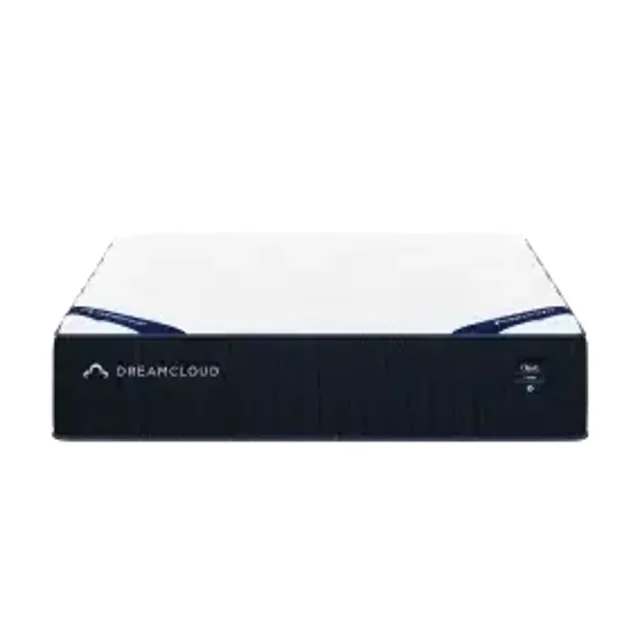
A firm, supportive hybrid with a 365-night trial and a Forever Warranty.
Best for: Back and stomach sleepers who want a firm, supportive all-rounder with a long safety net
- Individually-wrapped coils plus 1 inch of memory foam give firm support for back and stomach sleepers
- Quilted top with cooling fibers
- 365-night home trial and Forever Warranty
- Maker states it is 100% fiberglass-free and CertiPUR-US certified
- The maker calls the feel firm with minimal contouring, so side sleepers who want deep sink may find it too firm
- Motion transfer may be higher than on memory-foam beds, which light-sleeping couples may notice
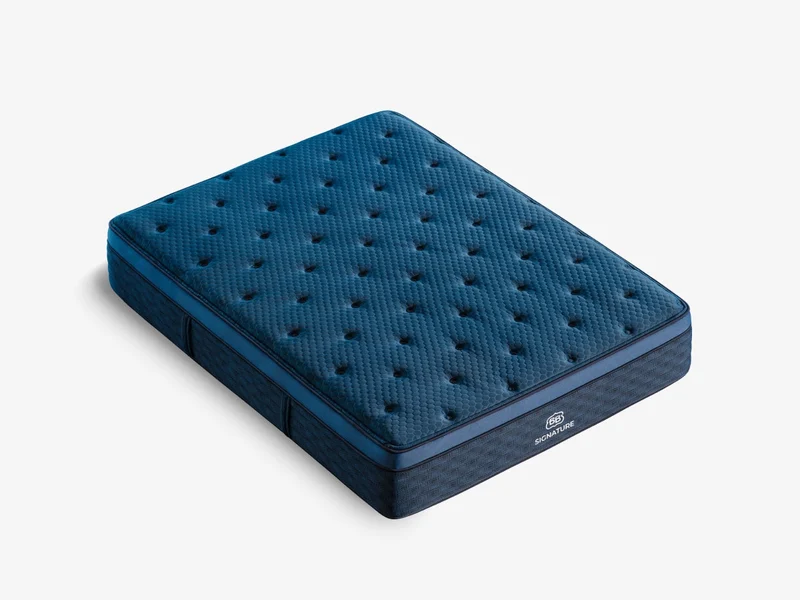
A factory-direct hybrid that comes in three firmness levels, with an optional pillow top.
Best for: Combination sleepers and anyone who wants to pick their exact firmness instead of accepting one-feel-fits-all
- Choice of soft, medium, or firm
- Assembled in the company's own Arizona factory; the maker says it is made in America using foreign and domestic components
- Encased coils, with CertiPUR-US certified foams
- 365-night trial and a limited lifetime warranty
- The pillow top is an optional upgrade, not standard
- The cooling pillow top costs extra
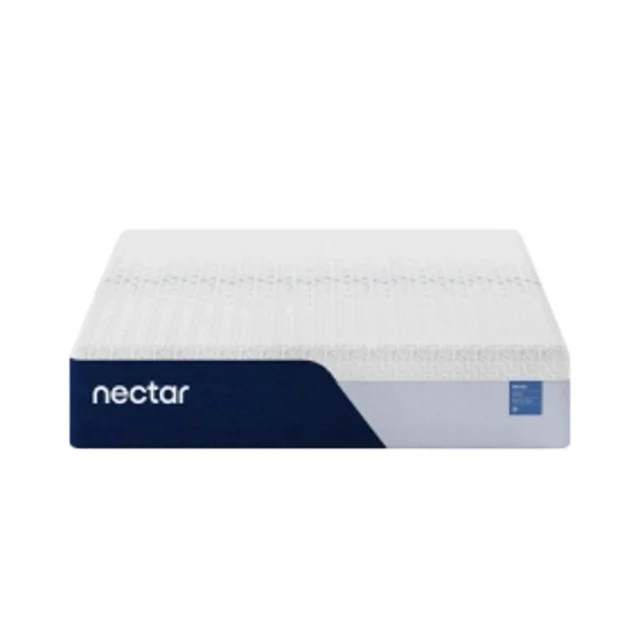
A budget memory foam bed that suits lighter side sleepers who go in with clear expectations.
Best for: Side sleepers under average body weight who want maximum pressure relief for minimum outlay
- Memory foam contouring that many side sleepers like
- Maker lists a motion-minimizing transition layer
- 365-night trial and Forever Warranty at a budget tier
- Some owners report body impressions and sagging within a few years, especially heavier sleepers and couples
- Owners say it sleeps warmer than the marketing suggests, and edge support is weaker than on a hybrid
- Frequent 'sale' pricing makes the sticker discount less meaningful than it looks
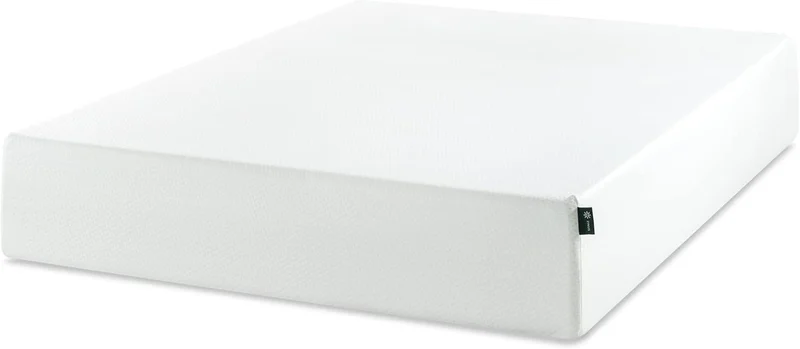
A cheap mattress that is fine for a guest room and a false economy for every night.
Best for: Guest rooms, dorms, and short-term setups - not a primary bed you plan to keep for years
- Inexpensive and widely available
- Comfortable out of the box for lighter bodies and occasional use
- Owner reports describe softening and sagging sooner than mid-range rivals
- Support can fade for average and heavier body weights; edge support is minimal
- Zinus.com now lists a Balanced Comfort line instead of this 12 inch model, so check what you are actually buying
- Slow expansion and off-gassing reported in the first days
| Criteria | DreamCloud Classic Hybrid Top pick Buy it Buy | Brooklyn Bedding Signature Hybrid Buy it Buy | Nectar Classic Memory Foam It depends Buy | Zinus 12" Green Tea Memory Foam Skip it Buy |
|---|---|---|---|---|
| Best for | Back and stomach sleepers who want a firm, supportive all-rounder with a long safety net | Combination sleepers and anyone who wants to pick their exact firmness instead of accepting one-feel-fits-all | Side sleepers under average body weight who want maximum pressure relief for minimum outlay | Guest rooms, dorms, and short-term setups - not a primary bed you plan to keep for years |
| Price tier | $$ · mid-range | $$ · mid-range | $ · budget | $ · budget |
| Construction | Hybrid: coils + gel memory foam, quilted top | Hybrid: coils + pillow-top foam | All-foam memory foam | All-foam memory foam |
| Feel & firmness | Firm (maker), minimal contouring | Soft, medium, or firm, you choose | Medium-firm (maker) | Medium, soft-leaning as it ages |
| Best sleep position | Back and stomach | All positions (pick your firmness) | Side (lighter bodies) | Side/back, lighter bodies only |
| Cooling | Cooling fibers in the top, coil layer | Cooling cover; optional cooling pillow top | Owners say warmer than advertised | Owners say dense foam retains heat |
| Motion isolation | Individually-wrapped coils | Encased coils | Motion-minimizing layer (maker) | Foam only |
| Edge support | Reinforced edge (maker) | Edge support (maker) | Weaker per owners | Minimal |
| Trial & warranty | 365-night trial, Forever Warranty | 365-night trial, limited lifetime warranty | 365-night trial, Forever Warranty | 100-night trial on Zinus.com, 10-year warranty |
| Price tier | $$ · mid-range | $$ · mid-range | $ · budget | $ · budget |
Which one is right for you?
- Back and stomach sleepers who want a firm, supportive all-rounder with a long safety net Buy it DreamCloud Classic Hybrid
- Combination sleepers and anyone who wants to pick their exact firmness instead of accepting one-feel-fits-all Buy it Brooklyn Bedding Signature Hybrid
- Side sleepers under average body weight who want maximum pressure relief for minimum outlay It depends Nectar Classic Memory Foam
- Guest rooms, dorms, and short-term setups - not a primary bed you plan to keep for years Skip it Zinus 12" Green Tea Memory Foam
How we judged the field
We don’t run a mattress lab. What we do is synthesize the sources that matter: maker specifications on construction and firmness; long-term owner reports that reveal how a bed holds up in year two and three; and the fine print on trials and warranties that brands hope you skim. For this comparison we weighted four things most heavily: spinal support across body types, durability signals in owner reports, temperature regulation, and the strength of the safety net - because with a bed you can’t try in a store, the trial and warranty are part of the product. We also paid attention to a pattern unique to this category: nearly every boxed mattress feels good for the first month. The differences show up later, so long-term owner feedback counted more than first-night impressions.
DreamCloud Classic Hybrid
Buy itThe DreamCloud Classic Hybrid is a firm, supportive hybrid. A layer of individually-wrapped coils provides pushback and keeps the spine aligned for back and stomach sleepers, with 1 inch of memory foam and a quilted top with cooling fibers over the top. DreamCloud describes the feel as firm with minimal contouring, so it is not the plush, sink-in bed some people expect from a hybrid. The trial-and-warranty package helps: a 365-night trial and DreamCloud’s Forever Warranty, and the maker states it is 100% fiberglass-free and CertiPUR-US certified. It isn’t perfect: dedicated side sleepers who love deep contouring may find it too firm. But as a supportive all-rounder for back and stomach sleepers, it’s the strongest package here.
Brooklyn Bedding Signature Hybrid
Buy itBrooklyn Bedding assembles the Signature Hybrid in its own Arizona factory and sells it direct, with encased coils under CertiPUR-US certified foams. The headline feature is choice: soft, medium, or firm, so side sleepers, back sleepers, and stomach sleepers can each get an appropriate build instead of the one-feel-fits-all compromise the category usually forces. Brooklyn Bedding lists the soft as best for side sleepers, the medium for combination sleepers, and the firm for back and stomach sleepers. It also matches the DreamCloud’s safety net, with a 365-night trial and a limited lifetime warranty. The trade-offs are that the pillow top is an optional upgrade, and the cooling pillow top costs extra. If you know your firmness preference or you sleep in every position, this is arguably the smarter buy; it lost the top spot mainly because DreamCloud’s Classic is the simpler pick for back and stomach sleepers.
Nectar Classic Memory Foam
It dependsThe Nectar Classic is a well-known budget memory foam bed: the cradling contour is what many side sleepers want, and the 365-night trial plus Forever Warranty are strong at this tier. The maker describes it as medium-firm with a cooling gel layer and edge support, and states it is 100% fiberglass-free. So why ‘it depends’? Because the compromises are specific. Owners report it sleeps warmer than the cooling-cover marketing suggests, and edge support is weaker than on a hybrid. The most consistent theme in long-term owner reports is early body impressions, with heavier sleepers and couples describing visible dips developing within a couple of years. If you’re a lighter-weight side sleeper who wants pressure relief for minimum outlay, the Nectar is a fair deal and the trial protects you. If you’re heavier, sleep hot, or share the bed, spend up to a hybrid.
Zinus 12” Green Tea Memory Foam
Skip itThe Zinus Green Tea is a long-running marketplace bestseller, and we understand the temptation: it costs a fraction of everything else here and reviews well on night one. But this is the clearest false economy in the category. Owner reports describe the same arc again and again: comfortable for months, then softening, body impressions, and a hammock feel sooner than mid-range beds, especially under average and heavier adults. Edge support is minimal, and the foam-heavy build can run warm. One more flag: Zinus.com now lists a Balanced Comfort line rather than this 12 inch model, so confirm exactly what is on the listing, including any fiberglass-free statement. For a guest room that sees a dozen nights a year, it’s serviceable. As your every-night mattress, skip it.
DreamCloud Classic Hybrid vs Brooklyn Bedding Signature Hybrid: which should you buy?
These two are closer than the rankings suggest, and the right choice depends on how you sleep. Choose the DreamCloud if you sleep mostly on your back or stomach and want a firm, supportive surface with a 365-night trial and Forever Warranty. Choose the Brooklyn Bedding if you’re a side sleeper (take the soft), a strict stomach sleeper (take the firm), or a combination sleeper who wants to pick the firmness. Both list a 365-night trial. Customization is the decisive edge for Brooklyn Bedding. There is no wrong answer here, which is exactly why they’re the two buys.
What to look for
- Coils if you can afford them. Hybrid construction tends to give better long-term support and cooler sleep than all-foam.
- Match firmness to position. Side sleepers need softer shoulders; stomach sleepers need firm hips. One-feel beds are a compromise - brands offering firmness choices remove it.
- Read the trial fine print. Length varies by brand, and marketplace purchases may follow the retailer’s return rules instead of the brand’s.
- Check your body weight against the bed. All-foam budget beds can soften fast above average body weight; owner reports are the best early-warning system.
- Confirm ‘fiberglass-free’ on budget beds. It should be stated plainly on the listing.
- Ignore sticker discounts. Frequent sales are common in this industry; judge the price you actually pay, not the crossed-out number.
Our final take
The bed-in-a-box market has matured into two classes: hybrids that compete with store-bought mattresses, and budget foam that trades lifespan for a lower checkout number. The DreamCloud Classic Hybrid is the best overall package for back and stomach sleepers: firm, supportive, and backed by a 365-night trial and Forever Warranty. The Brooklyn Bedding Signature Hybrid matches it on trial and warranty and beats it on personalization, making it the better buy for side and combination sleepers. The Nectar Classic remains a defensible budget pick for lighter side sleepers who accept its heat and durability compromises. And the Zinus Green Tea, bestseller or not, is the one we’d leave in the box.
Questions, answered
How does a mattress in a box actually work, and does compression damage it?
The mattress is compressed, rolled, and vacuum-sealed at the factory, then expands when you unbox it. Quality foams and coils are engineered for this. Full expansion (and the fading of any new-foam smell) can take a day or two. Cheaper foams sometimes expand slowly or unevenly - one of the recurring complaints in Zinus owner reports.
Hybrid or all-foam - which should I choose?
Hybrids (coils plus foam, like the DreamCloud and Brooklyn Bedding) sleep cooler, support more body weight, and tend to last longer. All-foam beds (Nectar, Zinus) cost less, but they often run warmer and soften sooner, especially under heavier sleepers. If the bed is your every-night mattress and you weigh more than average, owner reports point toward a hybrid.
Do boxed mattresses really honor their home trials?
Check the terms before you buy. DreamCloud, Nectar, and Brooklyn Bedding each list a 365-night trial on their own sites, while Zinus lists 100 nights on Zinus.com, and marketplace purchases may follow the retailer's shorter return window instead. Give any new mattress a few weeks before judging it; your body needs time to adjust.
What was the fiberglass issue with cheap mattresses?
Some budget mattresses have used a fiberglass inner sock as a flame barrier. If the outer cover is removed, glass fibers can escape and contaminate a home. DreamCloud and Nectar each state their mattresses are 100% fiberglass-free, but it's worth confirming 'fiberglass-free' on any mattress listing before you buy, and never unzip a cover the maker says shouldn't come off.
How long should a bed-in-a-box mattress last?
It varies by build, body weight, and care, and a hybrid often outlasts an all-foam bed. The warning signs of a worn-out mattress are visible body impressions, new aches in the morning, and a roll-together dip in the middle. Owner reports suggest ultra-budget foam beds like the Zinus can show these signs within a few years under nightly adult use, which is why we don't recommend them as primary beds.
Deciding between the top two? See our head-to-head: DreamCloud Classic Hybrid vs Brooklyn Bedding Signature Hybrid.
More in Home & Kitchen
Mattresses in a Box, Explained Plain-English guide → DreamCloud Classic Hybrid vs Brooklyn Bedding Signature Hybrid Head-to-head →  The Best Electric Meat Grinders for Home Use: 4 Compared (and One to Skip)
  The Best Countertop Microwaves: 4 Compared (and One to Skip)
  The Best Mouse Traps: 4 Compared (and One to Skip)
  The Best Mug Warmers: 4 Compared (and One to Skip)