

Home & Kitchen
The Best Countertop Microwaves: 4 Compared (and One to Skip)
We looked at four current countertop microwaves on heating evenness, inverter power, sensor accuracy, controls, noise, and reliability.
The short version
For most kitchens, the Panasonic NN-SN686SR is the one to buy: its inverter keeps power steady instead of pulsing, so reviewers report more even reheats and fewer cold centers, and its Genius sensor takes the guesswork out. The Toshiba EM131A5C-BS is the smart value choice, matching most of the features and adding a mute option for less, at the cost of slightly less even heating. The Breville the Smooth Wave heats beautifully and runs quiet, but it only makes sense if quiet operation and build quality justify a premium price. Skip the GE JES1145SHSS: it is compact, heats unevenly, lacks real sensor cooking, and still asks mid-range money. Best for: buyers who want even, reliable reheating without overpaying should choose the Panasonic.
Our picks at a glance
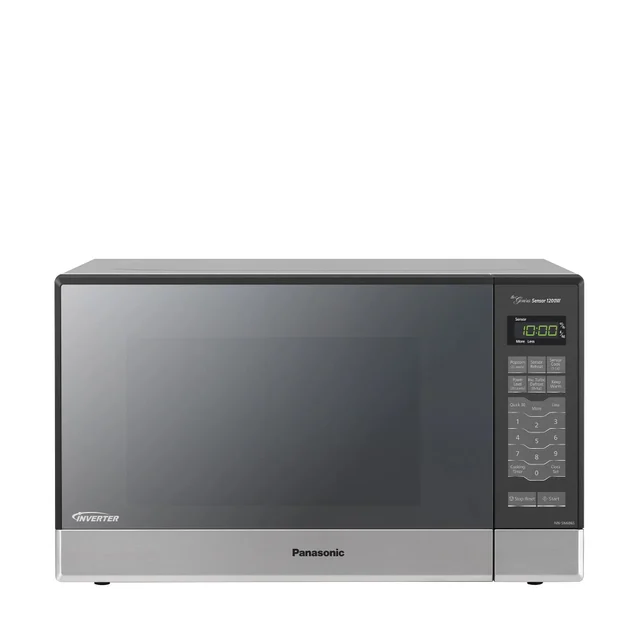
- Panasonic NN-SN686SR Inverter Microwave - Buy. The most consistent heater of the group, thanks to genuine inverter power and a reliable sensor.
- Toshiba EM131A5C-BS - Buy. The value pick: a well-sized sensor microwave that does the basics well for budget money.
- Breville the Smooth Wave (BMO850) - It depends. A beautifully built, quiet inverter microwave that costs a lot for a plain microwave.
- GE JES1145SHSS - Skip. A trusted badge on a compact, dated unit that heats unevenly and asks mid-range money.
The verdict in 30 seconds
What mattered most
- Heating evenness
- Inverter technology
- Sensor cooking
- Capacity & footprint
- Controls & display
- Noise & door
A countertop microwave is judged on boring-but-decisive things: does it heat evenly, does the sensor guess well, and will the keypad still work in two years? We synthesized independent bench testing, expert hands-on reviews, and aggregated owner reports to sort four popular models into buckets. Two are easy recommendations, one is a premium pick that only makes sense for certain buyers, and one is a name-brand unit we would pass on.
The most consistent heater of the group, thanks to genuine inverter power and a reliable sensor.
Best for: Most households that want the best everyday heating without paying premium money.
- Inverter delivers steady low power instead of pulsing full-blast, so reviewers report fewer rubbery edges and cold centers
- Genius humidity sensor reheats and defrosts with little guesswork
- Mid-size cavity that reviewers say fits most dinner plates and casserole dishes
- Owner reports skew strongly positive on long-term reliability
- Mirror-finish door and keypad show fingerprints
- Beeps are loud and owners report no full mute
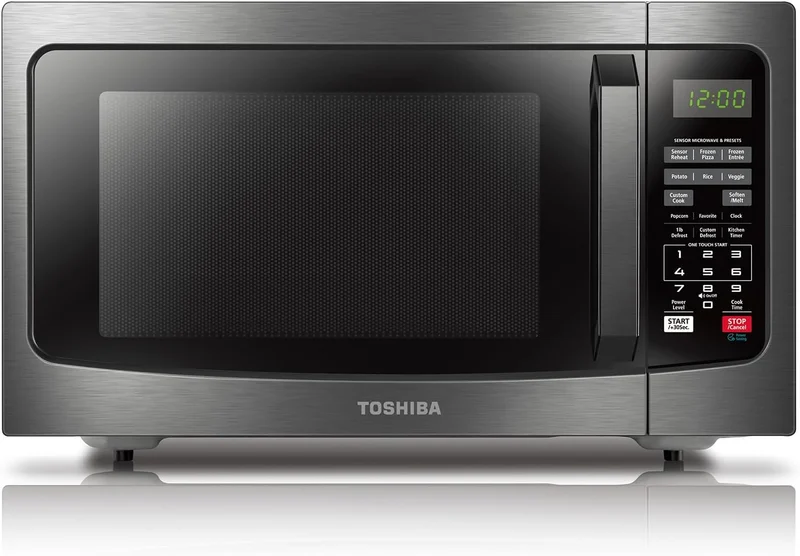
The value pick: a well-sized sensor microwave that does the basics well for budget money.
Best for: Budget shoppers, first apartments, and offices that want sensor cooking without spending much.
- Humidity sensor and one-touch presets that independent testing found genuinely useful
- Strong defrosting performance in hands-on tests, with evenly thawed edges
- Owners report a mute function for the beeps
- Removable, easy-clean interior and a generous turntable
- Standard magnetron (no inverter), so heating can be less even than the Panasonic
- A minority of owners report an unresponsive touch panel or clock drift over time
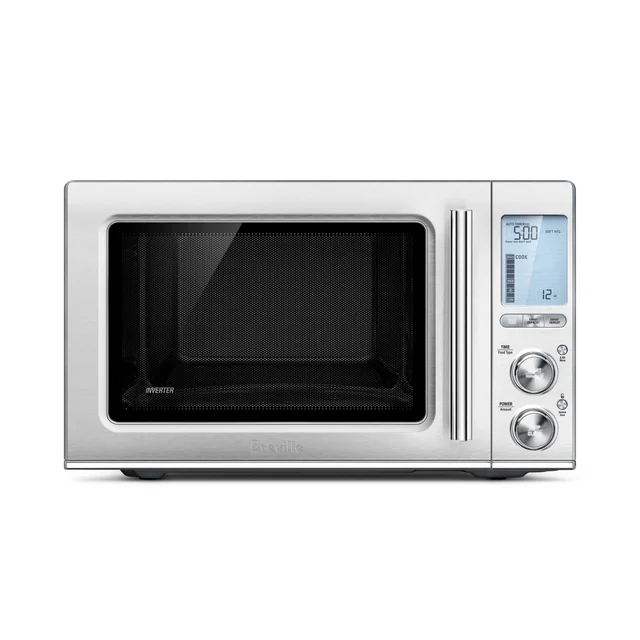
A beautifully built, quiet inverter microwave that costs a lot for a plain microwave.
Best for: Design-focused buyers who value quiet operation and build quality and will pay for it.
- Power-smoothing inverter plus Sensor iQ produce very even heating in independent testing
- Quiet operation that owners praise
- Premium brushed-stainless build and a clear LCD with intuitive dial controls
- Deep menu of smart presets
- Priced well above rivals that heat nearly as evenly
- Large footprint eats counter space; some owners dislike the unlit clock and popcorn preset
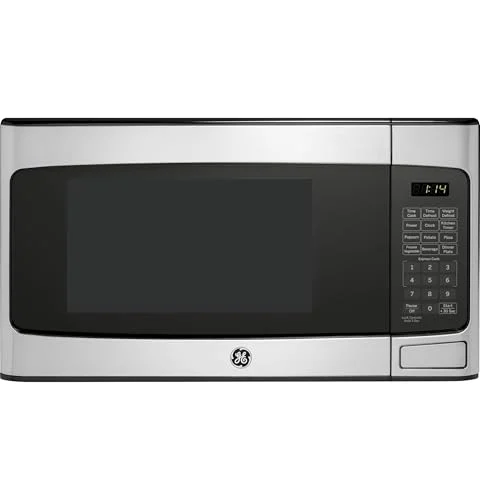
A trusted badge on a compact, dated unit that heats unevenly and asks mid-range money.
Best for: Almost no one over the Toshiba; only a very tight counter where size beats performance.
- Compact body fits tight counters and dorm setups
- Familiar brand with widely available parts and service
- Simple, no-nonsense keypad
- Independent testing rated it only fair for heat evenness, with hot and cold spots
- No true sensor cooking; only time and weight programs
- Owners commonly complain about a loud door and a hard-to-read display
- Priced like a mid-size unit despite compact capacity and modest features
| Criteria | Panasonic NN-SN686SR Inverter Microwave Top pick Buy it Buy | Toshiba EM131A5C-BS Buy it Buy | Breville the Smooth Wave (BMO850) It depends Buy | GE JES1145SHSS Skip it Buy |
|---|---|---|---|---|
| Best for | Most households that want the best everyday heating without paying premium money. | Budget shoppers, first apartments, and offices that want sensor cooking without spending much. | Design-focused buyers who value quiet operation and build quality and will pay for it. | Almost no one over the Toshiba; only a very tight counter where size beats performance. |
| Price tier | $$ · mid-range | $ · budget | $$$ · premium | $$ · mid-range |
| Heating evenness | Excellent - steady inverter power | Good - occasional cold spots | Excellent - power-smoothing inverter | Fair - noticeable hot/cold spots |
| Inverter technology | Yes | No (standard magnetron) | Yes | No (standard magnetron) |
| Sensor cooking | Yes - Genius humidity sensor | Yes - humidity sensor | Yes - Sensor iQ | No - time/weight only |
| Capacity & footprint | Mid-size | Mid-size | Large footprint | Compact |
| Controls & display | Clear membrane keypad | Simple keypad, mute option | Dial + presets, LCD | Basic keypad, dim display |
| Noise & door | Standard latch, loud beeps | Beeps, mute option | Very quiet | Loud door clang |
| Reliability reports | Strong, few complaints | Mostly good; some panel gripes | Good; premium build | Mixed; door/display gripes |
| Price tier | $$ · mid-range | $ · budget | $$$ · premium | $$ · mid-range |
Which one is right for you?
- Most households that want the best everyday heating without paying premium money. Buy it Panasonic NN-SN686SR Inverter Microwave
- Budget shoppers, first apartments, and offices that want sensor cooking without spending much. Buy it Toshiba EM131A5C-BS
- Design-focused buyers who value quiet operation and build quality and will pay for it. It depends Breville the Smooth Wave (BMO850)
- Almost no one over the Toshiba; only a very tight counter where size beats performance. Skip it GE JES1145SHSS
How we judged the field
We do not run our own microwave lab. Instead, we read across independent bench testing, expert hands-on reviews, and a large volume of aggregated owner reports, then weighed the points where those sources agree. For a countertop microwave, a handful of things decide whether you will be happy a year from now:
- Heating evenness: the single biggest differentiator, and where inverter models pull ahead.
- Inverter vs standard magnetron: inverter units hold a true low power level instead of pulsing on and off.
- Sensor accuracy: a humidity sensor that stops the cycle when food is actually hot.
- Capacity and footprint: enough room for a dinner plate without dominating the counter.
- Controls, display, and noise: daily friction points that reviews and owners flag often.
- Reliability: what owner reports say about keypads, doors, and longevity.
Because we synthesize existing sources rather than test units ourselves, everything below is framed as what reviewers report, what independent testing found, or what owners note.
Panasonic NN-SN686SR Inverter Microwave
Buy itThis is the model that keeps earning the “best for most people” spot, and the reasoning holds up. Its inverter delivers steady power rather than pulsing full-blast, and independent testing consistently ties that to more even reheats and gentler defrosting. The Genius humidity sensor is dependable enough that most reheats become one-button affairs, and the mid-size cavity swallows standard dinner plates. Owner reports skew strongly positive on longevity, which is the quiet reason it stays recommended. The knocks are cosmetic and minor: the mirror door shows fingerprints, and the beeps are loud and owners report no full mute.
Toshiba EM131A5C-BS
Buy itThe Toshiba is the value play, and a genuinely good one. It brings a humidity sensor, useful one-touch presets, and a strong defrost performance that hands-on testing praised for evenly thawed edges, all for budget money. Owners also report a mute option for the beeps. The compromise is that it uses a standard magnetron rather than an inverter, so heating is a step less even than the Panasonic, and a minority of owners report an unresponsive touch panel or clock drift after extended use. For the price, those are easy trade-offs to accept.
Breville the Smooth Wave (BMO850)
It dependsThe Smooth Wave is the nicest object here by a distance: brushed-stainless build, quiet operation, and a clear LCD paired with intuitive dials. Its power-smoothing inverter and Sensor iQ produce very even heating in independent testing. The catch is price: it costs well above rivals that heat nearly as well, and it takes up a large slice of counter. Some owners also grumble about the unlit clock and the popcorn preset. If quiet operation, looks, and build quality genuinely matter to you and the premium is comfortable, it is a lovely buy. If you mostly want even reheats for less, it is hard to justify over the Panasonic.
GE JES1145SHSS
Skip itGE is a trusted badge, and this compact unit will slot onto a tight counter. But performance is where it falls down: independent testing rated its heat evenness only fair, with hot and cold spots, and it offers no true sensor cooking, only time and weight programs. Owners frequently mention a loud door and a display that is hard to read. Worst of all, it is often priced like a larger, more capable microwave despite its compact size and thin feature set. The Toshiba costs less and does more, which leaves the GE with almost no lane.
Panasonic NN-SN686SR Inverter Microwave vs Toshiba EM131A5C-BS: which should you buy?
These two are the heart of the decision. Both are well-sized, both have humidity sensors, and both earn positive owner sentiment. The Panasonic’s advantage is its inverter: reviewers report noticeably more even reheating and gentler defrosting, which is exactly what you feel most days. The Toshiba answers with a lower price, a mute option, and performance that is close enough for most people, held back mainly by standard-magnetron heating.
Choose the Panasonic if even heating is your priority and the modest step up in price is comfortable ; it is the better cooker and the safer long-term bet. Choose the Toshiba if you want to spend the least while still getting sensor cooking and solid results, or if a silenceable microwave matters to you. There is no wrong answer between them; there is only which trade-off fits your kitchen.
What to look for
- Inverter power for the most even reheating and defrosting, if your budget allows.
- A humidity sensor to take the guesswork out of reheats and popcorn.
- A cavity sized for a full dinner plate, checked against the maker’s stated capacity.
- A mute option if beeping bothers you or your household keeps odd hours.
- An easy-clean, removable interior and a turntable sized to your dishes.
- Owner reliability signals on keypads and doors, the two parts most likely to fail.
Our final take
Buy the Panasonic NN-SN686SR if you want the most even, reliable everyday heating without paying a premium; it is the pick for most kitchens. Buy the Toshiba EM131A5C-BS if value is the priority ; it gives up a little evenness and not much else for less money. Consider the Breville the Smooth Wave only if its quiet operation and premium build are worth the extra outlay to you. And skip the GE JES1145SHSS: the badge is trustworthy, but the microwave behind it is outclassed on the things that actually matter.
Questions, answered
Is an inverter microwave actually worth it?
For even reheating, yes. A standard microwave pulses full power on and off to simulate lower settings, which can overcook edges while centers stay cold. An inverter holds a genuine lower power level, and independent testing repeatedly finds inverter models like the Panasonic and Breville heat more evenly, especially on delicate foods and defrost. If you mostly reheat leftovers and thaw food, it is a real, noticeable upgrade.
What capacity and wattage should I look for?
For a main-kitchen microwave, a mid-size cavity comfortably fits dinner plates and most casserole dishes, which is why the Panasonic and Toshiba suit more households than the compact GE. Higher wattage generally means faster, and the class here is quick enough for popcorn and reheats; even heating and a good sensor matter more day to day than chasing the highest wattage number.
Does 'sensor cooking' really work?
Sensor cooking uses a humidity sensor to detect the steam released as food heats and stops the cycle when it is hot, rather than running a fixed time. In practice reviewers and owners find it convenient for reheating and popcorn on the Panasonic, Toshiba, and Breville. The GE lacks it, relying on time and weight programs, which is one reason it lands in our skip pile.
How do I keep a countertop microwave working for years?
Never run it empty, avoid metal and non-microwave-safe containers, wipe up spills so splatter does not bake onto the door seal, and use a cover to reduce mess. Owner reports suggest keypad and door issues are the most common long-term complaints across brands, so treating the touch panel gently and letting the door close rather than slamming it both help. This is general product guidance; always follow the manual that ships with your unit.
Which model should I skip, and why?
We would skip the GE JES1145SHSS. It carries a trusted badge, but independent testing rates its heat evenness only fair, it has no true sensor cooking, owners frequently mention a loud door and a dim display, and it is priced like a larger, more capable unit despite its compact size. The Toshiba costs less and does more.
Deciding between the top two? See our head-to-head: Panasonic NN-SN686SR Inverter Microwave vs Toshiba EM131A5C-BS.
More in Home & Kitchen
Countertop Microwaves, Explained Plain-English guide → Panasonic NN-SN686SR Inverter Microwave vs Toshiba EM131A5C-BS Head-to-head →  The Best Mouse Traps: 4 Compared (and One to Skip)
  The Best Mug Warmers: 4 Compared (and One to Skip)
  The Best Multi-Cookers & Electric Pressure Cookers, Ranked
  The Best Mushroom Grow Kits: 4 Compared (and One to Skip)