

Home & Kitchen
The Best Mouse Traps: 4 Compared (and One to Skip)
We compared classic snap traps, an easy-set plastic trap, an electronic trap and an ultrasonic repeller against CDC guidance and the FTC's record on ultrasonic devices.
The short version
The Victor Metal Pedal Mouse Trap is our pick: the classic wooden snap trap the CDC's advice points to, cheap enough to set several at once and reusable if you choose. The Tomcat Press 'N Set is the value pick for anyone who dreads setting a spring trap, with one-press setting and a grab tab for no-touch disposal. The Victor Electronic Mouse Trap suits people who never want to see a caught mouse, but it costs more and needs batteries. Skip the Victor PestChaser PRO ultrasonic repeller: the FTC has warned more than 60 makers and sellers of ultrasonic pest devices that their claims need scientific support. Best for: anyone dealing with mice indoors who wants them gone quickly.
Our picks at a glance
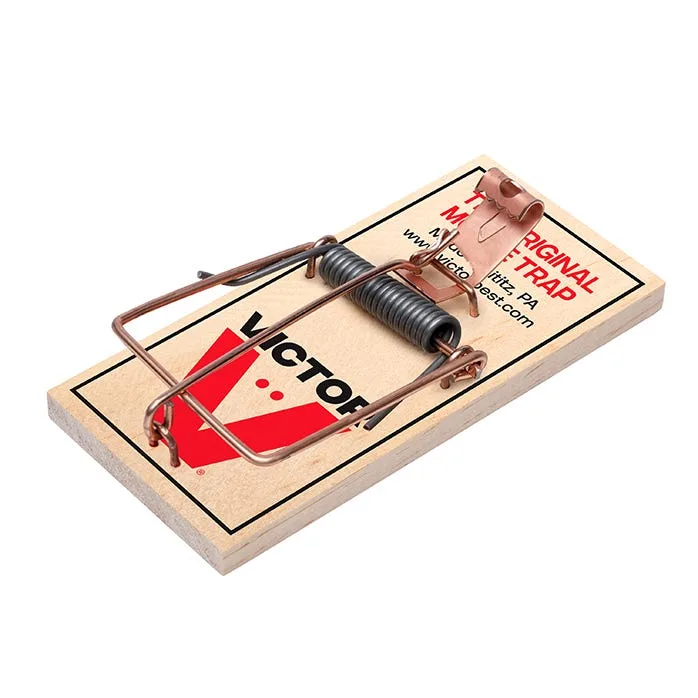
- Victor Metal Pedal Mouse Trap - Buy. The classic wooden snap trap: cheap, fast and the type of trap the CDC recommends.
- Tomcat Press 'N Set Mouse Trap - Buy. A plastic snap trap that sets with one press and lets you dispose of mice without touching them.
- Victor Electronic Mouse Trap (M250B) - It depends. A battery-powered tunnel trap that kills with a high-voltage shock and hides the catch.
- Victor PestChaser PRO Ultrasonic Rodent Repeller (M792) - Skip. A plug-in ultrasonic repeller, a product type the FTC has repeatedly challenged.
The verdict in 30 seconds
What mattered most
- Type
- CDC guidance
- Setting
- Disposal
- Power
- Reusable
A mouse in the house calls for a fast, clean fix, and the shelf is full of options that promise one. Public health guidance is clearer than the packaging: the CDC recommends traditional snap traps and advises against glue and live traps. Ultrasonic plug-ins have a long history with the Federal Trade Commission. We compared the classic wooden snap trap, a plastic snap trap, an electronic trap and a best-selling ultrasonic repeller.
The classic wooden snap trap: cheap, fast and the type of trap the CDC recommends.
Best for: Most homes with mice, especially where several traps are needed at once.
- A traditional snap trap, the type the CDC recommends for reducing rodent populations around the home.
- Victor calls it the world's No. 1 selling mouse trap and a trap of choice for professional pest control companies.
- Kills instantly when the metal pedal is triggered, and can be reused or thrown away.
- Setting a spring snap trap takes practice and can pinch fingers.
- You see and handle the catch unless you dispose of the whole trap.
- Needs placing where children and pets cannot reach.
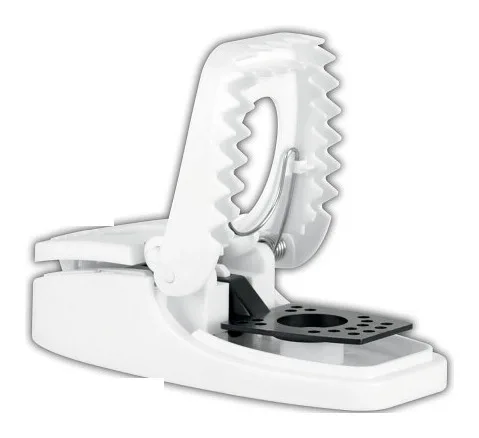
A plastic snap trap that sets with one press and lets you dispose of mice without touching them.
Best for: People who want snap-trap effectiveness without fiddly setting or touching the catch.
- Sets with a single press, which Tomcat says reduces the risk of pinched fingers.
- A grab tab lets you dispose of a caught mouse without direct contact.
- Non-toxic mechanical trap for indoor or outdoor use, backed by a satisfaction guarantee.
- Plastic body is less classic than wood but costs a little more per trap.
- Sold in packs of two, so larger problems need several packs.
- Still a snap trap, so place it away from children and pets.
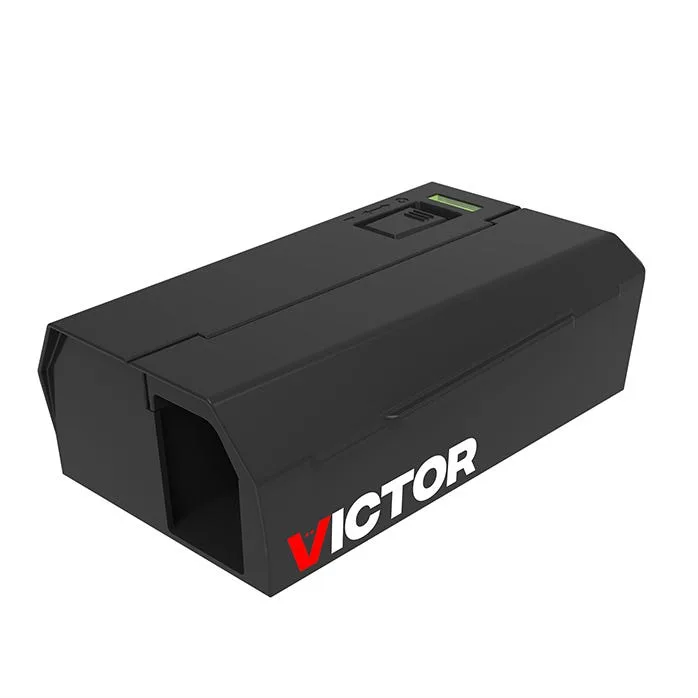
A battery-powered tunnel trap that kills with a high-voltage shock and hides the catch.
Best for: People who want mice gone but never want to see or handle one.
- No-See, No-Touch disposal: the mouse stays inside the tunnel and you tip it out.
- Kill-Switch technology shuts it off when the lid is opened, and beveled columns keep children and pets from reaching the plates.
- An LED flashes to tell you when a mouse has been caught.
- Needs 4 AA batteries, which are not included, and Victor's performance claims assume fully charged ones.
- One kill per setting, and it costs more than a handful of snap traps.
- Bulkier than a snap trap, so it fits fewer tight spots.
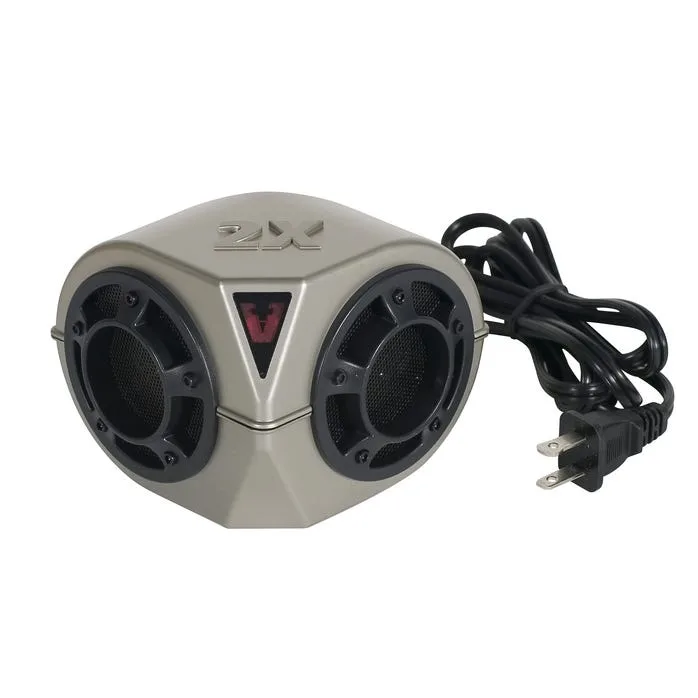
A plug-in ultrasonic repeller, a product type the FTC has repeatedly challenged.
Best for: No one relying on it as their main mouse control.
- Plug-in and forget, with a red LED to show it is on.
- No traps, no poison and no disposal.
- A 6 ft power cord allows flexible placement.
- The FTC warned more than 60 makers and sellers of ultrasonic pest devices that efficacy claims need competent and reliable scientific evidence.
- Earlier FTC complaints alleged that rodents become accustomed to ultrasound and return; Victor says varying frequencies prevent this.
- Victor advises keeping it away from pet rabbits and rodents, and one unit per room.
- Waiting on a repeller that may not work gives mice time to breed.
| Criteria | Victor Metal Pedal Mouse Trap Top pick | Tomcat Press 'N Set Mouse Trap | Victor Electronic Mouse Trap (M250B) | Victor PestChaser PRO Ultrasonic Rodent Repeller (M792) |
|---|---|---|---|---|
| Verdict | Buy it | Buy it | It depends | Skip it |
| Best for | Most homes with mice, especially where several traps are needed at once. | People who want snap-trap effectiveness without fiddly setting or touching the catch. | People who want mice gone but never want to see or handle one. | No one relying on it as their main mouse control. |
| Price tier | $ · budget | $ · budget | $$ · mid-range | $$ · mid-range |
| Type | Wooden snap trap | Plastic snap trap | Electronic tunnel trap | Ultrasonic plug-in repeller |
| CDC guidance | Snap traps recommended | Snap traps recommended | Not specifically covered | Not a trap |
| Setting | Spring, takes practice | One press | Bait, place, switch on | Plug in |
| Disposal | Lift the kill bar or toss the trap | Grab tab, no touch | Tip out, no see, no touch | None |
| Power | None | None | 4 AA batteries, not included | Mains outlet |
| Reusable | Yes, or disposable | Yes, or disposable | Yes | Yes |
| Evidence | Proven kill method | Proven kill method | Kills by shock | FTC has challenged the category |
| Best for | Most homes | Squeamish setters | Never seeing a mouse | Not recommended |
Which one is right for you?
- Most homes with mice, especially where several traps are needed at once. Buy it Victor Metal Pedal Mouse Trap
- People who want snap-trap effectiveness without fiddly setting or touching the catch. Buy it Tomcat Press 'N Set Mouse Trap
- People who want mice gone but never want to see or handle one. It depends Victor Electronic Mouse Trap (M250B)
- No one relying on it as their main mouse control. Skip it Victor PestChaser PRO Ultrasonic Rodent Repeller (M792)
How we judged the field
Five things decide whether a mouse control product is worth buying: whether it actually removes mice, how quickly it works, how easy it is to set, how you deal with the catch, and how safe it is around children and pets. Effectiveness comes first, because mice breed quickly and a slow or doubtful method gives a small problem time to grow. Disposal and setting matter because a trap you avoid using does nothing.
The field splits into kill traps, live and glue traps, and repellers. The CDC recommends traditional snap traps and advises against glue and live traps, and the FTC has challenged ultrasonic pest devices for decades. We picked a classic snap trap, an easy-set snap trap, an electronic trap and a popular ultrasonic repeller, then compared them against that guidance and the makers’ own details.
The Victor Metal Pedal Mouse Trap is the trap the rest are measured against. It is the classic wooden snap trap, which Victor calls the world’s No. 1 selling mouse trap, and Victor says professional pest control companies have made it their trap of choice. It is also the type of trap the CDC recommends for reducing rodent populations around the home. When a mouse triggers the metal pedal, the trap springs closed and kills it instantly, and you can lift the kill bar to reuse the trap or throw the whole thing away. Because it costs so little, you can set several at once along walls, which is how snap traps work best. The downsides are familiar: setting a spring takes practice and can pinch fingers, and you see the catch. Placed where children and pets cannot reach, it is the fastest, cheapest fix.
The Tomcat Press ‘N Set Mouse Trap keeps the snap-trap principle but removes the parts people dislike. It sets with a single press, which Tomcat says reduces the risk of pinched fingers, and a grab tab lets you drop a caught mouse in the trash without touching it, or pinch the trap open to reuse it. It is a non-toxic mechanical trap that works indoors or outdoors, and Tomcat backs it with a satisfaction guarantee. It comes in packs of two and costs a little more per trap than a wooden snap trap, so a larger problem means buying several packs. It is still a snap trap, so the same placement rules apply: along walls, near activity, away from children and pets. For anyone who has put off dealing with mice because setting a traditional trap feels risky, it is the easiest effective option.
The Victor Electronic Mouse Trap is for people who want mice gone but never want to see one. The mouse walks into a tunnel with beveled columns that guide it over the plates, a high-voltage shock kills it, and you tip it out without seeing or touching it. Kill-Switch technology cuts power when the lid is opened, the columns keep small hands and paws away from the plates, and an LED flashes to tell you a mouse is inside. The trade-offs are cost and upkeep. It needs 4 AA batteries, not included, and Victor’s performance claims assume they are fully charged. It handles one kill per setting, costs more than several snap traps, and is bulkier, so it fits fewer tight spots. If squeamishness is what stops you from trapping, it is worth the extra money.
The Victor PestChaser PRO is a plug-in ultrasonic repeller, and it is the product we would skip. Victor says it drives away rodents with high-frequency sound and uses varying frequencies so rodents do not get used to it. The FTC has a long record on this category. It warned more than 60 makers and sellers of ultrasonic pest-control devices that efficacy claims must be backed by competent and reliable scientific evidence, and earlier FTC complaints alleged that rodents become accustomed to ultrasound and return to nesting and feeding areas. Victor also advises using one unit per room and keeping it away from pet rabbits and rodents. The real cost is time: while you wait to see whether a repeller works, mice keep breeding. Snap traps and sealing entry points solve the problem with far more certainty.
Victor Metal Pedal Mouse Trap vs Tomcat Press ‘N Set Mouse Trap: which should you buy?
The Victor Metal Pedal and the Tomcat Press ‘N Set are both snap traps, the type the CDC recommends. The Victor is cheaper per trap, easy to buy in bulk and proven, but it takes a careful hand to set. The Tomcat sets with one press and has a grab tab for no-touch disposal, at a slightly higher price.
If you are comfortable setting a spring trap and want to put out many at once, buy the Victors. If setting traps makes you nervous or you do not want to touch the catch, buy the Tomcat. Either way, set several traps along walls near signs of activity.
What to look for
- A proven kill method: snap traps are what the CDC recommends for mice in the home.
- Several traps, not one: mice travel along walls, so set traps in a line where you see activity.
- Easy, safe setting: one-press traps lower the risk of pinched fingers.
- No-touch disposal: grab tabs and enclosed traps make cleanup less unpleasant.
- Child and pet safety: place traps out of reach or choose enclosed designs.
- Skip the gadgets: ultrasonic repellers have a long record of challenged claims.
Our final take
Trap, do not repel. The Victor Metal Pedal Mouse Trap is our pick because it is the classic snap trap the CDC’s guidance points to, cheap enough to set several at once. The Tomcat Press ‘N Set is the value choice for easy setting and no-touch disposal. The Victor Electronic Mouse Trap is worth it if you never want to see a mouse. Skip ultrasonic plug-ins like the Victor PestChaser PRO: the FTC has challenged the category for decades, and waiting on one gives mice time to multiply. Seal their entry points once the traps go quiet.
Questions, answered
What kind of mouse trap works best?
The CDC recommends traditional snap traps for reducing rodent populations around the home. They are cheap, fast and effective when placed correctly. Electronic traps also kill, at higher cost. Whatever you choose, use several traps at once rather than one.
Where should I put mouse traps?
The CDC advises placing traps on the floor against the wall, with the baited end touching the wall so the trap forms a T. Mice prefer to run along walls. Put traps where you see droppings, gnaw marks or nesting material, such as behind appliances and inside cabinets.
Are live traps or glue traps better for mice?
The CDC says not to use glue traps and live traps, because they can scare rodents and cause them to urinate, which can increase your chance of getting sick. Snap traps kill quickly instead. Live traps also leave you with a live mouse to release.
Do ultrasonic repellers work?
The evidence is poor. The FTC warned more than 60 makers and sellers of ultrasonic pest devices that their claims need scientific support, and earlier FTC complaints alleged rodents get used to the sound and come back. Traps and sealing entry points are the dependable approach.
How do I clean up safely after mice?
The CDC recommends putting the dead mouse and used trap in a plastic bag, sealing it, and placing that inside a second sealed bag. Wear gloves, and do not sweep or vacuum droppings, which can stir up particles. Then seal the gaps mice used to get in.
Deciding between the top two? See our head-to-head: Victor Metal Pedal Mouse Trap vs Tomcat Press 'N Set Mouse Trap.
More Home & Kitchen reviews
 The Best Multi-Cookers & Electric Pressure Cookers, Honestly Ranked
  The Best Nonstick Cookware Sets in 2026 (and One to Skip)
  The Best Outdoor Gas Griddles: 4 Compared (and One to Skip)
  The Best Patio Heaters: 4 Compared (and One to Skip)
  The Best Pellet Grills: 4 Compared (and One to Skip)
  The Best Outdoor Pizza Ovens: 4 Compared (and One to Skip)