Explained
Multi-Cookers & Electric Pressure Cookers, Explained
After reading this you will understand what a multi-cooker really does, which features earn their price, and how to read a spec sheet without being fooled by inflated function counts.
In this guide
A multi-cooker is a countertop pot that combines several appliances in one, and the electric pressure cooker is the version most people actually want because pressure cooking is the job that saves the most time. The confusion starts on the box, where brands list every possible preset as a separate 'function' and pile on app features, capacities, and lid systems. This guide separates the handful of things that change your daily cooking from the marketing.
The 30-second version
- Pressure cooking is the point. If fast cooking of beans, grains, and tough cuts is why you are shopping, confirm the model actually pressure cooks - some premium 'multi-cookers' only slow cook and sous vide.
- Ignore the X-in-1 number. A '10-in-1' or '15-in-1' count mostly reflects extra presets you will never use; two or three functions do the real work.
- Six quarts fits most households. The 6-quart class suits roughly three to six people and matches the volume most recipes assume; only go bigger for batch cooking or meal prep.
- A crisp lid replaces an air fryer, at a cost. Air-fry or crisp lids consolidate two appliances but add a second bulky lid to store and shrink your batch sizes.
- App features are optional, not essential. Guided recipes and built-in scales shorten the learning curve but add dependence on your phone and Wi-Fi.
The products this guide is about
Our verdict on each, with the full reasoning on the companion review.
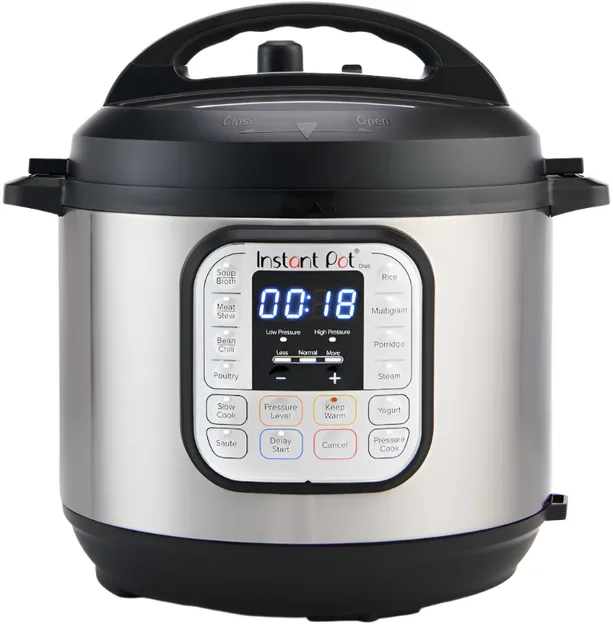
- Buy Instant Pot Duo 6QT Multi-Use Pressure Cooker The boring, reliable one that just works - and still the best value in the category. Amazon
- It depends Instant Pot Duo Crisp + Air Fryer 6QT A pressure cooker that also crisps - handy, if you can live with two bulky lids. Amazon
- It depends Chef iQ Smart Cooker (6QT) The hand-holding smart pot (now sold as the iQ Cooker): built-in scale, guided recipes, and a lot of app. Amazon
- Skip Wolf Gourmet Multi-Function Cooker (WGSC100S) A stunning flagship-priced slow cooker that can't pressure cook - you're paying for the badge, not the results.
What actually matters
- Pressure cooking capability - this is the defining function and the biggest time-saver; verify it exists before anything else, because some multi-cookers omit it entirely.
- Time to pressure - the timer only starts once the pot reaches pressure, which typically takes 10-15 minutes, so real cooking time is longer than the display suggests.
- Capacity - 6 quarts is the sweet spot for most families and recipe volumes; oversized pots crowd small batches and waste counter space.
- Inner pot material - a three-ply stainless steel pot sears well and is dishwasher-safe, while nonstick coatings are easier to clean but wear over time.
- Pressure release method - manual knob venting is cheap and reliable but requires you to release steam by hand; automatic release is safer and more convenient.
- Functions you will actually use - count only the modes you will run weekly (pressure, slow cook, sauté, rice), not the full preset list on the box.
- Cleanup and daily friction - a dishwasher-safe pot, an easy-to-vent lid, and a lid you can set down without hunting for space matter more after the first month than any spec.
The specs, in plain English
Green flags vs red flags
Green flags
- Explicitly lists pressure cooking as a function, with a stated PSI or 'high/low pressure' setting
- A dishwasher-safe three-ply stainless inner pot rather than a thin nonstick one
- A large, well-established recipe base and easy-to-find replacement seals and accessories
- Simple, standalone controls that work without a phone, even if an app is offered
- A 6-quart size for general household use, clearly stated capacity
Red flags
- Billed as a 'multi-cooker' but pressure cooking is missing from the function list
- A very high X-in-1 count used as the headline selling point
- Core cooking features locked behind an app or Wi-Fi connection
- A premium price justified mainly by build and looks rather than cooking performance
- A thin nonstick inner pot with no stainless option, especially at a high price
Who's who: the brands
- Instant Pot - The brand that defined the category; known for dependable, affordable pressure cookers with the largest recipe ecosystem and easy-to-find parts.
- Chef iQ - App-forward smart cookers with built-in scales and guided recipes, aimed at beginners who want hand-holding.
- Ninja - Popular multi-cookers, notably the Foodi line that pairs pressure cooking with air-frying; check for any lid recalls on older units.
- Wolf Gourmet - A premium kitchen brand with beautifully built countertop cookers that emphasize slow cooking, searing, and sous vide rather than pressure.
How to read a listing without getting fooled
Start at the function list, not the headline number. A '15-in-1' badge tells you little; scan for the words 'pressure cook' and confirm it is really there, because some upscale 'multi-cookers' only slow cook, sear, and sous vide. Next find the capacity in quarts and match it to your household - 6-quart for most, 8-quart only for big batches. Check what the inner pot is made of: three-ply stainless is a plus, a thin nonstick coating is a compromise. Note whether steam release is a manual knob or automatic, and whether the standout features live in an app. Finally, mentally subtract the presets you will never touch; the real value is in two or three modes you will run every week, plus how easy the whole thing is to clean and store.
How much should you spend?
The value sweet spot in this category sits at the plain, no-frills pressure cooker: it does the one job people buy the appliance for, reliably, for the least money, and most kitchens never outgrow it. Spending more is worth it only for a specific reason you can name - a crisp lid if you genuinely want to air-fry from the same pot, or app guidance and a built-in scale if you want step-by-step coaching. Beyond that, price climbs fast for build quality, badge, and looks rather than better cooking, and the most expensive models can drop pressure cooking altogether while charging a large multiple of a capable everyday unit. Pay for the functions you will use weekly, not for a longer feature list or a premium finish.
Questions, answered
What is the difference between a multi-cooker and an electric pressure cooker?
An electric pressure cooker is one type of multi-cooker. 'Multi-cooker' is the umbrella term for any countertop pot that combines several appliances, while a pressure cooker specifically builds pressure to cook fast. Most people shopping for a multi-cooker actually want the pressure-cooking kind, but a few premium multi-cookers do not pressure cook at all, so it is worth confirming.
How many quarts should I buy?
Six quarts suits most households of roughly three to six people and matches the volume most recipes assume. Choose 8 quarts only for large batches or meal prep. A smaller pot can crowd bigger cuts and stews, and oversized pots need a minimum fill to reach pressure, so bigger is not automatically better.
Do I really need the higher function counts, like 10-in-1 or 15-in-1?
No. Those counts mostly reflect extra presets such as cake or dehydrate that rarely change daily cooking. Two or three functions - usually pressure cook, sauté, and slow cook or rice - do the real work. Judge a cooker on how well it does those, not on the size of the list.
Is an air-fry or crisp lid worth it?
It depends. A crisp lid lets one appliance both pressure cook and brown or air-fry food, which is handy for a small kitchen that wants to consolidate. The trade-offs are storing a second bulky lid and smaller batch sizes, and results are often less crisp than a dedicated air fryer. If you already own an air fryer, a simpler single-lid model is usually the smarter buy.
Are the smart, app-connected models better?
They are better for a specific kind of cook, not universally. Built-in scales and guided recipes over an app can shorten the learning curve and reassure nervous beginners. The catch is dependence on your phone and connection; core cooking should still work on the unit itself. Cooks who prefer standalone buttons gain little from paying for the app features.
Or jump to the head-to-head: Instant Pot Duo 6QT Multi-Use Pressure Cooker vs Instant Pot Duo Crisp + Air Fryer 6QT.