Explained
Kids Skis, Explained
After reading, you'll understand how to pick a length, what a junior binding's numbers mean, and which spec-sheet terms are worth paying attention to.
In this guide
Most parents buy kids' skis the way they would buy their own, and that is where it goes wrong. Children are light, grow fast and need skis they can bend, so an adult-style ski or a too-long pair for growing room makes learning harder. Junior bindings add another layer: they come in packages, carry numbers in their names, and must be set by a shop. Spec sheets are uneven, and some leave out the very details a parent needs.
The 30-second version
- Size for this season, not next; a too-long ski is harder to turn and slows progress.
- Use the maker's own chart, such as a height band per length, and treat adult charts as a red flag.
- Junior bindings have a release range, and the maker should state it so you know it covers your child's weight.
- A certified shop must mount and set the binding, on your child's own boots, and recheck it as they grow.
- Freeride and race skis are specialist tools, so most kids progress faster on a soft all-mountain package.
The products this guide is about
Our verdict on each, with the full reasoning on the companion review.
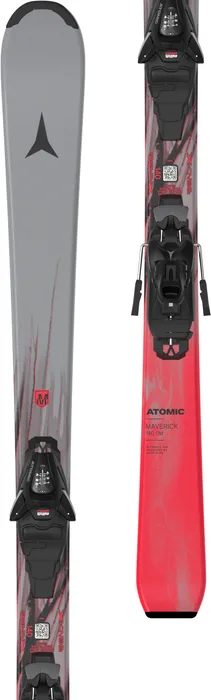
- Buy Atomic Maverick J 130-150 + C 5 GW A soft, rockered all-mountain junior ski with a flex zone underfoot, sold in three age-banded packages with a junior binding included.
- Buy Elan Maxx Red Jr Shift + EL 4.5 GW The easiest ski here to size correctly: nine lengths from 70 to 150 cm, a skier-height chart for each, and a stated 0.75 to 4.5 release range.
- It depends Blizzard Rustler Team A wood-core junior freeride ski for strong teens, sold without a binding, that is far more ski than most kids need. Amazon
- Skip K2 Indy Youth + FDT JR 4.5 A perfectly skiable beginner ski that gives parents less sizing and spec information than the Elan in the same price tier. Amazon
What actually matters
- Length - It decides how easily a child can turn and stop. Makers size by height, weight and ability, and shorter is usually easier for beginners.
- Flex - Kids weigh too little to bend a stiff ski. Junior constructions such as Atomic's Bend-X or Elan's U-Flex are designed for light skiers.
- Rocker profile - An early-rise or rockered tip helps the ski start a turn and avoid catching an edge. Most learner skis use some rocker.
- Binding included - Most junior skis come as a package with a binding. Some advanced skis are sold flat, which adds a binding purchase and shop fitting.
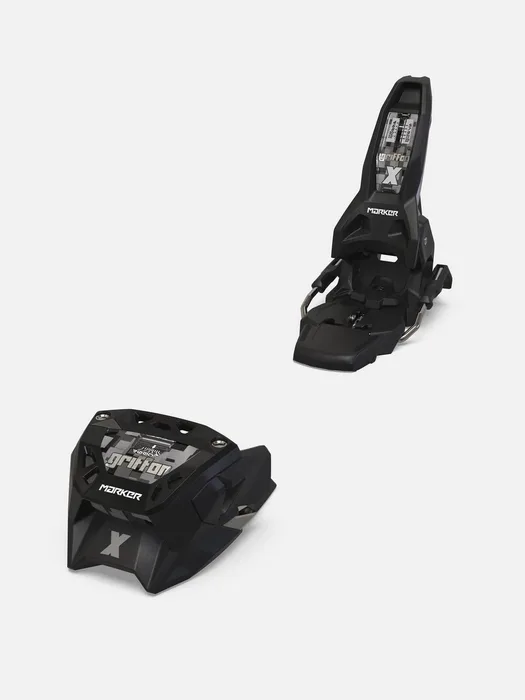
- Release range - The binding has to be set to a value that suits your child's weight and ability. A stated range like 0.75 to 4.5 shows it can be.
- Length range - A model offered in many sizes lets you move up each season within a ski your child already knows. Some lines stop at 136 cm.
- Published specs - Shape, radius and weight per length help you compare. Blank or repeated fields make it harder to judge what you are buying.
The specs, in plain English
Green flags vs red flags
Green flags
- A height or weight chart for every length the ski comes in
- A binding release range stated on the maker's page
- Shape and radius listed per length, not one figure for all
- A clear note that a certified shop must mount and set the binding
- A model line that covers many lengths so a child can move up within it
Red flags
- A size chart that starts at adult weights and heights
- Blank core, profile or flex fields on the maker page
- No release range stated for an included binding
- An adult-style or freeride ski marketed to a beginner child
- Buying two sizes long to grow into
Who's who: the brands
- Atomic - Sells most junior skis as age-banded packages with its own C 5 and L 6 bindings and Bend-X flex zones.
- Elan - Known for U-Flex junior skis and detailed per-length height charts on its own site.
- Blizzard - Makes junior versions of its adult Rustler and Anomaly lines, from soft packages to flat freeride skis.
- K2 - Offers learner packages like the Indy with Marker FDT JR bindings and a clear mounting notice.
- Rossignol - Sells its Experience junior skis as packages with Kid-X bindings.
How to read a listing without getting fooled
Start with the length list and the sizing guidance, and check that it covers your child's height today. Next, find the binding: is one included, what is it called, and does the maker state its release range? Then look at shape and radius per length, since a sheet that repeats one figure for every size is telling you less than it seems. Profile and core names are mostly marketing, but words like rocker, early rise and soft or junior flex point toward an easier ski. Finally, look for the maker's mounting note, and plan on a certified shop visit either way.
How much should you spend?
Kids' skis fall into three rough tiers. Budget ($) packages are basic learner skis, often last season's graphics, and are fine for a first pair a child will outgrow quickly. Mid-range ($$) packages such as the Elan Maxx Red and K2 Indy add better sizing, more lengths and a choice of binding. Premium ($$$) covers all-mountain packages like the Atomic Maverick J and flat freeride skis like the Blizzard Rustler Team, which also need a separate binding. Budget for a shop mounting and adjustment on top of any tier, and consider trade-in or lease programs if your child grows quickly.
Questions, answered
Should I buy or lease kids' skis?
If your child grows a size or more each season, a seasonal lease or a shop trade-in program can cost less than buying new every year. Buying makes more sense once growth slows or when a younger sibling will inherit the skis. Either way, the binding must be set by a certified shop for the child using them.
Can a younger sibling use the same skis and bindings?
Often yes, if the length suits them, but the binding has to be readjusted and tested by a shop for the new child's boots and weight. Never hand skis down with the old setting in place.
How often should the binding be checked?
Have a shop check it at the start of each season and any time your child changes boots, gains noticeable weight or height, or moves up in ability. Settings that suited them last winter may not fit now.
What else does my child need besides skis?
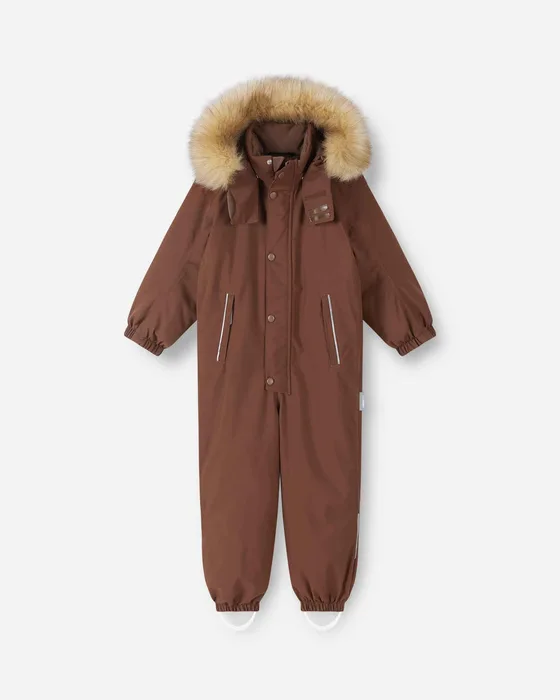
Properly fitted boots matter as much as the skis, and a certified helmet is a must. Warm, waterproof layers keep kids on the hill longer. See our guides to kids ski helmets and kids snowsuits.
Or jump to the head-to-head: Atomic Maverick J 130-150 + C 5 GW vs Elan Maxx Red Jr Shift + EL 4.5 GW.