Explained
Ski Bags, Explained
After reading, you'll understand how ski bags protect skis, how to size one, and which features matter for flying versus driving.
In this guide
The most common mistake is buying a thin ski sleeve and checking it on a flight. The second is buying a bag that is too short, or so long that skis slide around. The specs that matter are protection, length, capacity, wheels and empty weight.
The 30-second version
- Flying needs padding, because checked bags are stacked and dropped with other luggage.
- Size by ski length, and choose a bag a little longer than your longest skis.
- Wheels change everything, once a bag carries two pairs and boots.
- Empty weight counts, since it comes out of your airline allowance.
- Sleeves are for cars, or for storage at home.
The products this guide is about
Our verdict on each, with the full reasoning on the companion review.
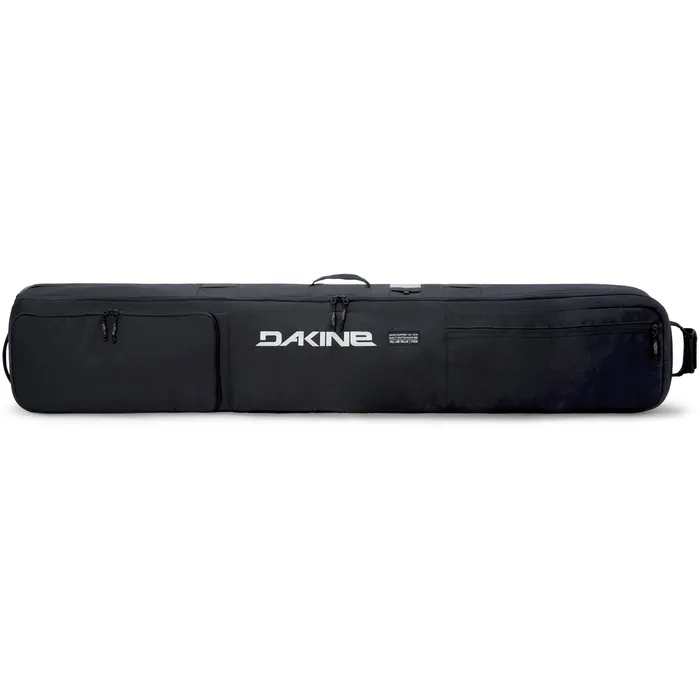
- Buy Dakine Fall Line Ski Roller Bag A padded, wheeled ski bag that fits two pairs of skis and your boots at a reasonable weight.
- Buy Thule RoundTrip Ski Roller 192cm A premium roller with separate padded sleeves for two pairs of skis.
- It depends Db Snow Roller Pro 127L A large, length-adjustable roller that swallows skis or a board plus helmet and boots.
- Skip Kulkea Kantaja Ski Sleeve A light, simple sleeve for one pair of skis that is built for the car, not the baggage hold.
What actually matters
- Protection - Padding, tarp linings and rigid inserts guard edges, tips and bindings. The more a bag will be handled, the more protection it needs.
- Length - Makers list a maximum ski length. Pick one longer than your skis, and use internal straps to stop movement.
- Capacity - Some bags hold one pair, some two, and some add boots and clothing. More capacity can mean fewer checked bags.
- Wheels - Wheeled bags are easier to move once loaded. Large wheels roll better over curbs and snow.
- Empty weight - Heavier bags use more of your baggage allowance. Makers that publish weight make comparison easy.
- Zippers and locks - Heavy, lockable zippers resist damage and theft. Locks are often sold separately.
- Storage - Bags that pack down or compress are easier to keep at home between trips.
The specs, in plain English
Green flags vs red flags
Green flags
- Full padding or clearly described protection.
- Published maximum ski length and dimensions.
- Published empty weight.
- Wheels on bags meant for two pairs.
- Lockable zippers and internal straps.
Red flags
- No mention of padding on a bag sold for flying.
- No maximum ski length listed.
- No published weight.
- Light zippers on a heavy bag.
- A sleeve marketed for air travel without padding.
Who's who: the brands
- Dakine - Hawaii-born board sports brand with a wide range of ski and snowboard bags.
- Thule - Swedish carry and rack company known for its RoundTrip travel line.
- Db - Norwegian bag brand, formerly Douchebags, known for compressible sports rollers.
- Kulkea - Ski bag specialist known for boot bags and ski travel bags.
- Sportube - Maker of hard-shell, telescoping ski and board travel cases.
How to read a listing without getting fooled
Check the maximum ski length first, then the capacity line: how many pairs, and whether boots and clothes fit. Look for how the bag protects skis, whether full padding, padded sleeves or rigid inserts. Then check the empty weight and dimensions against your airline's rules. Finally, look at the wheels, zippers and any warranty. If a listing doesn't mention padding, assume it has little.
How much should you spend?
Budget bags are mostly sleeves with light or no padding, fine for driving. Mid-range bags add full padding, wheels and room for boots, which covers most flying needs. Premium bags add separate padded compartments, adjustable length, larger capacity or rigid protection. If you fly with skis every season, a padded roller pays for itself in avoided damage.
Questions, answered
Is a hard case better than a padded bag?
Hard cases resist crushing better and suit expensive skis on frequent flights. They are heavier, bulkier and harder to store. Padded rollers are lighter and more flexible, and hold boots and clothes in many cases.
How do I pack skis in a bag?
Strap the skis together base to base with brakes locked, and add padding around the bindings. Fill spaces with soft clothing so nothing shifts. Use the bag's internal straps if it has them.
Can I carry skis through airport security?
Skis are normally checked rather than carried on, and airlines set their own rules for sports equipment. Check your airline's size, weight and fee rules for ski bags before you travel, and whether a boot bag counts as part of the same item.
Can a snowboard go in a ski bag?
Some bags are designed for both. Db says the Snow Roller Pro 127L takes a snowboard or two pairs of skis. Most ski-specific bags are too narrow for a board, so check the width.
Or jump to the head-to-head: Dakine Fall Line Ski Roller Bag vs Thule RoundTrip Ski Roller 192cm.